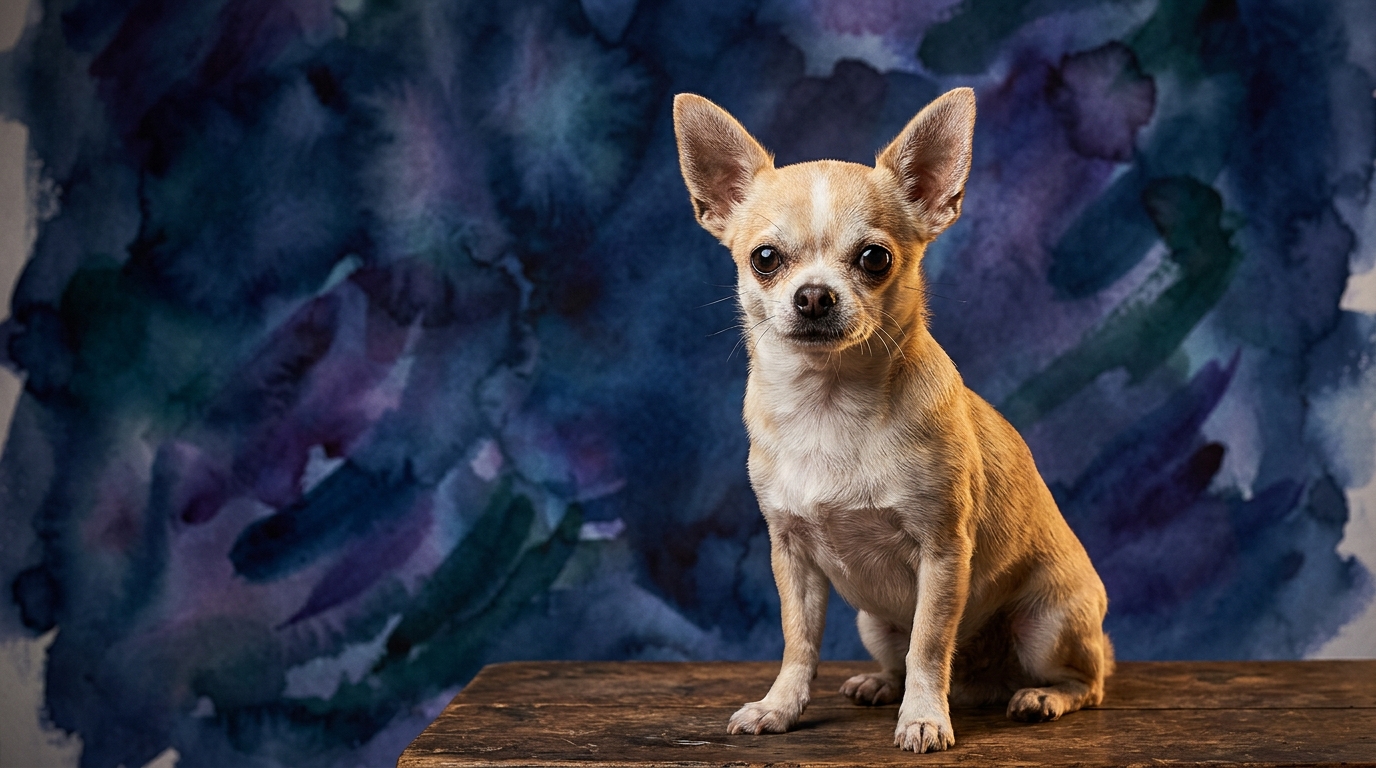
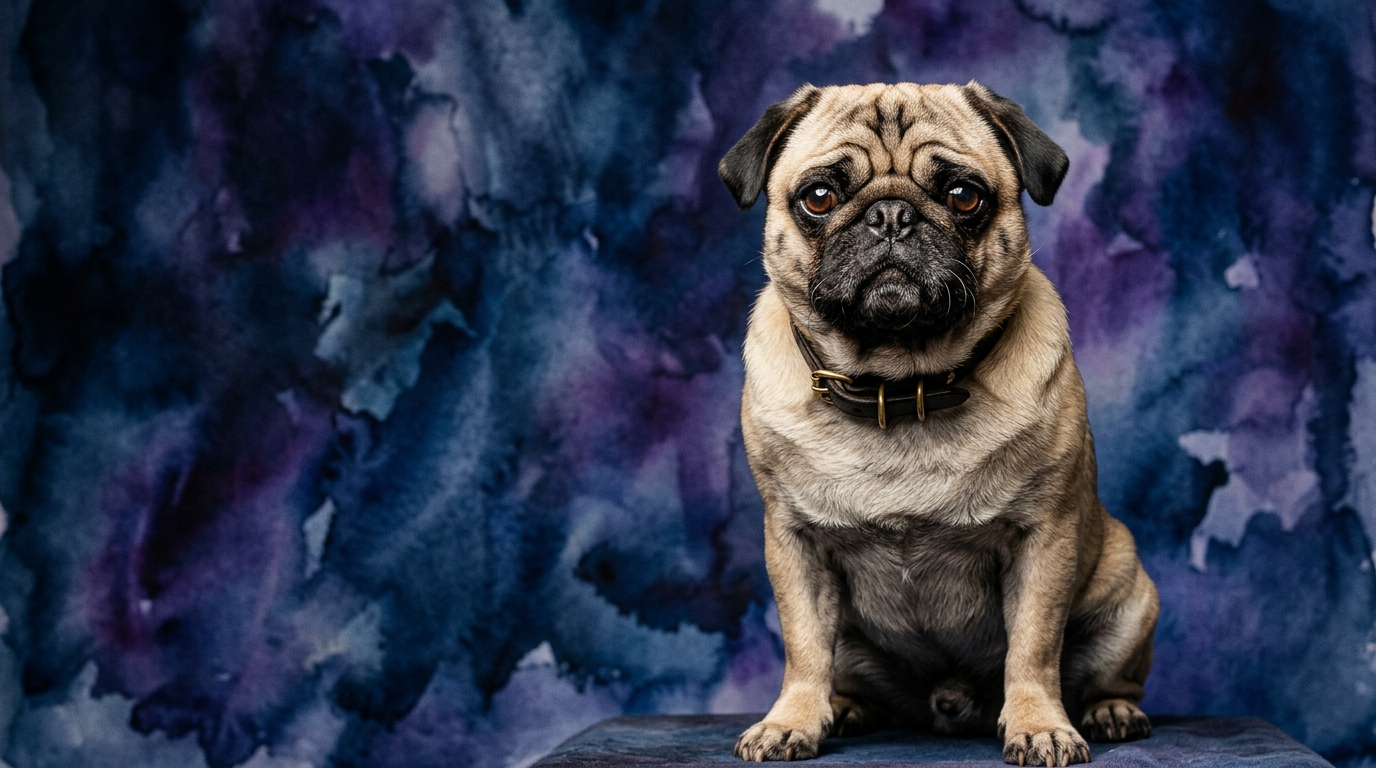
Side-by-Side IQ Profile: Chihuahua vs. Pug
The Cosmic Pet Pet IQ Lab's granular assessment offers a clear side-by-side view of their intellectual makeup. The Chihuahua, Coren rank #67, presents a balanced profile: Problem Solving 3/5, indicating moderate ability to navigate challenges; Training Speed 3/5, suggesting an average pace for grasping commands; Social Intelligence 4/5, showing good capacity to read human cues; Instinctive Drive 3/5, a moderate inclination for natural dog behaviors; and Memory 4/5, quite robust for retaining learned information.
In contrast, the Pug, Coren rank #57, offers a different set of strengths. Their Problem Solving is 2/5, indicating a preference for less complex tasks; Training Speed 2/5, meaning more repetition is needed. However, their Social Intelligence shines at an exceptional 5/5, highlighting an unparalleled ability to connect emotionally and interpret human feelings. Instinctive Drive is lower at 2/5, suggesting less inclination for independent exploration. Their Memory is 3/5, a respectable ability to retain routines. While the Coren rank places the Pug slightly higher in obedience, these detailed IQ dimensions paint a richer picture of their distinct cognitive preferences.
Where the Chihuahua Wins Cognitively
The Chihuahua demonstrates a clear cognitive advantage in areas demanding independent thought and retention. With a Problem Solving score of 3/5 versus the Pug's 2/5, a Chihuahua is more likely to engage with and resolve novel environmental puzzles, perhaps figuring out how to retrieve a toy from under furniture. Their Instinctive Drive, rated 3/5 compared to the Pug's 2/5, suggests a greater innate curiosity and readiness to engage with their surroundings through exploration or scent work, offering more avenues for mental stimulation.
Most notably, the Chihuahua's Memory score of 4/5, surpassing the Pug's 3/5, indicates a superior ability to recall past experiences, learned commands, and established routines. This sharper memory contributes to their reliability in adhering to house rules or remembering specific cues over longer periods, showcasing a cognitive architecture built for retention and independent application of knowledge.
Where the Pug Wins Cognitively
When evaluating cognitive strengths, the Pug stands out with an exceptional Social Intelligence score of 5/5, a full point above the Chihuahua's 4/5. This isn't merely about friendliness; it signifies a profound capacity to interpret and respond to human social and emotional cues. Pugs are masters at reading body language, vocal inflections, and even subtle shifts in mood, allowing them to adapt their behavior to provide comfort or solicit attention with remarkable accuracy. This makes them unparalleled emotional support companions, often anticipating a need for closeness without explicit prompting.
Their superior social acumen means a Pug often "gets" what their human wants or feels, even if they don't always execute a command perfectly. This deep empathetic connection is a unique cognitive victory, fostering a bond built on mutual understanding and emotional attunement. While their problem-solving or training speed might be lower, their ability to navigate complex social interactions and provide intuitive companionship is a distinct and highly valued cognitive trait.
Which is Easier to Train and Why
Comparing training ease between these two breeds requires examining their Training Speed and other contributing cognitive factors. The Chihuahua, with a Training Speed score of 3/5, generally picks up new commands at an average pace, often aided by their higher Problem Solving (3/5) and superior Memory (4/5). This combination means they are not only quicker to grasp new concepts but also better at retaining them and applying them in different contexts. A Chihuahua might require fewer repetitions to master a "sit" and is more likely to perform it consistently, remembering the command even after a break in training. Their moderate instinctive drive can also be channeled into motivation for reward-based training.
The Pug, with a Training Speed of 2/5, typically requires more patience and repetition. While their exceptional Social Intelligence (5/5) makes them eager to please and highly motivated by connection with their owner, their lower Problem Solving (2/5) and Instinctive Drive (2/5) mean they might not always connect the dots as quickly or find the intrinsic motivation for complex tasks. Training a Pug often relies heavily on positive reinforcement, leveraging their desire for social interaction and praise. Owners might find that while Pugs eventually learn, the process is slower and requires more consistent reinforcement to embed the behavior firmly. Real behavioral differences include the Pug's tendency to be easily distracted by social interaction or choosing to ignore a command if it doesn't immediately align with their comfort, contrasting with a Chihuahua's more focused approach.
Which Suits Active Owners vs. Relaxed Owners
The cognitive profiles of the Chihuahua and Pug naturally align with different owner lifestyles. An active owner, someone who enjoys engaging their dog in various mental and physical activities beyond basic walks, might find the Chihuahua a more suitable match. Their higher Problem Solving (3/5) means they can enjoy and benefit from puzzle toys, learning new tricks, or participating in beginner-level dog sports requiring independent thought. The Chihuahua's moderate Instinctive Drive (3/5) suggests a greater willingness to explore new environments or engage in scent games, making them partners for varied adventures. They often possess a sharp alertness that thrives on interaction and novel experiences.
Conversely, a relaxed owner, one who prioritizes companionship, emotional connection, and a generally low-key presence, would likely find the Pug to be an ideal companion. Their unparalleled Social Intelligence (5/5) means they are incredibly attuned to their owner's mood and needs, often content to simply be near, offering comfort and quiet companionship. The Pug's lower Instinctive Drive (2/5) and Problem Solving (2/5) indicate they are less inclined towards demanding mental tasks or extensive physical exertion, preferring instead the warmth of a lap or a gentle stroll. They thrive on consistent affection and predictable routines, making them perfect for those seeking a devoted, easygoing presence in their home.
The Verdict
For owners seeking a sharp, responsive companion who enjoys moderate mental challenges and has a good memory for routines, perhaps a dog with a bit more independent spirit and readiness for varied engagement, the Chihuahua is an excellent choice.
For owners prioritizing deep emotional connection, a companion who reads social cues effortlessly, and a relaxed, devoted presence, even if training requires more consistency and patience, the Pug will be a cherished addition.
🧠 Find Your Pet's IQ Score
Our Pet IQ Lab assessment covers 25+ tests across 5 cognitive dimensions — personalized to your breed.
Take the Full IQ Test →Frequently Asked Questions
Does a higher Coren rank mean a dog is 'smarter' overall?
A higher Coren rank primarily indicates a breed's capacity to understand new commands with fewer repetitions and obey them more consistently. It's a measure of obedience intelligence, not a comprehensive assessment of all cognitive dimensions like problem-solving or social intelligence.
Can a Pug's social intelligence be used in its training?
Absolutely. A Pug's exceptional social intelligence means they are highly motivated by praise, affection, and the desire to please their owner. Leveraging positive reinforcement and making training a bonding experience can be very effective, even if it requires more repetition due to their lower training speed.
Are Chihuahuas good at puzzle toys due to their problem-solving score?
Yes, with a Problem Solving score of 3/5, Chihuahuas are generally more inclined and capable of engaging with and solving moderate puzzle toys. These activities can provide valuable mental stimulation, satisfying their curiosity and leveraging their capacity for independent thought.