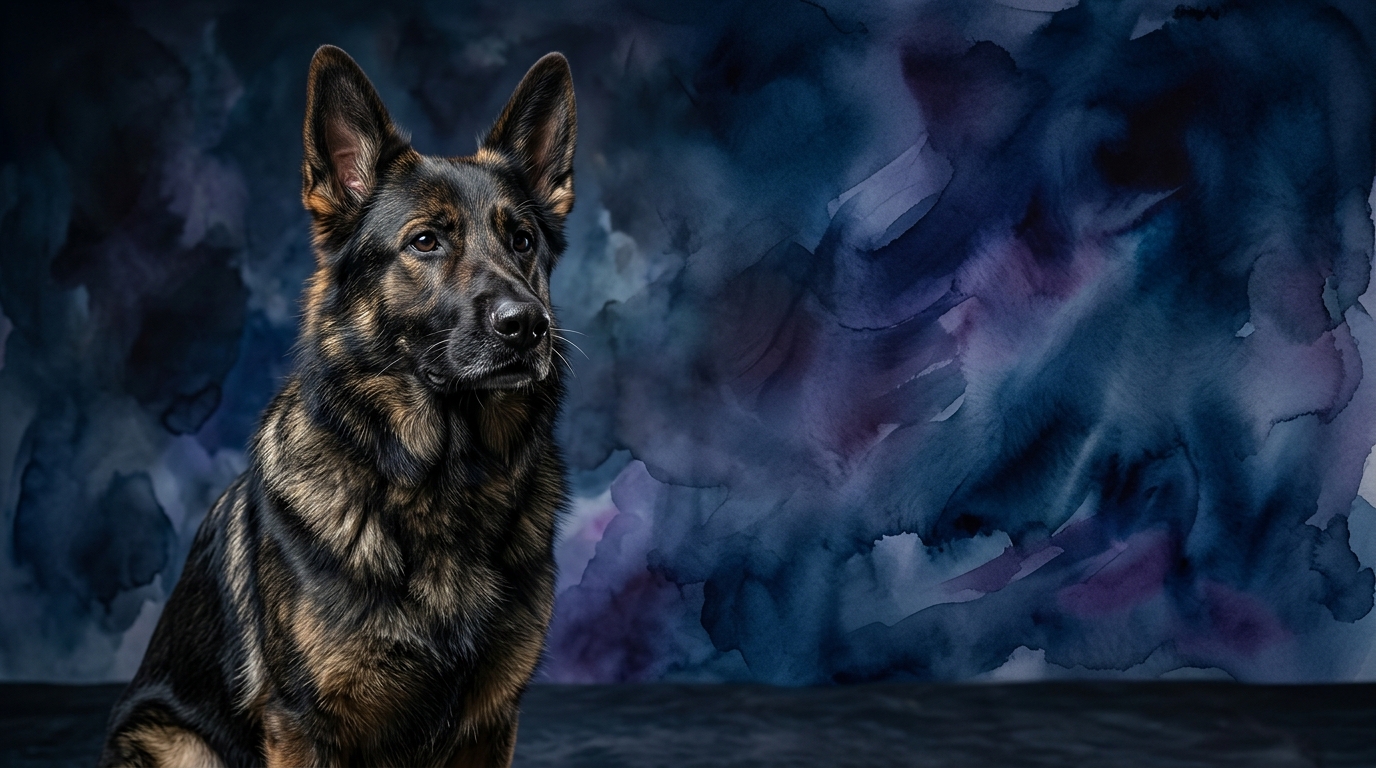
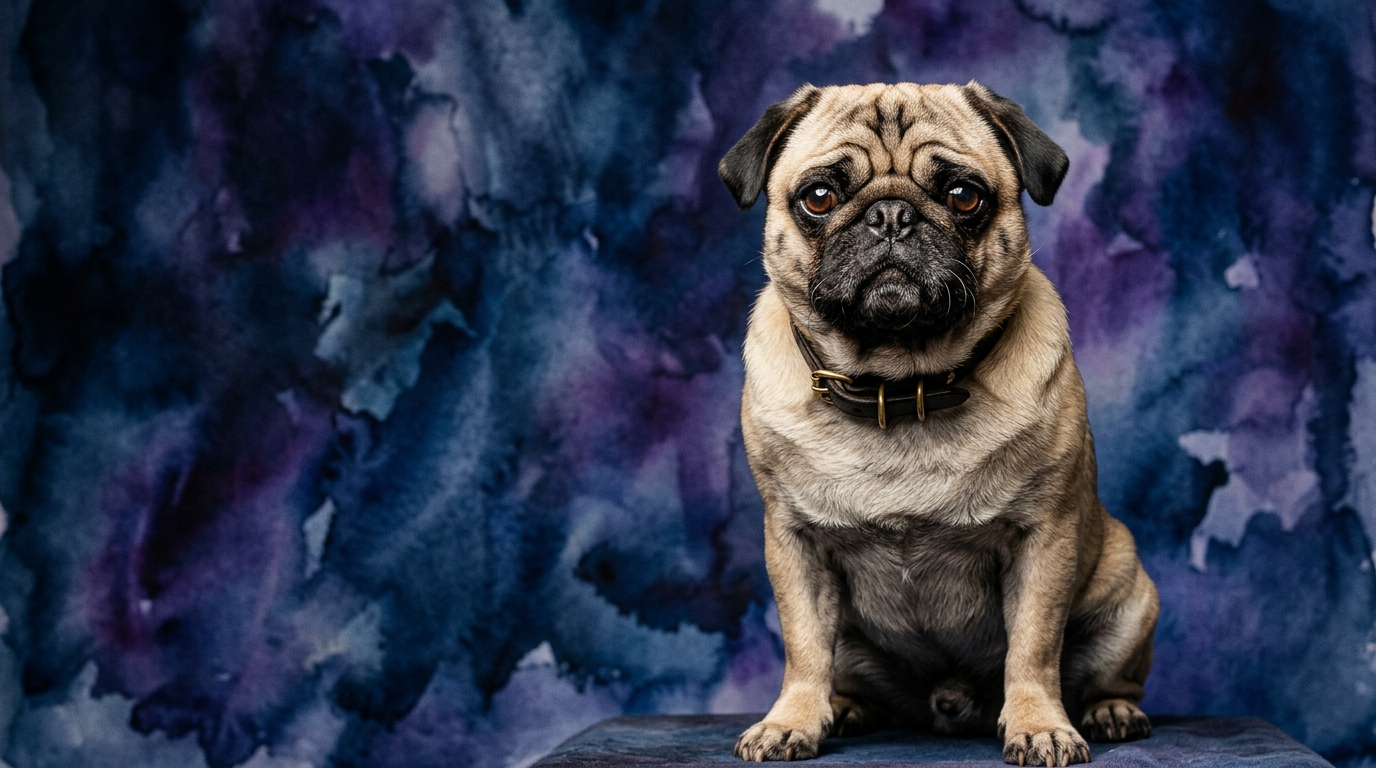
Side-by-Side IQ Profile: German Shepherd vs. Pug
The Cosmic Pet Pet IQ Lab employs a multi-dimensional framework to assess canine cognition, moving beyond simple obedience to understand the nuances of a dog's mental landscape. For the German Shepherd, a Herding breed, the scores paint a picture of comprehensive cognitive prowess, reflecting its heritage as a versatile working dog. Its Problem Solving is rated at 5/5, indicating an exceptional capacity to independently assess novel situations and devise effective solutions, often involving complex sequences of actions. Training Speed also stands at a perfect 5/5, meaning these dogs absorb new commands and routines with remarkable rapidity and consistency, requiring minimal repetition. Social Intelligence is equally robust at 5/5, demonstrating a profound understanding of human communication, social hierarchies, and the emotional states of both people and other animals, which is crucial for their protective and herding roles. Their Instinctive Drive is a powerful 5/5, signifying a strong, inherent motivation to work, protect, herd, and engage in purpose-driven activities. Finally, Memory is scored 5/5, showcasing an ability to retain vast amounts of information, from complex commands to intricate environmental details and past experiences, over extended periods.
In stark contrast, the Pug, a Toy breed, presents a cognitive profile optimized for companionship and social interaction, rather than complex tasks. Its Problem Solving scores 2/5, suggesting a preference for straightforward interactions and a lesser inclination to independently navigate or resolve intricate challenges without human guidance. Training Speed is also 2/5, meaning Pugs can learn, but typically require more patience, repetition, and highly motivating rewards to master new commands, often prioritizing comfort or attention over strict adherence to tasks. Where the Pug truly shines is in Social Intelligence, earning a perfect 5/5; these dogs are masters of emotional attunement, reading human moods, and forming deep, intuitive bonds, making them exceptionally empathetic companions. Their Instinctive Drive is a modest 2/5, reflecting a low inherent motivation for traditional 'work' or high-intensity physical tasks, instead being primarily driven by comfort, affection, and proximity to their human family. Memory is rated 3/5, indicating a functional capacity to remember routines, familiar faces, and basic commands, but perhaps less capacity for the intricate, multi-layered recall seen in working breeds.
Where the German Shepherd Excels Cognitively
The German Shepherd's cognitive architecture is a testament to selective breeding for utility and adaptability, making it an unrivaled performer in roles requiring nuanced understanding and independent action. Its 5/5 Problem Solving isn't just about figuring out how to open a gate; it encompasses the ability to assess dynamic situations in real-time, like determining the best path to herd a flock or how to neutralize a perceived threat while minimizing harm. This strategic thinking, coupled with its 5/5 Training Speed, allows German Shepherds to rapidly learn and apply complex operational procedures, making them exceptional in fields such as search and rescue, police work, and assistance roles. Their 5/5 Instinctive Drive fuels a relentless pursuit of purpose, providing an intrinsic motivation to engage with challenging tasks and see them through to completion. Furthermore, a 5/5 Memory ensures that lessons learned, commands mastered, and experiences encountered are not easily forgotten, building a rich cognitive database that informs future actions and decisions. This comprehensive suite of cognitive strengths enables the German Shepherd to be a proactive, rather than merely reactive, partner in demanding environments.
Where the Pug Excels Cognitively
While the German Shepherd's strengths lie in operational intelligence, the Pug’s cognitive triumph is its unparalleled Social Intelligence, scoring a full 5/5. This isn't a passive trait; it's an active, sophisticated ability to navigate the complex world of human emotion and social dynamics. Pugs are exceptional at reading subtle cues – a sigh, a shift in posture, a change in tone – and responding with comforting presence, often initiating cuddles or gentle nudges precisely when needed. Their cognitive energy is largely directed towards understanding and fostering connection, making them intuitive companions who seamlessly integrate into family life. This high social acumen allows them to adapt easily to various social settings and bond deeply with multiple individuals, thriving on interaction. Despite a lower Problem Solving score, a Pug’s social ingenuity allows them to 'solve' the problem of human loneliness or stress with remarkable efficacy, proving that intelligence manifests in diverse and equally valuable forms.
Which is Easier to Train, and Why?
Comparing the German Shepherd's 5/5 Training Speed with the Pug's 2/5 reveals a significant divergence in their inherent approach to learning and compliance. The German Shepherd's rapid training speed stems from a powerful combination of factors: an inherent desire to work and please its handler (Instinctive Drive 5/5), a keen Problem Solving ability (5/5) that helps it understand the 'why' behind commands, and a robust Memory (5/5) for retaining instructions. They often view training as a stimulating collaborative activity, eager to engage their minds and bodies, making them quick to grasp new concepts and execute them reliably with minimal repetition. Their focus and drive make them highly receptive to structured learning environments.
Conversely, training a Pug, while entirely possible, typically demands more patience and a different motivational approach. Their 2/5 Training Speed means they require more consistent repetition and often respond best to positive reinforcement centered around high-value treats or abundant praise. A Pug's lower Instinctive Drive (2/5) means they aren't inherently driven by a desire for 'work' or complex tasks; their primary motivation is companionship and comfort. This can manifest as a charming stubbornness or a tendency to prioritize a warm lap over performing a trick. While they possess excellent Social Intelligence (5/5), this often translates into an ability to charm their way out of tasks rather than an eagerness to perform them. Training a Pug is more about building a fun, rewarding relationship that encourages cooperation, rather than leveraging an inherent drive for task mastery.
Which Suits Active Owners vs. Relaxed Owners?
The cognitive profiles of these two breeds offer clear guidance for owners considering their lifestyle. An owner with an active lifestyle who thrives on purposeful engagement will find an ideal match in the German Shepherd. Their 5/5 Instinctive Drive and Problem Solving demand consistent mental stimulation and physical activity. These dogs flourish when given a 'job,' whether it's agility training, advanced obedience, scent work, or simply being an active hiking companion. Their minds are constantly seeking challenges and opportunities to apply their considerable cognitive skills, and without adequate outlets, they can become bored or destructive. They are partners for adventure and learning, requiring an owner willing to invest significant time in their mental and physical well-being.
In contrast, the Pug's cognitive makeup perfectly suits a more relaxed owner who prioritizes companionship, comfort, and affectionate interaction. Their lower Instinctive Drive (2/5) means they are content with shorter walks, indoor play, and ample cuddle time on the sofa. While they still require regular, moderate exercise to stay healthy, their mental stimulation largely revolves around social interaction and being an integral part of family life. Their exceptional Social Intelligence (5/5) means they thrive on human presence and emotional connection, often becoming devoted lapdogs. For an owner who desires a charming, empathetic, and relatively low-maintenance companion happy with a cozy domestic life, the Pug is an excellent choice, providing endless affection without demanding intense physical or mental exertion.
The Verdict: When to Choose Each
The Verdict
Choose a German Shepherd if you seek a highly engaged, purpose-driven partner eager for complex tasks and consistent mental challenges, thriving on a collaborative working relationship. This breed excels with owners who can provide structure, extensive training, and active participation in their dog's life.
Opt for a Pug if your priority is a devoted, emotionally attuned companion who thrives on close social bonds and a more relaxed domestic lifestyle. They are perfect for owners seeking comfort, charm, and a furry friend content with moderate activity and abundant affection.
🧠 Find Your Pet's IQ Score
Our Pet IQ Lab assessment covers 25+ tests across 5 cognitive dimensions — personalized to your breed.
Take the Full IQ Test →Frequently Asked Questions
Can a Pug learn complex tricks despite its lower training speed?
Yes, Pugs can absolutely learn complex tricks, but it will typically require more patience, repetition, and highly motivating rewards than with a breed like the German Shepherd. Their 3/5 memory means they retain information, but their 2/5 training speed indicates a slower acquisition rate and a need for consistent reinforcement.
How does a German Shepherd's high instinctive drive impact its daily life?
A German Shepherd's 5/5 instinctive drive means they possess a strong, inherent need for purpose and activity, leading them to seek out engagement. Without appropriate mental and physical outlets, this drive can manifest as boredom or destructive behaviors, highlighting the importance of structured tasks and consistent training for their well-being.
Is the Pug's 5/5 social intelligence the same as being 'easy to live with'?
While a Pug's 5/5 social intelligence makes them exceptionally good at forming bonds and understanding human emotions, 'easy to live with' also depends on other factors like their lower instinctive drive and moderate problem-solving. They are generally adaptable and affectionate companions, but their social acumen primarily refers to their ability to connect emotionally and navigate social settings, rather than their obedience or problem-solving skills.