Side-by-Side IQ Profile: Chihuahua vs. Pumi
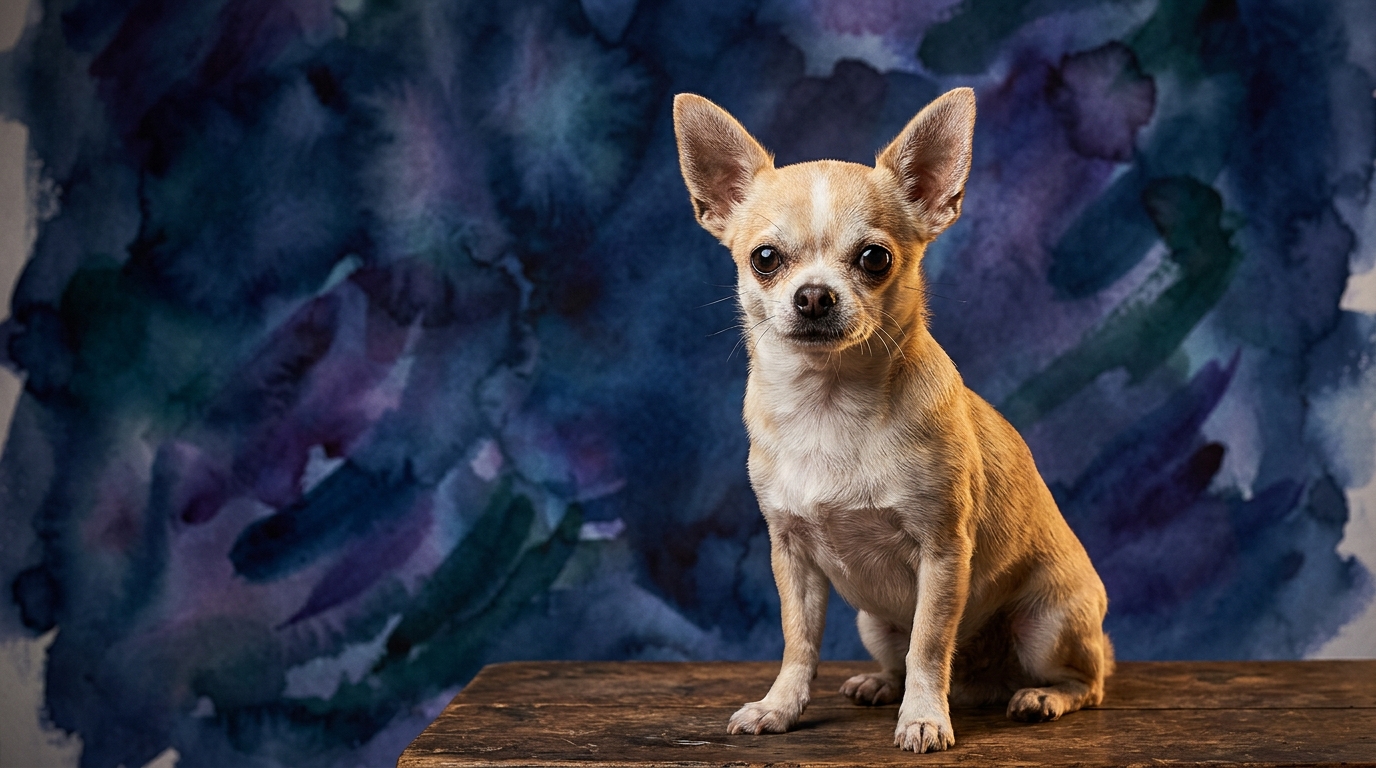
The Chihuahua, a spirited Toy breed ranked #67 by Coren for working intelligence, presents a cognitive profile geared towards companionship and observation. Its Problem Solving ability is rated 3/5, indicating an aptitude for navigating its immediate environment and figuring out simple puzzles, though not complex, multi-step tasks. Training Speed also scores 3/5, meaning Chihuahuas learn new commands at a moderate pace, responding best to clear, consistent methods and positive reinforcement.
Where the Chihuahua truly shines is in its Social Intelligence, earning a 4/5. This breed is exceptionally attuned to human emotions and social cues, forming deep, intuitive bonds with its primary caregivers and often anticipating their moods. Its Instinctive Drive sits at 3/5, often expressed through alert barking, territoriality, or a strong desire for comfort and closeness. Finally, the Chihuahua's Memory is impressive at 4/5, allowing for excellent recall of people, places, and learned routines, retaining information over long periods.
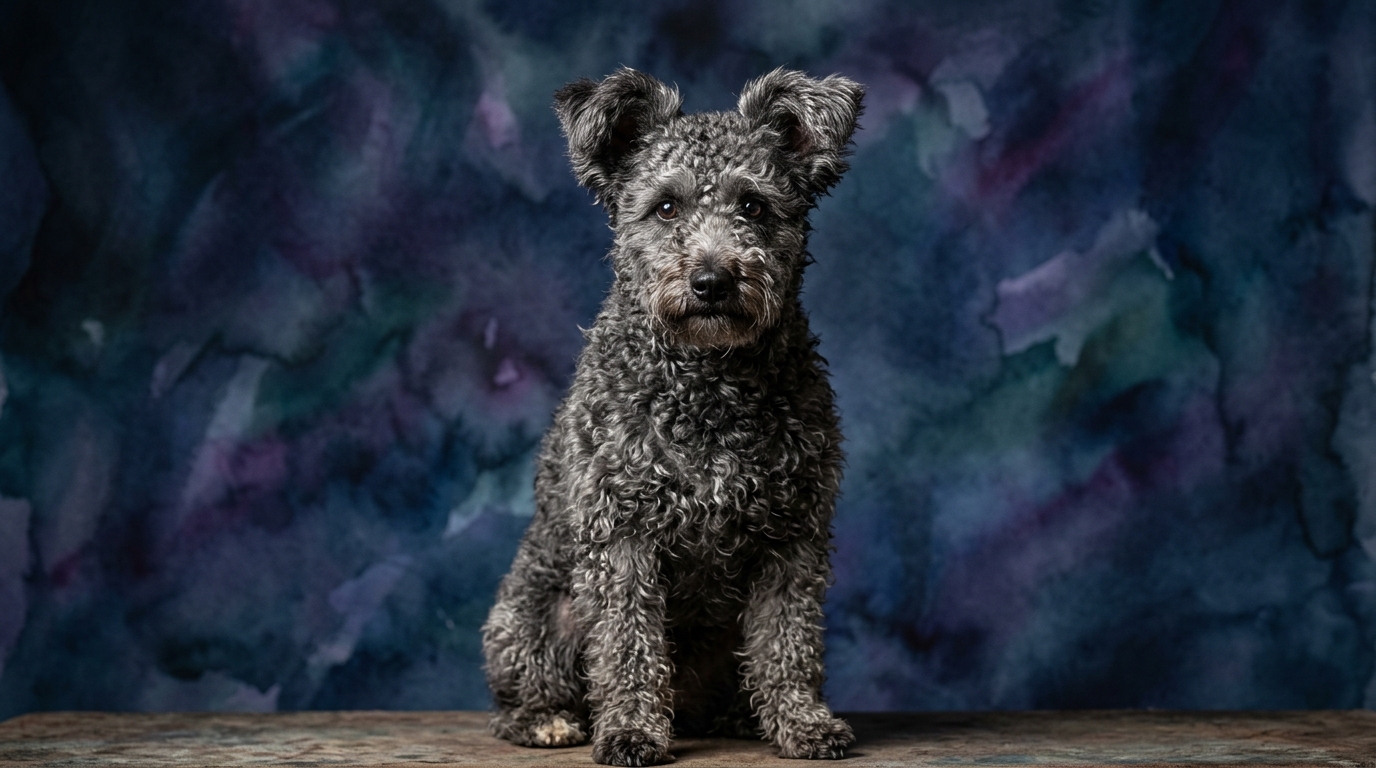
In contrast, the Pumi, a dynamic Herding breed not ranked by Coren, demonstrates a balanced working intelligence. Its Problem Solving capacity is 3/5, indicating practical intelligence for tasks and environmental navigation, rather than abstract reasoning. Training Speed matches the Chihuahua at 3/5; Pumis learn new behaviors at a moderate rate, thriving on positive reinforcement and structured guidance that taps into their natural drives.
The Pumi’s Social Intelligence is 3/5, meaning it engages well with its immediate family but can be reserved or discerning with strangers, interpreting social cues primarily within its established 'pack'. Its Instinctive Drive is also 3/5, characterized by its herding heritage, expressed through chasing, gathering, and surveying, which requires appropriate outlets. The Pumi's Memory scores 3/5, providing good recall for commands and routines, but potentially requiring more consistent reinforcement for long-term retention compared to breeds with higher memory scores.
Where the Chihuahua Wins Cognitively
The Chihuahua's primary cognitive advantage lies in its superior Social Intelligence, scoring 4/5 compared to the Pumi's 3/5. This means a Chihuahua is generally more adept at reading and responding to human emotions, subtle body language, and vocal tones. This heightened social awareness allows them to form exceptionally deep, almost telepathic bonds with their owners, often anticipating needs or reacting to moods without explicit commands. They thrive on this intricate social dance, making them highly responsive companions.
Another distinct cognitive win for the Chihuahua is its Memory, rated 4/5 against the Pumi's 3/5. This excellent recall means Chihuahuas are likely to remember learned behaviors, routines, and even the locations of favorite toys or hidden treats with remarkable accuracy over extended periods. Their strong memory contributes to their consistency in established house rules and their ability to quickly re-engage with previously learned commands, even after a break.
Where the Pumi Wins Cognitively
While the Pumi's individual IQ scores may not surpass the Chihuahua's in specific categories, its cognitive strengths lie in the balanced and practical application of its intelligence, particularly in a working context. The Pumi's 3/5 Problem Solving and 3/5 Instinctive Drive, when combined, create a dog with tenacious, task-oriented cognitive abilities. This breed excels at figuring out how to achieve a goal related to movement, boundaries, or managing dynamic situations, skills honed by its herding background.
Furthermore, the Pumi's 3/5 Social Intelligence, while lower than the Chihuahua's, can be interpreted as a cognitive advantage for owners seeking a more independent companion. This moderate social drive means Pumis are less prone to intense separation anxiety or excessive reliance on constant human presence. They are affectionate and loyal to their family but possess a self-assuredness that allows them to engage with their environment and tasks with a focused autonomy, rather than solely seeking human validation.
Training Dynamics: Which is Easier and Why?
Both the Chihuahua and the Pumi share a 3/5 score for Training Speed, suggesting they learn at a moderate pace. However, the 'ease' of training can differ significantly due to their other cognitive traits. The Chihuahua's higher Social Intelligence (4/5) often makes it more eager to please its human, perceiving training as a valuable interaction and an opportunity for bonding. They are highly motivated by praise, affection, and positive reinforcement from their beloved person, making them generally receptive and cooperative learners.
The Pumi, with its 3/5 Social Intelligence and 3/5 Instinctive Drive, approaches training with a different mindset. While intelligent and capable of learning, its motivation might be less centered on human approval alone. Instead, Pumis often thrive when training incorporates tasks that satisfy their moderate herding drive, such as agility, obedience, or even scent work. Their independent streak can mean they require more creative engagement and clear, consistent boundaries to channel their energy effectively, rather than just relying on their desire to please.
Matching Lifestyles: Active vs. Relaxed Owners
For relaxed owners, the Chihuahua often presents a more harmonious fit. Its high Social Intelligence (4/5) and excellent Memory (4/5) mean it thrives on close companionship, consistent routines, and mental engagement through interactive play and puzzles within the home environment. While they enjoy short walks and bursts of play, their moderate Instinctive Drive (3/5) does not demand constant physical exertion, making them content with a more settled, indoor-focused lifestyle, provided they receive ample human interaction.
The Pumi, with its moderate Instinctive Drive (3/5) rooted in its herding heritage, is a better match for active owners. This breed requires regular, structured physical and mental exercise to prevent boredom and channel its natural tendencies. Owners who enjoy dog sports like agility, flyball, or long, exploratory hikes will find a willing and capable partner in a Pumi. Its balanced cognitive profile means it thrives when given a 'job' to do, making it ideal for individuals or families who can integrate consistent, engaging activities into their daily lives.
The Verdict
Choose a Chihuahua if you seek a deeply bonded companion highly attuned to your emotions, thriving on close interaction, consistent routines, and a more relaxed home environment.
Opt for a Pumi if you are an active owner or family prepared to provide structured physical activities, mental challenges, and consistent engagement to satisfy a working breed's balanced cognitive and physical needs.
🧠 Find Your Pet's IQ Score
Our Pet IQ Lab assessment covers 25+ tests across 5 cognitive dimensions — personalized to your breed.
Take the Full IQ Test →Frequently Asked Questions
Are Chihuahuas good at learning tricks?
Yes, with their moderate training speed and excellent memory, Chihuahuas can learn a wide array of tricks. Their high social intelligence often makes them eager to engage in interactive learning sessions with their owners, particularly when praise and affection are involved.
Do Pumis need a job to be happy?
Pumis possess a moderate instinctive drive stemming from their herding heritage, meaning they generally thrive with purpose. Providing them with structured activities like dog sports, puzzle toys, or even just consistent training sessions helps channel their cognitive energy and physical needs, preventing boredom.
Which breed is better with children based on IQ?
While neither breed's IQ directly dictates child-friendliness, a Chihuahua's higher social intelligence means it's more sensitive to family dynamics and emotions, potentially responding well to calm, respectful children. A Pumi's more reserved social intelligence and herding instincts might require more careful supervision and training around children to ensure gentle interactions, as they may try to 'herd' moving targets.