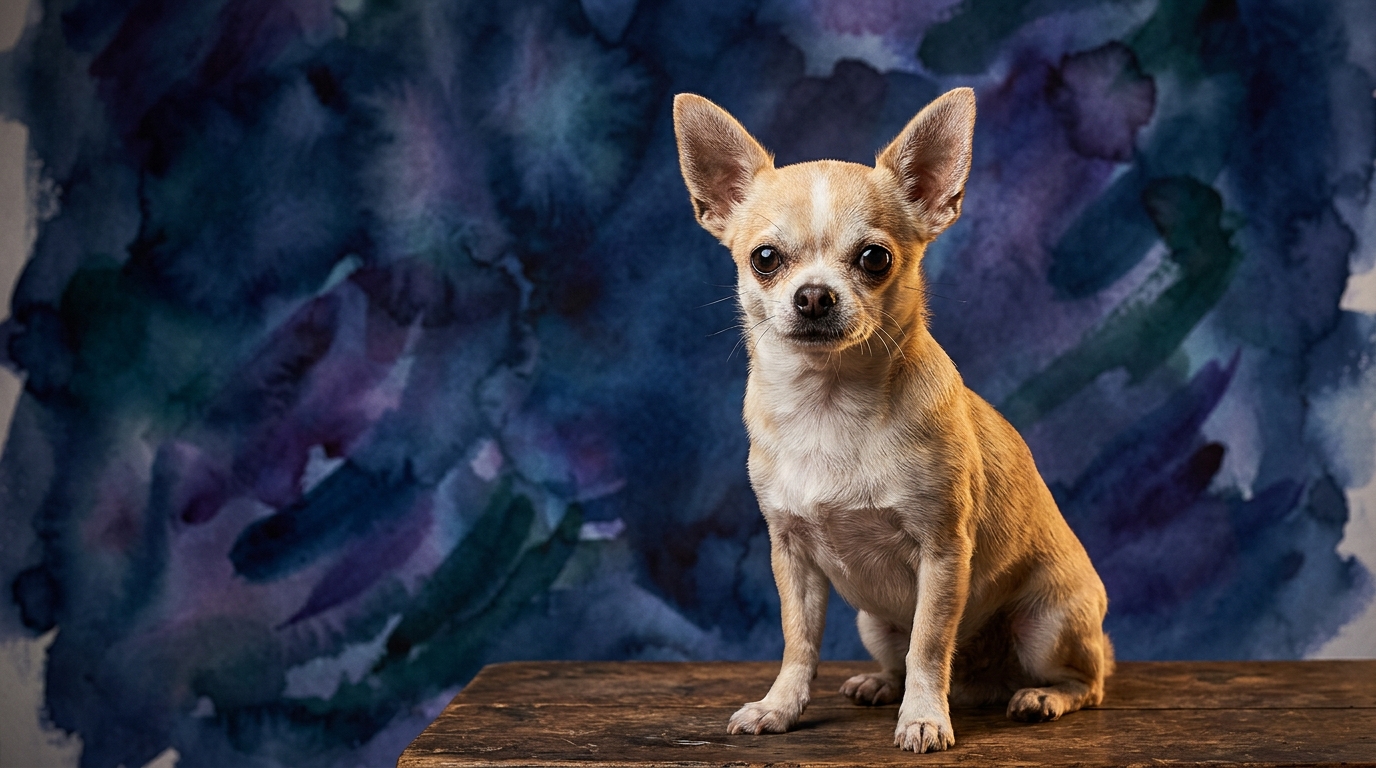

The Cosmic Pet Pet IQ Lab: Side-by-Side Cognitive Profile
The Cosmic Pet Pet IQ Lab provides a nuanced look at canine intelligence across five key dimensions. For the Chihuahua, a Toy breed, and the Rat Terrier, a Terrier type, their profiles reveal intriguing overlaps and distinct differences.
Both breeds score a 3/5 in **Problem Solving**. This indicates a moderate capacity for navigating novel challenges. For the Chihuahua, this might manifest in clever strategies to gain attention or manipulate their environment for comfort, often leveraging their charm. For the Rat Terrier, this same score translates into a persistent, focused effort to bypass obstacles or access a desired item, frequently driven by their innate curiosity and drive.
In **Training Speed**, both breeds again register 3/5. This suggests they possess a moderate pace in acquiring new commands or behaviors. Chihuahuas can learn quickly when motivated by high-value treats or praise from their favored human, often responding well to positive reinforcement. Rat Terriers, while certainly capable learners, might require more engaging, varied methods to maintain their focus, as their independent spirit can sometimes overshadow a desire for rote obedience.
A notable difference appears in **Social Intelligence**, where the Chihuahua scores 4/5, surpassing the Rat Terrier's 3/5. Chihuahuas excel at reading human emotions, responding to subtle cues, and forming deep, intricate bonds with their primary caregivers. This makes them highly attuned companions. The Rat Terrier, while affectionate, tends to be more independent and less focused on intricate social mirroring, often preferring to engage on its own terms rather than constantly seeking human emotional validation.
For **Instinctive Drive**, both breeds are rated 3/5, yet the manifestation of this drive is profoundly different due to their breed types. For the Chihuahua, this drive often centers on protective instincts towards their chosen human and territory, manifesting as alert barking or vigilance. For the Rat Terrier, this score powerfully reflects its historical purpose as a vermin hunter, translating into a strong prey drive, boundless curiosity, and a desire to explore and 'work' with its nose and paws.
Finally, in **Memory**, the Chihuahua leads with a 4/5, compared to the Rat Terrier's 3/5. Chihuahuas demonstrate a commendable ability to recall learned associations, routines, and specific experiences over time, aiding in consistent behavior and adherence to household patterns. Rat Terriers possess a solid memory for practical tasks, routes, and the location of favored items, but might not retain abstract commands or infrequent lessons with the same tenacity as their Toy counterpart.
Where the Chihuahua Wins Cognitively
The Chihuahua's cognitive strengths truly shine in areas that foster deep companionship and seamless integration into human routines. Their superior Social Intelligence (4/5) allows them to be exceptionally perceptive companions, capable of reading nuanced human expressions and intentions. This translates into a dog that often anticipates its owner's needs or moods, offering comfort or seeking interaction at just the right moment. Their capacity for forming complex social bonds makes them highly responsive to their chosen humans, making them feel like truly understanding partners.
Furthermore, the Chihuahua's elevated Memory score (4/5) contributes significantly to their ease of living within a structured home environment. They excel at retaining learned associations, whether it's the schedule for walks, the location of treats, or specific house-training rules. This strong recall helps them consistently adhere to routines and commands, especially when those lessons are reinforced through positive social interaction. Their ability to remember specific events and their outcomes also influences their behavior over time, making them adaptable to consistent training and predictable home life.
Where the Rat Terrier Wins Cognitively
Where the Rat Terrier truly shines cognitively isn't necessarily in outscoring the Chihuahua on every dimension, but in the *application* of its specific cognitive profile, particularly its Problem Solving and Instinctive Drive. While scoring 3/5 for Problem Solving, identical to the Chihuahua, the Rat Terrier's approach is characterized by a tenacious, determined persistence. This isn't just about finding a solution, but about an unwavering commitment to a task, whether it’s figuring out how to retrieve a hidden toy or navigating an obstacle course. Their terrier heritage imbues them with a practical, goal-oriented intelligence that drives them to overcome challenges with remarkable focus.
Similarly, their 3/5 Instinctive Drive, though numerically matched with the Chihuahua, manifests as a powerful, purposeful drive for exploration, scent work, and active engagement with their environment. This translates into a sharp, curious mind that thrives on engaging tasks and puzzles, making them exceptional partners for activities requiring sustained focus and the utilization of their keen senses. Their quick reflexes and physical agility are also a testament to their cognitive processing speed in dynamic situations, allowing them to react decisively and efficiently. Owners who appreciate a dog with a strong work ethic and a direct, persistent approach to tasks will find this breed's cognitive strengths particularly rewarding.
Which is Easier to Train and Why
The ease of training for Chihuahuas versus Rat Terriers often comes down to *how* one approaches their distinct cognitive strengths and behavioral tendencies. Chihuahuas, with their higher Social Intelligence and Memory, tend to be receptive to training methods that leverage their desire for companionship and positive social reinforcement. They often thrive on praise and attention from their favorite person, quickly forming associations between commands and rewards. Their ability to remember routines and past interactions means consistent, gentle training can yield rapid results, though their stubborn streak can emerge if they perceive a lack of motivation or consistency from their trainer. Their smaller size also makes them physically easier to manage during early training sessions, allowing for more focused instruction.
Rat Terriers, despite sharing a 3/5 Training Speed score, present a different training challenge and reward. Their tenacious nature and strong instinctive drive mean they require engaging, varied training sessions that appeal to their working dog heritage. Repetitive drills might quickly bore them, leading to disengagement or a stubborn refusal to cooperate. They respond exceptionally well to training that incorporates their prey drive or desire to explore, such as scent games, agility, or tasks that involve problem-solving. Consistency is paramount to manage their independent streak and channel their energy productively. Early socialization and boundary setting are crucial to shape their protective instincts and ensure their keen senses are directed positively, requiring a confident and creative trainer who can make learning feel like a game or a job.
Which Suits Active Owners vs. Relaxed Owners
Considering their cognitive profiles and inherent drives, the Chihuahua and Rat Terrier cater to vastly different owner lifestyles. The Chihuahua is an ideal fit for owners seeking a devoted, emotionally responsive, and highly portable companion. Their strong social intelligence and desire for close bonds mean they thrive in homes where they can be central to family life, offering and receiving constant affection. They are well-suited for apartment living or less active lifestyles, content with indoor playtime and short, leisurely walks. Owners who appreciate a dog's emotional depth and expressiveness, and who are prepared to offer consistent companionship, will find a perfect match in a Chihuahua.
Conversely, the Rat Terrier is best suited for active, experienced owners who can consistently provide both mental and physical stimulation. Their strong instinctive drive and tenacious problem-solving approach mean they excel in environments that offer opportunities for structured play, training, and exploring. They are a superb choice for owners who enjoy activities like hiking, jogging, dog sports (such as agility or barn hunt), or have a secure yard for their energetic antics. Their independent streak and desire for a 'job' mean they need an owner who can be a confident, consistent leader, providing outlets for their intelligent and driven nature. They are not content to be couch potatoes without significant engagement.
The Verdict
If you prioritize a deeply bonded, emotionally responsive companion dog that excels in social interaction and retains lessons well, a Chihuahua could be your perfect match.
Opt for a Rat Terrier if you seek an active, tenacious partner for adventures and engaging mental tasks, valuing an independent spirit and purposeful drive.
🧠 Find Your Pet's IQ Score
Our Pet IQ Lab assessment covers 25+ tests across 5 cognitive dimensions — personalized to your breed.
Take the Full IQ Test →Frequently Asked Questions
Do Chihuahuas really have better memory than Rat Terriers?
Yes, based on The Cosmic Pet Pet IQ Lab data, Chihuahuas score 4/5 in memory compared to Rat Terriers' 3/5. This suggests Chihuahuas tend to retain learned behaviors, routines, and associations more readily and for longer durations, aiding in consistent behavior and adherence to household patterns.
Which breed is more adaptable to apartment living?
The Chihuahua is generally more adaptable to apartment living due to its smaller size and lower inherent exercise needs, thriving on close companionship and indoor activities. While Rat Terriers can live in apartments, their higher energy and instinctive drive necessitate more dedicated outdoor activity and mental enrichment to prevent boredom and destructive behaviors.
How does a Rat Terrier's 'instinctive drive' differ from a Chihuahua's, even with the same score?
Although both score 3/5 for instinctive drive, its manifestation differs significantly due to their breed histories. For a Rat Terrier, it primarily translates to a strong prey drive, curiosity, and desire for active engagement with its environment, often leading to digging or scent tracking. For a Chihuahua, this drive typically focuses on vigilance, protective instincts towards their human, and a strong desire for comfort and closeness.