Side-by-Side IQ Profile: Chihuahua vs. Skye Terrier
To understand the cognitive makeup of these breeds, The Cosmic Pet Pet IQ Lab assesses five key dimensions. Let's examine how each breed performs:
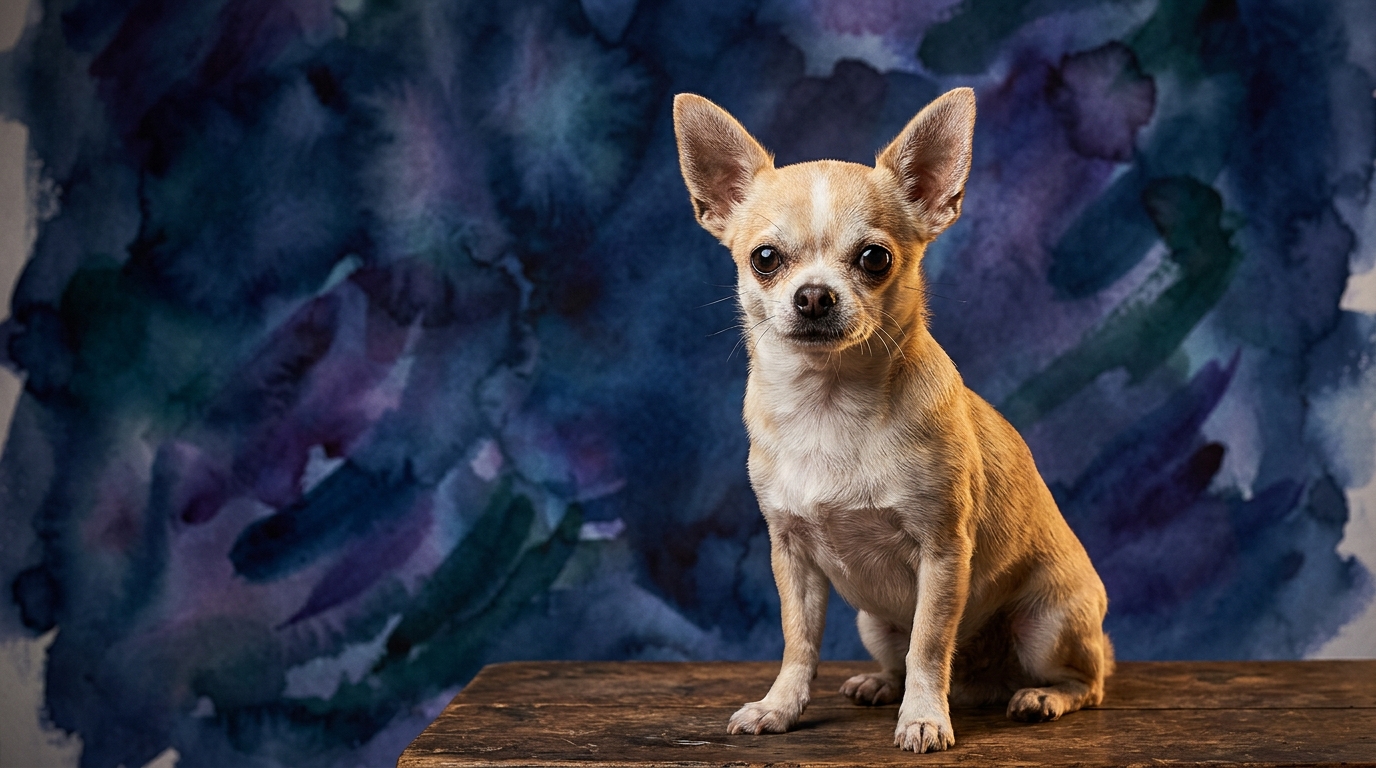
The Chihuahua (Toy Group, Coren Rank #67) presents a distinctive cognitive profile. Their Problem Solving is rated at 3/5, indicating a moderate ability to navigate novel situations or figure out complex tasks, often creatively when motivated by comfort or reward, though they may not independently seek intricate challenges. Training Speed is also 3/5; while capable of learning, they require consistent, patient reinforcement and might not grasp new concepts with the rapid precision seen in some working breeds, with their small size sometimes leading to missed subtle handler cues. Social Intelligence is where they shine at 4/5, displaying an exceptional understanding of human emotions and social cues, forming deep bonds and communicating needs through nuanced interactions. Their Instinctive Drive is moderate at 3/5, expressed through alertness and a protective nature towards family, rather than strong hunting or herding impulses. Memory is robust at 4/5, allowing for long-term recall of commands, routines, and specific people or places, contributing to their ability to maintain established behaviors.
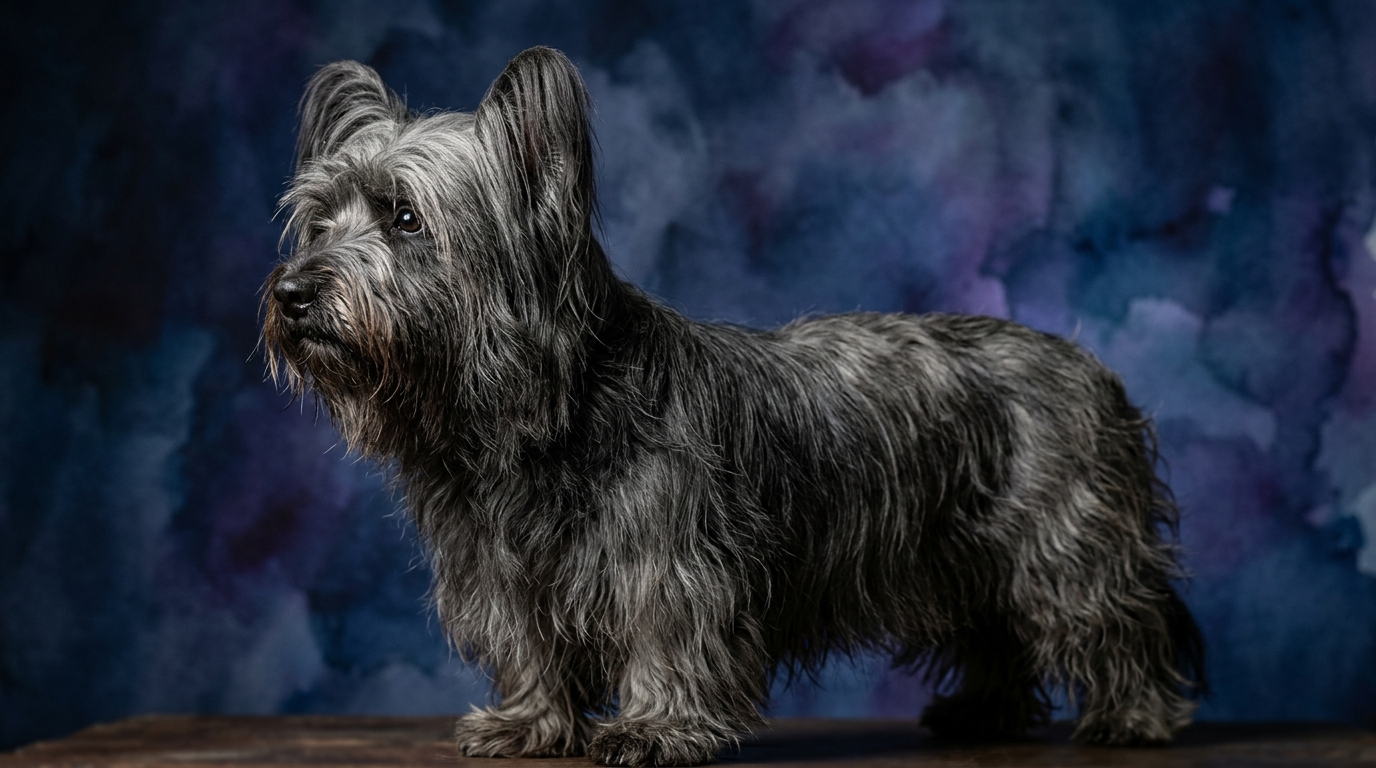
The Skye Terrier (Terrier Group, Not Coren-Ranked) offers a contrasting set of cognitive attributes. Their Problem Solving also scores 3/5; true to their terrier heritage, they can be resourceful in overcoming obstacles, especially if it involves pursuing something interesting or achieving a self-set goal, though their solutions are often independent rather than collaborative. Training Speed is moderate at 3/5, with progress often deliberate due to their independent nature, requiring a patient and engaging approach with consistent positive reinforcement to manage occasional stubbornness. Social Intelligence is 3/5; they form strong attachments to family but tend to be more reserved with strangers and other animals, with their understanding of social dynamics focused on their immediate circle and less outward emotional expression. Instinctive Drive is moderate at 3/5, rooted in their original purpose for hunting vermin, retaining natural curiosity, a desire to explore, and potential for digging or chasing small creatures, manifesting as independent exploration. Memory is 3/5; they can retain learned commands and routines, but their recall might not be as consistently sharp or long-lasting as breeds with higher memory scores, making consistent practice essential for solidifying behaviors.
Where the Chihuahua Wins Cognitively
The Chihuahua truly shines in the realm of social intelligence and memory. Their exceptional ability to read human emotions and communicate their own needs makes them highly attuned companions, often anticipating changes in an owner's mood or responding to subtle shifts in tone, fostering a deeply empathetic bond. This cognitive strength allows them to integrate seamlessly into a human household, understanding the unspoken rules and emotional currents. Their robust memory further reinforces this, allowing them to remember complex social interactions, preferred routines, and the specific ways their human companions behave, making them highly responsive to consistent care and emotional connection. For an owner seeking a dog that feels truly connected and responsive on an emotional level, the Chihuahua's cognitive profile offers a compelling advantage in day-to-day companionship and emotional rapport.
Where the Skye Terrier Wins Cognitively
While not outscoring the Chihuahua in specific metrics, the Skye Terrier's cognitive strengths lie in its independent problem-solving approach, often fueled by its terrier tenacity. Their moderate problem-solving score, combined with their instinctive drive, means they are more likely to pursue a challenge with determined focus, even if it requires a bit of trial and error. This breed’s cognitive makeup supports a persistent exploration of their environment and a self-reliant approach to overcoming physical or mental puzzles, such as finding a hidden toy or navigating an unfamiliar scent trail. Unlike the Chihuahua, whose problem-solving might be more geared towards pleasing its human, the Skye Terrier often solves problems out of an inherent curiosity or a desire to achieve its own independent objective, reflecting a durable and self-directed cognitive style that can be valuable in certain scenarios.
Ease of Training: Behavioral Differences
When considering ease of training, the Chihuahua generally presents a slightly smoother path, primarily due to its higher social intelligence and memory. A Chihuahua's keen awareness of human cues and strong desire to interact positively with its owner means it often responds well to clear, consistent instruction, motivated by praise and connection. Their superior memory ensures that once a command or behavior is learned, it tends to stick, requiring less frequent reinforcement over time. While they can have their own stubborn moments, their motivation often lies in pleasing their human and maintaining a harmonious social dynamic, making them eager participants in positive reinforcement training. In contrast, the Skye Terrier’s moderate training speed and more independent nature can make training a more patient endeavor. Their terrier instincts mean they might be more inclined to follow their nose or their own agenda rather than immediately complying with a command, requiring more creative and persistent methods to capture their focus and maintain their engagement. They learn, but often on their own terms, making a strong, trusting relationship essential for successful training.
Which Suits Active vs. Relaxed Owners
For active owners seeking a companion for varied activities, the Skye Terrier, despite its moderate instinctive drive, might surprise with its endurance and love for exploring. While not a marathon runner, a Skye Terrier enjoys regular walks, opportunities to sniff and investigate, and can be a sturdy companion for moderate outdoor adventures like hiking or exploring new parks. Their independent streak means they can be content to explore nearby while you enjoy the scenery, rather than constantly seeking direct interaction, making them suitable for owners who appreciate a dog with its own agenda outdoors. Conversely, the Chihuahua is an excellent fit for more relaxed owners or those with smaller living spaces. Their moderate instinctive drive means they are content with shorter walks and indoor play, thriving on companionship and close physical proximity rather than extensive outdoor excursions. Their strong social intelligence makes them ideal lap dogs and attentive indoor companions, perfectly suited for a quieter, more home-centric lifestyle where their primary need is close human connection.
The Verdict
Opt for a Chihuahua if you seek a deeply emotionally connected companion who excels in understanding human nuances and thrives on consistent social interaction within a relaxed, home-focused environment.
Select a Skye Terrier if you appreciate an independent, curious companion with a sturdy constitution for moderate exploration, valuing a dog that combines affection with a self-reliant spirit.
🧠 Find Your Pet's IQ Score
Our Pet IQ Lab assessment covers 25+ tests across 5 cognitive dimensions — personalized to your breed.
Take the Full IQ Test →Frequently Asked Questions
Does Coren rank apply to all breeds?
No, Coren's ranking system primarily assesses working and obedience intelligence, focusing on how quickly a dog learns new commands and obeys them. Breeds not commonly used for these specific tasks, like the Skye Terrier, may not have a published Coren rank, but this doesn't diminish their overall cognitive abilities in other domains.
Are Chihuahuas always easy to train?
Chihuahuas are generally receptive to training due to their social intelligence and memory, but their small size and occasionally feisty personality can present unique challenges. Consistent, positive reinforcement is crucial, and owners must remember that even small dogs require clear boundaries and socialization to prevent undesirable behaviors.
Do Skye Terriers require a lot of exercise?
Skye Terriers require moderate daily exercise to stay healthy and content. While they aren't extreme athletes, they enjoy regular walks and opportunities to explore. Their terrier instincts mean mental stimulation through sniffing and gentle exploration is as important as physical exertion to prevent boredom.