Side-by-Side IQ Profile
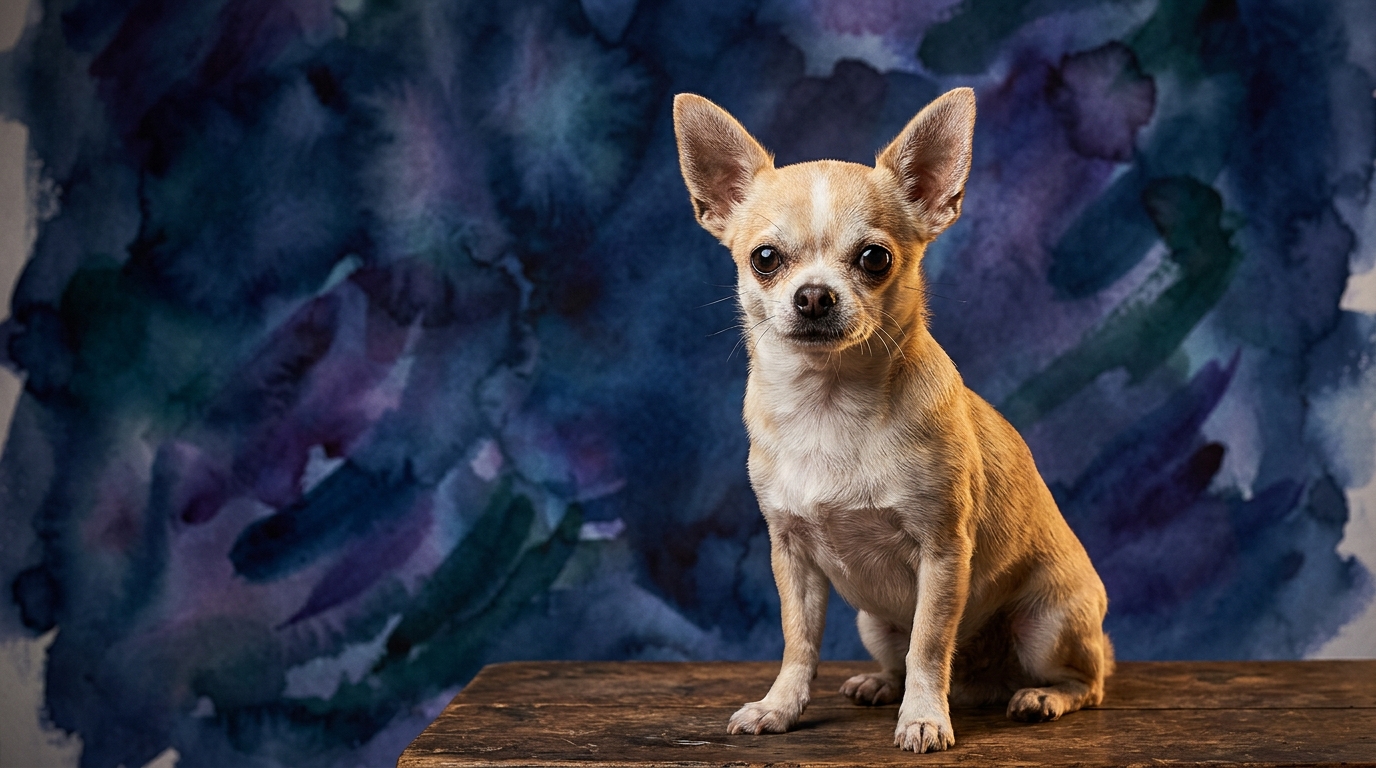
The Cosmic Pet Pet IQ Lab employs a comprehensive five-dimensional framework to assess canine intelligence, offering a nuanced view beyond simple obedience. For the Chihuahua (Toy, Coren rank #67), its Problem Solving score of 3/5 indicates an average capacity for navigating novel situations; their small stature might lead to reliance on human aid for physical obstacles, but they can independently strategize for social outcomes. Their Training Speed is also 3/5, meaning they learn new commands at an average pace, but their independent streak necessitates consistent, positive reinforcement. Social Intelligence shines at 4/5, as they excel in understanding and responding to human emotions and cues, forming deep bonds and often keenly attuned to owner moods, making them exceptional companions. Their Instinctive Drive is a moderate 3/5, often manifesting as a strong desire for companionship, territoriality, or chasing small objects, rather than intense working drives. Finally, Memory scores 4/5, indicating a good recall for learned behaviors, routines, and experiences, aiding in command retention and adaptability.
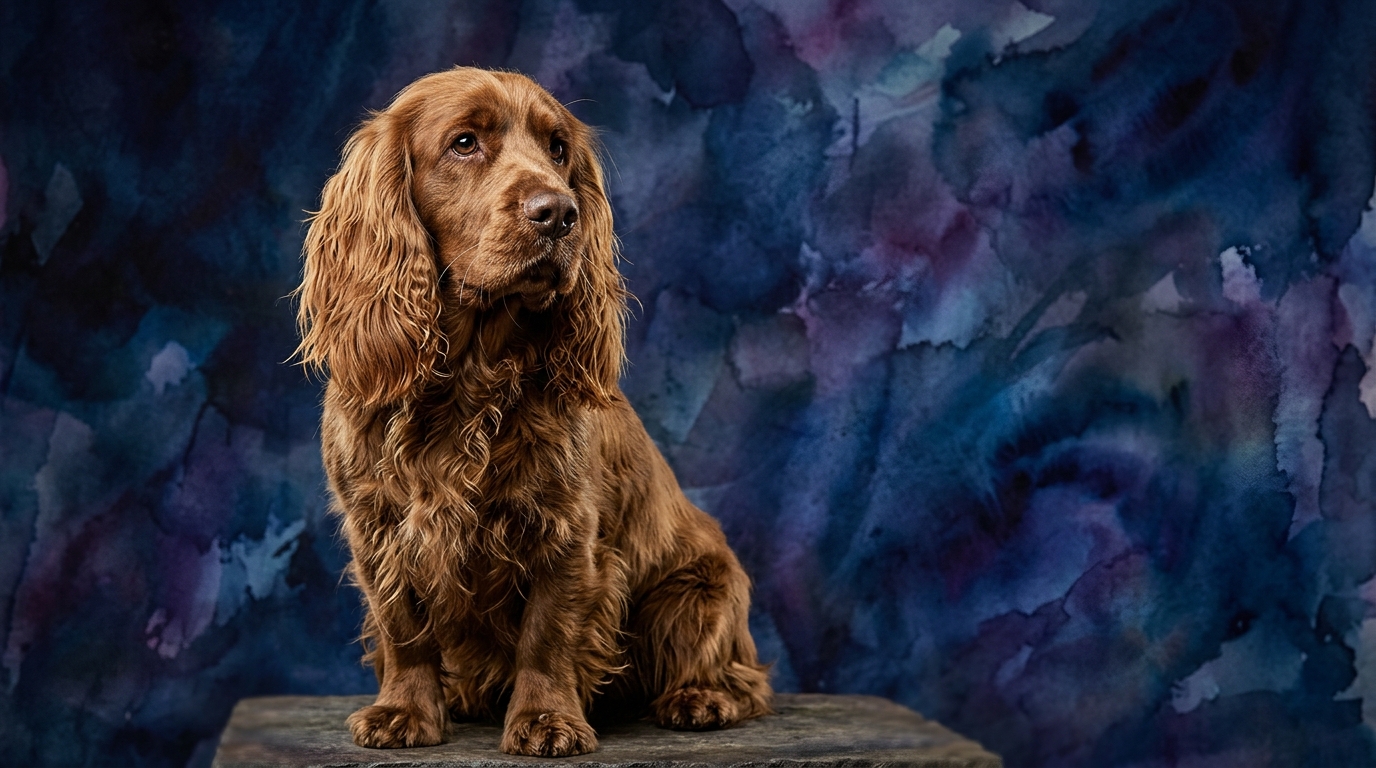
The Sussex Spaniel (Sporting, Coren rank #62) presents a different cognitive emphasis within similar scores. Its Problem Solving is 3/5, exhibiting an average aptitude for tackling new problems; their methodical, gundog nature allows for persistence, even if not rapid innovation. Training Speed is 3/5, meaning they learn commands at an average rate, and their eagerness to please combined with a steady temperament makes them receptive to patient, engaging training. Social Intelligence is 3/5; while affectionate with family, they are moderately attuned to subtle human cues, appreciating interaction but not always displaying intense emotional mirroring. Instinctive Drive is also 3/5, present but not overwhelming, often manifesting as an interest in scent work, retrieving, or purposeful exploration, reflecting their historical role. Their Memory score is 3/5, an average capacity for retaining training and routines, meaning while they remember important experiences, consistent reinforcement is key for long-term recall.
Where Chihuahua Wins Cognitively
The Chihuahua distinguishes itself with superior social intelligence and memory. Their 4/5 social intelligence indicates a profound ability to interpret human body language, vocal tones, and emotional states. This means a Chihuahua is often keenly aware of their owner's mood, quickly adapting behavior to comfort, solicit attention, or even anticipate needs, demonstrating a nuanced understanding of their human companion's inner world. This heightened social awareness fosters an exceptionally deep and responsive bond, making them incredibly intuitive pets.
Furthermore, their 4/5 memory score provides a distinct cognitive edge, allowing them to quickly establish complex routines, associate specific words with actions, and retain detailed information about their environment and the people within it. They are adept at remembering where favorite toys are hidden, specific times for walks or meals, and the preferences of different family members. This robust memory contributes to their adaptability and their capacity to navigate intricate social dynamics within a household, often requiring fewer repetitions to solidify learned behaviors over the long term.
Where Sussex Spaniel Wins Cognitively
While individual cognitive scores for the Sussex Spaniel are generally on par with or slightly lower than the Chihuahua's, the Sussex Spaniel's Coren rank of #62 (compared to the Chihuahua's #67) suggests a subtle yet significant advantage in working and obedience intelligence. This higher rank, derived from a broader evaluation of a breed's ability to understand and obey commands, indicates Sussex Spaniels tend to learn and execute instructed tasks with slightly greater reliability and consistency when given sufficient training. This isn't necessarily about innate problem-solving prowess in novel situations, but rather their capacity to absorb and perform specific duties.
This slight edge in overall working intelligence likely stems from their historical role as gundogs. Sussex Spaniels were selectively bred to work alongside hunters, requiring a steady temperament and a willingness to follow directions over extended periods in varied environments. Their cognitive strength lies in their methodical approach and their ability to focus on a task once engaged, a trait less pronounced in breeds not specifically designed for such cooperative work. This implies a greater aptitude for sustained, directed learning and consistent application in structured contexts, rather than rapid, independent problem-solving.
Which is Easier to Train and Why
Both Chihuahuas and Sussex Spaniels score 3/5 in training speed, suggesting they learn new commands at an average pace. However, the approach to training and the factors influencing success differ significantly due to their distinct cognitive profiles and breed characteristics. The Chihuahua, with its 4/5 social intelligence, is often highly motivated by human attention and approval, which can make them eager to engage in training sessions. However, their strong personalities, coupled with their moderate instinctive drive (3/5) which can include territoriality, mean they can also be prone to stubbornness or distraction if not properly motivated. Training a Chihuahua often requires creativity, patience, and a deep understanding of their individual personality, leveraging their desire for connection while managing their independent streak. They respond exceptionally well to positive reinforcement that includes praise and affection, as these directly tap into their social intelligence. Consistency is paramount, as their good memory (4/5) means they will remember both desired behaviors and any lapses in training.
The Sussex Spaniel, despite a similar training speed score, often presents a different training dynamic. Their gundog heritage means they generally possess a more biddable nature and a willingness to work collaboratively with a handler. While their social intelligence is 3/5, they are still keen to please their family. Their methodical temperament and moderate instinctive drive (3/5), often directed towards scent work or retrieving, means they can be persistent in tasks. Training a Sussex Spaniel typically benefits from clear, consistent commands and a patient, gentle approach. They might not pick up new concepts instantly, but once they understand, they tend to perform reliably. Their average memory (3/5) means that regular, positive reinforcement and repetition are essential to solidify learning and ensure long-term retention. They are less likely to employ "cunning" social strategies during training, preferring a straightforward, task-oriented approach. Therefore, while both require commitment, the Sussex Spaniel might be perceived as "easier" for owners who prefer a dog that follows directions with less pushback, while the Chihuahua might be easier for owners who enjoy a highly interactive and responsive training partner, provided they can manage the breed's strong will.
Which Suits Active Owners vs Relaxed Owners
The choice between a Chihuahua and a Sussex Spaniel significantly depends on an owner's lifestyle, particularly regarding activity levels and the type of companionship sought. For the relaxed owner, the Chihuahua often presents a compelling option. Despite their energetic bursts, Chihuahuas are generally content with indoor living and shorter, frequent walks. Their small size makes them highly adaptable to apartment living, and their primary need is for close human companionship, which aligns perfectly with a more relaxed, home-centric lifestyle. An owner who enjoys cuddling on the couch, quiet evenings, and having a constant, highly socially intelligent companion by their side will find the Chihuahua incredibly fulfilling. While they do require mental stimulation to prevent boredom, this often comes in the form of interactive play, puzzle toys, and consistent social engagement rather than extensive outdoor adventures. Their strong memory and social intelligence mean they thrive on predictable routines and deep bonds within the home environment.
Conversely, the active owner is generally better suited to the Sussex Spaniel. As a member of the Sporting group, these dogs possess an inherent drive for activity and exploration, even with their moderate instinctive drive (3/5). While not hyperactive, they require regular, purposeful exercise to remain mentally and physically healthy. Long walks, opportunities for scent work, moderate hikes, or even participation in dog sports like obedience or tracking would be highly appreciated by a Sussex Spaniel. Their methodical problem-solving (3/5) and slightly higher Coren rank suggest they enjoy having a "job" or a consistent activity to engage their minds and bodies. An owner who enjoys spending time outdoors, values a companion for adventures, and is prepared to provide consistent mental and physical stimulation will find the Sussex Spaniel's steady temperament and cooperative nature a perfect match. They are less about constant cuddles and more about shared activities and a stable, companionable presence during excursions.
The Verdict
Choose the Chihuahua if you prioritize a highly socially attuned companion with an excellent memory, thriving on deep emotional connection and content with a predominantly indoor, yet stimulating, lifestyle.
Choose the Sussex Spaniel if you seek a steady, cooperative companion for regular outdoor activities, valuing a methodical temperament and a dog with a slightly higher aptitude for consistent obedience in structured settings.
🧠 Find Your Pet's IQ Score
Our Pet IQ Lab assessment covers 25+ tests across 5 cognitive dimensions — personalized to your breed.
Take the Full IQ Test →Frequently Asked Questions
Are Chihuahuas difficult to train due to their small size?
Chihuahuas are not inherently difficult to train, but their strong personalities and independence (despite high social intelligence) require consistent, positive reinforcement and patience. Their good memory means once they learn, they tend to retain it well, making early consistency key.
Do Sussex Spaniels require a lot of grooming?
Sussex Spaniels have a moderately long, dense coat that requires regular grooming to maintain its health and appearance. This includes brushing several times a week to prevent mats and occasional trimming, especially around their ears and feet, to ensure comfort and hygiene.
Which breed is better with children?
Neither breed is inherently "better" with children; suitability depends on individual temperament, socialization, and the children's behavior. Chihuahuas can be fragile and might be overwhelmed by boisterous children, while Sussex Spaniels are generally more tolerant and patient but still require supervision with very young children due to their size and potential for accidental bumps.