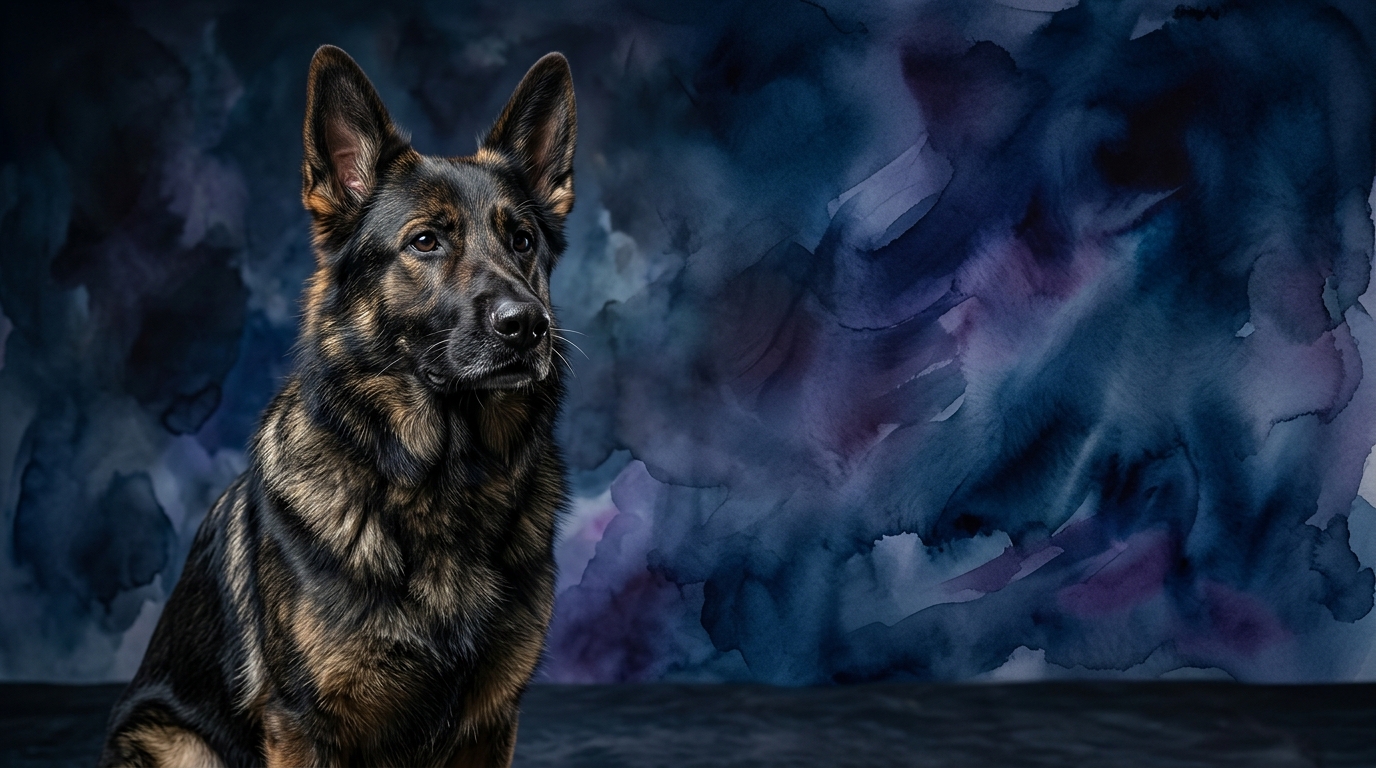
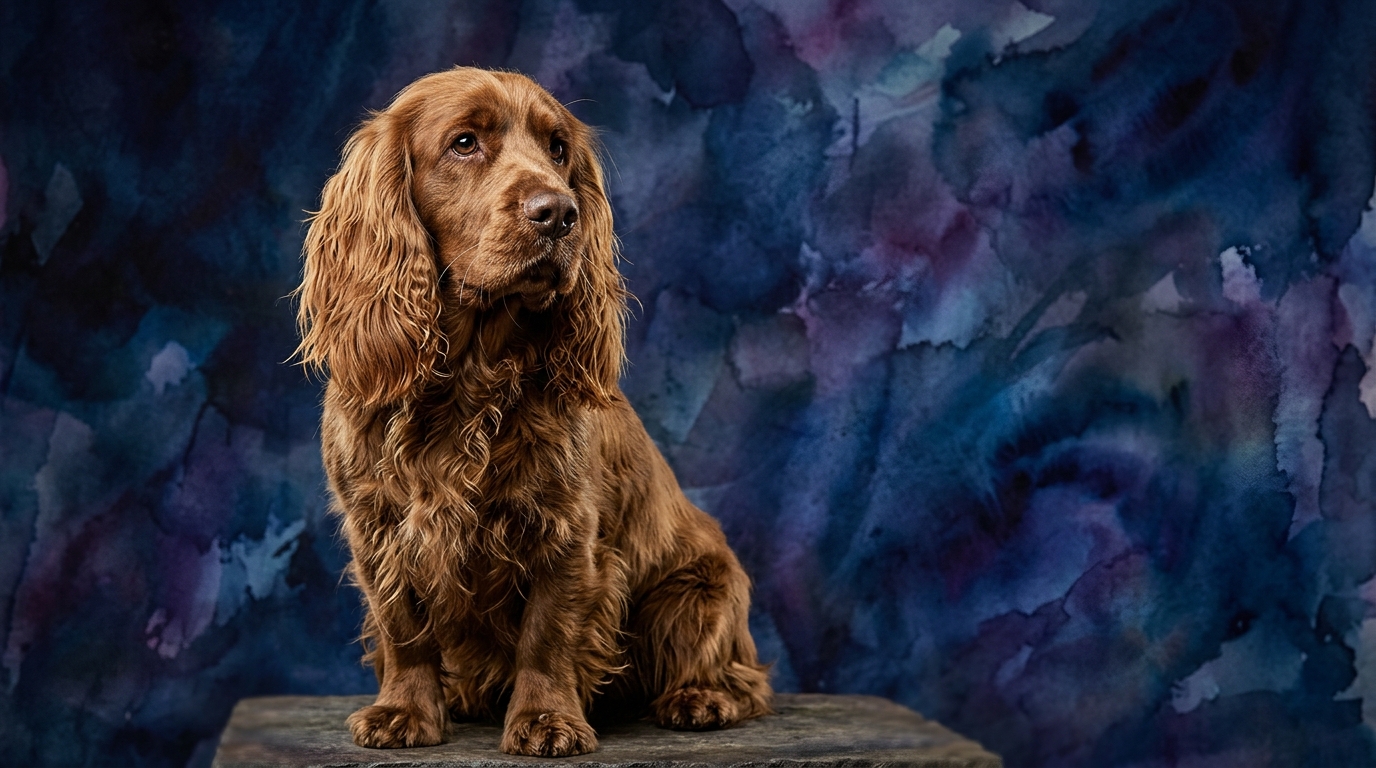
Side-by-Side Cognitive Profile
The Cosmic Pet Pet IQ Lab provides a structured framework for understanding canine cognition, breaking down intelligence into five key dimensions. For the German Shepherd, a breed ranked #3 on Coren's scale, their profile consistently scores at the highest level. Their Problem Solving is rated 5/5, indicating an exceptional capacity to analyze novel situations and devise effective solutions, often demonstrating foresight in complex tasks. Training Speed is also 5/5, meaning they learn new commands and routines with remarkable rapidity, requiring minimal repetition to solidify understanding and execution. Social Intelligence is a perfect 5/5, reflecting a profound ability to interpret human cues, understand social hierarchies, and adapt behavior within group dynamics. Their Instinctive Drive, at 5/5, signifies powerful innate urges for herding, protection, and task fulfillment, channeling these into focused, purposeful actions. Finally, their Memory, also 5/5, ensures they retain information, commands, and experiences over extended periods, contributing to their consistent performance and adaptability.
In contrast, the Sussex Spaniel, a Sporting breed ranked #62 by Coren, presents a more moderate cognitive blueprint. Across all five dimensions, they consistently score 3/5. Their Problem Solving is rated 3/5, showing a moderate ability to navigate new challenges, often preferring familiar routines but capable of figuring out simpler puzzles with persistence. Training Speed at 3/5 indicates they require consistent, patient repetition to master new commands, learning at a steady but unhurried pace. Social Intelligence, also 3/5, means they interpret human emotions and intentions adequately, forming strong bonds but without the intricate social awareness of more collaborative breeds. Their Instinctive Drive, 3/5, reflects a moderate drive for flushing and retrieving, content with less intense work and more inclined towards companionship. Lastly, their Memory, at 3/5, suggests they retain learned behaviors and associations reasonably well, though complex sequences might require more reinforcement over time.
Where the German Shepherd Excels Cognitively
This breed's cognitive strengths are evident across the board. Their problem-solving ability, rated 5/5, allows them to excel in dynamic environments, quickly assessing and responding to changing conditions, whether it's navigating an agility course or managing a flock. This isn't just about following commands; it's about making independent, effective decisions. Coupled with a 5/5 training speed, they absorb complex sequences and abstract concepts with minimal repetition, making them adept at advanced obedience, protection work, and specialized service roles. Their 5/5 social intelligence means they are acutely attuned to human emotions and intentions, enabling them to anticipate needs and respond with remarkable empathy and precision, which is crucial for roles like assistance dogs. Furthermore, their 5/5 instinctive drive is a powerful asset, providing an inherent motivation to work and fulfill tasks, transforming complex challenges into engaging endeavors rather than frustrating obstacles. Finally, their 5/5 memory underpins all these traits, ensuring that learned behaviors, social cues, and problem-solving strategies are deeply ingrained and readily accessible, fostering consistency and reliability in their performance over a lifetime.
Where the Sussex Spaniel Shines Cognitively
While the German Shepherd's profile showcases broad cognitive dominance, the Sussex Spaniel's more moderate ratings (3/5 across all categories) point to a distinct cognitive advantage in specific contexts: their ability to exist contentedly with less constant cognitive stimulation. A Sussex Spaniel’s 3/5 problem-solving skill means they are not constantly seeking out complex mental puzzles to solve; they are more likely to enjoy a predictable routine without becoming bored or destructive due to understimulation. Their 3/5 training speed, while not rapid, allows for a more relaxed, gentle training approach that fosters a strong bond without the pressure of needing to master advanced tasks quickly. This slower learning pace can be an advantage for owners who prefer a more leisurely, less demanding training journey. Similarly, their 3/5 social intelligence and instinctive drive mean they are less prone to overthinking social situations or being overwhelmed by intense working demands. They are content with simple companionship and moderate activity, offering a calm, steady presence that requires less intricate cognitive management from their human companions. Their 3/5 memory is perfectly adequate for retaining essential house rules and beloved routines, contributing to their reputation as a steadfast, uncomplicated companion. The Sussex Spaniel excels in providing a comforting, low-key presence, where their cognitive profile aligns perfectly with a life of gentle enjoyment rather than demanding intellectual engagement.
Training Aptitude: Speed vs. Patience
The German Shepherd is unequivocally easier to train in the traditional sense of mastering commands and performing complex tasks. Their 5/5 training speed means they grasp new concepts and behaviors with remarkable alacrity, often requiring only a few repetitions to solidify a command. This efficiency stems from a combination of their keen intellect, strong desire to please, and intense focus. For instance, teaching a German Shepherd to "stay" in a distracting environment might take mere minutes or a few short sessions, as they quickly understand the concept of sustained attention and delayed gratification. Their 5/5 memory ensures that once learned, these commands are retained for life, requiring minimal refreshers. In contrast, the Sussex Spaniel, with a 3/5 training speed, requires a more patient, consistent, and reward-based approach. They will eventually learn, but the process is slower and calls for more repetition. Teaching a Sussex Spaniel the same "stay" command might involve numerous short sessions over several days or weeks, as their focus can be more easily diverted, and their innate drive is less about precision work and more about scent exploration. Their 3/5 memory means that while they retain information, it may not be as instantly recallable or as resilient to lack of practice as with a German Shepherd. The German Shepherd's inherent drive for purpose and their advanced social intelligence also make them more receptive to human direction and eager to collaborate, whereas a Sussex Spaniel might prioritize following an interesting scent over a handler's command, demonstrating a different kind of focus.
Matching Breeds to Lifestyles: Active vs. Relaxed Owners
The German Shepherd is a prime candidate for active owners who thrive on engagement and purpose. Their 5/5 instinctive drive demands outlets for their energy and intellect, making them ideal partners for activities like competitive obedience, agility, protection sports, or extensive hiking. An owner who can channel their problem-solving (5/5) and social intelligence (5/5) into structured training, complex tasks, and consistent mental stimulation will find a deeply rewarding and responsive companion. Without sufficient mental and physical engagement, a German Shepherd can become bored, potentially leading to undesirable behaviors born of understimulation. They require an owner who views dog ownership as an active partnership. Conversely, the Sussex Spaniel is an excellent match for relaxed owners seeking a steadfast, less demanding companion. Their moderate instinctive drive (3/5) means they are content with regular, but not intense, daily walks and moderate playtime. They don’t possess the same inherent need for constant "work" or complex problem-solving (3/5) to feel fulfilled. A Sussex Spaniel will happily join their owner for a leisurely stroll around the neighborhood or a relaxed afternoon in the garden, without the expectation of rigorous training sessions or high-octane activities. Their cognitive profile lends itself to a calmer household where consistent affection and a predictable routine are prioritized over constant mental challenges. They are less likely to create their own "jobs" if understimulated, preferring to simply be present.
The Verdict
Opt for a German Shepherd if you are an engaged, active owner prepared to dedicate significant time to advanced training, mental enrichment, and purposeful activities, seeking a highly collaborative and versatile partner.
Select a Sussex Spaniel if you prefer a more laid-back lifestyle, valuing a calm, affectionate companion who thrives on routine and moderate activity without the need for intense cognitive challenges or demanding training regimens.
🧠 Find Your Pet's IQ Score
Our Pet IQ Lab assessment covers 25+ tests across 5 cognitive dimensions — personalized to your breed.
Take the Full IQ Test →Frequently Asked Questions
Does a higher Coren rank always mean a "better" dog?
Not necessarily; a higher Coren rank indicates a dog's general working and obedience intelligence, meaning they typically learn commands faster and obey more consistently. It doesn't measure adaptability, independent problem-solving in novel situations, or suitability for specific companion roles, which are often more important for pet owners.
Can a Sussex Spaniel perform complex tasks like a German Shepherd?
While a Sussex Spaniel can certainly learn basic and intermediate commands, they lack the innate drive, problem-solving capacity, and rapid training speed of a German Shepherd for complex, multi-stage tasks or roles requiring independent decision-making in dynamic environments. Their forte lies more in companionship and moderate sporting activities.
How important is a dog's "instinctive drive" for a family pet?
Instinctive drive is crucial as it dictates a dog's inherent motivation and energy levels. A high drive, like the German Shepherd's, means they need outlets for their natural urges (herding, protection), which can be channeled into sports or training. A moderate drive, like the Sussex Spaniel's, means they are often content with less structured activity and are more naturally inclined towards a relaxed family life without constant "jobs."