Side-by-Side IQ Profile: Chihuahua vs. Swedish Vallhund
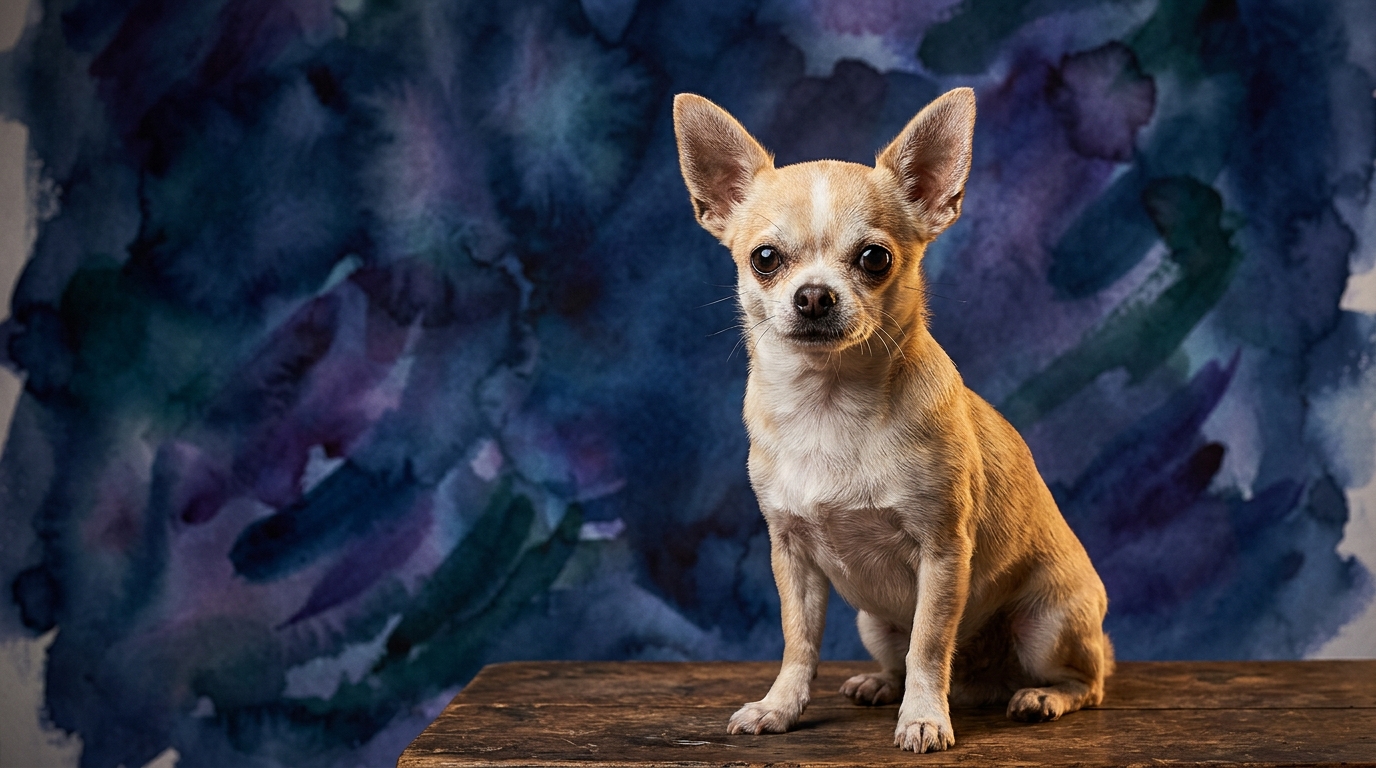
The Cosmic Pet Pet IQ Lab offers a fascinating look into the minds of the Chihuahua and the Swedish Vallhund. The Chihuahua, a Toy breed, is Coren-ranked #67, scoring 3/5 in problem-solving and training speed, indicating a moderate capacity for learning and navigating new situations. Its standout features are a 4/5 in social intelligence, reflecting an exceptional ability to read human cues, and a 4/5 in memory, allowing for impressive retention of experiences and routines. Instinctive drive is rated 3/5, present but not dominating.
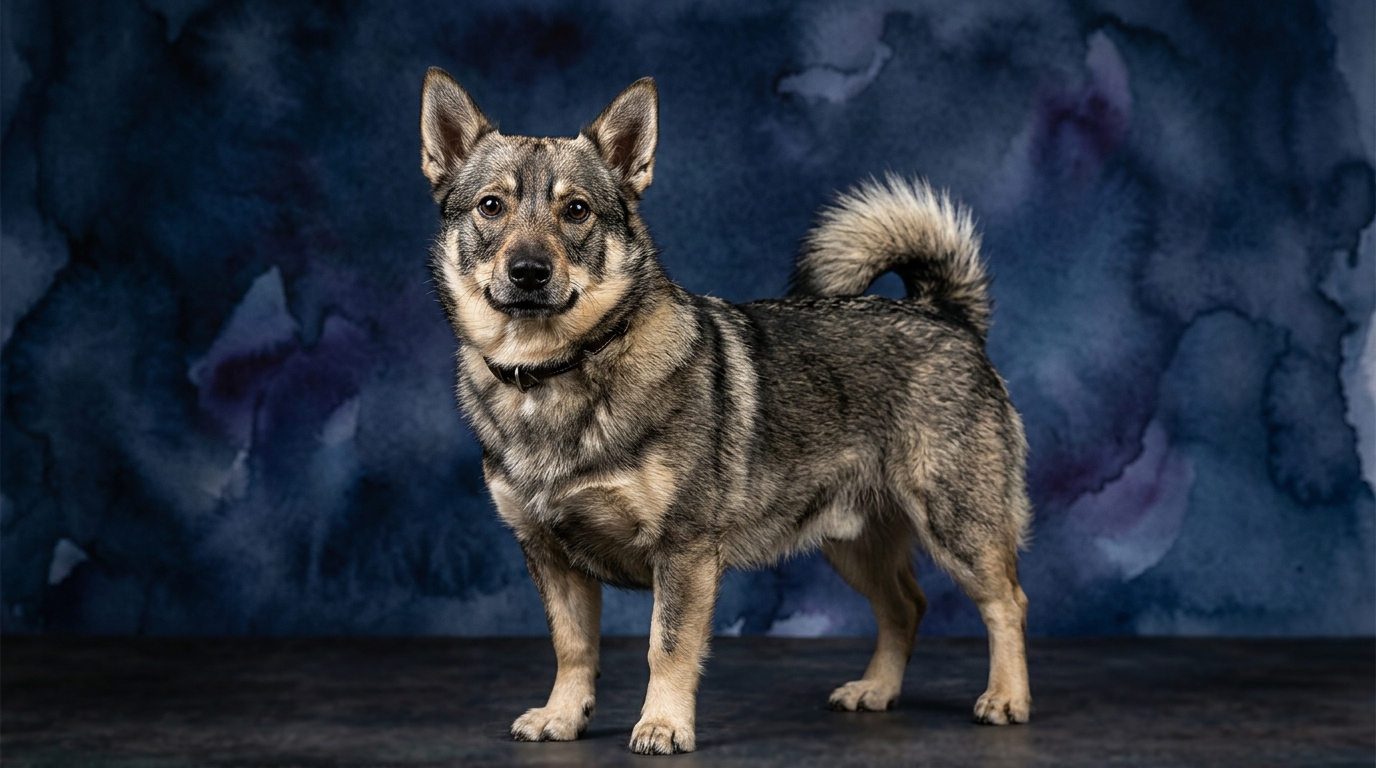
The Swedish Vallhund, a Herding breed not Coren-ranked, presents a consistent profile with 3/5 across problem-solving, training speed, social intelligence, instinctive drive, and memory. This indicates a balanced, practical intellect. Their problem-solving is geared towards environmental challenges, and their training speed suggests a steady learning pace. Social intelligence is competent, forming strong family bonds, while their instinctive drive reflects their working heritage. Their memory is solid for retaining commands and routines.
Where the Chihuahua Wins Cognitively
The Chihuahua’s cognitive strengths primarily lie in its superior social intelligence and memory. With a 4/5 in social intelligence, they possess a nuanced ability to interpret human emotions and intentions, adapting their behavior to their owner's mood or needs. This goes beyond simple learned responses; it's an intuitive grasp of social dynamics, allowing them to provide comfort or seek engagement at precisely the right moment. For example, a Chihuahua might instinctively offer quiet companionship when an owner is stressed, showcasing a deep empathetic connection.
Their 4/5 memory score further enhances this social acumen. They retain not just commands, but also complex social interactions and the associated human reactions, leading to quick adaptation to household rules and an impressive recall of specific individuals and their temperaments. This robust memory, particularly for social contexts, allows Chihuahuas to anticipate outcomes and adjust their behavior, making them highly perceptive and deeply integrated family members.
Where the Swedish Vallhund Wins Cognitively
While the Pet IQ Lab scores show identical 3/5 ratings for problem-solving, training speed, and instinctive drive, the Swedish Vallhund's Herding heritage shapes how these attributes are applied. Their problem-solving, for instance, is often directed towards practical, environmental challenges, such as navigating obstacles or figuring out efficient routes for a task. This pragmatic intelligence is rooted in their working background, excelling in scenarios requiring interaction with their physical surroundings to achieve a goal, rather than subtle social interpretation.
Their instinctive drive, also at 3/5, manifests as a persistent desire for purpose and engagement. It's a drive for doing, whether herding, agility, or scent work, providing robust mental stamina. This isn't satisfied by mere affection; it requires structured activities that offer a sense of accomplishment. This inherent drive, combined with their practical problem-solving, allows Vallhunds to excel in tasks demanding focus, endurance, and a methodical approach, making them adept at learning and performing complex, multi-step activities in a functional context.
Which is Easier to Train and Why
Both breeds have a 3/5 training speed, but their motivations and training approaches differ. The Chihuahua, with its 4/5 social intelligence and 4/5 memory, responds exceptionally well to positive reinforcement that leverages their strong desire for human connection and approval. Training for them often becomes a social bonding experience, where their bond with the owner is a primary motivator. Their sensitivity to tone and body language, interpreted through their high social intelligence, makes consistency and clear communication paramount. They retain commands effectively due to their strong memory, making them quick learners of household routines and social cues.
The Swedish Vallhund, while receptive, thrives on training that taps into its 3/5 instinctive drive and practical problem-solving. As a herding breed, they respond best to engaging, active, and purposeful training that provides a job. Their motivation is often task-oriented—earning a play session or a chance to "work"—rather than solely social affirmation. Their slightly lower social intelligence (3/5) compared to the Chihuahua suggests they might require more direct and clear instructions, less reliant on subtle emotional cues. So, while both learn, the style of training and the types of behaviors they find easiest to master diverge significantly.
Which Suits Active Owners vs. Relaxed Owners
For active owners, the Swedish Vallhund stands out. Their herding background imbues them with considerable energy and a need for consistent mental and physical engagement. They thrive in activities like agility, competitive obedience, or extensive hiking, where their instinctive drive and practical problem-solving can be channeled productively. Owners who can provide structured activities and a sense of purpose will find a cooperative and fulfilled companion in a Vallhund, making them excellent partners for an energetic lifestyle.
Conversely, the Chihuahua often aligns better with relaxed owners or those seeking a more sedentary companion. While they enjoy play and walks, their exercise requirements are generally modest due to their lower instinctive drive compared to working breeds. Their primary need is close companionship and social interaction. They are ideal for individuals who are home frequently and desire a dog deeply integrated into their daily life, often content to snuggle. Their strong memory and social intelligence allow them to adapt seamlessly to household rhythms, making them adaptable to various relaxed lifestyles, provided they receive ample affection and attention.
The Verdict
Choose a Chihuahua if you seek a highly perceptive, socially intuitive companion who thrives on close connection and offers deep emotional bonds within a relaxed home environment.
Opt for a Swedish Vallhund if you desire an active, purposeful partner eager for structured tasks and physical challenges, and you can provide consistent mental and physical engagement.
🧠 Find Your Pet's IQ Score
Our Pet IQ Lab assessment covers 25+ tests across 5 cognitive dimensions — personalized to your breed.
Take the Full IQ Test →Frequently Asked Questions
Are Chihuahuas difficult to train due to their small size?
Not necessarily. While their training speed is moderate (3/5), their high social intelligence (4/5) and memory (4/5) mean they respond well to positive reinforcement and consistency, especially when it strengthens their bond with their owner. The key is making training engaging and rewarding.
Do Swedish Vallhunds require a lot of exercise?
Yes, as a herding breed with a 3/5 instinctive drive, Swedish Vallhunds benefit from regular, purposeful exercise and mental stimulation. Daily walks are a start, but they truly thrive with activities like agility, obedience, or herding games that challenge their practical intelligence and fulfill their drive.
How does the Coren rank affect this comparison?
The Coren rank, which places Chihuahuas at #67, primarily assesses working and obedience intelligence, focusing on how quickly a dog learns commands. The Swedish Vallhund is not Coren-ranked, but its 3/5 training speed suggests a similar moderate learning curve, though its herding instincts might make certain obedience tasks more natural for it.