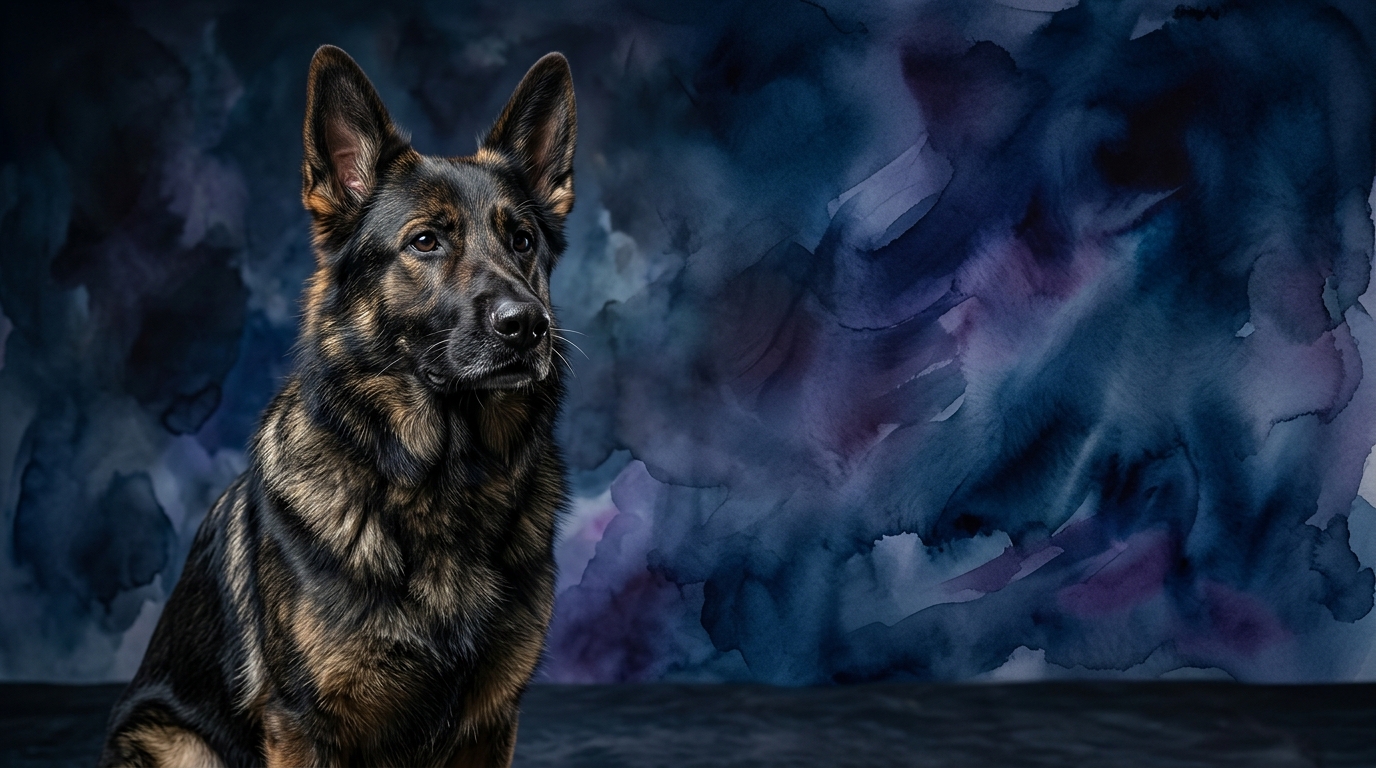
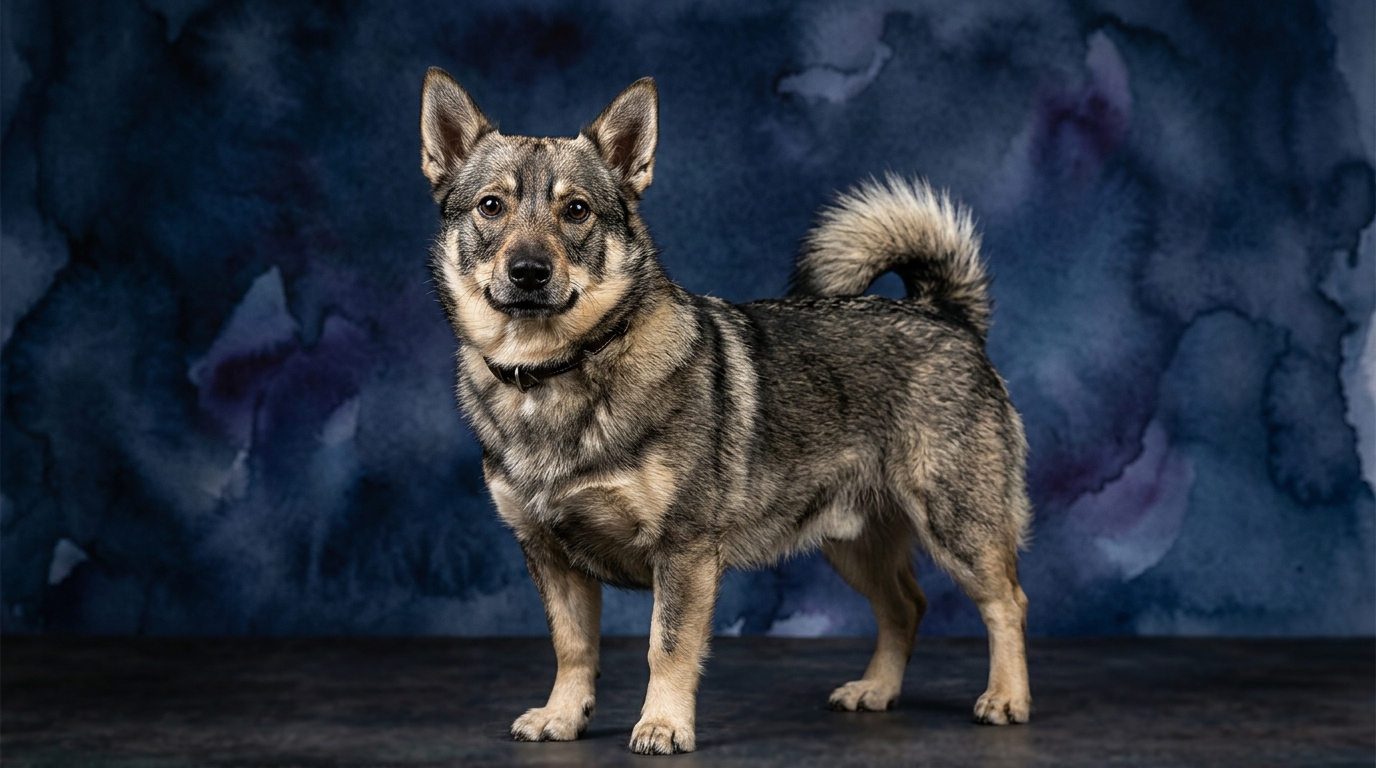
Side-by-Side IQ Profile: German Shepherd vs. Swedish Vallhund
The Cosmic Pet Pet IQ Lab provides a structured framework to assess canine intelligence across five crucial dimensions. For the German Shepherd, these scores consistently reach the maximum, reflecting a breed developed for complex working roles. Their Problem Solving is rated 5/5, indicating an exceptional capacity to independently assess novel situations and devise multi-step solutions, evident in their roles as service dogs, police K9s, and search and rescue partners. Training Speed also scores 5/5, meaning they grasp new commands and intricate concepts with minimal repetition, making them highly receptive to advanced instruction. Social Intelligence at 5/5 highlights their profound ability to interpret human cues, understand social hierarchies, and adapt their behavior based on subtle interactions, fostering deep, responsive bonds. An Instinctive Drive of 5/5 denotes powerful, directed herding, guarding, and protective instincts that fuel their determination and work ethic. Finally, Memory at 5/5 ensures they retain a vast repertoire of commands, experiences, and associations over extended periods, contributing to their reliability and consistency.
In contrast, the Swedish Vallhund, though a capable herding breed, presents a different cognitive profile. They are not Coren-ranked, suggesting their unique talents may not align with standard obedience trial metrics or simply haven't been as broadly tested. Their Problem Solving is rated 3/5, indicating an ability to solve direct, practical challenges, particularly those related to their traditional farm work, but perhaps without the same capacity for complex, generalized strategizing as a German Shepherd. Training Speed at 3/5 suggests they learn new commands at a moderate pace, requiring consistent, positive reinforcement rather than instant assimilation. Social Intelligence scores 3/5, showing they connect well with their family and adapt to social situations, but may not possess the same nuanced understanding of human emotional states or complex social dynamics. Their Instinctive Drive is 3/5, characterized by a potent herding instinct, especially for nipping at heels, which is effective for livestock but might be less broadly applicable or intense than a German Shepherd's multifaceted drive. Lastly, Memory at 3/5 means they retain core commands and routines reliably, though perhaps not the extensive, detailed sequences a German Shepherd might.
Where the German Shepherd Excels Cognitively
The German Shepherd's cognitive architecture provides distinct advantages, particularly in roles demanding precision and adaptability. Their 5/5 Problem Solving means they can independently navigate intricate scenarios, such as tracking a scent through a varied landscape or identifying specific threats, often synthesizing information and adjusting strategies on the fly. This contrasts with a dog that might require more direct instruction for each new variable. Their unparalleled 5/5 Training Speed allows them to absorb and execute highly complex instructions rapidly, making them exceptionally responsive to advanced conditioning for tasks like scent detection, protection work, or competitive obedience routines. This capacity for quick learning frees up valuable training time and enables a broader scope of learned behaviors. Furthermore, their 5/5 Social Intelligence grants them a profound ability to interpret subtle human body language and vocal tones, allowing them to anticipate needs and react appropriately. This deep understanding is crucial for service roles where anticipating a handler's needs is paramount. Finally, the sheer intensity and focus of their 5/5 Instinctive Drive, when properly channeled, allows them to sustain demanding tasks requiring sustained vigilance or physical exertion for extended periods, a testament to their enduring work ethic and mental fortitude.
Where the Swedish Vallhund Shines Cognitively
While the German Shepherd boasts higher scores across the board, the Swedish Vallhund's cognitive strengths lie in their specialized adaptations and distinct approach to problem-solving, making them shine in their own right. Their Problem Solving 3/5, though lower, is perfectly calibrated for their original farm duties; they are adept at making quick, practical decisions related to livestock management, like maneuvering around hooves or finding the most efficient path through a crowded pen, often leveraging their unique physique for specific solutions. This indicates a highly effective, context-specific intelligence. Their Instinctive Drive 3/5, focused primarily on heel-nipping herding, is potent yet typically more contained than the German Shepherd's broad drive, making it a powerful tool for specific tasks without demanding the same intense, multi-faceted mental engagement from an owner for redirection. Furthermore, their moderate Social Intelligence 3/5 often translates to a directness in interaction, making their needs and intentions relatively clear. This can be a cognitive "win" for owners seeking a less complex emotional bond or who prefer a dog that isn't constantly analyzing subtle human cues, allowing them to remain resourceful and independent without becoming overly reliant on human direction for every small decision.
Which is Easier to Train and Why
Determining which breed is 'easier' to train depends heavily on the owner's experience and training goals. The German Shepherd, with 5/5 scores in Training Speed, Social Intelligence, and Memory, is exceptionally receptive to learning complex commands and routines. They grasp new concepts quickly and retain them over long periods, making them ideal for advanced obedience, specialized work, or competitive dog sports where precision and consistency are paramount. Their eagerness to engage and their deep understanding of human direction mean they often thrive under structured, consistent training. However, their intense instinctive drive and substantial physical and mental energy demand a highly skilled, experienced handler who can provide consistent guidance and channel their considerable focus, otherwise, their cognitive prowess can manifest as destructive behavior or anxiety if not properly stimulated.
The Swedish Vallhund, with 3/5 scores across the board, requires a different approach to training. They learn at a moderate pace, meaning owners should be prepared for more repetition and patience compared to a German Shepherd. Their herding instinct, specifically the tendency to nip at heels, requires early and consistent management to prevent it from becoming an issue, especially with children. While they may not excel at complex, multi-stage tasks as readily as a German Shepherd, they are certainly trainable for basic obedience and household manners with positive reinforcement. For an average owner seeking a companion dog, the Vallhund's moderate scores can actually be an advantage; they are less likely to demand the same rigorous mental and physical training regimen as a German Shepherd, making them a more manageable option for those new to dog ownership or seeking a less intense training commitment. They can exhibit an independent streak, sometimes interpreting commands rather than executing them precisely, which requires an owner to appreciate their unique cognitive approach.
Matching Breeds to Lifestyles: Active vs. Moderately Active Owners
The cognitive and physical demands of these two breeds necessitate careful consideration of an owner's lifestyle. German Shepherds are unequivocally suited for active owners who can provide consistent, vigorous physical exercise and extensive mental stimulation. Their 5/5 instinctive drive and high problem-solving capacity mean they require a 'job' to do, whether it's advanced training, dog sports like agility or protection work, or long, challenging hikes. A relaxed or sedentary owner will quickly find a German Shepherd becoming bored, anxious, or destructive, as their substantial cognitive and physical needs go unmet. They thrive when given purpose and structure, demanding an owner who is equally engaged and committed to their development.
The Swedish Vallhund can also thrive with active owners but is generally more adaptable to a moderately active lifestyle. Their 3/5 instinctive drive means they need regular, daily exercise such as brisk walks, playtime in a secure yard, or engaging in some herding-focused games. While they enjoy being involved in family activities and appreciate learning new things, they typically do not require the same intensity or duration of 'work' as a German Shepherd. A Vallhund is often content after a good walk and some mental engagement like puzzle toys or sniffing games, rather than needing to perform complex, sustained tasks for hours. While they are not couch potatoes, their cognitive and physical demands are more manageable for owners who might not dedicate every waking hour to dog-centric activities but can still provide consistent engagement and exercise.
The Verdict: When to Choose Each Breed
The Verdict
Choose the German Shepherd if you are an experienced, active owner seeking a dedicated working partner, a canine athlete for advanced sports, or a deeply bonded protector who thrives on complex tasks and constant, high-level engagement.
Opt for the Swedish Vallhund if you appreciate an independent, resourceful companion with a lively spirit, a moderate exercise requirement, and a unique, ancient lineage, suitable for a well-rounded family life with consistent, positive training.
🧠 Find Your Pet's IQ Score
Our Pet IQ Lab assessment covers 25+ tests across 5 cognitive dimensions — personalized to your breed.
Take the Full IQ Test →Frequently Asked Questions
Are Swedish Vallhunds good family dogs?
Yes, Swedish Vallhunds generally make affectionate and engaged family companions. Their moderate social intelligence allows them to bond well with all family members, though their herding instincts might lead them to playfully 'herd' children by nipping at heels, requiring gentle guidance.
Do German Shepherds need a lot of mental stimulation?
Absolutely; German Shepherds thrive on extensive mental engagement. Their 5/5 problem-solving and memory scores mean they require complex tasks, advanced training, and stimulating activities to prevent boredom and channel their substantial cognitive energy constructively.
What are the key differences in their herding styles?
German Shepherds often employ a 'boundary' herding style, using their presence and bark to move livestock from a distance, while Swedish Vallhunds, with their low stature, are 'heelers,' nipping at the heels of animals to direct them. This difference reflects their distinct physical and instinctive adaptations to their original herding roles.