Side-by-Side IQ Profile: Chihuahua vs. Westie
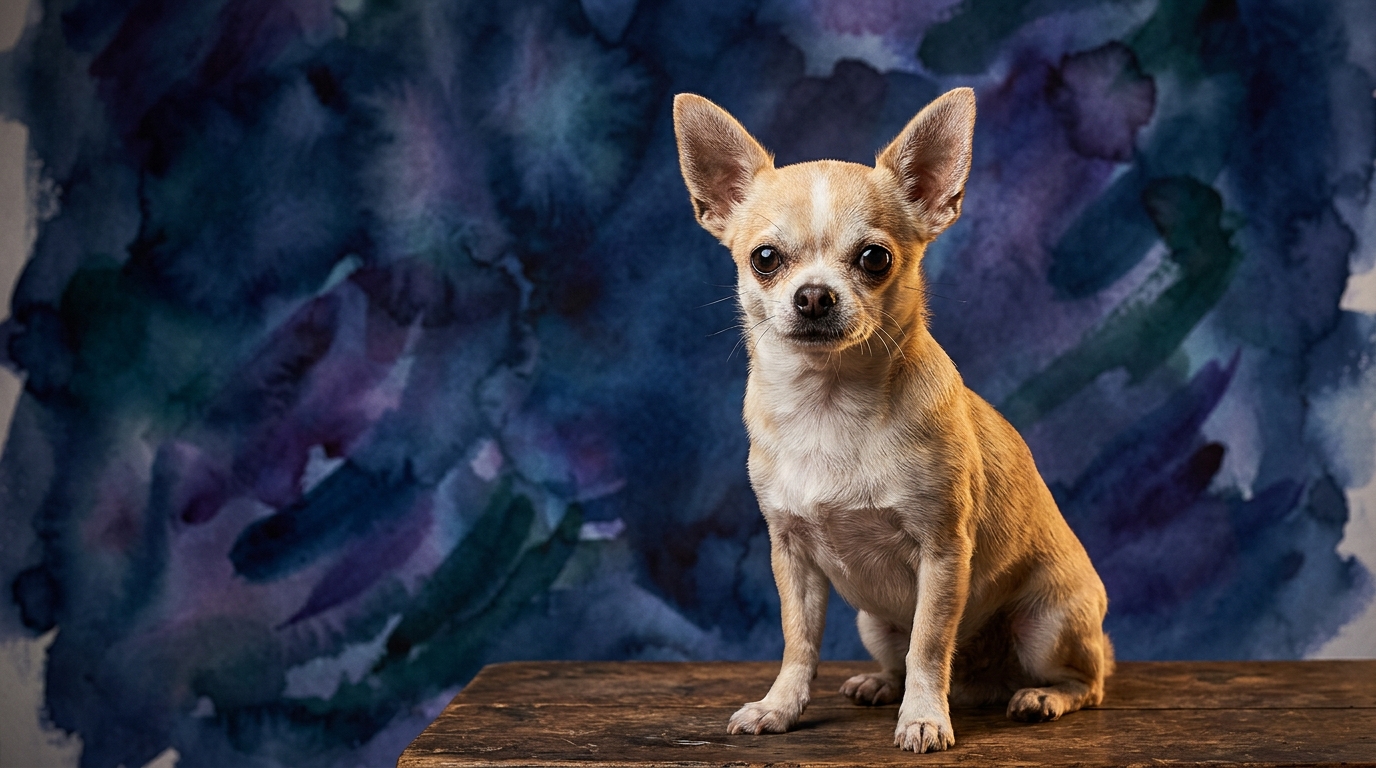
At The Cosmic Pet Pet IQ Lab, we evaluate canine intelligence across five key dimensions, offering a nuanced look beyond simple obedience. For the Chihuahua, ranked #67 by Coren, its cognitive profile reveals distinct strengths: Problem Solving 3/5, Training Speed 3/5, Social Intelligence 4/5, Instinctive Drive 3/5, and Memory 4/5.
A Chihuahua's Problem Solving at 3/5 indicates they can grasp simpler cause-and-effect scenarios, often learning how to manipulate situations to their advantage, particularly if it involves gaining attention or comfort. Their Training Speed, also 3/5, suggests they learn new commands at a moderate pace, thriving on positive reinforcement and individual attention, though their small stature can sometimes lead owners to be less rigorous, inadvertently allowing inconsistent behaviors.
The Chihuahua truly shines in Social Intelligence at 4/5, displaying a remarkable ability to read human emotions, subtle cues, and household dynamics, fostering exceptionally deep and intuitive bonds. Their Instinctive Drive of 3/5 leans more towards alert barking and occasional chasing of small, fast-moving objects, rather than sustained prey pursuit. Finally, their Memory at 4/5 is robust, allowing them to recall routines, people, and past experiences with impressive detail, solidifying their attachments and understanding of their personal world.
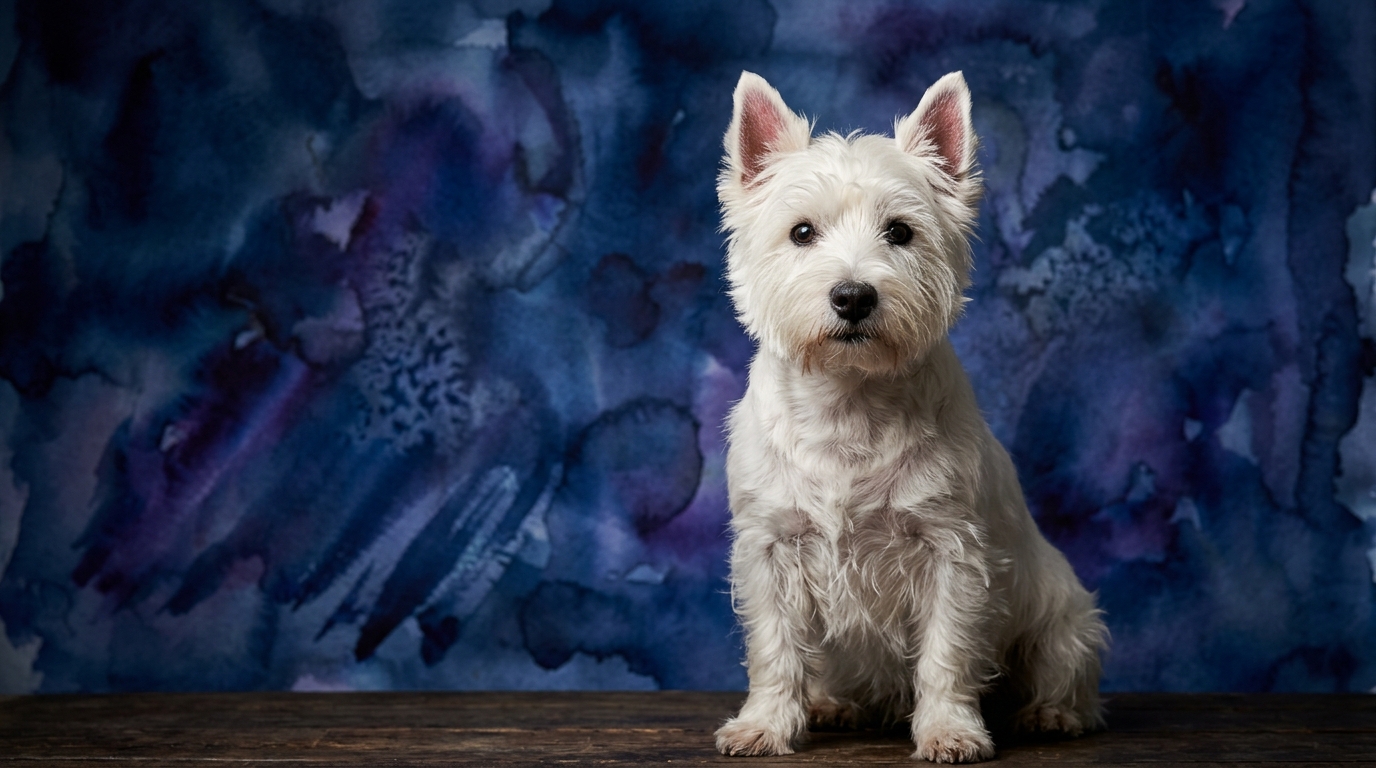
In contrast, the West Highland White Terrier, with a Coren ranking of #47, presents a different cognitive landscape: Problem Solving 3/5, Training Speed 3/5, Social Intelligence 3/5, Instinctive Drive 3/5, and Memory 4/5. While sharing some scores, the *nature* of these abilities differs significantly, shaped by their terrier heritage.
The Westie's Problem Solving at 3/5 manifests as a tenacious, investigative approach, often involving figuring out how to access interesting areas or retrieve hidden items, driven by their innate curiosity. Their Training Speed of 3/5 means they learn at a moderate pace, but their independent spirit demands engaging, consistent training methods that appeal to their problem-solving instincts rather than relying solely on eagerness to please.
Social Intelligence for the Westie stands at 3/5; they are generally friendly and enjoy interaction but are less overtly sensitive to nuanced human emotional shifts compared to the Chihuahua, preferring more direct and playful engagement. Their Instinctive Drive, also 3/5, is strongly rooted in their terrier purpose—digging, chasing, and a robust investigative nature that influences much of their behavior. Their Memory at 4/5 is reliable, enabling them to retain training, recall past events, and understand spatial layouts, contributing to their confident and self-assured demeanor.
Where Chihuahua Wins Cognitively
The Chihuahua undeniably holds a cognitive edge in the realm of social intelligence and its application. With a 4/5 score in Social Intelligence compared to the Westie's 3/5, Chihuahuas possess a heightened perceptual acuity for human emotions and social dynamics. They often anticipate their owner's needs or moods with remarkable accuracy, making them deeply intuitive companions.
This superior social cognition allows Chihuahuas to form intensely personal and empathetic bonds, frequently interpreting subtle shifts in tone or body language that might go unnoticed by other breeds. Their memory, also a strong 4/5, is often employed in recalling specific positive and negative social interactions, contributing to their discerning nature regarding strangers and their unwavering loyalty to their chosen people. This combination fosters a unique ability to integrate into the emotional fabric of a human family.
Where West Highland White Terrier Wins Cognitively
While sharing several scores, the West Highland White Terrier demonstrates distinct cognitive strengths rooted in their terrier lineage, particularly in the application of problem-solving and instinctive drive. Their higher Coren ranking (#47 vs. #67) suggests a broader capacity for understanding and obeying new commands more consistently when properly motivated and engaged.
The Westie's 3/5 in Problem Solving, though numerically identical to the Chihuahua's, often manifests as a more tenacious and physically oriented drive to overcome environmental challenges. They excel at figuring out how to get to a desired location, unraveling hidden toy puzzles, or persistent digging, showcasing a robust, self-directed cognitive approach. This practical, goal-oriented problem-solving, coupled with their strong instinctive drive, makes them highly capable at tasks requiring persistence and independent thought in their physical surroundings.
Which is Easier to Train and Why
Both Chihuahuas and Westies receive a 3/5 for Training Speed, indicating they learn at a moderate pace, but the ease of training them diverges significantly due to their inherent behavioral patterns. Chihuahuas, with their high social intelligence and strong desire for companionship, can appear easier to train initially because they are often eager to please their primary caregiver and respond well to affection-based rewards.
However, their small size can lead owners to inadvertently overlook or excuse inconsistent behaviors, such as house training lapses or excessive barking, making true, reliable obedience a challenge without rigorous consistency. They can also be prone to distraction or selective hearing if not sufficiently motivated, often using their charm to get their way. Effective Chihuahua training leverages their social bond and positive reinforcement tied to attention and treats.
West Highland White Terriers, conversely, present a different training dynamic. Their strong independent streak and inherent terrier instincts for digging and chasing mean they require a firm, consistent, and engaging training approach. While they retain information well (Memory 4/5), their willingness to comply often depends on their motivation and whether the task appeals to their problem-solving nature.
Training a Westie requires patience, humor, and making learning a stimulating game to counter their self-directed temperament. They are less likely to be swayed purely by affection and respond best to methods that challenge their intellect and provide mental stimulation. Neither breed is inherently 'easy' to train without dedication, but the Chihuahua might be more responsive to social cues, while the Westie requires more creative and persistent engagement to channel their independent spirit.
Which Suits Active Owners vs. Relaxed Owners
The choice between a Chihuahua and a Westie also hinges on an owner's lifestyle and activity level. Chihuahuas, despite their often energetic bursts, are quite adaptable and can comfortably suit both relaxed and moderately active owners. A relaxed owner will appreciate their lap-dog tendencies, deep social attentiveness, and capacity for quiet companionship.
Their small size makes them incredibly portable, allowing more active owners to easily include them in walks, errands, and even travel without requiring extensive physical exertion. While they enjoy playtime and short walks, their energy needs are generally modest and easily met indoors or with brief outdoor excursions.
West Highland White Terriers, with their robust terrier instincts and need for engagement, are generally better suited for more active owners. Their persistent energy and inquisitive nature mean they thrive on regular physical activity, such as brisk walks, playtime, and opportunities for exploration in secure areas. They require outlets for their innate drive to sniff, investigate, and sometimes dig.
A relaxed owner who cannot provide consistent mental and physical stimulation might find a Westie's persistent energy and need for engagement challenging, potentially leading to boredom-induced behaviors like excessive barking or destructive chewing. Westies flourish in environments where their intelligence and zest for life are regularly channeled into engaging activities.
The Verdict
Choose a Chihuahua if you seek a highly socially attuned companion who thrives on close interaction, understands subtle cues, and is content with moderate activity, fitting seamlessly into a relaxed home environment.
Opt for a West Highland White Terrier if you appreciate an independent, persistent, and robust companion eager for exploration and mental challenges, and who can provide consistent training and regular engaging activity.
🧠 Find Your Pet's IQ Score
Our Pet IQ Lab assessment covers 25+ tests across 5 cognitive dimensions — personalized to your breed.
Take the Full IQ Test →Frequently Asked Questions
Are Chihuahuas or Westies better for first-time dog owners?
Neither breed is inherently easier for a first-time owner, as both require specific approaches. Chihuahuas benefit from owners who can dedicate time to socialization and consistent training despite their small size. Westies need owners prepared for their independent nature and consistent engagement to manage their terrier drive.
Do Chihuahuas and Westies get along with other pets?
Chihuahuas can get along with other pets, especially if socialized early, but their strong bond with their owner can sometimes lead to protectiveness. Westies, with their terrier drive, might see smaller pets as prey and can be assertive with other dogs, requiring careful introductions and supervision, though many coexist peacefully with proper socialization.
What kind of mental enrichment do these breeds need?
Chihuahuas benefit from puzzle toys that offer treats for problem-solving, interactive games that involve their human, and learning new tricks to strengthen their bond. Westies thrive on activities that engage their investigative instincts, such as scent work, sturdy puzzle toys that allow them to 'dig' for treats, and agility or earthdog trials that channel their natural drive.