Side-by-Side IQ Profile: Poodle (Standard) vs. West Highland White Terrier
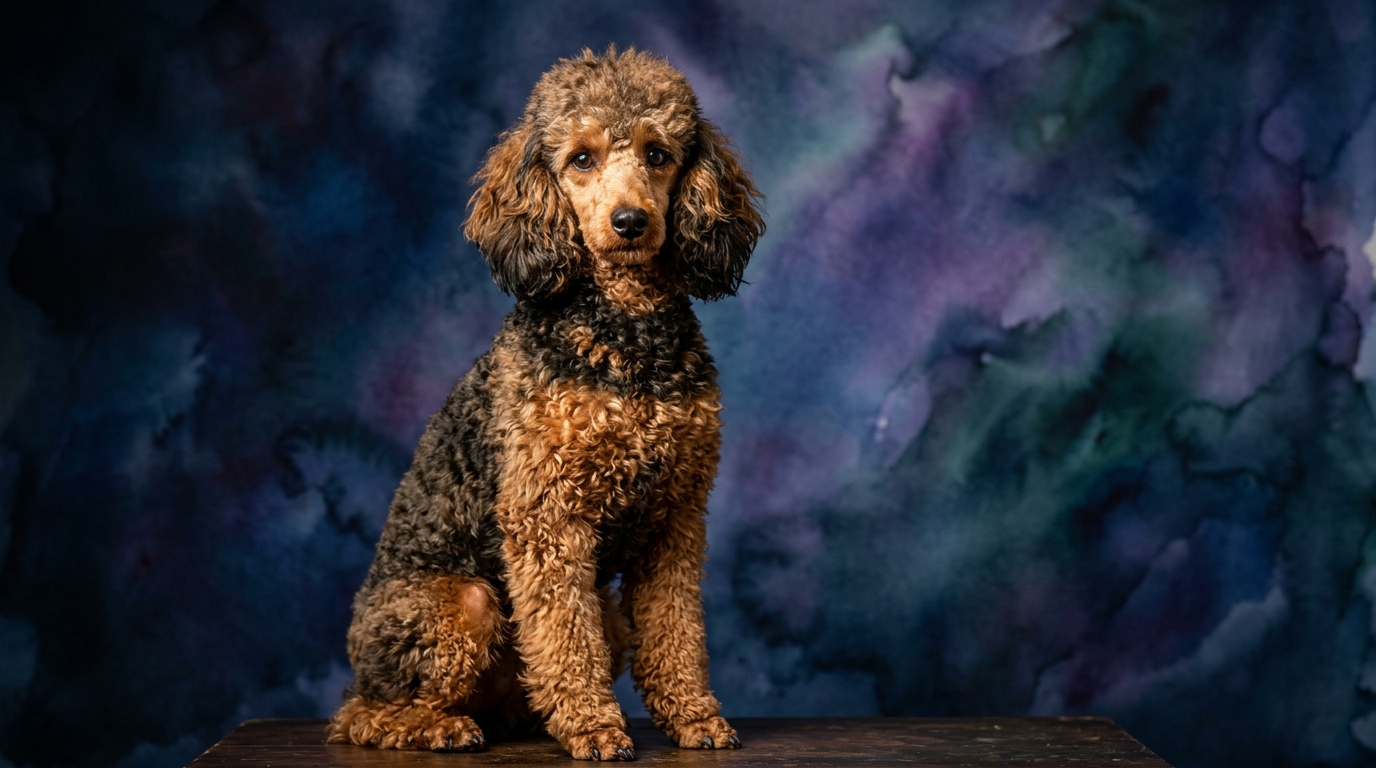
At The Cosmic Pet Pet IQ Lab, we evaluate canine cognition across five crucial dimensions, providing a nuanced understanding beyond simple rankings. The Standard Poodle, holding a Coren rank of #2, consistently demonstrates exceptional cognitive abilities across the board. Its Problem Solving score of 5/5 signifies an outstanding capacity to analyze novel situations, devise effective strategies, and adapt to changing circumstances. A Training Speed of 5/5 indicates an extraordinary aptitude for quickly grasping and retaining new commands and complex routines, often requiring minimal repetitions. Social Intelligence, also rated 5/5, highlights their profound attunement to human emotional states, body language, and social structures, making them highly responsive and communicative companions. While not as dominant as their other traits, an Instinctive Drive of 4/5 reflects strong natural predispositions, particularly for retrieving and water work, which are channeled effectively. Finally, a Memory score of 5/5 means they possess an enduring recall for learned behaviors, specific individuals, and environmental details over extended periods.
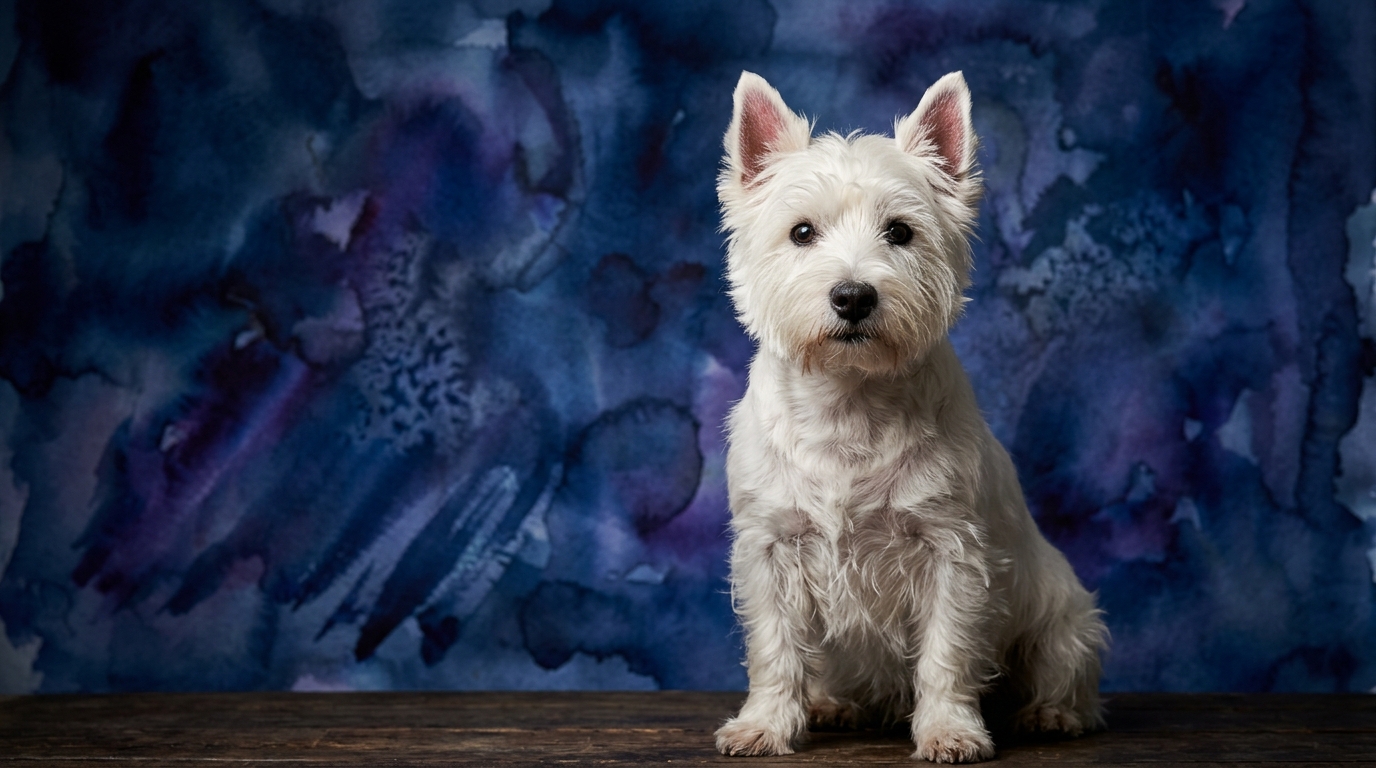
In contrast, the West Highland White Terrier, with a Coren rank of #47, presents a different, yet equally compelling, cognitive profile shaped by its working terrier heritage. Its Problem Solving score of 3/5 suggests a moderate ability to navigate challenges, often relying on persistent trial and error rather than abstract reasoning, especially when motivated by instinct. A Training Speed of 3/5 means they learn at a steady pace, requiring consistent and engaging methods, as their independent nature can sometimes lead to selective hearing. Their Social Intelligence, rated 3/5, indicates a solid understanding of basic human interactions but often with a strong sense of self-interest; they are companions, but not necessarily people-pleasers to the same degree as some breeds. A defining characteristic is their Instinctive Drive of 3/5, which, while numerically lower than the Poodle's, is intensely focused on traditional terrier tasks such as digging, chasing small prey, and exploring, often driving their actions. Their Memory, at a respectable 4/5, shows good retention for routines, familiar faces, and places, though perhaps less capacity for complex, multi-step sequences over time compared to the Poodle.
Where the Standard Poodle Wins Cognitively
The Standard Poodle’s cognitive strengths are particularly evident in its capacity for advanced learning and nuanced social interaction. With a Problem Solving score of 5/5, a Poodle is adept at tasks requiring inference and planning, such as figuring out how to manipulate complex latches or solving intricate puzzle toys designed for canine enrichment. This contrasts with a Westie, who might approach such a puzzle with determined but less strategic effort. Their 5/5 Training Speed means they can master a wide array of commands, from basic obedience to intricate freestyle routines, often after only a handful of repetitions, making them exceptional candidates for competitive dog sports like agility, obedience, and rally. Furthermore, their 5/5 Social Intelligence allows them to pick up on the most subtle human cues – a slight shift in tone, a fleeting facial expression – enabling them to anticipate needs and respond with remarkable empathy and cooperation, a trait that lends itself well to therapy or service roles. This deep social attunement often translates into a keen desire to work collaboratively with their human companions, making them exceptionally biddable.
Where the West Highland White Terrier Wins Cognitively
While the West Highland White Terrier’s overall scores are lower, their cognitive profile represents a formidable set of skills honed for specific purposes, demonstrating a different kind of mental prowess. Their Problem Solving score of 3/5, while moderate, is frequently coupled with immense tenacity. A Westie might not deduce the most elegant solution to a problem, but they will persist, often for extended periods, to achieve their goal – whether it's digging under a fence, locating a hidden treat with their keen nose, or cornering a perceived 'prey.' This persistence is a cognitive advantage in specific scenarios where sheer determination outweighs complex abstract thought. Their Instinctive Drive, also 3/5, is a focused engine of their being, driving them to explore, hunt, and burrow. This isn't a flaw but a specialized form of intelligence, allowing them to excel at tasks requiring independent action and environmental engagement, such as scent work or earthdog trials. Unlike the Poodle's cooperative social intelligence, a Westie's 3/5 Social Intelligence fosters a delightful independence; they understand human interaction but often prioritize their own agenda or the thrill of a chase, a quality many owners appreciate in a self-reliant companion. Their 4/5 Memory is also robust, ensuring they remember routines and familiar faces, which, combined with their tenacity, makes them effective at navigating their established territories and interactions.
Which is Easier to Train and Why
When it comes to ease of training, the Standard Poodle holds a distinct advantage, primarily due to its exceptional Training Speed (5/5) and Social Intelligence (5/5). Poodles are often described as sponges for information, soaking up new commands and complex sequences with remarkable rapidity. Their profound social attunement means they are highly motivated by human interaction and praise, eager to cooperate and understand what is expected of them. This translates into fewer repetitions needed to solidify a behavior and a greater capacity for advanced and nuanced training. For example, teaching a Standard Poodle a multi-step retrieve or a complex agility course often proceeds smoothly because they are intrinsically motivated to work with their handler and possess the cognitive flexibility to string together multiple actions.
The West Highland White Terrier, with a Training Speed of 3/5 and Social Intelligence of 3/5, presents a different training experience. They are certainly capable of learning, but their independent nature and strong instinctive drives mean that training requires more patience, consistency, and creative motivation. A Westie might learn a command, but their inclination to follow their nose or investigate a rustle in the bushes can easily override their desire to comply. Their moderate social intelligence means they are less likely to be intrinsically driven by a desire to 'please' in the same way a Poodle might be, often requiring a higher value reward or a more engaging game-based approach. For instance, teaching a Westie a reliable recall often involves overcoming their strong prey drive and ingrained desire for independent exploration, demanding a more prolonged and dedicated effort to establish consistency.
Which Suits Active Owners vs. Relaxed Owners
The choice between a Standard Poodle and a West Highland White Terrier also hinges on an owner’s lifestyle and preferred level of engagement. The Standard Poodle, with its high cognitive scores across the board, thrives with active owners who are prepared to provide significant mental stimulation alongside physical exercise. These dogs excel in structured activities like advanced obedience, dog sports, and even scent work, requiring an owner who enjoys interactive training sessions and can channel their mental agility into productive outlets. A Poodle can adapt to a more relaxed pace physically if their minds are kept engaged with puzzles, learning new tricks, or problem-solving games, but they are not content to be mere couch potatoes.
The West Highland White Terrier suits owners who appreciate a spirited, independent companion and are prepared for a different kind of activity. While they don't necessarily demand the same intensity of formal, interactive mental work as a Poodle, Westies require consistent physical outlets to satisfy their instinctive drives. Owners who enjoy regular walks, opportunities for exploration in secure areas, and can manage a dog with a strong prey drive will find a Westie a delightful companion. Their 'relaxed' owner is one who understands and respects their terrier nature, allowing them opportunities for independent 'work' like supervised digging in a sandpit or engaging in scent-based games, rather than expecting constant, biddable interaction. They are not suited for owners seeking a purely sedentary companion, as their mental and physical energy, though different from a Poodle's, still requires consistent management.
The Verdict
Choose the Standard Poodle if you seek a profoundly cooperative, mentally agile companion for complex training, dog sports, or roles requiring deep social attunement and rapid learning.
Opt for the West Highland White Terrier if you appreciate a tenacious, independent spirit, enjoy outdoor activities, and are prepared to channel specific terrier instincts with consistent, patient guidance.
🧠 Find Your Pet's IQ Score
Our Pet IQ Lab assessment covers 25+ tests across 5 cognitive dimensions — personalized to your breed.
Take the Full IQ Test →Frequently Asked Questions
Do Standard Poodles need a lot of grooming?
Yes, Standard Poodles require regular grooming, typically every 4-6 weeks, to maintain their distinctive coat and prevent matting. Their non-shedding coat, while beneficial for allergy sufferers, grows continuously and necessitates professional care or dedicated home grooming.
Are West Highland White Terriers good with children?
West Highland White Terriers can be good with respectful children, especially if raised with them from puppyhood and properly socialized. However, their independent nature and terrier tenacity mean they may not tolerate rough play and are often better suited to families with older, more considerate children.
What kind of exercise do Standard Poodles need?
Standard Poodles need a moderate to high amount of exercise, including daily walks, opportunities for running, and engaging in mentally stimulating activities. They thrive on interactive play, swimming, and participation in dog sports like agility or obedience, which satisfy both their physical and cognitive needs.