Side-by-Side Cognitive Profiles
The Cosmic Pet Pet IQ Lab employs a five-dimensional framework to assess canine intelligence, offering a nuanced view of each breed's mental strengths. Here's how the Chinese Crested and Miniature Poodle compare across these crucial cognitive traits.
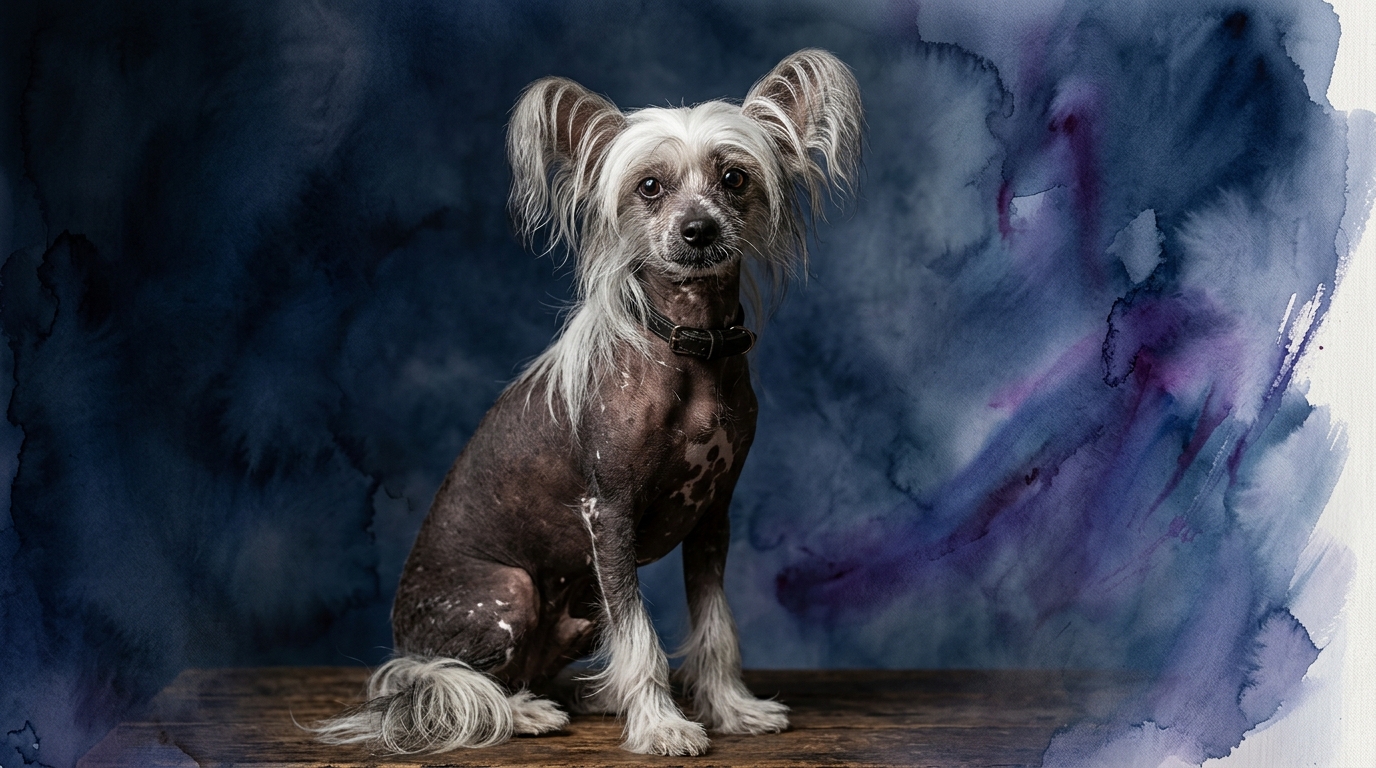
The Chinese Crested, classified in the Toy group, presents a balanced yet moderate cognitive profile. Their Problem Solving ability rates 3/5, indicating they are adept at navigating familiar environments and routines but may require more structured guidance when encountering novel or complex challenges. Training Speed is also 3/5; these dogs respond well to consistent, positive reinforcement methods, gradually integrating new commands into their repertoire. Social Intelligence stands at 3/5, signifying their capacity to form deep bonds and interpret human cues within their close family, though they can be reserved with strangers. An Instinctive Drive of 3/5 suggests a moderate inclination towards companionship and comfort, rather than a strong pull towards independent tasks or extensive exploration. Finally, their Memory at 3/5 means they reliably retain learned behaviors and routines, yet occasional refreshers might be beneficial for less frequently practiced skills.
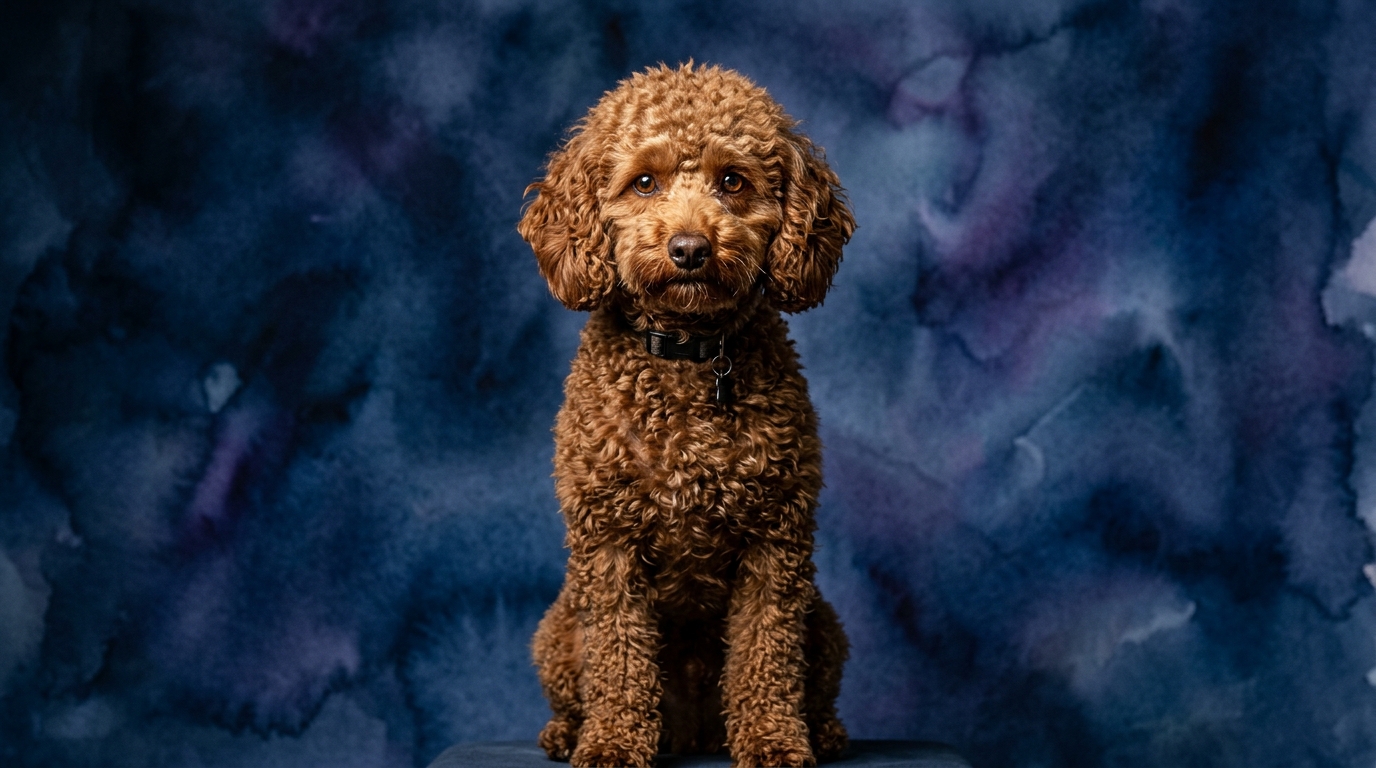
In stark contrast, the Miniature Poodle, from the Non-Sporting group and boasting a Coren rank of #2, demonstrates a remarkably advanced cognitive capacity in several key areas. Their Problem Solving ability is an impressive 5/5, showcasing an exceptional aptitude for dissecting complex puzzles and adapting strategies to new situations with remarkable ease. This analytical prowess is mirrored in their Training Speed, also 5/5, where they learn new commands and routines with astonishing rapidity, often grasping concepts in very few repetitions. Social Intelligence, like the Crested, is rated 3/5; they engage effectively with their human family and are capable of reading emotional states, but can also be discerning with new acquaintances. Their Instinctive Drive is 3/5, reflecting a moderate desire for interaction and mental engagement, rather than a strong prey drive. Crucially, their Memory is 5/5, indicating a robust ability to recall a vast repertoire of commands and experiences over extended periods, making their learning durable and reliable.
Where the Chinese Crested Shows Unique Cognitive Strengths
While the Miniature Poodle often scores higher in traditional measures of canine intellect, the Chinese Crested possesses distinct cognitive strengths that align perfectly with certain lifestyles. Their particular brand of social intelligence, rated 3/5, often manifests as a profound, focused attunement to their immediate human family. They excel at understanding the subtle emotional landscape of their primary caregivers, providing a nuanced companionship that prioritizes deep personal connection over broad social engagement. This specific cognitive win makes them exceptionally sensitive and comforting companions.
Furthermore, their moderate problem-solving and instinctive drive (both 3/5) contribute to a cognitive preference for predictability and comfort. They are generally less prone to independent mischief or the relentless pursuit of novel challenges, which can be a significant advantage for owners seeking a more settled and less cognitively demanding presence in their home. Their ability to be content within a well-defined routine, without constant need for intense mental gymnastics, highlights a unique cognitive resilience that makes them wonderfully adaptable to calmer, more relaxed domestic environments. They thrive on the warmth of consistent affection and a stable daily rhythm, demonstrating a quiet wisdom in their contentment.
Where the Miniature Poodle Excels Cognitively
The Miniature Poodle's cognitive profile reveals a powerhouse of mental agility and learning capacity. Their perfect 5/5 in Problem Solving is a testament to their ability to quickly analyze novel situations, strategize, and execute solutions, whether it involves navigating complex environments or figuring out intricate puzzle toys. This analytical mind makes them exceptionally adaptable and capable of excelling in varied circumstances.
Complementing this problem-solving prowess is their unparalleled Training Speed, also rated 5/5. Miniature Poodles grasp new commands, multi-step routines, and complex concepts with remarkable efficiency, often requiring minimal repetitions to solidify a behavior. This rapid acquisition of knowledge makes them a joy to train for obedience, agility, or even advanced trick work. Their exceptional Memory (5/5) ensures that once a skill is learned, it is retained for extended periods, making their training durable and reliable, allowing them to build an extensive repertoire of behaviors and knowledge. These combined strengths position the Miniature Poodle as an eager and capable learner, always ready for the next mental challenge.
Training Experience: Crested vs. Poodle
When it comes to ease of training, the differences between these two breeds are quite pronounced, largely dictated by their respective training speed and problem-solving scores. The Miniature Poodle, with its 5/5 in both training speed and memory, generally offers a much smoother and faster training experience. They not only pick up commands quickly, often in just a few repetitions, but they also retain that information over long periods. This means a Poodle can progress rapidly through basic obedience, easily move on to advanced commands, and excel in canine sports like agility or rally. Their cognitive eagerness to learn and please, combined with their capacity for understanding complex sequences, makes them incredibly rewarding for trainers of all experience levels, especially those keen on pursuing advanced activities. They are often proactive in trying to figure out what is expected of them, demonstrating an intrinsic desire for mental engagement.
The Chinese Crested, scoring 3/5 in both training speed and memory, requires a more patient and consistent approach. They are certainly capable of learning, but they will generally need more repetitions and a clearer, more predictable training environment. Abstract concepts or multi-step commands might initially pose a greater challenge, necessitating the trainer to break tasks down into smaller, manageable steps. Their moderate memory also means that skills, if not regularly practiced, might fade more quickly, requiring occasional refreshers. While they respond very well to positive reinforcement and gentle guidance, expecting the same rapid progress as a Miniature Poodle would be unrealistic. Their training journey is more about building a solid foundation through consistent, rewarding interactions, rather than pushing for quick mastery of complex tasks. For a Chinese Crested, training is often a bonding experience, requiring understanding and encouragement rather than relentless drills.
Matching Canine Intellect to Owner Lifestyle
The distinct cognitive profiles of the Chinese Crested and Miniature Poodle naturally lend themselves to different owner lifestyles. For active owners who relish mental engagement and canine sports, the Miniature Poodle is an exceptional match. Their 5/5 problem-solving and training speed mean they thrive on consistent mental stimulation, enjoying activities that challenge their intellect, such as advanced obedience, agility, scent work, or learning intricate tricks. An owner who can provide daily mental challenges and varied experiences will find the Poodle to be an enthusiastic and capable partner, eager to participate and excel. Without sufficient mental outlets, their sharp minds can lead to boredom, manifesting as unwanted behaviors, making them best suited for owners dedicated to providing an intellectually rich environment.
Conversely, the Chinese Crested is often a better fit for more relaxed owners or those seeking a devoted companion without the demanding cognitive needs for constant, intense mental work. With their moderate instinctive drive and preference for comfort, they are content with regular walks, gentle playtime, and, most importantly, ample companionship. While they certainly benefit from basic training and enrichment, their primary need is often a stable, predictable home environment and close interaction with their human family. They do not typically demand the same level of complex problem-solving or continuous skill acquisition as a Poodle, making them wonderfully adaptable to quieter households. Their cognitive makeup emphasizes emotional connection and comfort, making them ideal for individuals who cherish a calm, affectionate presence and are prepared to offer consistent, gentle guidance in training.
The Verdict
Choose a Chinese Crested if you seek a devoted, affectionate companion who thrives on routine and close personal connection within a calm household, and you are prepared for patient, consistent training.
Opt for a Miniature Poodle if you desire an eager, adaptable canine partner for advanced training, dog sports, or a variety of mentally stimulating activities, and you can provide ample intellectual engagement.
🧠 Find Your Pet's IQ Score
Our Pet IQ Lab assessment covers 25+ tests across 5 cognitive dimensions — personalized to your breed.
Take the Full IQ Test →Frequently Asked Questions
Do Chinese Cresteds need less mental exercise than Miniature Poodles?
Yes, generally. While both dogs benefit from engagement, a Chinese Crested's moderate problem-solving and instinctive drive mean they are content with less intense mental stimulation, preferring comfort and routine. A Miniature Poodle, with its exceptional problem-solving and training speed, genuinely thrives on consistent, challenging mental tasks to prevent boredom.
Is a Miniature Poodle a good choice for a first-time dog owner?
A Miniature Poodle can be a good choice for a first-time dog owner who is committed to providing consistent training and mental enrichment. Their quick learning ability can make training rewarding, but their intelligence also means they can become bored or develop unwanted behaviors if not adequately stimulated. Owners must be prepared for their cognitive demands.
How does social intelligence differ between these two breeds?
Both breeds score 3/5 in social intelligence, indicating they form strong bonds with their primary caregivers and can read human cues well within their trusted circle. However, both can also be somewhat reserved or discerning with strangers, meaning their social acumen is often directed more intensely towards their immediate family rather than generalized friendliness with everyone.