
Side-by-Side Cognitive Profiles: Decoding the Nuances
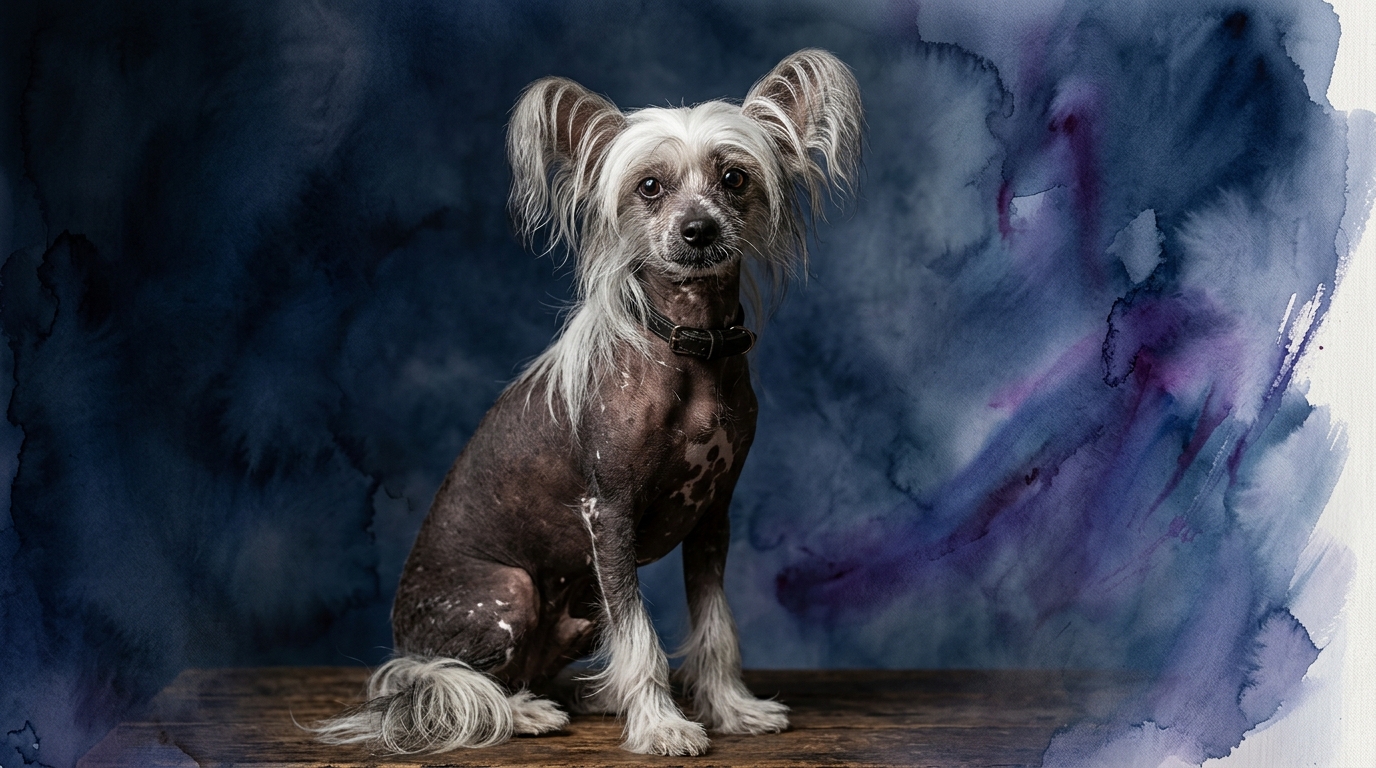
Despite their identical scores across all five dimensions within The Cosmic Pet Pet IQ Lab, the Chinese Crested and Russian Toy express their cognitive abilities through distinct behavioral patterns. Understanding these nuances is key to appreciating their individual intellectual charms. For the Chinese Crested, their problem-solving manifests as a thoughtful, sometimes cautious, approach; they often observe situations, try measured attempts, and may rely on human cues for guidance, showcasing a collaborative style. Their training speed is moderate, driven by an eagerness to please their favored person, thriving on gentle positive reinforcement. Socially, they are highly attuned to human emotions, forming deep, empathetic bonds within their inner circle, though they can be reserved with strangers. Their instinctive drive is moderate, often expressed as a desire for comfort and closeness, with mild toy-hunting or guarding tendencies. Memory for the Chinese Crested is reliable, retaining commands and routines well, and they recall past experiences, emphasizing the importance of early positive associations.
The Russian Toy, conversely, tackles problem-solving with energetic enthusiasm and playful boldness. They often experiment with various approaches, leveraging their agility and curiosity to explore solutions, sometimes with a spirited trial-and-error method. Their training speed is also moderate, but they excel in engaging, playful sessions that stimulate their vivacious spirit, responding well to praise and interactive learning. Socially, Russian Toys display a good understanding of cues, engaging confidently and cheerfully with familiar individuals and adapting well to various settings once comfortable. Their moderate instinctive drive often manifests as a keen interest in chasing small moving objects, exploring nooks, and a surprisingly alert watchfulness, driven by an innate sense of adventure. Memory for the Russian Toy is robust, quickly learning what behaviors lead to rewards and recalling past interactions, which supports consistent training and confident navigation of their world.
Where the Chinese Crested Shines Cognitively
While their raw cognitive scores align, the Chinese Crested often exhibits a nuanced edge in emotional intelligence and perceptive awareness. Their remarkable ability to attune to human moods, offering comfort or companionship precisely when needed, suggests a deeper processing of social cues and empathetic responses. This sensitivity allows them to anticipate human needs, often before verbal commands are given, making them exceptional emotional support animals who thrive on intimate understanding. They possess a keen observational intellect, often learning by watching and internalizing routines, which contributes to their quiet adaptability within a familiar environment.
Where the Russian Toy Excels Cognitively
The Russian Toy, conversely, often shines with a distinct advantage in exploratory problem-solving and fearless curiosity. Their innate confidence and desire to investigate new environments or objects can lead to more proactive engagement with novel challenges. While a Chinese Crested might pause and observe, the Russian Toy often plunges in, using trial-and-error with a spirited determination that can sometimes yield quicker, albeit less elegant, solutions. Their vivacious intellect and physical agility make them adept at navigating complex spaces and discovering hidden treasures, demonstrating a robust spatial awareness and an unyielding drive to explore.
Training Dynamics: Responsiveness vs. Playfulness
Neither breed presents a significant challenge in training, both sharing a moderate learning curve, but their training approaches differ significantly due to their inherent temperaments. The Chinese Crested, with its sensitive disposition, responds exquisitely to positive reinforcement, gentle encouragement, and a calm training environment. They are eager to please their primary caregiver, but can become easily discouraged or shut down by harsh tones or perceived failure, requiring a patient and consistent handler who understands their emotional depth. Their memory ensures that once learned, commands are typically retained well, but the initial learning phase benefits from a gentle, confidence-building approach.
The Russian Toy, conversely, thrives on engaging, playful sessions that leverage their energetic curiosity. They learn quickly when training feels like a game and are often highly motivated by praise and small, high-value treats, making interactive methods highly effective. While they possess a keen mind and reliable memory, their bold and sometimes independent streak means consistency is paramount to prevent them from developing selective hearing or testing boundaries. Owners should embrace their spirited nature, channeling their energy into structured play and mental challenges to maintain engagement and reinforce desired behaviors effectively.
Matching Lifestyles: Calm Companions vs. Spirited Adventurers
For owners who prefer a more relaxed, introspective companion, the Chinese Crested often fits seamlessly into a calm household. Their cognitive strengths lean towards emotional connection and quiet observation, making them content with cuddles, gentle walks, and being a close, empathetic presence in the home. They appreciate routine and a serene environment, where their social intelligence can be fully expressed through intimate bonds with their human family. Their moderate energy levels make them ideal for apartment living or for individuals seeking a dog that is happy to share a quiet evening.
The Russian Toy, with its spirited energy and exploratory drive, is better suited for active owners who enjoy engaging their pet in varied activities. Their cognitive profile benefits from consistent mental stimulation through interactive play, short bursts of agility, or exploring new safe environments, making them ideal for individuals who value a lively, curious, and adventurous companion. They thrive on novelty and engagement, making them excellent partners for owners who enjoy regular outings, structured playtime, and incorporating their dog into a more dynamic lifestyle. Their confidence and curiosity mean they adapt well to new experiences, provided they have a secure base.
The Verdict
Choose a Chinese Crested if you seek an emotionally attuned companion who thrives on deep, quiet connection, offering empathetic understanding within a predictable, calm lifestyle.
Opt for a Russian Toy if you desire a spirited, curious partner eager for adventures and interactive play, bringing vibrant energy and confident exploration to your daily life.
🧠 Find Your Pet's IQ Score
Our Pet IQ Lab assessment covers 25+ tests across 5 cognitive dimensions — personalized to your breed.
Take the Full IQ Test →Frequently Asked Questions
Do Chinese Cresteds get along with other pets?
Chinese Cresteds generally get along well with other calm, gentle pets, particularly when properly socialized from a young age. Their sensitive nature means they prefer peaceful interactions and can be overwhelmed by overly boisterous companions, often seeking harmonious coexistence.
Are Russian Toys good for first-time dog owners?
Russian Toys can be suitable for first-time owners who are committed to consistent training, early socialization, and providing ample mental and physical stimulation. Their confidence and energy require a clear routine and engaging activities to ensure they develop into well-adjusted, cheerful companions, making a dedicated owner essential.
How do these breeds handle being left alone?
Both breeds are companion animals and can develop separation anxiety if left alone for extended periods without proper training and gradual desensitization. Chinese Cresteds might become more withdrawn or anxious, while Russian Toys might express their distress through vocalizations or destructive chewing, highlighting the need for careful management and companionship.