
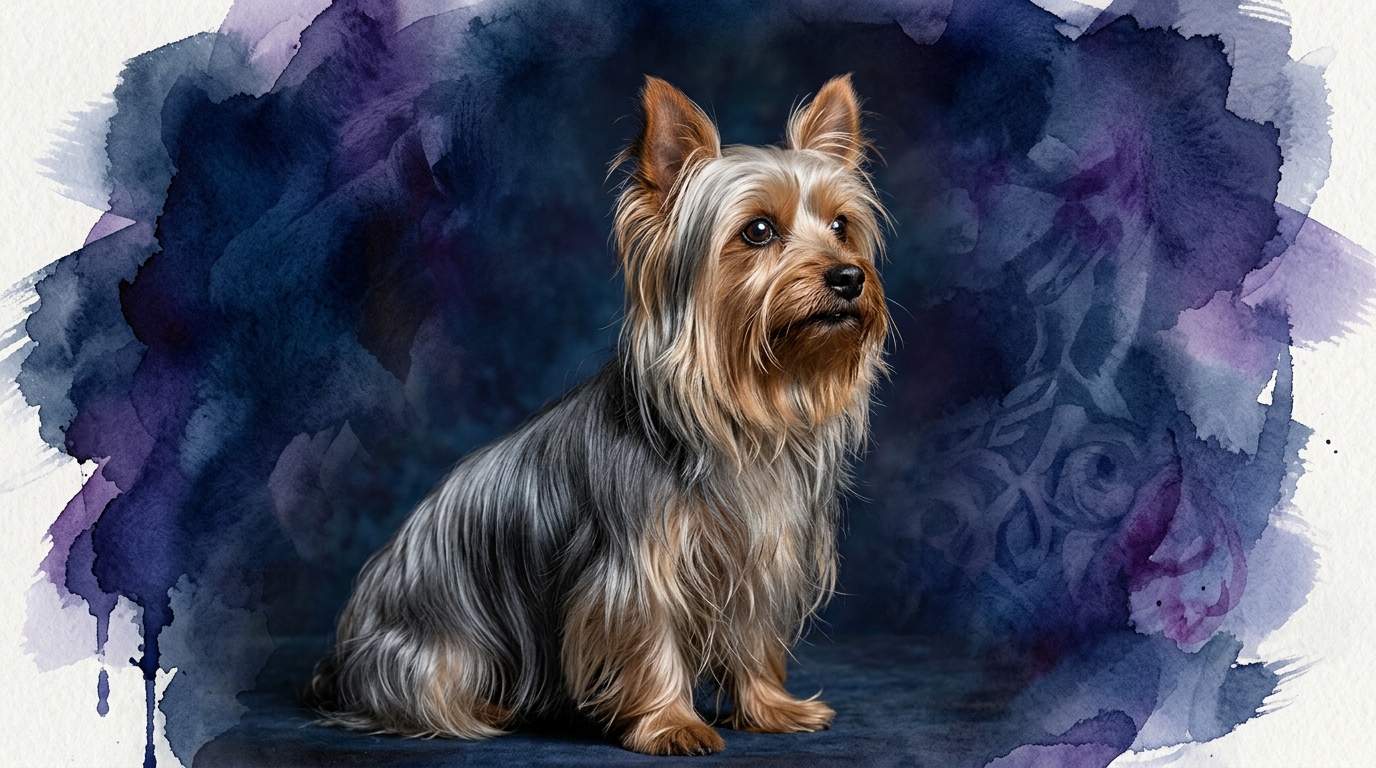
Side-by-Side IQ Profile: Unpacking Identical Scores
On paper, the Chinese Crested and Silky Terrier each register a consistent 3/5 across all five measured IQ dimensions: Problem Solving, Training Speed, Social Intelligence, Instinctive Drive, and Memory. However, these identical scores don't imply identical minds; rather, they reflect a moderate capacity that expresses itself uniquely through each breed's inherent temperament and historical purpose. Understanding these nuances is key to appreciating their individual cognitive styles.
Problem Solving (Chinese Crested 3/5): A Chinese Crested often demonstrates problem-solving skills in a companion-oriented manner. Their 3/5 rating suggests they can navigate household routines, figure out how to access comfortable spots, or subtly communicate their needs for attention or affection. They might not be adept at complex puzzle toys but can be quite clever at manipulating their environment to enhance their comfort or secure human interaction.
Problem Solving (Silky Terrier 3/5): The Silky Terrier’s 3/5 in problem-solving often manifests as determined persistence. True to their terrier heritage, they might figure out how to open a cabinet to investigate a tempting scent, strategize to get a dropped toy from under furniture, or find a way to circumvent a barrier if something desirable is on the other side. Their solutions are often driven by curiosity and a robust investigative nature.
Training Speed (Chinese Crested 3/5): The Chinese Crested's 3/5 training speed indicates they are receptive to learning but may require patience and positive reinforcement. They thrive on gentle guidance and can quickly pick up basic commands and tricks when motivated by praise and treats. Their sensitive nature means harsh methods are counterproductive, potentially leading to anxiety or withdrawal rather than faster learning.
Training Speed (Silky Terrier 3/5): For the Silky Terrier, a 3/5 training speed means they are capable learners, but their independent streak and occasional stubbornness can pose challenges. They respond best to engaging, consistent training sessions that make learning feel like a fun game rather than a chore. Their quick wit means they can grasp concepts rapidly, but their willingness to comply often depends on the perceived value of the reward or the trainer's ability to hold their attention.
Social Intelligence (Chinese Crested 3/5): A Chinese Crested’s 3/5 social intelligence typically means they form deep bonds with their immediate family, often displaying a remarkable ability to read their owners’ moods and respond empathetically. While they can be reserved or shy with strangers, within their trusted circle, they are adept at social cues, seeking comfort or offering quiet companionship. Their social skills are highly tuned to intimate human relationships.
Social Intelligence (Silky Terrier 3/5): The Silky Terrier’s 3/5 social intelligence is characterized by a confident and sometimes assertive demeanor. They are generally outgoing and can interact well with various people and other animals, though they might assert their dominance or vocalize their opinions. They understand pack dynamics and can be quite adept at navigating social situations, often with a bold and self-assured approach.
Instinctive Drive (Chinese Crested 3/5): The Chinese Crested’s 3/5 instinctive drive is generally moderate, focusing more on companionship and comfort than strong prey or guarding behaviors. While they might occasionally chase a squirrel or bark at a doorbell, these drives are typically less intense and more easily managed than in working breeds. Their primary drive is often to be near their human companions.
Instinctive Drive (Silky Terrier 3/5): The Silky Terrier, with a 3/5 instinctive drive, possesses a more pronounced terrier spirit. This includes a notable prey drive, a propensity for digging, and a tendency to bark at perceived intruders or interesting sights and sounds. Their instincts are geared towards vigilance and investigation, making them lively and observant members of the household, always ready for action.
Memory (Chinese Crested 3/5): A Chinese Crested’s 3/5 memory allows them to retain routines, commands, and the identities of people and places effectively. They remember their training, daily schedules, and the specific ways their favorite humans interact with them. Their memory contributes significantly to their ability to integrate smoothly into a family's life and anticipate events.
Memory (Silky Terrier 3/5): The Silky Terrier’s 3/5 memory is robust, enabling them to recall commands, past experiences, and the location of favored items or intriguing spots. They are good at remembering what they’ve learned, both desirable behaviors and those that might have yielded a reward (like sneaking a treat). Their memory aids their quick learning but can also mean they remember past attempts to get their way.
Where Chinese Crested Wins Cognitively
Despite identical scores, the Chinese Crested often presents a cognitive advantage in nuanced social dynamics and adaptability to calm environments. Their inherent sensitivity allows them to excel at reading subtle human emotional cues, often responding with a gentle presence or seeking to provide comfort without direct prompting. This empathetic understanding suggests a sophisticated form of social intelligence tailored to intimate human connection.
Furthermore, their lower instinctive drives mean they are often more content with a relaxed indoor lifestyle, requiring less mental stimulation focused on 'work' or 'hunting.' Their cognitive energy is directed more towards observation and interaction within the home, making them particularly adept at adjusting to quiet routines and understanding the unspoken preferences of their caregivers. This translates into a dog that can be remarkably in tune with its owner's mood and daily rhythm, a unique cognitive strength in a companion animal.
Where Silky Terrier Wins Cognitively
The Silky Terrier’s distinctive terrier spirit gives them an edge in areas requiring independent thought and tenacious problem-solving. Their 3/5 problem-solving manifests as a persistent, investigative approach to challenges, whether it's figuring out how to retrieve a toy from a difficult spot or exploring new environments with confident curiosity. This breed often exhibits a 'can-do' attitude, applying their intellect to overcome physical and mental obstacles they encounter.
Their higher instinctive drive translates into a cognitive strength for engaging with more dynamic activities and learning through exploration. A Silky Terrier will often take initiative in play, invent their own games, and demonstrate a keen awareness of their surroundings, making them excellent little watchdogs. Their memory is not just for commands but also for patterns in their environment that suggest potential adventures or 'puzzles' to solve, a testament to their active and inquisitive minds.
Which Is Easier to Train and Why
Determining which breed is 'easier' to train is less about raw intellectual capacity and more about matching training methods to their intrinsic temperaments. The Chinese Crested, with its sensitive nature and desire for companionship, often responds exceptionally well to positive reinforcement, praise, and gentle, consistent instruction. They are eager to please their beloved humans, which can make them compliant and quick to learn when the training environment is supportive and free of pressure.
Conversely, the Silky Terrier's independent streak and innate terrier tenacity mean that training requires a different approach. While equally capable of learning, their 3/5 training speed can be influenced by their desire to do things their way. Trainers must be firm, consistent, and creative, using engaging games and high-value rewards to capture their attention and channel their energetic drive. Their training is often a partnership where the owner must consistently prove that cooperation is more rewarding than independent action, which some owners might find more challenging than the Chinese Crested's willingness to conform.
Which Suits Active Owners vs. Relaxed Owners
The choice between these two breeds largely depends on an owner's lifestyle and their preferred level of daily engagement. The Chinese Crested, with its moderate instinctive drive and strong companion orientation, is an excellent fit for more relaxed owners or those living in apartments. They thrive on quiet companionship, short walks, and indoor play, content to be a loving presence by their human's side.
The Silky Terrier, however, is better suited for active owners who can provide consistent mental and physical stimulation. Their terrier energy and investigative drive mean they benefit from regular walks, engaging play sessions, and opportunities to explore safely. They thrive when given a 'job' or an outlet for their natural curiosity and energy, making them ideal for individuals or families who enjoy an active, dynamic lifestyle.
The Verdict
Choose the Chinese Crested if you seek a sensitive, empathetic companion who thrives on quiet routines and forms deep, intuitive bonds within a calm household.
Opt for the Silky Terrier if you desire a spirited, tenacious partner eager for adventure and independent exploration, provided you can meet their need for consistent engagement.
🧠 Find Your Pet's IQ Score
Our Pet IQ Lab assessment covers 25+ tests across 5 cognitive dimensions — personalized to your breed.
Take the Full IQ Test →Frequently Asked Questions
Do Chinese Crested dogs shed much?
Chinese Crested dogs are typically low-shedding, especially the hairless variety, making them a popular choice for individuals with allergies. The 'Powderpuff' variety, with its soft coat, sheds minimally compared to many other breeds, primarily losing hair when brushed.
Are Silky Terriers good with children?
Silky Terriers can be good with older, respectful children who understand how to interact gently with a small, spirited dog. Due to their feisty terrier nature and small size, they might not be the best fit for very young children who could accidentally injure them or misinterpret their assertive play style.
What kind of exercise do these breeds need?
The Chinese Crested needs moderate exercise, such as daily short walks and indoor play, being sensitive to extreme temperatures. Silky Terriers, on the other hand, require more vigorous activity, including longer walks, active playtime, and mental stimulation to satisfy their energetic and inquisitive terrier instincts.