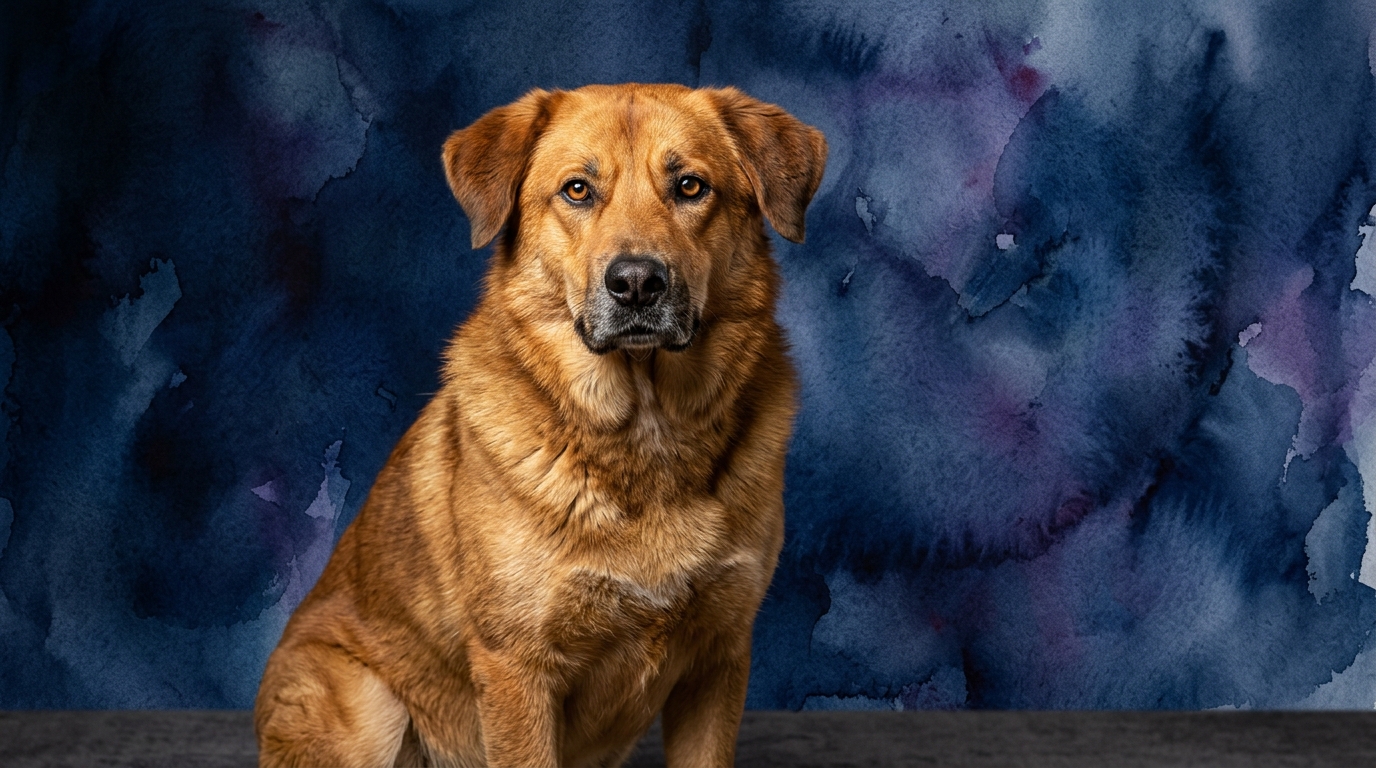
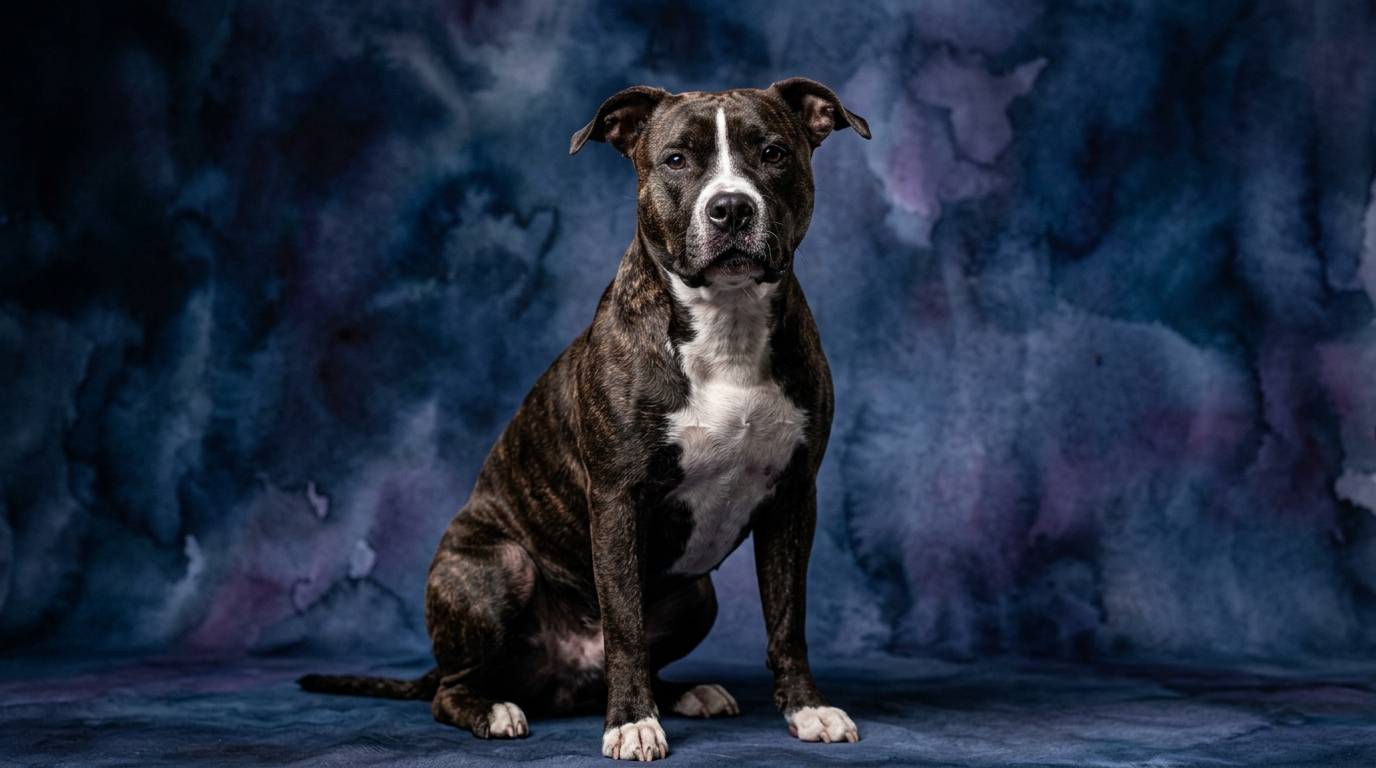
Side-by-Side IQ Profile: Unpacking the Dimensions
The Cosmic Pet Pet IQ Lab employs a five-dimensional framework to assess canine intelligence, offering a granular view beyond simple rankings. For both the Chinook and the American Staffordshire Terrier (AmStaff), four of these dimensions – Problem Solving, Training Speed, Social Intelligence, and Instinctive Drive – are rated identically at 3 out of 5, indicating a balanced and capable cognitive foundation. However, a crucial difference emerges in their Memory scores, which significantly impacts their overall learning and adaptability.
When we examine Problem Solving at 3/5 for both breeds, it suggests they possess a practical ability to navigate familiar challenges and learn routine solutions. They can understand cause-and-effect in straightforward scenarios, such as manipulating a puzzle toy they've seen before or finding a hidden treat with clear cues. However, they may not spontaneously devise novel strategies for entirely new, complex problems without some guidance or prior experience, preferring established patterns.
Training Speed, also at 3/5 for both, indicates a moderate pace of learning new commands and behaviors. Neither breed is a 'one-and-done' learner; they require consistent repetition, clear communication, and positive reinforcement to solidify new skills. They are certainly trainable and eager to please within a structured environment, but progress is steady rather than instantaneous, demanding patience and consistency from their handlers.
Social Intelligence at 3/5 for both points to their capacity to understand and respond to human social cues, interacting appropriately within their established family unit. They can read body language and vocal tones well enough to gauge mood and intent, fostering strong bonds. While capable of social engagement, their responses might be more direct rather than subtly nuanced, and they may require clear introductions to new social situations to ensure comfortable interactions.
Instinctive Drive, rated 3/5 for both, signifies that these breeds possess inherent behavioral predispositions that are present and manageable, rather than overwhelming. For the Chinook, a working breed, this often translates to a drive for partnership and physical exertion, such as pulling or hiking. For the AmStaff, a terrier, this drive might manifest as an interest in chasing, digging, or engaging with objects, rooted in their historical roles, but these drives are not so intense as to be uncontrollable without proper channeling.
The pivotal distinction lies in Memory. The Chinook scores a 3/5 in this dimension, meaning it retains learned information and experiences adequately. It remembers commands, routines, and past interactions, but might benefit from occasional refreshers, particularly for less frequently used or more complex sequences. The American Staffordshire Terrier, however, boasts a 4/5 Memory score, indicating a superior capacity for information retention. This stronger memory allows AmStaffs to recall learned behaviors more reliably over time and generalize experiences more effectively across different contexts, requiring less frequent reinforcement to maintain proficiency.
Where Chinook Wins Cognitively
The Chinook's cognitive strength lies in its balanced and consistent profile across all dimensions, leading to a steady, reliable working partnership. While no single cognitive dimension is rated higher than the AmStaff's, its even 3/5 scores across Problem Solving, Training Speed, Social Intelligence, and Instinctive Drive suggest a harmonious blend of capabilities. This means a Chinook is less likely to present extreme challenges in any one area; it's a dog that learns reliably, interacts predictably, and possesses manageable natural drives.
Specifically, the Chinook's 3/5 instinctive drive, coupled with its working heritage, often translates into a natural inclination for cooperative tasks and sustained effort. Its problem-solving, while moderate, is typically geared towards practical, environmental challenges it might encounter on a trail or in a working scenario, rather than abstract puzzles. Owners often find Chinooks to be excellent companions for long-duration activities, where their steady temperament and consistent cognitive function allow them to maintain focus and engagement over extended periods without becoming overly frustrated or easily distracted by novelties.
Its social intelligence, also 3/5, positions the Chinook as an attentive and responsive partner, particularly in environments where clear human direction is paramount. This breed excels when given a 'job' or a structured role, whether it's pulling a sled, hiking a trail, or simply being a steady presence in the home. Their cognitive balance means they are less prone to impulsive decisions driven by an overly strong instinct or a quick-to-forget memory, making them a consistently predictable and agreeable companion for those who appreciate their steady nature.
Where American Staffordshire Terrier Wins Cognitively
The American Staffordshire Terrier's clear cognitive advantage lies in its superior Memory, rated at 4/5 compared to the Chinook's 3/5. This enhanced retention capacity significantly impacts its overall trainability and adaptability. A stronger memory means an AmStaff can recall learned commands and routines more consistently over longer periods, requiring less frequent refreshers to maintain proficiency. This makes them highly effective in structured training environments, such as competitive obedience or dog sports where complex sequences need to be remembered accurately.
Beyond just retaining commands, the AmStaff's 4/5 memory allows it to learn from past experiences more effectively. If an AmStaff encounters a specific situation, it is more likely to remember the appropriate response or the consequences of a particular action, which contributes to more consistent behavior. This cognitive strength underpins its ability to generalize learned behaviors across different contexts, meaning a command learned in the living room is more readily applied at the park, without needing extensive re-training.
While their Problem Solving and Training Speed are rated similarly to the Chinook, the AmStaff's robust memory acts as a force multiplier. It means that once a solution is learned or a behavior is acquired, it is less likely to be forgotten, making the overall training investment yield more lasting results. This makes the AmStaff particularly well-suited for owners who enjoy teaching intricate tricks, engaging in advanced obedience, or participating in dog sports that demand a high degree of recall and consistent performance.
Which is Easier to Train and Why
When evaluating which breed is 'easier' to train, we must consider both initial learning speed and long-term retention. Both the Chinook and the American Staffordshire Terrier share a 3/5 rating for Training Speed, indicating they learn at a moderate pace, requiring consistent methods and patience. Neither breed is inherently 'difficult' to train, but neither will master a new command in a single session. They both respond well to positive reinforcement and clear, consistent instruction.
However, the American Staffordshire Terrier gains an advantage in the *overall ease* of training due to its superior Memory (4/5 compared to Chinook's 3/5). While the initial acquisition of a new skill might take a similar amount of effort for both breeds, the AmStaff will retain that skill more effectively over time. This means an AmStaff owner will likely spend less time on refreshing previously learned commands and can progress more quickly to advanced concepts, confident that foundational behaviors are firmly established.
For example, teaching a complex multi-step routine, an AmStaff is more likely to remember the sequence and individual actions after fewer repetitions over weeks or months, compared to a Chinook that might need more frequent reminders to keep the entire sequence fresh in its memory. This difference in memory translates to greater efficiency in maintaining a well-trained dog, reducing the need for constant reinforcement after the initial learning phase.
The instinctive drives also play a role. The Chinook's 3/5 drive often aligns with a desire for cooperative work, making it receptive to tasks that involve partnership. The AmStaff's 3/5 terrier drive, while manageable, might require more focused redirection to channel its energy and prey drive into appropriate outlets, ensuring these instincts don't interfere with training. Ultimately, while both require commitment, the AmStaff's stronger memory streamlines the long-term training process.
Which Suits Active Owners vs. Relaxed Owners
It's crucial to understand that neither the Chinook nor the American Staffordshire Terrier are suitable for truly 'relaxed' or sedentary owners; both breeds require active engagement, both physically and mentally, to thrive. Their moderate instinctive drives and balanced cognitive profiles mean they need purpose and activity to prevent boredom and potential behavioral issues. The distinction lies in the *type* of activity and engagement they best respond to.
The Chinook, with its working dog heritage and balanced 3/5 scores across the board, flourishes with owners who enjoy consistent outdoor adventures and cooperative tasks. They are excellent hiking partners, enjoy pulling (like carting or sledding), and appreciate a steady routine that includes both physical exertion and mental engagement through companionship. Their problem-solving and social intelligence are geared towards working alongside their human, making them ideal for owners who want a reliable, steady companion for activities that mimic their historical roles.
The American Staffordshire Terrier, while also requiring significant activity, often excels in more structured, high-energy sports and training where its superior memory can shine. Owners who are passionate about competitive obedience, agility, flyball, or advanced trick training will find the AmStaff's capacity for retention a huge asset. Their 3/5 instinctive drive, combined with athleticism, means they thrive on vigorous play sessions and mental challenges that engage their sharp minds.
Therefore, an 'active owner' for a Chinook might be someone who enjoys long, consistent walks, hikes, or runs, and wants a dog that is a stable, cooperative partner. An 'active owner' for an AmStaff might be someone who enjoys more intense, burst-like physical activity, structured training sessions, and competitive dog sports. Neither breed is content to be a couch potato, but their ideal forms of engagement differ slightly, catering to different active lifestyles.
The Verdict
Choose the Chinook if you seek a steady, cooperative working companion for consistent outdoor adventures and appreciate a dog with a balanced cognitive profile that learns reliably with regular engagement.
Opt for the American Staffordshire Terrier if you prioritize strong retention of training, are prepared for vigorous physical and mental stimulation, and desire a dog that excels in structured learning and complex routines.
🧠 Find Your Pet's IQ Score
Our Pet IQ Lab assessment covers 25+ tests across 5 cognitive dimensions — personalized to your breed.
Take the Full IQ Test →Frequently Asked Questions
Are Chinooks difficult to train?
No, Chinooks are not difficult to train; their 3/5 training speed means they learn consistently with patience and clear methods. While their 3/5 memory suggests regular reinforcement helps retain commands effectively, they are capable and willing learners.
How does the AmStaff's memory benefit owners?
The AmStaff's 4/5 memory is a significant asset, as it means the breed retains commands and experiences exceptionally well. This reduces the need for constant refreshers, making them highly adept at complex obedience, agility routines, and generally more efficient to train over the long term.
Do both breeds need a lot of exercise?
Yes, both the Chinook and the American Staffordshire Terrier are active breeds that require regular physical and mental stimulation to thrive. Their moderate instinctive drives necessitate appropriate outlets to prevent boredom and ensure they remain well-adjusted companions.