Side-by-Side Cognitive Profiles: Decoding the 3/5 Score
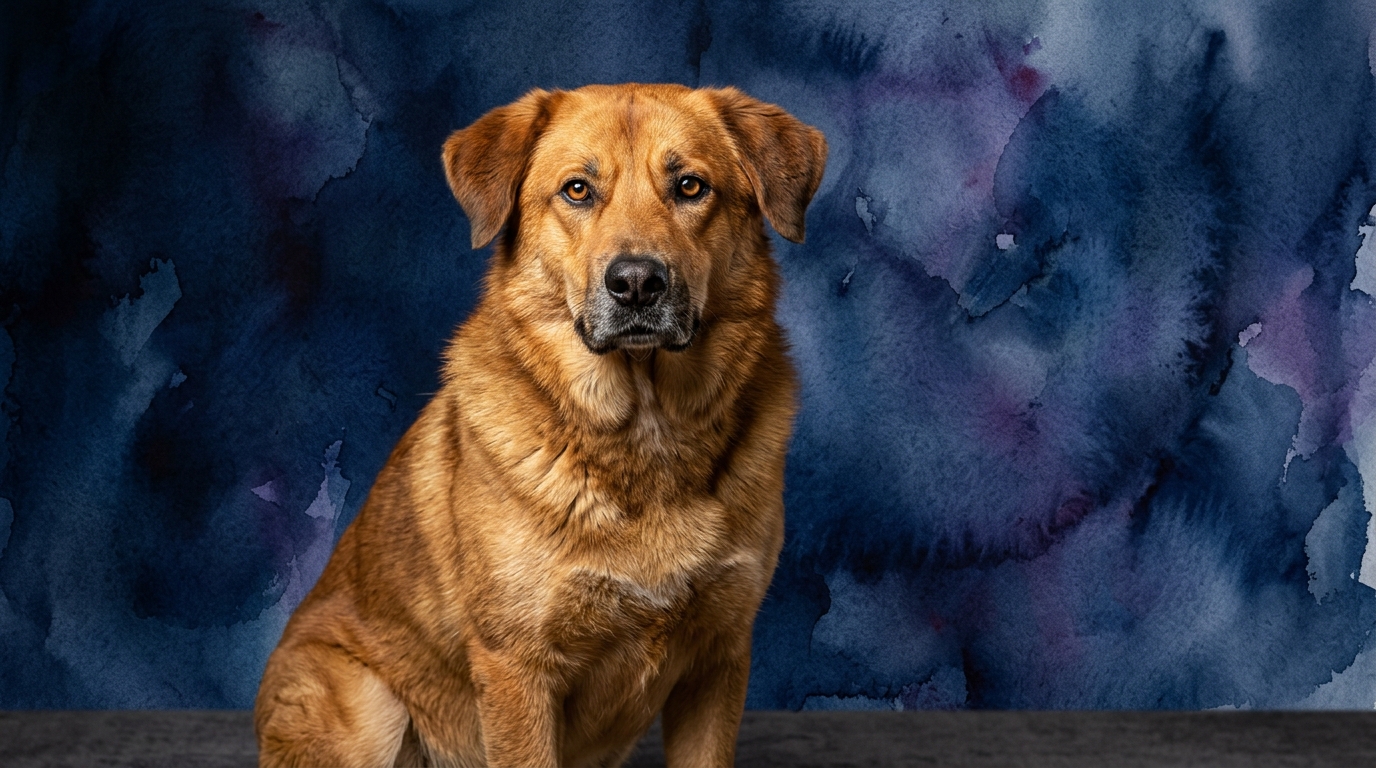
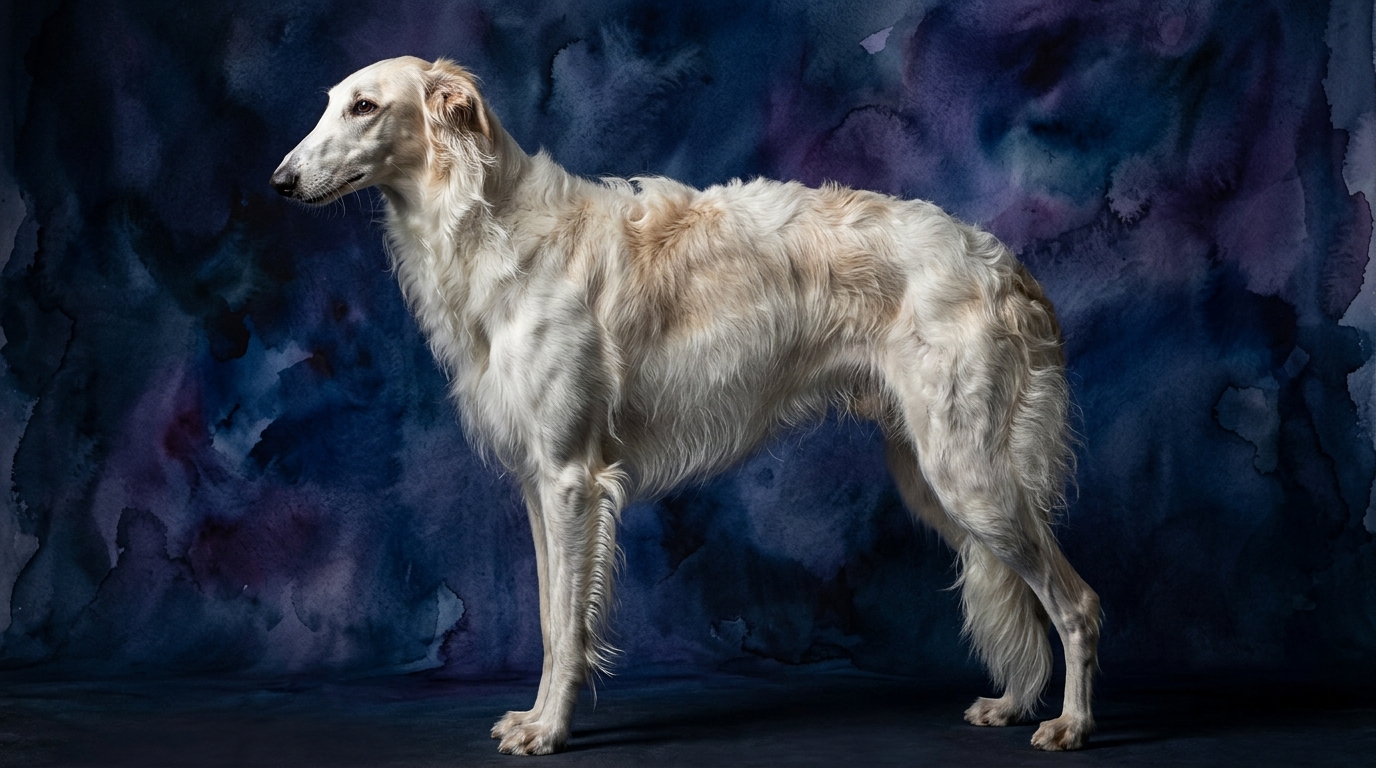
At The Cosmic Pet Pet IQ Lab, we assess canine cognition across five crucial dimensions, and both the Chinook, a robust working dog, and the elegant Borzoi, a swift sighthound, register a consistent 3 out of 5 in each category. This identical scoring doesn't suggest a lack of differentiation; rather, it highlights how their moderate cognitive aptitudes are applied and expressed in vastly different ways, reflecting their breed-specific purposes and inherent temperaments.
For Problem Solving (3/5), a Chinook might excel at figuring out the mechanics of a new harness or navigating a complex trail, applying practical reasoning to cooperative tasks. A Borzoi, on the other hand, demonstrates its 3/5 problem-solving by strategically anticipating the movements of a squirrel in a field or finding the most efficient path during a high-speed chase, showcasing independent, dynamic spatial reasoning. Training Speed (3/5) in a Chinook often translates to a steady, cooperative learning pace, where repetition and positive reinforcement build a reliable working partnership. The Borzoi's 3/5 training speed, however, means they learn quickly but often require motivation that aligns with their independent nature, absorbing lessons swiftly when they perceive value or a game-like challenge.
Social Intelligence (3/5) in a Chinook is typically expressed through a keen awareness of human cues and a desire for harmonious collaboration, often seeking to understand and respond to their handler's intentions. A Borzoi's social intelligence, also at 3/5, manifests as an observant, often reserved demeanor; they form deep bonds but maintain an independent spirit, reading human emotions subtly without always feeling compelled to overtly participate. Instinctive Drive (3/5) in a Chinook centers on their heritage of pulling, sledding, and companionship, manifesting as a drive for purposeful activity and 'pack' engagement. For the Borzoi, this 3/5 score speaks to their profound sighthound instincts: an intense, focused drive to chase and pursue fast-moving objects, often overriding other stimuli. Finally, Memory (3/5) for a Chinook means retaining complex task sequences, routes, and learned commands over time, building a reliable repertoire of behaviors. A Borzoi's memory at 3/5 is equally strong but often more selective, recalling prime hunting spots, the movements of specific prey, or the layout of their secure running grounds with remarkable accuracy.
Where Chinook Cognition Shines Brightest
The Chinook's cognitive strengths are deeply rooted in their working heritage, making them particularly adept at tasks requiring sustained engagement and collaborative effort. Their 3/5 problem-solving is often channeled into practical, real-world applications alongside their human partners, whether it's navigating challenging terrain or understanding the nuances of a complex routine. This breed excels when presented with opportunities to contribute meaningfully to a 'team' goal, demonstrating a thoughtful approach to challenges that directly impact their shared endeavor.
Their social intelligence, while rated 3/5, is particularly geared towards forming a cohesive partnership. Chinooks are often perceptive of human emotions and intentions, making them responsive companions who seek to understand and comply. This collaborative spirit, coupled with their consistent memory for learned behaviors and routes, gives them an edge in activities like obedience, agility, or therapy work where a steady, cooperative temperament is paramount. They thrive on structured learning and consistent interaction, using their cognitive abilities to build a predictable and reliable rapport with their owners.
Where Borzoi Cognition Exhibits Unique Prowess
The Borzoi's cognitive strengths, though also rated 3/5, are distinctively shaped by their role as independent sighthounds. Their problem-solving shines in dynamic, fast-paced scenarios where quick decisions and independent judgment are key. This breed can rapidly assess a changing environment, calculate trajectories, and execute complex maneuvers without direct human instruction, a testament to their heritage of pursuing swift prey across open landscapes. Their intelligence is less about adherence to a strict routine and more about adaptive, in-the-moment strategic thinking.
While their social intelligence is 3/5, it manifests as a nuanced observational capacity. Borzoi are often quiet observers, taking in their surroundings and human interactions with a calm, discerning eye. They form deep, loyal bonds, but their affection is often expressed subtly, without the overt eagerness of some working breeds. Their memory is formidable for spatial layouts and the habits of wildlife, allowing them to recall specific areas where they've encountered interesting scents or visual stimuli, making them compelling companions for those who appreciate a dog with an independent mind and a graceful presence.
Training Dynamics: Chinook's Partnership vs. Borzoi's Independence
Despite both breeds scoring 3/5 for training speed, the practical experience of training them can feel quite different due to their underlying temperaments and drives. The Chinook, with its working dog background, generally approaches training with a cooperative mindset. They tend to be eager to please and respond well to consistent, positive reinforcement, viewing training as a shared activity that strengthens their bond with their human. Their 3/5 training speed means they learn commands and routines at a moderate, steady pace, and their desire for partnership makes them generally more biddable and forgiving of handler mistakes.
The Borzoi, conversely, brings its sighthound independence to the training arena. While they learn quickly when motivated, their 3/5 training speed is often tempered by a selective attention span and a strong prey drive. They might grasp a command swiftly but choose not to execute it if a more compelling stimulus (like a distant squirrel) captures their interest. Training a Borzoi often requires more patience, creativity, and a deep understanding of their motivations. Owners must make training engaging and rewarding, often by incorporating elements that appeal to their natural instincts, rather than expecting unquestioning compliance. Their Coren rank of #75, compared to the Chinook's unranked status (suggesting less focus on traditional obedience), hints at this inherent independence, emphasizing that while they learn, they often do so on their own terms.
Lifestyle Match: Active Engagement vs. Elegant Relaxation
Choosing between a Chinook and a Borzoi also comes down to aligning with their preferred daily rhythms and activity levels. The Chinook is a breed that thrives on consistent, purposeful activity and mental engagement. Their working heritage means they benefit from owners who enjoy regular outdoor adventures, participate in dog sports like hiking, skijoring, or agility, and provide consistent mental challenges through training and problem-solving games. They are generally content to be active alongside their humans for extended periods, making them ideal for owners seeking a dedicated, energetic companion for their active lifestyle. A Chinook's cognitive needs are best met when they have a 'job' to do, even if that job is accompanying their owner on daily excursions.
The Borzoi, while possessing bursts of incredible speed and requiring opportunities for vigorous sprinting in a secure, fenced area, is largely a calm and relaxed presence indoors. Their exercise needs are intense but typically fulfilled in shorter, high-energy sessions rather than sustained, endurance-based activities. They are well-suited for owners who appreciate an elegant, quiet companion who enjoys lounging after their exercise, but who can also provide safe outlets for their powerful sighthound instincts. Owners must be prepared for the distinct difference between their explosive outdoor energy and their serene indoor demeanor, understanding that while they need to run, they aren't necessarily seeking constant, sustained activity or demanding mental tasks in the same way a working breed might.
The Verdict
Choose a Chinook if you seek a cooperative, dedicated partner for consistent outdoor activities, structured training, and a dog that thrives on shared purpose and close companionship.
Opt for a Borzoi if you appreciate an independent, graceful companion who enjoys explosive bursts of speed followed by serene relaxation, and you are prepared to manage their sighthound instincts with patience and understanding.
🧠 Find Your Pet's IQ Score
Our Pet IQ Lab assessment covers 25+ tests across 5 cognitive dimensions — personalized to your breed.
Take the Full IQ Test →Frequently Asked Questions
Do identical IQ scores mean Chinook and Borzoi are equally 'smart' in every way?
No, identical IQ scores of 3/5 indicate a similar baseline capacity for learning and problem-solving, but how these abilities manifest differs significantly. Their breed histories and inherent drives shape the types of problems they excel at and how they approach training and social interactions.
Is a Borzoi difficult to train because of its Coren rank of #75?
The Borzoi's Coren rank suggests a higher degree of independence, which can make traditional obedience training more challenging than with some other breeds. While they learn quickly, their strong prey drive and independent nature mean they often require patient, creative training methods that account for their motivation and focus.
Which breed is better for a first-time dog owner?
A Chinook might be a more forgiving choice for a first-time owner due to their cooperative nature and eagerness to please, which can simplify the training process. A Borzoi's independence and specific exercise needs, particularly their prey drive, often require an owner with more experience and a deep understanding of sighthound characteristics.