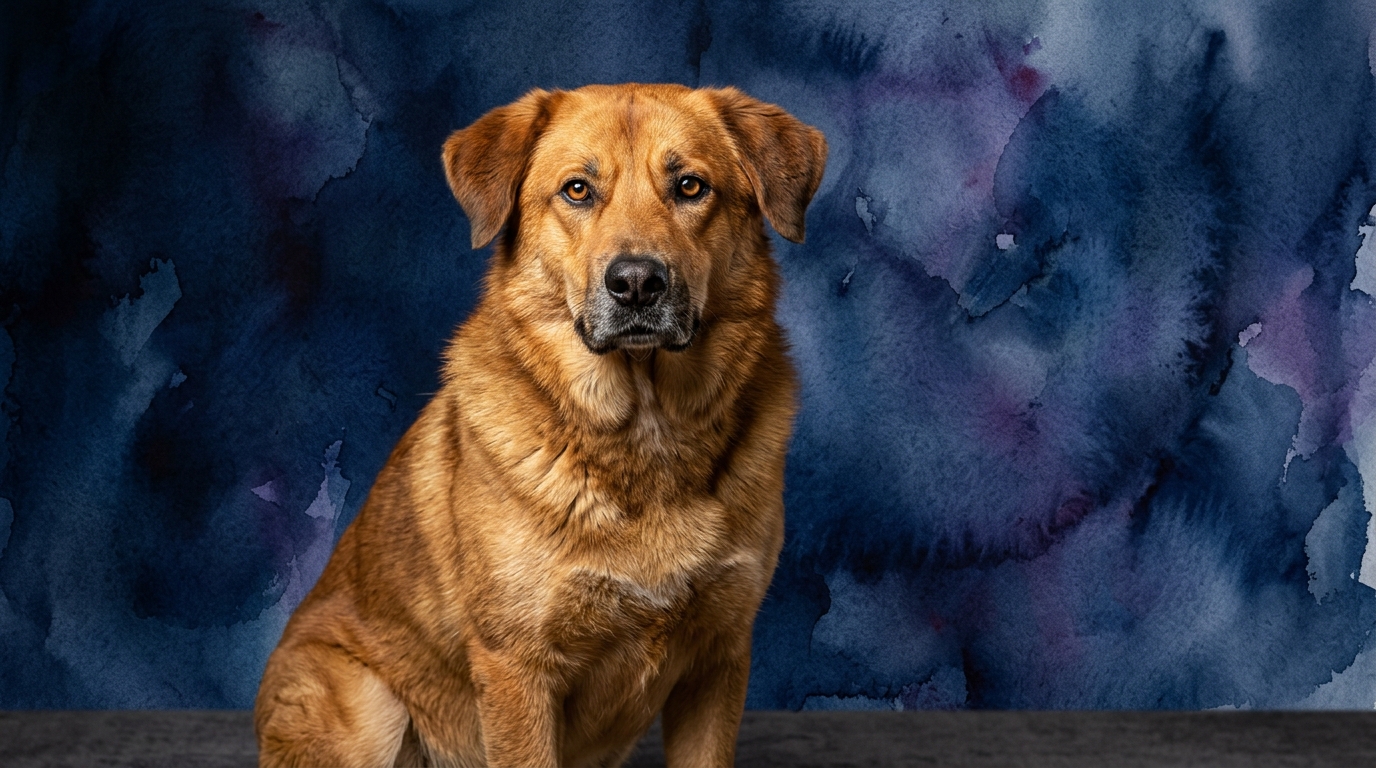
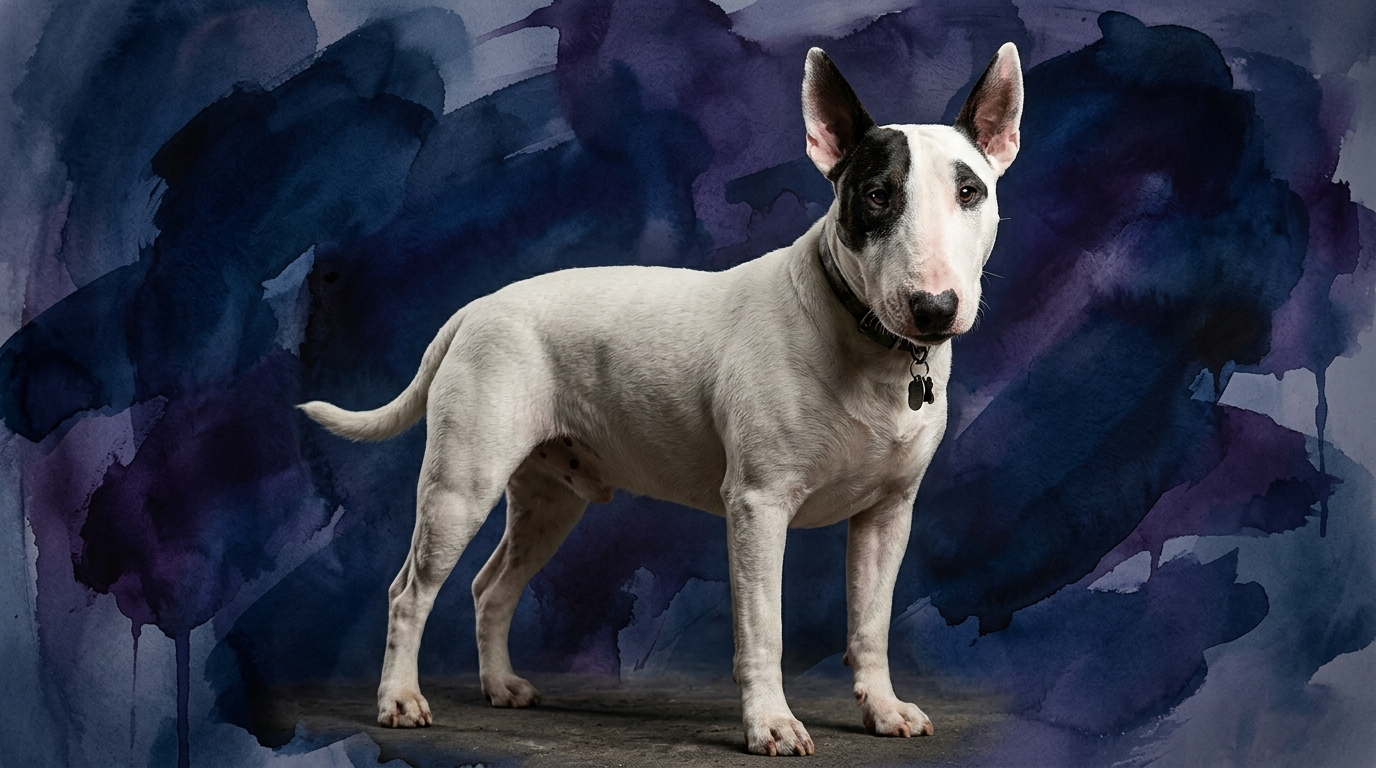
Side-by-Side Cognitive Profiles: Chinook vs. Bull Terrier
**Chinook (Working Group):** As a breed not included in Coren's rankings, the Chinook's cognitive traits are understood through their working heritage. Their **Problem Solving (3/5)** reflects an aptitude for practical challenges, particularly those involving navigation, endurance, and collaborative effort within a structured task. They excel at deciphering efficient paths or working in unison with a team to achieve a goal. Their **Training Speed (3/5)** indicates they generally absorb new commands at a moderate pace, demonstrating a willingness to learn with clear, consistent methods and often striving to execute tasks effectively for their human partners. **Social Intelligence (3/5)** for the Chinook means they exhibit a solid grasp of social cues, forming deep bonds with their family and often displaying a nuanced understanding of human emotions and intentions, integrating well into family dynamics and reading other canines. Their **Instinctive Drive (3/5)** is rooted in their sled dog heritage, manifesting as a moderate desire for purposeful activity, pulling, and exploring, often channeled into sustained effort rather than impulsive bursts. Finally, their **Memory (3/5)** is reliable for learned commands, established routines, and past experiences, allowing them to build upon previous training and adapt effectively.
**Bull Terrier (Terrier Group, Coren Rank #66):** The Bull Terrier, despite their Coren ranking, shares identical lab scores with the Chinook. Their **Problem Solving (3/5)** speaks to a resourceful and often persistent nature. They can be particularly adept at finding creative, sometimes mischievous, solutions to achieve their own desired outcomes, whether it's opening a cabinet or obtaining a coveted toy, driven by a singular focus. Their **Training Speed (3/5)** means they learn new commands at a moderate pace, but their independent streak means their willingness to comply can vary; effective training often requires engaging their unique sense of humor and leveraging positive reinforcement. In terms of **Social Intelligence (3/5)**, Bull Terriers display a strong connection with their core family, often exhibiting a profound understanding of their owners' moods and routines, though they can be more reserved with strangers. Their **Instinctive Drive (3/5)**, characteristic of the Terrier group, often involves a tenacious pursuit of interests, whether it’s digging, chasing small animals, or engaging in vigorous play, marked by a stubborn focus once fixated. Like the Chinook, Bull Terriers have a **Memory (3/5)** that retains both training and social experiences, remembering routines, learned behaviors, and the consequences of their actions, which can be both a blessing and a challenge for owners.
Where the Chinook Shines Cognitively
The Chinook's cognitive strengths lean towards collaborative intelligence and the sustained application of focus. Their problem-solving (3/5) is frequently geared towards understanding and executing multi-step tasks within a team environment, making them particularly adept at activities requiring synchronicity with a human partner or other dogs. Their working heritage fosters a mindset where solutions are sought for collective benefit or to achieve a shared objective, rather than purely individualistic endeavors. This manifests in their ability to maintain concentration over longer periods, breaking down complex tasks into manageable segments, which is invaluable in activities like long-distance trekking or competitive obedience.
Where the Bull Terrier Excels Cognitively
The Bull Terrier's cognitive prowess is often observed in their tenacious resourcefulness and individualistic problem-solving (3/5). While equally capable of addressing challenges, their approach is frequently characterized by a singular determination to achieve a personal goal, even if it requires a unique or unconventional method. This can mean figuring out how to bypass an obstacle to reach something they desire or persistently working at a puzzle until it yields. Their Coren rank of #66 suggests a degree of independent thought, and this translates into a creative form of cleverness, where they might 'think outside the box' to get what they want, sometimes to the amusement or frustration of their owners.
Ease of Training: A Question of Motivation
Both breeds rate 3/5 in training speed, yet the *path* to effective training diverges significantly due to behavioral nuances. The Chinook, stemming from a working background, often possesses a natural inclination to cooperate and please their human handler. Their training is typically a process of guiding their inherent drive and desire for partnership, responding well to positive reinforcement and clear directives. They thrive on having a job and understanding their role, making them generally receptive to learning new commands and routines with consistent effort.
Conversely, the Bull Terrier's independence and strong will, reflected in their Terrier group classification and Coren ranking, means training requires a more engaging and persuasive approach. While they learn at a similar pace, their compliance is often contingent on their perception of the activity's value or enjoyment. Owners must make training fun, varied, and highly rewarding to keep a Bull Terrier invested. They respond best to positive reinforcement that appeals to their playful and sometimes stubborn nature, requiring patience and a strong understanding of their unique motivations to achieve consistent results.
Ideal Lifestyles: Active Partnership vs. Engaging Companionship
The Chinook is well-suited for active owners who relish outdoor adventures and appreciate a canine partner eager for shared experiences. Their working heritage means they thrive on regular, purposeful exercise, such as hiking, sledding, or long walks, combined with mental stimulation that engages their collaborative problem-solving. They are not content to be solely backyard dogs but seek to be an integral part of their family's activities, making them an excellent fit for individuals or families with an active, outdoor-oriented lifestyle.
The Bull Terrier, while possessing bursts of energetic playfulness, can also adapt to a more relaxed indoor rhythm, provided their needs for mental engagement and vigorous exercise are met daily. They suit owners who appreciate their quirky personality and are prepared to provide structured play, puzzle toys, and consistent training to channel their tenacious drive. They are often described as 'big softies' indoors, enjoying cuddles and downtime, but require dedicated periods of activity to prevent boredom and destructive behaviors. This makes them suitable for owners who are active but also enjoy periods of quiet companionship, understanding the need for a balanced approach to exercise and mental stimulation.
The Verdict
Choose a Chinook if you seek a cooperative, focused canine partner for outdoor adventures and collaborative tasks, valuing their consistent effort and desire for shared purpose.
Opt for a Bull Terrier if you appreciate a tenacious, resourceful, and uniquely individualistic companion who thrives on engaging mental challenges and a balanced mix of activity and affectionate downtime.
🧠 Find Your Pet's IQ Score
Our Pet IQ Lab assessment covers 25+ tests across 5 cognitive dimensions — personalized to your breed.
Take the Full IQ Test →Frequently Asked Questions
Do identical IQ scores mean Chinook and Bull Terriers are equally easy to train?
While both breeds score 3/5 in training speed, their underlying motivations differ. Chinooks often display a greater eagerness to please, making them generally more cooperative. Bull Terriers, with their independent streak, require more creative and highly rewarding training methods to maintain engagement and compliance.
How does their problem-solving differ despite both being 3/5?
The Chinook's problem-solving often involves collaborative tasks and efficient navigation, leveraging their working intelligence for shared goals. The Bull Terrier's problem-solving tends to be more individualistic and tenacious, focused on achieving their own desired outcomes, sometimes through clever, unconventional means.
Which breed is better for a first-time dog owner?
The Chinook's cooperative nature and desire to please might make them slightly more forgiving for a first-time owner willing to provide consistent training and ample activity. A Bull Terrier, while affectionate, requires a confident, experienced owner who understands their independent and sometimes stubborn personality to manage their strong will effectively.