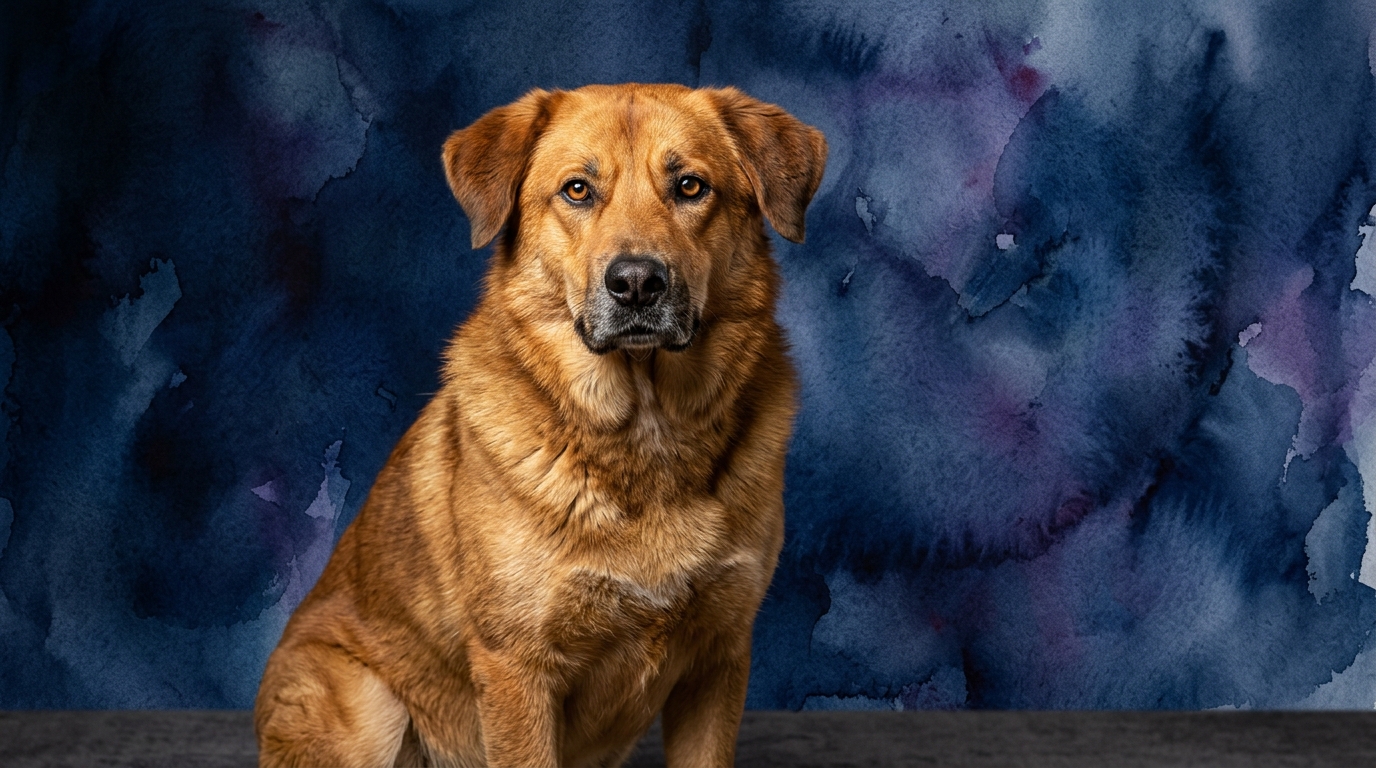
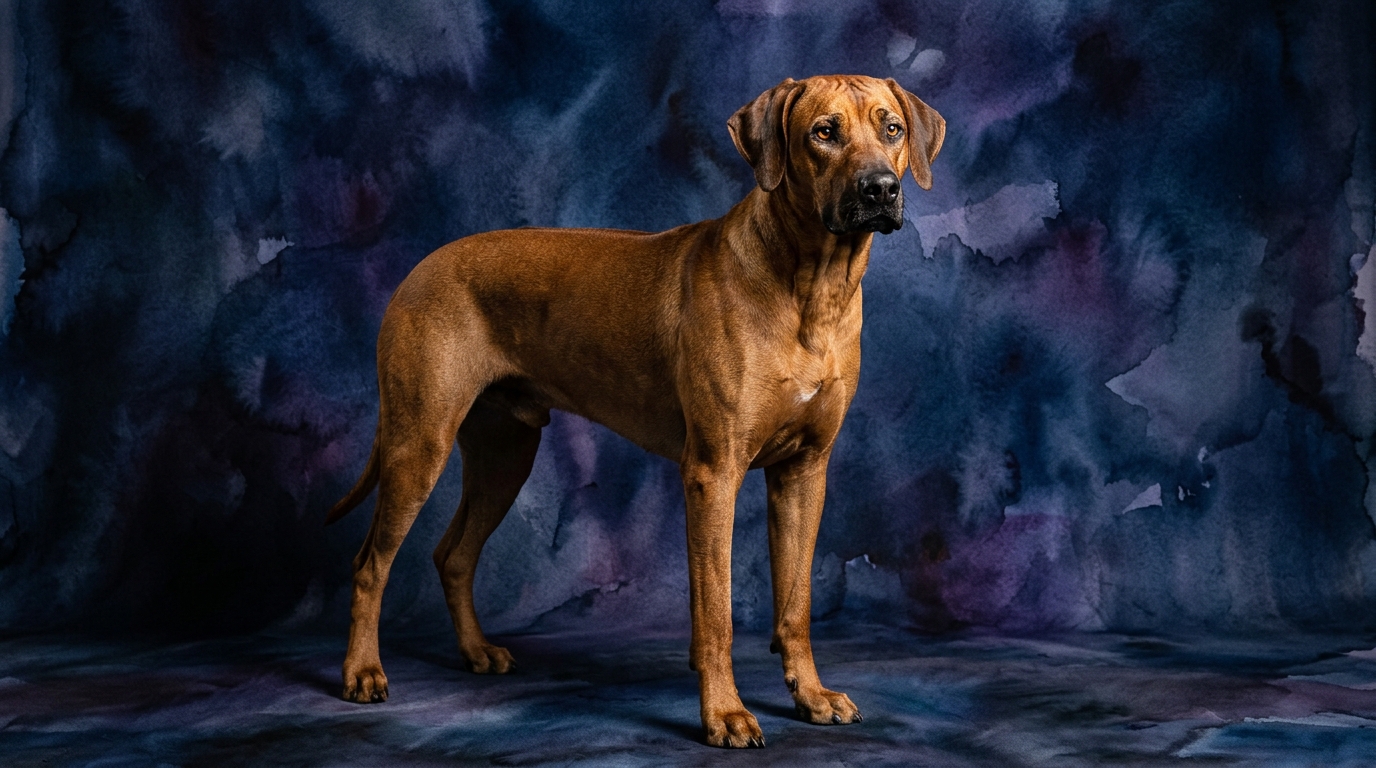
Side-by-Side Cognitive Profiles
The Cosmic Pet Pet IQ Lab assesses canine intelligence across five critical dimensions: Problem Solving, Training Speed, Social Intelligence, Instinctive Drive, and Memory. Both the Chinook and the Rhodesian Ridgeback register a consistent 3/5 in every category, suggesting a solid, average capacity for learning and adaptation. Yet, the *application* of these scores is profoundly shaped by their breed origins and the tasks they were historically bred to perform.
For the **Chinook**, a dog from the Working Group, their 3/5 Problem Solving often translates to navigating physical obstacles in a team context, like finding the best path through snow or strategizing how to pull a load efficiently. Their 3/5 Training Speed indicates a moderate willingness to learn and respond to commands, often fueled by a desire to cooperate with their human partner. Social Intelligence at 3/5 means they are generally receptive to human cues and group dynamics, important for their original sledding roles. Their 3/5 Instinctive Drive relates to their endurance, pulling power, and desire for purposeful work. Memory at 3/5 allows them to recall routes, routines, and learned behaviors reliably, crucial for consistent performance in working tasks.
The **Rhodesian Ridgeback**, classified within the Hound Group and holding a Coren rank of #52, also scores 3/5 across the board, but their cognitive strengths are often directed differently. Their 3/5 Problem Solving is typically applied to independent tasks, such as tracking a scent or figuring out how to approach quarry, often requiring self-directed ingenuity. Training Speed at 3/5 means they are capable of learning, but their independent hound nature can sometimes lead to selective hearing if a more compelling stimulus (like a scent) is present. Social Intelligence at 3/5 allows them to form strong bonds with their families and understand pack hierarchy, but their focus might be less on constant human direction. Their 3/5 Instinctive Drive is powerfully linked to their prey drive, keen senses for tracking, and territorial instincts. Memory at 3/5 enables them to remember scent trails, secure areas, and routines, aiding their effectiveness as guardians and hunters.
Where Chinook Wins Cognitively
While both breeds possess a balanced cognitive profile, the Chinook often excels in situations demanding collaborative problem-solving and sustained engagement in structured tasks. Their history as sled dogs instilled a deep-seated drive for teamwork and a willingness to operate within a defined framework. A Chinook's 3/5 problem-solving skill, coupled with their 3/5 social intelligence, means they are often more inclined to look to their human for guidance and work *with* them to overcome challenges. For instance, in an agility course or a complex obedience routine, a Chinook is more likely to maintain focus on human instructions, making nuanced adjustments based on cues, even when faced with novel elements. Their memory, also 3/5, is particularly effective for retaining sequential commands and routines, making them dependable partners in repetitive, goal-oriented activities. This collaborative spirit provides a subtle cognitive advantage for owners seeking a canine partner for intricate, shared endeavors.
Where Rhodesian Ridgeback Wins Cognitively
The Rhodesian Ridgeback, despite identical IQ scores, often demonstrates a cognitive edge in areas requiring independent thought, acute sensory perception, and self-directed problem-solving. Their heritage as lion hunters in Africa cultivated a robust capacity for making decisions autonomously and relying on their own keen senses. A Ridgeback's 3/5 problem-solving ability, integrated with their strong 3/5 instinctive drive, shines when they are given a task that allows them to utilize their natural tracking skills or territorial instincts. They excel at figuring out complex scent puzzles or independently assessing and navigating their environment to achieve a goal. Their social intelligence, while present, is often less about constant deference and more about understanding their place within a family unit while retaining their self-reliance. For owners who value a dog capable of independent exploration and decision-making in certain contexts, the Ridgeback's cognitive makeup offers a distinct advantage, particularly in activities like advanced scent work or patrolling a property where their natural discernment is paramount.
Which is Easier to Train and Why
When considering ease of training, the distinction between a working breed and a hound becomes particularly relevant, even with identical 3/5 Training Speed scores. The Chinook, stemming from a working background, typically possesses a stronger innate desire to please and collaborate with their human handler. Their historical role demanded a responsiveness to commands and a willingness to work in concert with a team, making them generally more intrinsically motivated by positive reinforcement and human approval during training sessions. While they still require consistent effort, their inherent cooperative nature often means they are more readily engaged and less likely to become distracted by environmental stimuli during focused learning periods.
The Rhodesian Ridgeback, on the other hand, embodies the independent spirit of a hound. Their 3/5 Training Speed indicates they are perfectly capable of learning, but their strong instinctive drive and self-reliant nature mean they are more prone to making their own decisions, especially if a compelling scent or visual stimulus captures their attention. Training a Ridgeback often requires more patience, creativity, and a deep understanding of their motivations. They respond best to fair, consistent methods that engage their intelligent minds and provide clear benefits. While they can achieve high levels of obedience, their willingness to comply can be more conditional, requiring an owner who can consistently out-think and motivate them, rather than relying solely on a desire to please. The difference isn't in their capacity to learn, but in their intrinsic motivation and a predisposition towards independent action over constant human direction.
Which Suits Active Owners vs. Relaxed Owners
Both the Chinook and the Rhodesian Ridgeback are robust, active breeds that thrive with regular physical and mental engagement, making neither truly suited for a relaxed, sedentary lifestyle. However, their specific cognitive and physical needs align with different types of active owners.
The **Chinook** is an excellent match for owners who enjoy structured outdoor activities and appreciate a canine partner eager to participate in shared endeavors. Their working heritage means they excel in activities like hiking, canicross, skijoring, or dog sports that require teamwork and consistent effort. Owners who prefer a dog that is readily engaged in training, enjoys learning new routines, and thrives on having a 'job' will find the Chinook's balanced cognitive profile and cooperative nature highly rewarding. They need an owner who can provide consistent mental stimulation through training and tasks, complementing their physical exercise.
The **Rhodesian Ridgeback**, while equally active, often appeals to owners who appreciate a dog with a strong independent streak and a love for exploration. Their hound instincts mean they flourish with long, varied walks where they can engage their keen sense of smell, or activities that allow for bursts of speed and self-directed investigation. Owners who enjoy exploring varied terrains, are patient with a dog's independent decision-making during outings, and can provide ample opportunities for free-running in secure areas will find a compatible partner in the Ridgeback. While they need mental engagement, it might be less about structured obedience and more about scent work, puzzle toys, or allowing them to 'think for themselves' within safe boundaries. They are not a breed for those seeking a low-maintenance exercise routine or a constantly compliant companion.
The Verdict
Choose the Chinook if you desire a collaborative, cooperative canine partner for structured activities and thrive on working together towards shared goals.
Opt for the Rhodesian Ridgeback if you appreciate an independent, self-reliant companion with a strong investigative drive, and you are prepared to manage a hound's distinct motivations.
🧠 Find Your Pet's IQ Score
Our Pet IQ Lab assessment covers 25+ tests across 5 cognitive dimensions — personalized to your breed.
Take the Full IQ Test →Frequently Asked Questions
Do the identical IQ scores mean these breeds are exactly alike cognitively?
No, identical scores indicate a similar *capacity* for intelligence across dimensions, but their breed histories dictate how these capacities are applied. Chinooks often apply their intelligence collaboratively, while Ridgebacks tend towards independent problem-solving.
Can a Rhodesian Ridgeback be as obedient as a Chinook?
Yes, a Rhodesian Ridgeback can achieve high levels of obedience, but it often requires more consistent, creative, and patient training due to their independent hound nature compared to the Chinook's more cooperative working dog disposition.
Which breed is better for first-time dog owners?
Neither breed is typically recommended for entirely novice owners due to their energy levels and specific training needs. However, a Chinook might be slightly more forgiving for a dedicated first-timer willing to learn, given their cooperative nature, whereas a Ridgeback demands a more experienced handler to navigate their independence effectively.