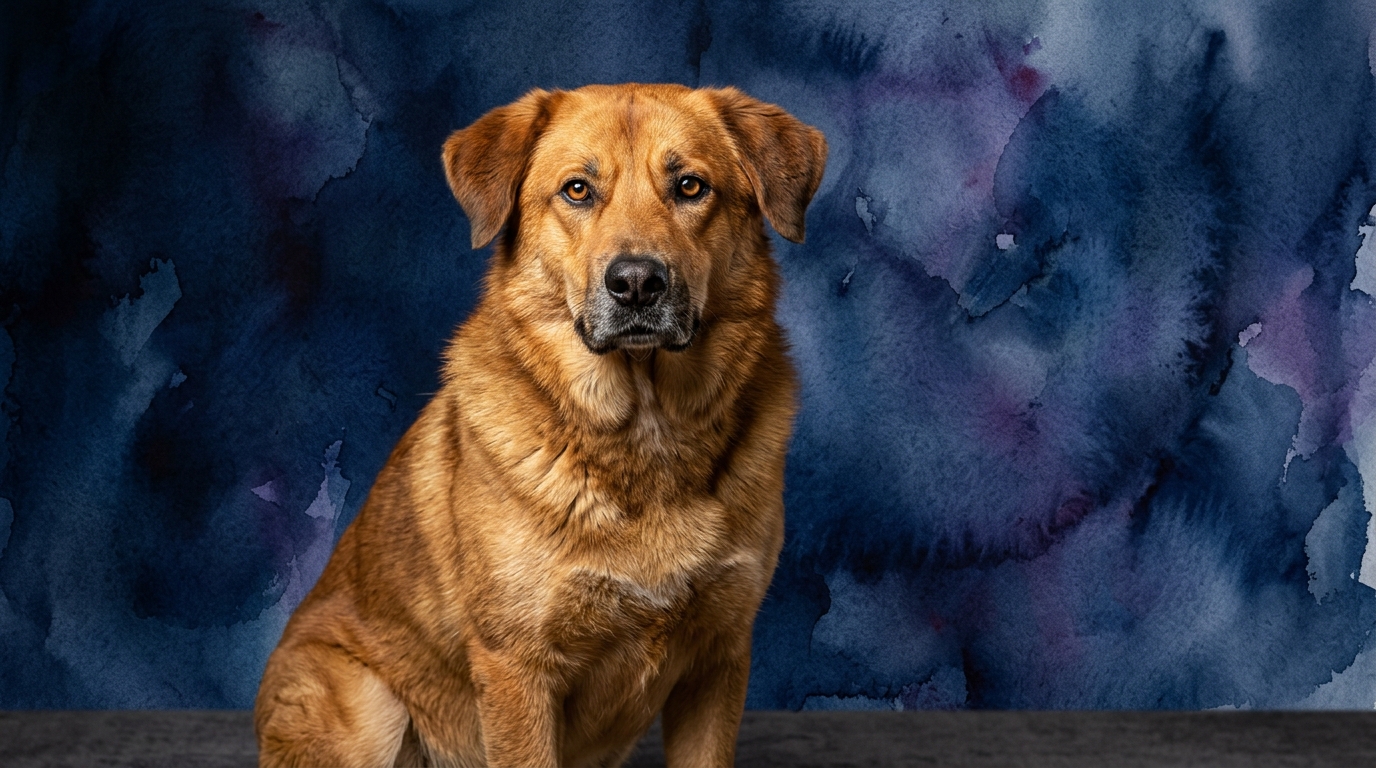
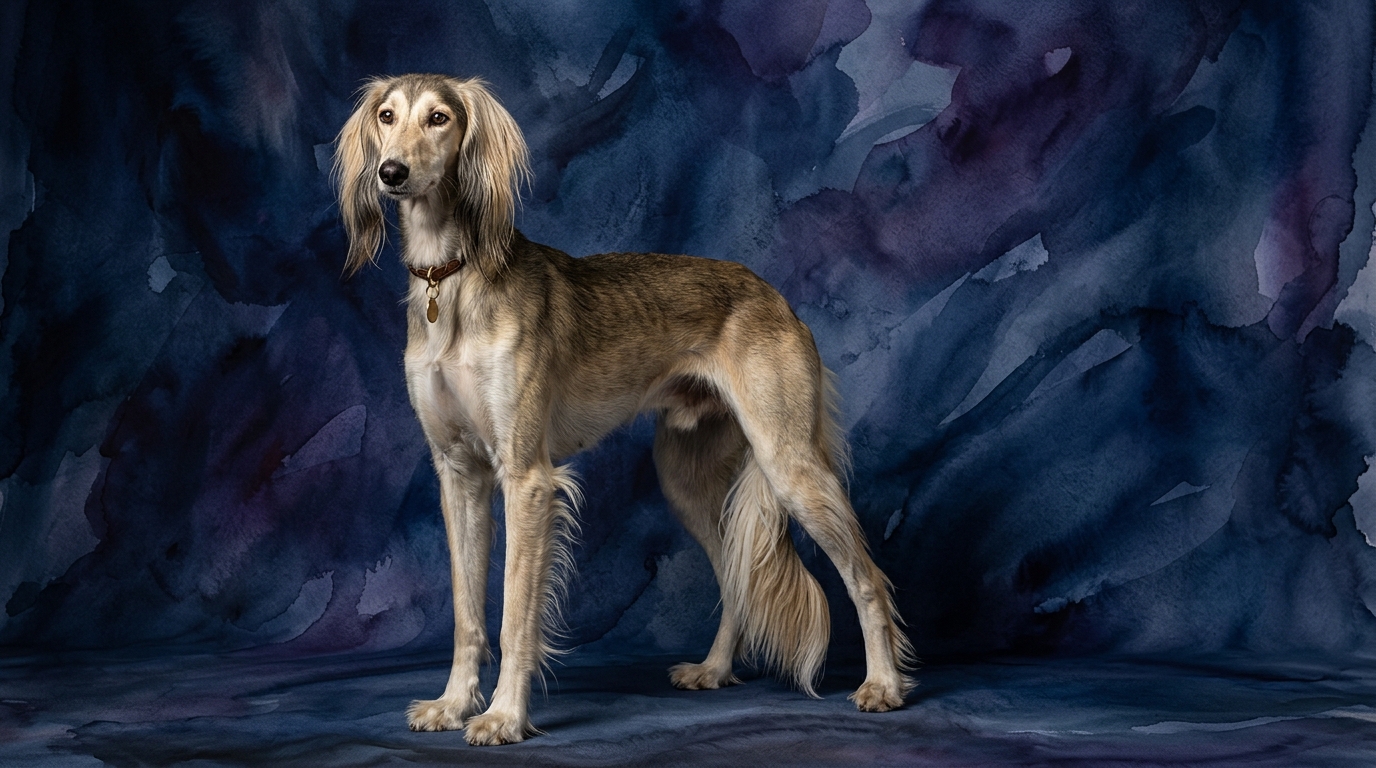
Side-by-Side IQ Profile: Unpacking the 3/5 Scores
At first glance, the Pet IQ Lab scores for both the Chinook (Working Group) and the Saluki (Hound Group) present a uniform picture: 3/5 across Problem Solving, Training Speed, Social Intelligence, Instinctive Drive, and Memory. This consistent rating suggests a moderate, balanced cognitive capacity in both breeds, indicating neither extreme difficulty nor exceptional ease in these areas. However, the *flavor* of these scores—how they are expressed behaviorally—is where their paths diverge significantly.
For the Chinook, a 3/5 in Problem Solving typically manifests as a cooperative approach; they are capable of figuring out tasks, especially when working alongside a human partner, often seeking guidance or approval. Their 3/5 Training Speed reflects a steady learning curve, absorbing new commands and routines with consistent positive reinforcement, motivated by the desire to engage with their family. Social Intelligence at 3/5 means they are generally attuned to human moods and social cues, fostering strong, reciprocal bonds. Their 3/5 Instinctive Drive is channelled into purposeful activities, such as pulling or participating in dog sports, rather than unfocused energy. Finally, a 3/5 in Memory indicates a reliable ability to recall learned commands, routines, and familiar people or places.
The Saluki's 3/5 profile, while numerically identical, paints a different picture. Their 3/5 in Problem Solving often leans towards independent, self-serving solutions, particularly those related to their inherent sighthound tendencies like finding vantage points or navigating complex terrain during a chase. Training Speed at 3/5 implies they learn quickly, but their willingness to *perform* a learned task can be highly dependent on their own motivation or perceived reward, rather than handler approval. A 3/5 in Social Intelligence means they are observant and understand social dynamics, but they often express affection and engagement on their own terms, sometimes appearing aloof. Their 3/5 Instinctive Drive is overwhelmingly focused on visual prey detection and pursuit, an ancient instinct that dictates much of their behavior. Their 3/5 Memory is particularly strong for spatial layouts, chase routes, and the location of interesting visual stimuli.
Where the Chinook Wins Cognitively
The Chinook’s cognitive strengths shine brightest in scenarios demanding sustained cooperative effort and a strong partnership with their human. Their 3/5 Problem Solving is often applied in a context of collaboration; they excel at figuring out multi-step tasks or navigating novel environments when given clear direction and encouragement. For instance, in complex agility courses or advanced obedience routines, a Chinook's ability to process sequential commands and adapt to new obstacles, all while maintaining focus on their handler, often surpasses the Saluki’s more independent approach. This collaborative problem-solving is bolstered by their 3/5 Social Intelligence, which allows them to effectively 'read' human intent and respond to subtle cues, making them highly receptive to training and joint activities.
Furthermore, the Chinook's 3/5 Instinctive Drive, rooted in their history as sled dogs, translates into a desire for purposeful work and a sustained effort over time. This drive, combined with their moderate Training Speed and Memory, means they are well-suited to learning and performing consistent tasks that require endurance, whether it's pulling a cart, participating in search and rescue simulations, or even just mastering a lengthy trick repertoire. Their cognitive profile makes them particularly adept at tasks where reliability, consistency, and a willingness to engage in a shared objective are paramount.
Where the Saluki Wins Cognitively
The Saluki's cognitive prowess is distinctly geared towards independent action, keen observation, and explosive, self-directed problem-solving, hallmarks of a sighthound. Their 3/5 Problem Solving often manifests in their ability to quickly assess and react to their environment, especially when a chase instinct is triggered. For example, they might expertly navigate a complex landscape at high speed, making split-second decisions to clear obstacles or change direction without human input, a skill born from centuries of hunting in open desert. This rapid, autonomous decision-making is a key cognitive advantage in situations where immediate, self-reliant action is required.
A Saluki's 3/5 Instinctive Drive is profoundly visual, making them exceptional at detecting distant movement and initiating pursuit. This cognitive focus means they process visual stimuli with remarkable efficiency, often spotting things long before a human or another breed might. Their 3/5 Memory, while balanced, likely excels in recalling specific visual landmarks, preferred running paths, or the layout of areas where they've encountered interesting sights or scents. While their 3/5 Social Intelligence might appear less overtly demonstrative, it allows them to observe and understand social dynamics from a slightly more detached, yet perceptive, perspective, enabling them to choose when and how to engage, rather than constantly seeking interaction. This combination of swift, independent thought and acute visual processing makes the Saluki cognitively superior in tasks requiring quick, self-directed responses to dynamic visual cues.
Which is Easier to Train and Why
When considering ease of training for the average owner, the Chinook generally presents a more straightforward path. Their 3/5 Training Speed is coupled with a 3/5 Social Intelligence that predisposes them to respond positively to human direction and approval. Chinooks typically enjoy the process of learning and working alongside their people, seeing it as an enjoyable bonding activity. Their 3/5 Instinctive Drive, while present, is often pliable and can be channeled into cooperative tasks like obedience, agility, or even pulling sports. They are motivated by praise, treats, and the opportunity to engage with their handler, making them responsive to consistent, positive reinforcement methods. A Chinook's desire to please and their focus on their human partner mean they are often more forgiving of handler inconsistencies and more eager to repeat learned behaviors.
The Saluki, despite also scoring 3/5 in Training Speed, can be a more challenging prospect for inexperienced trainers due to their independent nature. While they are capable of learning quickly, their 3/5 Problem Solving often means they are evaluating 'what's in it for me?' or 'is there something more interesting to do?' Their 3/5 Social Intelligence, while present, doesn't always translate into a strong desire for constant human approval; they might understand a command perfectly but choose not to execute it if a stronger, self-motivated drive (like the sight of a distant movement) takes precedence. Their profound 3/5 Instinctive Drive for chase can make off-leash reliability incredibly difficult in unsecured areas, as their focus can shift instantaneously from their handler to a perceived 'prey.' Training a Saluki requires immense patience, creativity, high-value rewards, and a deep understanding of their sighthound mentality, often feeling more like negotiation than direct instruction. They demand respect for their independence, making them less suited to owners who expect blind obedience.
Which Suits Active Owners vs. Relaxed Owners
For active owners seeking a true canine partner for shared adventures, the Chinook is often the more fitting choice. Their 3/5 Instinctive Drive translates into a need for regular, sustained physical and mental activity, but crucially, they thrive on performing these activities *with* their people. They are built for endurance and enjoy long hikes, cani-cross, skijoring, or engaging in dog sports that require teamwork and sustained effort. Their 3/5 Social Intelligence means they genuinely enjoy being involved in family activities and can become frustrated if left alone or under-stimulated for extended periods. An owner who enjoys daily outdoor excursions, is consistent with training, and desires a dog that actively participates in their lifestyle will find the Chinook's cognitive and physical needs align perfectly.
The Saluki, while undeniably requiring significant exercise, suits an active owner with a different approach. Their 3/5 Instinctive Drive for chase means they need opportunities for explosive, high-speed running, but these must be in securely fenced areas or on a long leash, given their powerful prey drive and independent problem-solving. They are not typically endurance runners in the same vein as a Chinook but rather sprinters. After their intense bursts of activity, Salukis are often content to be relaxed and quiet indoors, appreciating comfortable soft spots. Their 3/5 Social Intelligence means they might seek affection on their own terms and are generally less 'needy' for constant human interaction compared to a Chinook. Therefore, Salukis are ideal for active owners who can provide dedicated outlets for their running instinct (like lure coursing or secure off-leash fields) but also appreciate a calm, elegant companion for the rest of the day, rather than a dog that constantly demands interactive engagement. They are not for owners who envision a perpetually 'on' adventure companion, but rather one that balances intense activity with serene repose.
The Verdict
Choose the Chinook if you seek a cooperative, engaged canine companion for shared adventures and enjoy a consistent, rewarding training partnership.
Opt for the Saluki if you appreciate an independent, elegant dog capable of explosive bursts of speed, and you are willing to embrace a training approach that respects their unique sighthound instincts.
🧠 Find Your Pet's IQ Score
Our Pet IQ Lab assessment covers 25+ tests across 5 cognitive dimensions — personalized to your breed.
Take the Full IQ Test →Frequently Asked Questions
Are Chinooks or Salukis better for first-time dog owners?
For most first-time dog owners, the Chinook is generally more manageable due to their cooperative nature and eagerness to please. Their 3/5 Social Intelligence and balanced drive make them more responsive to conventional training methods and more forgiving of novice errors, fostering a strong bond more readily.
How do their different drives impact their daily life and exercise needs?
The Chinook's 3/5 instinctive drive translates to a need for consistent, purposeful engagement alongside their owner, such as long walks, hikes, or structured dog sports. The Saluki's 3/5 drive is primarily for chase, requiring secure, large areas for sprinting or lure coursing to satisfy their intense, yet intermittent, need for speed.
Do either breed excel in specific dog sports based on their IQ profile?
Yes, Chinooks often excel in sports requiring teamwork and sustained effort like obedience, agility, or working trials due to their cooperative problem-solving and social intelligence. Salukis, with their independent problem-solving and powerful chase drive, are natural champions in lure coursing, racing, and activities that leverage their incredible speed and visual acuity.