Side-by-Side: Unpacking Their Cognitive Profiles
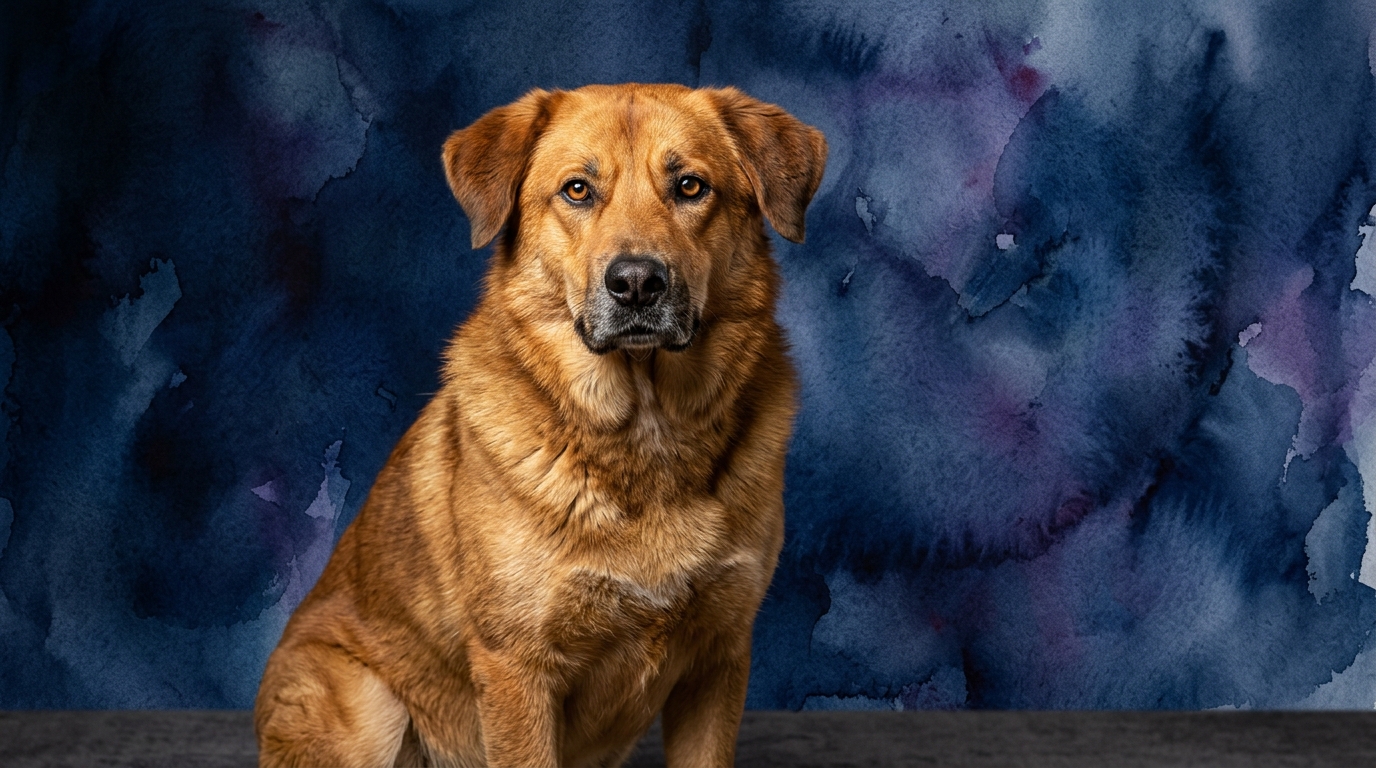
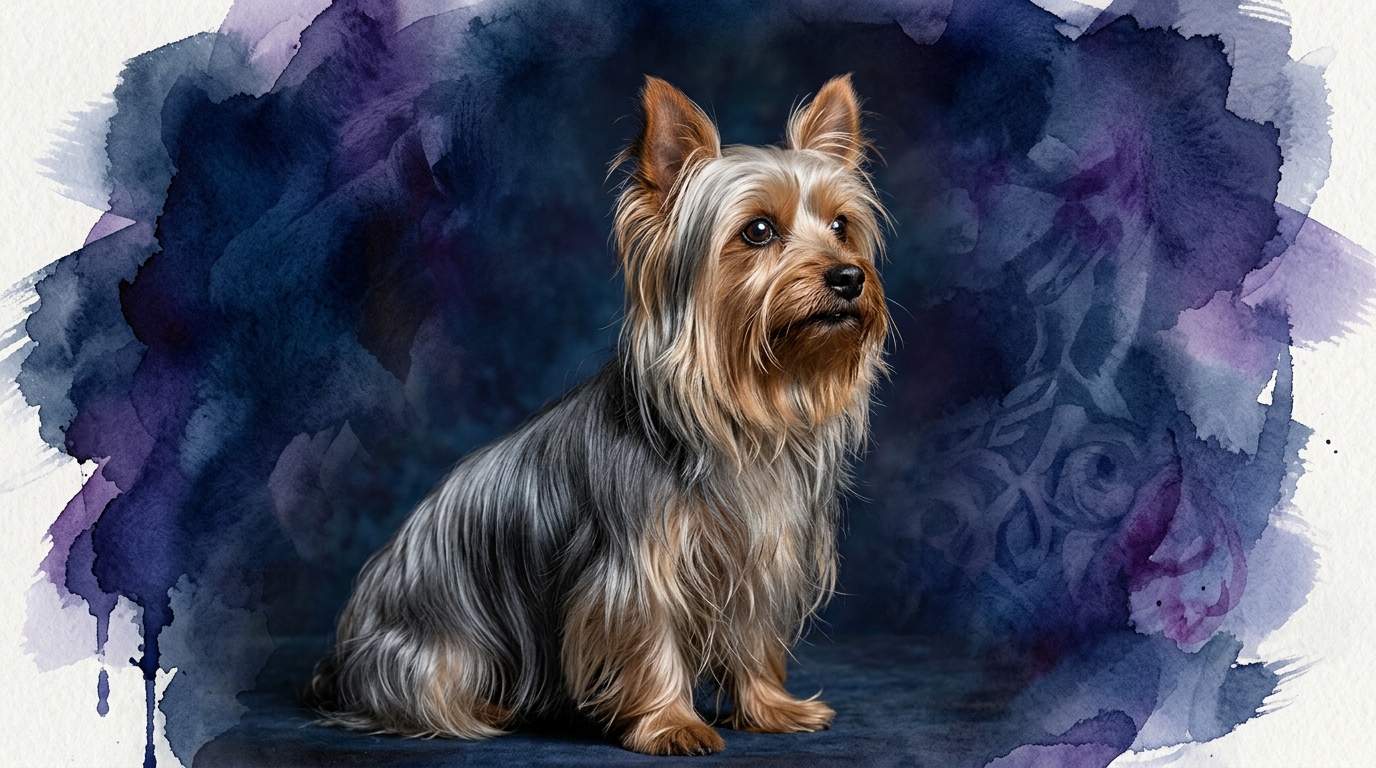
Despite both the rugged Chinook and the spirited Silky Terrier scoring identically across five key cognitive dimensions, their application of these scores is deeply rooted in their historical roles. These ratings, while numerically equal, paint a picture of divergent mental landscapes.
**Problem Solving (3/5):** For the Chinook, a breed developed for sledding and hauling, a 3/5 in problem-solving often translates to navigating complex trails, assessing environmental obstacles, and strategizing the most efficient route for a team. Their cognitive efforts are geared towards practical, large-scale, and often physically demanding challenges. In contrast, the Silky Terrier, originally a ratting and companion dog, demonstrates its 3/5 problem-solving acumen through more localized and immediate challenges, such as figuring out how to retrieve a toy from under furniture, unlocking a puzzle feeder, or manipulating objects to gain access to a desired spot within a home environment. Their solutions are often agile and focused on immediate gratification or environmental mastery.
**Training Speed (3/5):** Both breeds learn at a moderate pace, but the nature of their learning differs. A Chinook’s 3/5 training speed might involve mastering multi-step commands for intricate working tasks, understanding hand signals from a distance, or adapting to new equipment quickly. Their learning often benefits from clear purpose and a strong bond with their handler, driven by a desire to collaborate. The Silky Terrier’s 3/5 training speed is often observed in their ability to quickly pick up on household routines, learn a variety of tricks for attention, and understand nuanced vocal cues. While capable learners, their terrier tenacity might mean they evaluate 'what's in it for me' before complying, potentially requiring more consistent and engaging reinforcement strategies.
**Social Intelligence (3/5):** A Chinook’s social intelligence rating of 3/5 typically manifests as a deep understanding of pack dynamics, whether within a multi-dog household or a working team. They are often attuned to their handler's moods during cooperative tasks and can exhibit a nuanced understanding of canine social cues, fostering harmonious relationships within their established group. The Silky Terrier’s 3/5 social intelligence, on the other hand, is generally expressed through their keen observation of human family dynamics. They excel at reading individual human emotions, anticipating household routines, and skillfully communicating their needs or desires to their people, often forming intensely devoted bonds with a select few.
**Instinctive Drive (3/5):** The Chinook’s 3/5 instinctive drive is powerfully expressed through their inherent desire to pull, their impressive endurance for sustained activity, and their natural inclination for scent tracking, particularly useful for navigation or locating. These drives are deeply woven into their identity as a working dog. The Silky Terrier’s 3/5 instinctive drive is dominated by its potent prey drive, a legacy from its vermin-hunting ancestors, leading to a strong reaction to small, fast-moving objects. They also possess a significant territorial alertness, often expressed through vocalizations, and a robust desire for close companionship and engagement with their human family.
**Memory (3/5):** For the Chinook, a 3/5 memory score is critical for recalling complex routes, remembering sequences of commands for specific tasks, and retaining spatial information over vast areas, which is vital for their working heritage. They often remember specific people and places even after long periods. The Silky Terrier’s 3/5 memory is typically demonstrated by their precise recall of daily household routines, remembering the location of favorite toys or hiding spots, and accurately identifying familiar and unfamiliar visitors. Their memory is often linked to comfort, routine, and social interactions within their immediate environment.
Where the Chinook Wins Cognitively
The Chinook, with its heritage as a sled and working dog, demonstrates particular cognitive strengths in areas requiring sustained mental effort and large-scale environmental awareness. Their ability to maintain focus and problem-solve over extended periods, often in challenging outdoor conditions, is a notable advantage. They excel at understanding and executing complex, multi-step sequences of commands, especially when these tasks have a clear purpose or contribute to a shared goal with their handler. Their spatial memory for routes and landmarks is often superior, allowing them to navigate varied terrains with confidence. Furthermore, their collaborative intelligence, the capacity to work effectively as part of a team—be it with other dogs or humans—for a common objective, is a hallmark of their cognitive makeup, allowing them to interpret subtle cues within a working partnership and adjust their efforts accordingly.
Where the Silky Terrier Wins Cognitively
The Silky Terrier’s cognitive advantages lie in their adaptability to diverse indoor environments and their acute social observation skills. Their small size and historical role as companions and vermin hunters have honed their ability to quickly assess and react to subtle changes in their immediate surroundings, making them adept at noticing small details that larger breeds might overlook. They often exhibit exceptional fine-grained social intelligence, picking up on nuances in human tone, body language, and emotional states with remarkable precision, which allows them to tailor their interactions for optimal engagement or comfort. Their tenacity in pursuing a goal, often linked to their prey drive, translates into a persistent problem-solving approach for obtaining desired objects or attention. This breed also demonstrates a quick mental agility in shifting focus between tasks or stimuli, allowing them to rapidly adapt to new situations within their domestic sphere.
Training Dynamics: Chinook vs. Silky Terrier
While both breeds share a 3/5 rating for training speed, the 'how' and 'what' of their training experiences diverge significantly. The Chinook, as a working breed, often thrives on structured, purpose-driven training that engages both their mind and body. They respond well to clear, consistent instruction and positive reinforcement, particularly when the training feels like a collaborative effort towards a tangible goal. Their physical drive means that training sessions that incorporate movement, variety, and the opportunity to 'work' are often most effective, leveraging their inherent desire to contribute. However, their independence, a trait useful for making decisions on a trail, can sometimes manifest as a thoughtful pause before complying with a command, requiring a patient and understanding handler who can maintain motivation.
The Silky Terrier, conversely, while also a capable learner, often brings a distinct terrier tenacity to the training ring. They are often quick to learn but may also be quick to test boundaries or decide if a command is worth their effort based on immediate reward. Their small stature and high alertness mean they can be easily distracted by small movements or sounds, requiring training environments that minimize such stimuli. Consistency is paramount with a Silky Terrier, as they are adept at identifying and exploiting any loopholes in rules. Positive reinforcement, often in the form of high-value treats or engaging play, is typically very effective, but trainers must be prepared for their independent spirit and occasional stubborn streak. Their sensitivity also means harsh corrections are counterproductive, fostering distrust rather than compliance. Ultimately, both breeds benefit from early socialization and consistent, positive reinforcement, but the Chinook often seeks to partner in tasks, while the Silky Terrier may require more convincing that the task serves their immediate interest or provides sufficient reward.
Matching Breeds to Lifestyles: Active vs. Relaxed Owners
Understanding the inherent drives and energy levels of these breeds is crucial when considering their suitability for different owner lifestyles. The Chinook is undeniably a breed for active owners, or those seeking a dedicated partner for adventures. Their robust build, high endurance, and inherent desire for a 'job' mean they require substantial daily exercise, often including long walks, hikes, or opportunities for pulling a cart or sled. Owners who enjoy outdoor activities year-round and can provide consistent mental and physical stimulation will find a Chinook to be an immensely rewarding companion. A relaxed, sedentary lifestyle would likely lead to frustration and potential behavioral issues for a Chinook, as their needs for engagement and activity would not be met.
The Silky Terrier, while small, is far from a sedentary lap dog and also suits active owners, albeit ones whose activity might look different. They possess surprising energy and require regular walks, playtime, and mental enrichment to keep them content. Their agility and enthusiasm make them excellent candidates for dog sports like agility or earthdog trials, appealing to owners who enjoy structured activities with their smaller canine companions. However, due to their size, their exercise needs can often be met with consistent indoor play sessions combined with daily outdoor excursions, making them adaptable to more urban or slightly less intensely active households than a Chinook. They can fit well with owners who are home frequently and enjoy engaging their dog in interactive games and short, frequent bursts of activity, balancing their energetic bursts with periods of relaxed companionship.
The Verdict
Choose the Chinook if you are an active, outdoors-oriented individual or family seeking a collaborative partner for adventures, working tasks, and sustained physical engagement in varying environments.
Opt for the Silky Terrier if you desire a spirited, observant, and tenacious companion who thrives on close family interaction, enjoys varied mental challenges, and requires consistent, engaging activity that can be adapted to smaller living spaces.
🧠 Find Your Pet's IQ Score
Our Pet IQ Lab assessment covers 25+ tests across 5 cognitive dimensions — personalized to your breed.
Take the Full IQ Test →Frequently Asked Questions
Do Chinooks and Silky Terriers have the same intelligence?
Based on our IQ lab metrics, both the Chinook and Silky Terrier exhibit identical scores across problem-solving, training speed, social intelligence, instinctive drive, and memory. However, the *application* of these cognitive abilities differs significantly due to their distinct breed histories and purposes.
Which breed is better for first-time dog owners?
Neither breed is typically recommended for novice owners without significant commitment to understanding their specific needs. Chinooks require extensive exercise and structured training for their working drives, while Silky Terriers, despite their size, possess a tenacious terrier spirit and high alertness that demands consistent socialization and firm, positive guidance to prevent undesirable behaviors.
Are these breeds good with children?
Chinooks, with proper socialization and training, can be patient and gentle family dogs, often forming strong bonds with children due to their pack-oriented nature. Silky Terriers can also be good with respectful children, but their smaller size and potential for a strong prey drive mean interactions should always be supervised, as they may not tolerate rough play as readily as larger, more robust breeds.