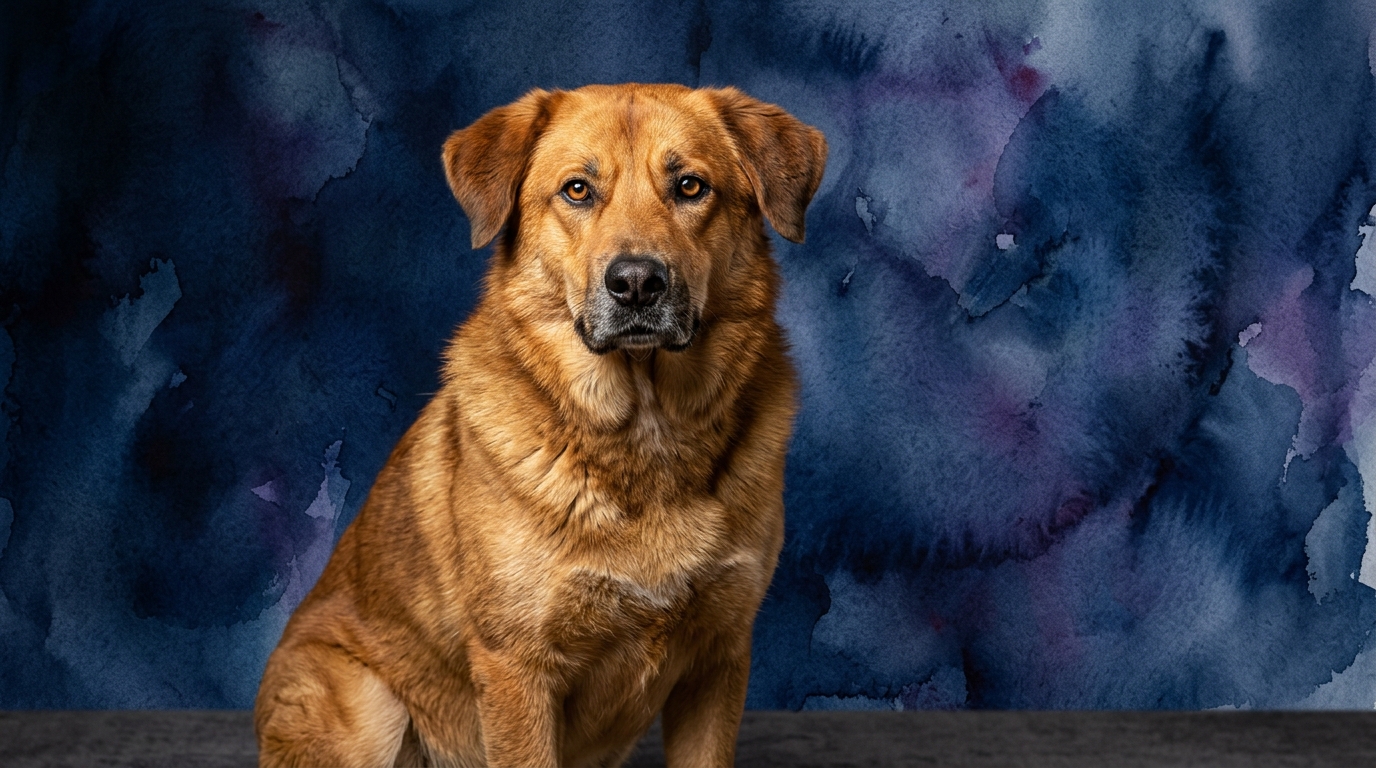
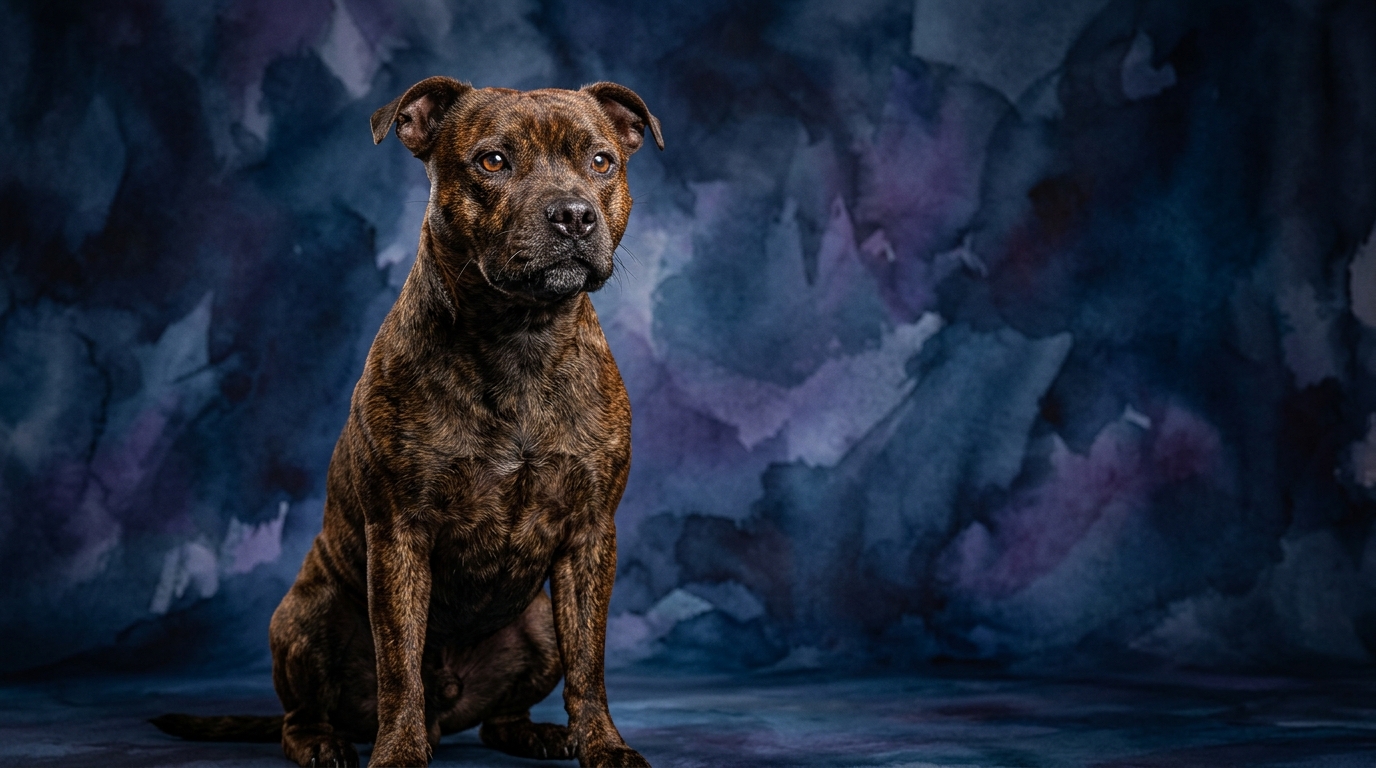
Side-by-Side Cognitive Profiles
At first glance, the Chinook and Staffordshire Bull Terrier present identical scores across our five cognitive dimensions, each earning a '3 out of 5'. However, a deeper dive into their breed-specific manifestations of these traits reveals nuanced differences shaped by their distinct historical roles.
For the **Chinook**, a breed developed for sledding and companionship, a Problem Solving score of 3/5 indicates an aptitude for navigating complex physical environments and executing sequential tasks. Their solutions often involve strategic pathfinding and resource management, rather than abstract puzzle-solving, learning to optimize effort for maximum output. Their Training Speed, also 3/5, reflects their efficiency in grasping commands when instruction is clear and consistent, especially when it contributes to a larger goal, with learning reinforced by the positive outcome of completing a task successfully. Social Intelligence at 3/5 means they read human intentions well within a working partnership, understanding when to pull, when to rest, and when to follow a new direction, making them highly responsive to coordinated efforts. Their Instinctive Drive (3/5) is particularly strong for sustained physical activity and cooperative effort, manifesting as a desire to contribute actively to family life and participate in outdoor adventures. Finally, their Memory (3/5) extends to complex sequences of actions and geographical landmarks, allowing them to navigate familiar trails or perform multi-step tasks with precision and independence once learned.
The **Staffordshire Bull Terrier**, a breed with a history rooted in tenacious sport and devoted companionship, interprets the same 3/5 scores differently. Their Problem Solving (3/5) involves a clever, often physical, approach to overcoming immediate challenges. They might figure out how to manipulate latches or retrieve hidden toys through persistent trial and error, driven by strong motivation. Training Speed, also 3/5, means they can pick up new commands with enthusiasm, especially when training sessions are dynamic and involve interactive play, with learning often tied to immediate reward and positive attention from their handler. Their Social Intelligence (3/5) manifests as exceptional perceptiveness of human emotions, often responding with comforting gestures or playful invitations, with their social acumen geared towards fostering deep, affectionate bonds within their household. The Staffordshire Bull Terrier's Instinctive Drive (3/5) translates into a zest for life, a strong play drive, and a tenacious spirit in games like tug-of-war, approaching challenges with robust, unyielding determination. Their Memory (3/5) readily recalls specific people, places, and the routines associated with their daily lives, with their memory for past interactions significantly shaping their future responses and relationships.
Where the Chinook Wins Cognitively
The Chinook’s cognitive strengths are deeply rooted in its heritage as a working sled dog, leading to a distinct advantage in specific areas. They demonstrate superior aptitude for tasks requiring sustained, methodical application of effort and sequential problem-solving within a dynamic environment. For instance, a Chinook might instinctively learn the most efficient path through varied terrain or consistently execute a multi-step routine, such as retrieving specific items in a particular order. Their problem-solving involves practical navigation and resource management rather than abstract puzzles, making them exceptionally adept at real-world tasks that demand endurance and foresight.
Furthermore, their social intelligence is finely tuned for collaborative partnership. A Chinook excels at interpreting subtle shifts in a handler's body language or voice during a shared activity, allowing for seamless teamwork. This capacity for synchronized effort, coupled with a memory that reliably retains complex spatial information and learned sequences, makes them unparalleled in roles requiring consistent, long-term cooperation and an understanding of a larger objective, far beyond simple command obedience.
Where the Staffordshire Bull Terrier Wins Cognitively
The Staffordshire Bull Terrier, while sharing a similar IQ score, exhibits cognitive advantages that stem from its terrier lineage, particularly in tenacious, independent problem-solving and profound emotional attunement. When faced with a novel challenge, a Staffy is more likely to engage in a determined, often physical, trial-and-error approach, persisting until a solution is found – whether it's figuring out how to open a gate or retrieve a toy from a difficult spot. Their resourcefulness is driven by a powerful internal motivation and a willingness to explore various solutions with unwavering grit.
Beyond physical problem-solving, their social intelligence stands out in its depth of emotional connection and perceptiveness of human feelings. Staffies often demonstrate an uncanny ability to sense and respond to human moods, offering comfort or initiating play at just the right moment. This acute awareness of their human family's emotional landscape, combined with a strong memory for positive social interactions, allows them to forge exceptionally deep and responsive bonds, making them highly receptive to training and interaction rooted in affection and trust. Their cognitive strengths are profoundly interpersonal.
Which is Easier to Train and Why?
Assessing which breed is 'easier' to train is nuanced, given their identical training speed scores. The Chinook's cooperative nature and innate desire to work alongside humans can make them appear more straightforward to train for task-oriented behaviors. They respond well to clear, sequential commands that have a discernible purpose, and their memory for routines ensures consistency once a behavior is established. Training methods that leverage their working drive, such as positive reinforcement for completing a 'job,' often yield swift and reliable results.
Conversely, the Staffordshire Bull Terrier, while also capable of learning quickly, often requires a more engaging and motivation-driven approach. Their strong instinctive drive and independent spirit mean that training must be particularly rewarding and stimulating to hold their attention consistently. They excel when training is framed as a fun, interactive game, especially when it involves their cherished human companions. While they can learn complex commands, their terrier tenacity means a trainer must be consistent, patient, and creative in maintaining their focus, often relying on their deep social bond to inspire compliance.
Which Suits Active Owners vs. Relaxed Owners?
For active owners, both breeds present compelling options, but with different emphases. The Chinook thrives with owners who can provide consistent, purposeful activity, such as long hikes, recreational sledding, or canine sports that mimic their working heritage. Their need for a 'job' and sustained physical output means they are best suited for individuals or families committed to an active, outdoor lifestyle that includes mental engagement through tasks. They are not content to be couch potatoes without adequate daily stimulation, requiring consistent opportunities to channel their endurance and collaborative drive.
The Staffordshire Bull Terrier also requires a significant commitment to activity, albeit often in bursts rather than sustained endurance. They are ideal for active owners who enjoy vigorous play sessions, structured walks, and engaging training exercises that tap into their strong drive. While they possess a robust energy level, they are often content to relax indoors with their family after their physical and mental needs have been met, making them suitable for active owners who also appreciate downtime and close companionship. Their social nature means they thrive when included in family activities, whether active or relaxed, as long as their need for interaction is met.
The Verdict
Choose a Chinook if you seek a collaborative partner for sustained outdoor activities and value a dog that excels at methodical, purpose-driven tasks and sequential routines.
Opt for a Staffordshire Bull Terrier if you appreciate a tenacious problem-solver with a profound capacity for emotional bonding, thriving on engaging, interactive play and deep family connections.
🧠 Find Your Pet's IQ Score
Our Pet IQ Lab assessment covers 25+ tests across 5 cognitive dimensions — personalized to your breed.
Take the Full IQ Test →Frequently Asked Questions
Are Chinooks good family dogs?
Chinooks typically form strong bonds with their families, often showing patience and protectiveness towards children. Their cooperative nature makes them good companions, provided their needs for activity and mental engagement are consistently met within the family structure.
Do Staffordshire Bull Terriers get along with other pets?
Staffordshire Bull Terriers can coexist peacefully with other pets, especially if socialized extensively from a young age. Their strong instinctive drive means careful introductions and supervision are crucial, but their social intelligence allows for acceptance within a well-managed multi-pet household.
What kind of mental stimulation do these breeds need?
Chinooks benefit from tasks that mimic their working heritage, like scent work, advanced obedience, or pulling games, requiring sustained focus. Staffordshire Bull Terriers thrive on interactive puzzle toys, agility, or engaging play sessions that challenge their problem-solving and tenacious drive.