Side-by-Side Cognitive Profiles
The Cosmic Pet Pet IQ Lab evaluates five crucial dimensions of canine cognition, offering a nuanced view of how breeds process information and interact with their world. For both the Chow Chow and the Löwchen, these scores present a curious uniformity: Problem Solving 3/5, Training Speed 3/5, Social Intelligence 3/5, Instinctive Drive 3/5, and Memory 3/5. This apparent equality, however, belies significant differences in how these cognitive attributes are expressed due to their unique histories and temperaments.
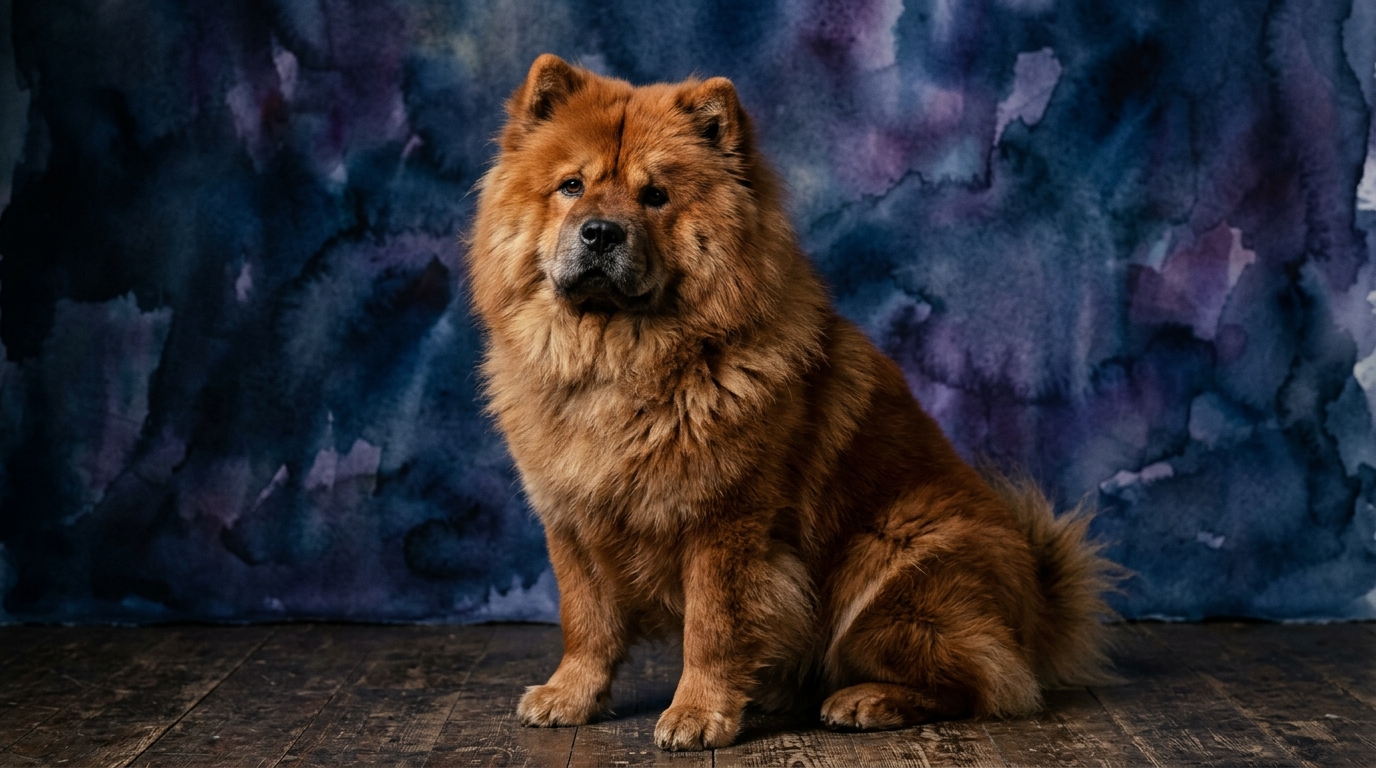
The Chow Chow, ranked #76 by Stanley Coren, historically served as a versatile working dog, guarding property, hunting, and pulling carts. Its Problem Solving score of 3/5 suggests an ability to navigate complex situations, often independently, like assessing territorial boundaries or identifying intruders. A Training Speed of 3/5 indicates they are capable of learning, but their often-reserved nature means they process commands and motivations on their own terms. Social Intelligence at 3/5 points to selective bonds and a discerning approach to interactions, typically reserved for their inner circle. Their Instinctive Drive of 3/5 is deeply rooted in their guarding heritage, manifesting as protectiveness. Finally, a Memory score of 3/5 implies a solid retention of routines, learned behaviors, and significant social interactions.
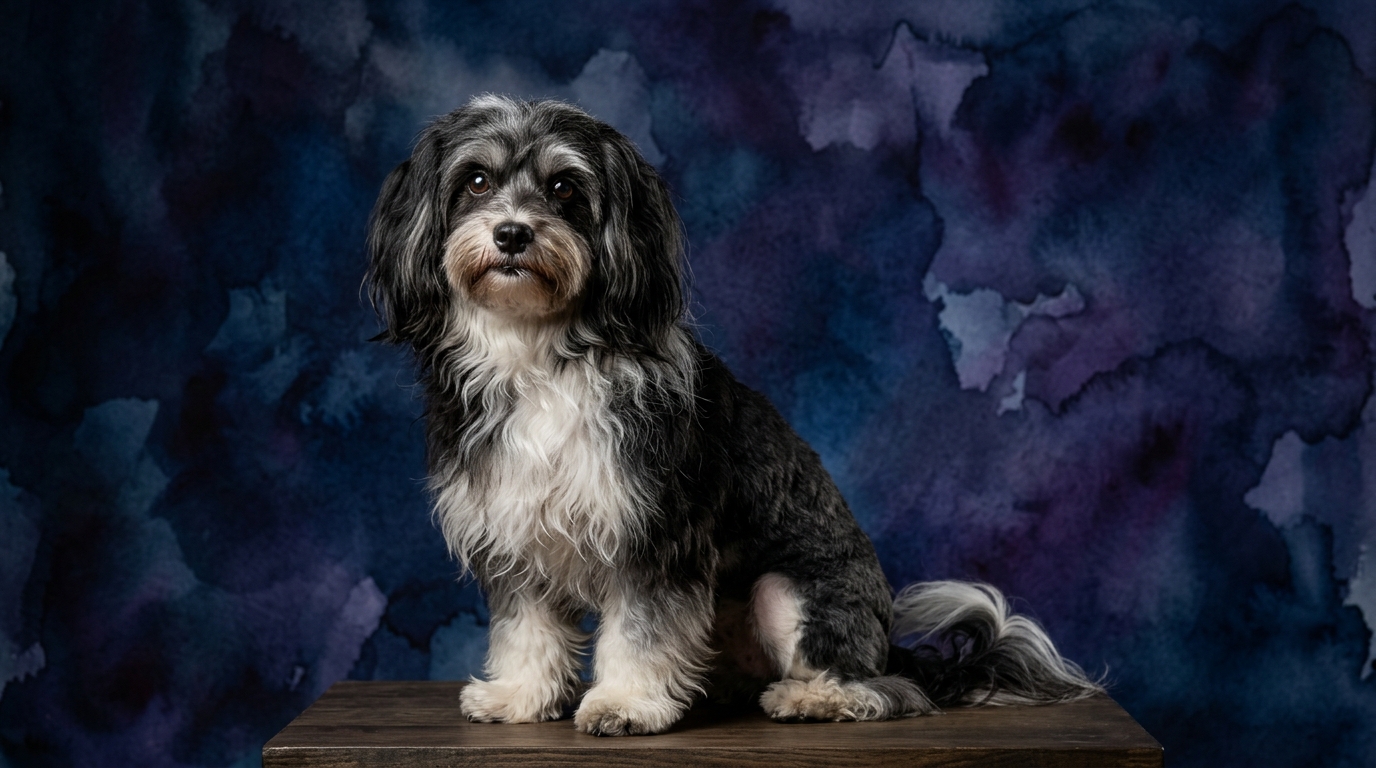
The Löwchen, or 'Little Lion Dog,' lacks a specific Coren ranking but has a long history as a companion for European nobility. Its Problem Solving score of 3/5 is often directed towards engaging with its human family, perhaps figuring out how to initiate play or gain attention. A Training Speed of 3/5 is bolstered by their eagerness to please, making them generally more responsive in training contexts compared to the Chow. Their Social Intelligence of 3/5 is typically expressed through broad adaptability and a joyful engagement with a variety of people and other animals. An Instinctive Drive of 3/5 leans towards companionship and play, reflecting their role as a lively lapdog rather than a working animal. Their Memory score of 3/5 ensures they recall learned cues, family members, and enjoyable experiences with consistency.
Where the Chow Chow's Cognition Shines
The Chow Chow's cognitive strengths are deeply intertwined with its independent and dignified nature. Its Problem Solving at 3/5 often manifests as a keen ability to assess and manage its environment with minimal human intervention. For instance, a Chow Chow might strategically position itself to observe its territory, identifying potential areas of concern without needing explicit direction. This self-sufficiency means they excel in situations where a dog is expected to make sound judgments based on observation rather than constant instruction, such as discerning between a welcome visitor and an unwelcome intruder.
Their Memory score of 3/5, combined with their selective social intelligence, allows them to form incredibly strong and lasting bonds with their chosen family members, remembering specific routines, preferences, and even subtle emotional cues from those they trust. This deep recall contributes to their unwavering loyalty once that bond is established. Furthermore, their Instinctive Drive, also at 3/5, is a powerful asset in roles requiring vigilance and a steady presence. This drive isn't about constant action but about a consistent, internal motivation to protect and maintain order within their perceived domain, a cognitive function that requires sustained attention and a robust internal framework for decision-making.
Where the Löwchen's Cognition Excels
The Löwchen's cognitive prowess is best observed in its adaptability and profound social engagement. While its Social Intelligence is rated 3/5, this score is often applied across a wider spectrum of interactions than with the Chow Chow. Löwchens are particularly adept at reading human emotions and intentions, using this understanding to tailor their responses and maintain harmonious relationships within a family. This ability to fluidly navigate social dynamics allows them to integrate seamlessly into diverse household environments and interact positively with various individuals, including children and other pets, with a remarkable ease.
Their Problem Solving at 3/5 frequently involves figuring out how to obtain attention or initiate playful interactions, often displaying creative strategies to engage their human companions. This might involve bringing a toy, nudging a hand, or making specific vocalizations to communicate their desires, demonstrating a proactive application of their cognitive abilities for social ends. Similarly, their Training Speed of 3/5 is often enhanced by an eager-to-please disposition, meaning they are typically highly motivated to learn and perform tasks when they perceive it strengthens their bond with their owner. Their memory of 3/5 is well-utilized in recalling a wide array of commands and social cues, making them highly responsive companions in daily life.
Training: Responsiveness vs. Independence
When it comes to ease of training, the identical 3/5 Training Speed scores for both breeds can be misleading without considering their distinct underlying motivations and temperaments. The Löwchen, with its strong companion drive and higher general enthusiasm for interaction, typically presents as the more straightforward breed to train for a wider range of tasks. Their Social Intelligence (3/5) makes them eager to engage with their handler and respond to cues, often finding the training process itself rewarding as a form of bonding. They tend to be more forgiving of handler errors and show a greater willingness to experiment with behaviors to achieve a desired outcome, making positive reinforcement highly effective.
The Chow Chow's training journey, while equally capable of learning with its 3/5 Training Speed, demands a different approach due to its inherent independence and self-reliance. Their Problem Solving (3/5) might mean they question the necessity of a command if it doesn't align with their own perceived purpose, rather than defaulting to immediate compliance. Training a Chow Chow requires immense patience, consistency, and a deep understanding of their unique motivations. They respond best to clear, fair leadership and positive reinforcement that respects their dignified nature. While they learn and remember commands (Memory 3/5), their implementation often comes down to their internal decision-making process, making them appear more 'stubborn' to an inexperienced trainer. They are not less capable, but their motivation for compliance is often internal rather than purely external or people-pleasing.
Matching Breeds to Lifestyles
Choosing between a Chow Chow and a Löwchen also involves aligning their cognitive and behavioral tendencies with an owner's lifestyle, whether active or relaxed. The Chow Chow, despite its powerful build, tends to be a more relaxed companion physically, content with moderate exercise like daily walks and ample lounging time. Their cognitive engagement, however, is far from relaxed. Owners of Chow Chows need to be prepared for an emotionally and cognitively engaged relationship, requiring consistent, nuanced understanding of their independent decision-making and strong protective instincts. They suit owners who appreciate a dignified, less overtly demanding companion but are committed to consistent socialization and training to channel their distinctive intelligence and drive effectively.
The Löwchen, conversely, is a small but surprisingly active and playful breed, better suited for owners who enjoy regular interactive play sessions, walks, and opportunities for mental stimulation. Their robust Social Intelligence (3/5) means they thrive on being an integral part of family activities, whether it's a game of fetch in the yard or accompanying owners on errands. While adaptable, they are not content to be mere couch potatoes; their Problem Solving (3/5) and Instinctive Drive (3/5) for companionship mean they need outlets for their lively minds. They are ideal for owners who are active in their engagement with their dog, providing varied experiences and consistent interaction to keep their bright, social minds stimulated and happy.
The Verdict
Choose the Chow Chow if you appreciate a dignified, independent companion and are prepared to engage with a dog whose cognitive processes are self-directed and require nuanced understanding and consistent, respectful guidance.
Opt for the Löwchen if you seek a highly social, playful, and adaptable companion who thrives on interactive engagement and is eager to please, making them a more collaborative partner in training and daily life.
🧠 Find Your Pet's IQ Score
Our Pet IQ Lab assessment covers 25+ tests across 5 cognitive dimensions — personalized to your breed.
Take the Full IQ Test →Frequently Asked Questions
Do Chow Chows enjoy learning new tricks?
Chow Chows can learn tricks, but their motivation often stems from their own interest or a strong bond with their owner, rather than an inherent eagerness to please. Patience and positive reinforcement are key to success, as they decide when and if they will perform.
How does a Löwchen's social intelligence manifest in a family setting?
A Löwchen's social intelligence often means they are adept at reading human emotions, engaging in interactive play, and forming strong bonds with all family members, adapting their behavior to different individuals and situations with ease and joy.
Are either of these breeds good for first-time dog owners?
The Löwchen, with its eager-to-please nature and adaptability, is generally a more forgiving choice for first-time owners due to its cooperative spirit. Chow Chows, due to their independent and sometimes stubborn temperament, typically benefit from experienced owners who understand breed-specific challenges and can provide consistent, confident leadership.