
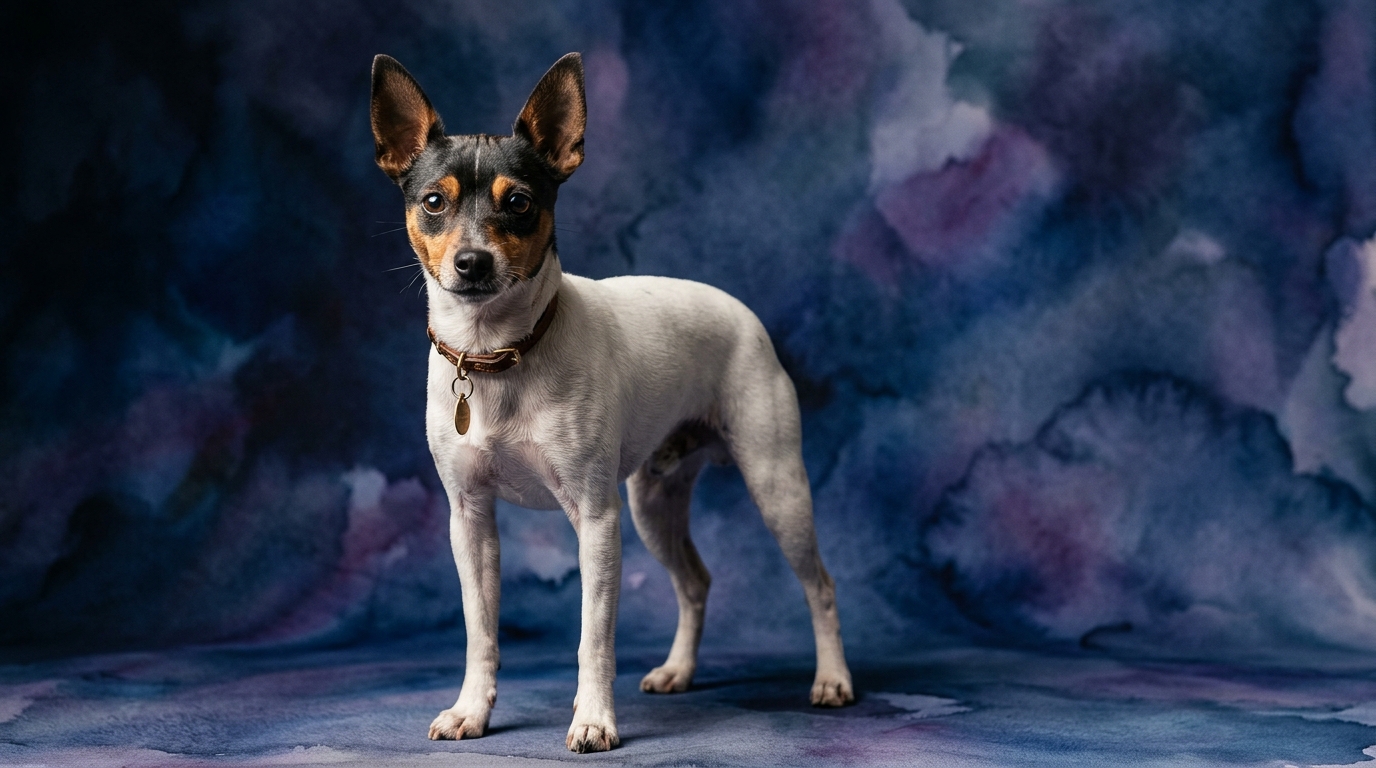
Side-by-Side IQ Profile: Clumber Spaniel vs. Toy Fox Terrier
At first glance, both the Clumber Spaniel and the Toy Fox Terrier register a consistent 3/5 across all five dimensions of our Pet IQ Lab assessment: Problem Solving, Training Speed, Social Intelligence, Instinctive Drive, and Memory. However, these identical scores belie a rich tapestry of cognitive differences, deeply rooted in their breed histories and intended functions. A '3/5' indicates a moderate capacity, but the *way* that capacity is expressed varies significantly between these two distinct breeds.
The **Clumber Spaniel**, a dignified member of the Sporting group (Coren rank #55), approaches the world with a deliberate, methodical mind. Its **Problem Solving (3/5)** typically involves systematic exploration and patient deciphering of environmental cues, particularly scent trails, rather than rapid, agile maneuvers. This reflects its heritage as a slow-paced, persistent gundog working through dense cover. Its **Training Speed (3/5)** suggests a moderate learning curve; Clumbers absorb lessons thoroughly with consistent, gentle reinforcement, but their independent streak means they might take a moment to process before complying. **Social Intelligence (3/5)** manifests as a reserved dignity; they form deep bonds with family but observe strangers with calm discernment. Their **Instinctive Drive (3/5)** is a steady, low-key enthusiasm for scent-oriented tasks and retrieving, a reflection of their working purpose. Finally, their **Memory (3/5)** is reliable for routines, familiar people, and learned associations, serving their methodical nature by allowing consistent recall of established patterns.
In contrast, the **Toy Fox Terrier**, a sprightly member of the Toy group (not Coren-ranked), embodies a more agile and quick-witted intellect. Its **Problem Solving (3/5)** is characterized by spirited, often opportunistic approaches, ideal for outsmarting small pests or navigating complex agility courses with rapid adaptations. They often try multiple solutions quickly until one works, relying on their inherent cleverness and agility. The Toy Fox Terrier's **Training Speed (3/5)** is moderate but often highly responsive to engaging, varied sessions; their eagerness to please can make them quick learners, though their terrier independence requires consistent, stimulating methods to prevent boredom. Their **Social Intelligence (3/5)** is alert and expressive within their trusted circle, quickly picking up on human moods, yet they can be discerning or even feisty with unfamiliar dogs or people. The **Instinctive Drive (3/5)** is strongly rooted in their terrier heritage – a keen prey drive, a propensity for digging, and an inherent watchfulness that makes them quick to react. Their **Memory (3/5)** is good for commands, routines, and the precise locations of favored items, supporting their adaptable and intelligent nature by allowing them to quickly recall rewarding behaviors and environmental patterns.
Where the Clumber Spaniel Wins Cognitively
The Clumber Spaniel's cognitive strengths distinctly emerge from its history as a deliberate, scent-driven gundog. They excel in sustained focus on methodical tasks, particularly those involving intricate scent work and patient searching. Their problem-solving, while not rapid-fire, is characterized by a tenacious perseverance; a Clumber will systematically work through a challenge, relying on its keen sense of smell and robust memory for terrain and patterns. This breed demonstrates a particular aptitude for tasks requiring steady, unhurried concentration, such as advanced scent discrimination or following complex tracking courses. Their cognitive process leans towards depth and consistency, making them exceptionally capable in roles demanding sustained, low-intensity mental engagement over bursts of quick wit. A Clumber's ability to 'think' through a long, detailed search, remembering areas already covered and identifying new leads, is a notable cognitive advantage.
Where the Toy Fox Terrier Wins Cognitively
Conversely, the Toy Fox Terrier's cognitive advantages are rooted in its quick-witted, agile terrier nature, honed for rapid vermin control. Their problem-solving shines in situations demanding swift reactions, adaptability, and a degree of clever cunning. A Toy Fox Terrier can rapidly assess a dynamic situation, such as navigating an agility course or outsmarting a small, evasive target, and adjust its strategy on the fly. Their social intelligence, while rated similarly overall, allows for a more immediate and expressive response to their human companions' cues, often appearing to 'read' intentions with remarkable alacrity. This breed exhibits a superior capacity for tasks requiring bursts of mental energy, quick decision-making, and a playful inventiveness. Their memory is particularly adept at recalling sequences of movements and quick tricks, making them adept at learning and performing complex, fast-paced routines. The Toy Fox Terrier's cognitive prowess is in its ability to process information and react with spirited alacrity.
Which Is Easier to Train and Why
Determining which breed is 'easier' to train is less about raw intellectual capacity and more about alignment with training styles and individual temperaments. Both breeds hold a 3/5 for training speed, indicating moderate learning curves, but their approaches differ significantly. The Clumber Spaniel, with its deliberate nature and independent streak, often requires patience and consistent, calm repetition. They respond best to positive reinforcement delivered with a gentle, encouraging tone. Their methodical memory means that once a command is truly understood, it's deeply ingrained, though getting to that point might take a bit more time and less overt enthusiasm than some breeds. Their focus can be easily maintained in calm environments, but they might be less inclined to perform purely for entertainment, preferring tasks with a clear purpose.
In contrast, the Toy Fox Terrier's training journey is often characterized by spirited engagement and a need for variety. Their quick wit and desire for interaction can make them fast learners of tricks and obedience commands, especially when training is framed as a fun game. However, their independent terrier spirit and potential for mischievousness mean that training sessions must be kept stimulating to prevent boredom or wilful diversion. They respond enthusiastically to praise and play, but their attention span can be shorter, requiring more frequent, brief sessions. While both learn at a moderate pace, the Clumber's consistent, thoughtful approach makes its training feel more predictable once momentum is established, whereas the Toy Fox Terrier's lively, sometimes impish, nature demands a more dynamic and engaging trainer to truly harness its potential.
Which Suits Active Owners vs. Relaxed Owners
The cognitive and behavioral profiles of these two breeds offer distinct fits for different owner lifestyles. The Clumber Spaniel, despite its sporting heritage, is remarkably well-suited for relaxed owners who appreciate a calm, dignified companion. Its methodical approach to life, combined with a moderate energy level that is satisfied by steady walks and scent games, means it doesn't demand constant high-intensity activity. Owners who enjoy quiet companionship, patient training, and a dog that is content to observe the world from a comfortable spot will find a Clumber a perfect match. Their preference for routine and a predictable environment aligns well with a more serene household.
On the other hand, the Toy Fox Terrier thrives with active owners who enjoy engaging in dynamic activities and mental challenges. Its quick reflexes, lively social intelligence, and spirited drive make it an excellent partner for agility, flyball, or fast-paced obedience. Owners who can provide consistent mental stimulation, varied training, and plenty of opportunities for playful interaction will see a Toy Fox Terrier flourish. This breed thrives on being an active participant in family life, requiring owners who appreciate its zest for life and provide outlets for its keen intelligence and energetic personality. While both benefit from engagement, the Clumber leans towards thoughtful, low-key interaction, while the Toy Fox Terrier seeks spirited, high-energy participation.
The Verdict
Choose the Clumber Spaniel if you seek a calm, patient companion who excels at methodical tasks and thrives in a predictable, serene environment with an owner who appreciates its dignified, steady presence. This breed is ideal for those valuing deep, consistent bonds and quiet, thoughtful engagement over high-octane activity.
Opt for the Toy Fox Terrier if you desire a lively, quick-witted partner eager for dynamic activities and mental challenges, thriving with an owner who can match its spirited energy. This breed suits those who enjoy interactive play, varied training, and a dog that is an active, enthusiastic participant in daily life.
🧠 Find Your Pet's IQ Score
Our Pet IQ Lab assessment covers 25+ tests across 5 cognitive dimensions — personalized to your breed.
Take the Full IQ Test →Frequently Asked Questions
Do Clumber Spaniels need a lot of exercise despite their calm demeanor?
While Clumber Spaniels appear calm, their sporting heritage means they do require regular, moderate exercise. This typically includes a daily long walk or engaging scent work, which satisfies both their physical needs and their methodical instinctive drive without requiring high-intensity bursts.
Are Toy Fox Terriers good with children or other pets?
Toy Fox Terriers can be good with older, respectful children who understand how to interact with a small, spirited dog. Their quick social intelligence allows them to adapt, but their terrier nature means they might have a high prey drive towards smaller pets and can be particular with other dogs, often preferring to be the sole canine companion.
How do their problem-solving abilities differ in everyday situations?
A Clumber Spaniel might methodically figure out how to open a treat puzzle by patiently nudging and exploring all components. A Toy Fox Terrier, conversely, might quickly try several methods, using its agility and cleverness to rapidly manipulate the puzzle, demonstrating a more trial-and-error, opportunistic problem-solving style.