
Side-by-Side Cognitive Profiles at The Cosmic Pet Pet IQ Lab
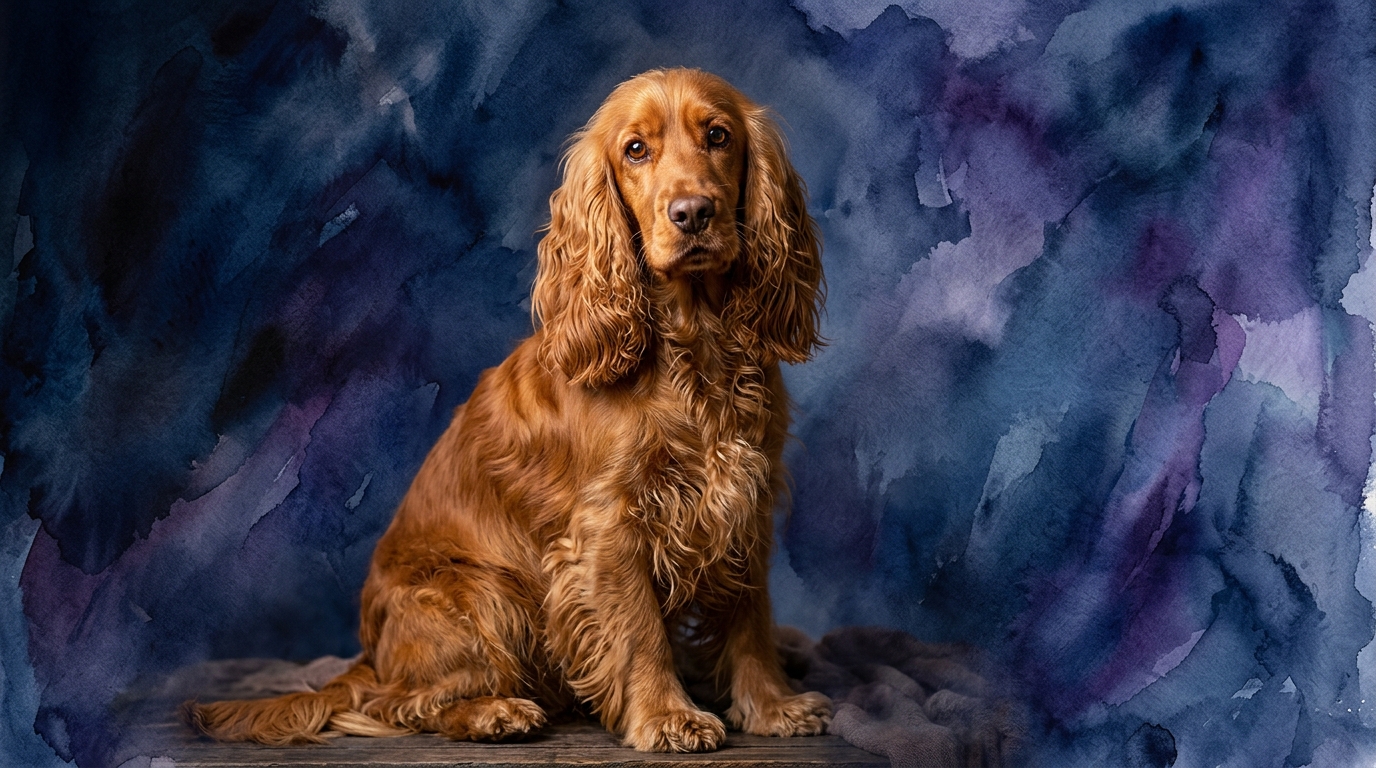
The Cocker Spaniel, ranked #20 by Coren for working and obedience intelligence, showcases a cognitive profile tuned for companionship and cooperative effort. Their Problem Solving is rated at 3/5, indicating an average capacity for navigating novel challenges, often relying on learned behaviors and handler cues. They can figure out basic puzzle toys but might not excel at complex, multi-step tasks without consistent guidance. Their Training Speed is an impressive 4/5, meaning these dogs absorb new commands and routines with notable alacrity, often requiring fewer repetitions than many other breeds. A standout trait is their Social Intelligence at 5/5; the Cocker Spaniel exhibits exceptional attunement to human emotions and social cues, thriving on interaction and readily forming strong bonds. Their Instinctive Drive is 4/5, manifesting as a robust desire for scent work, retrieving, and following directions in a field setting. Finally, their Memory is 4/5, indicating a strong recall for commands, routines, and familiar people or objects.
The Dogo Argentino, a working breed without a specific Coren rank, presents a cognitive makeup designed for purpose, vigilance, and independent action. Their Problem Solving is 3/5, demonstrating an average ability to resolve new problems, often applying a direct, practical approach. Their problem-solving is typically geared towards assessing situations in their environment, rather than seeking out complex mental puzzles. Their Training Speed is 3/5, meaning while capable of learning, the Dogo Argentino requires consistent, clear instruction and more repetition to solidify new behaviors. Their Social Intelligence is 3/5, characterized by a deep bond with their immediate family but often a reserved or wary approach to strangers and new social situations. Their Instinctive Drive is 3/5, rooted in their original purpose as a hunting and guardian dog, focusing on vigilance, tracking, and protective instincts. Lastly, their Memory is 3/5, indicating a solid recall for their established routines, territory, and trusted individuals, crucial for their protective role.
Where the Cocker Spaniel Wins Cognitively
The Cocker Spaniel’s cognitive strengths shine particularly in areas emphasizing cooperation and social nuance. Their unparalleled social intelligence (5/5) means they are incredibly adept at reading human body language and mood, often anticipating their owner's wishes. This makes them extraordinarily responsive companions, eager to please and quick to integrate into family dynamics. Coupled with their swift training speed (4/5) and strong memory (4/5), Cocker Spaniels excel in obedience, agility, and other companion sports where rapid learning and consistent recall are paramount. Their instinctive drive (4/5) is readily channeled into enthusiastic participation in activities like scent work or retrieving, making them highly engaged and trainable partners for those who enjoy structured activities. Their cognitive makeup leans towards a cooperative problem-solver, thriving on joint ventures with their humans and adapting readily to various social contexts.
Where the Dogo Argentino Wins Cognitively
The Dogo Argentino’s cognitive profile, while different in its expression, is profoundly effective for its intended purpose. Their problem-solving (3/5) and instinctive drive (3/5) are geared towards practical application in real-world scenarios, particularly those involving assessment of their environment and protective duties. This manifests as discerning threats, tracking, and making independent judgments in situations demanding courage and resolve, rather than solving abstract puzzles. Their moderate social intelligence (3/5) allows for deep bonds within their family unit, fostering loyalty and a strong sense of guardianship, though they may not seek broad social interaction outside this circle. The Dogo’s memory (3/5) is robust for territorial awareness and understanding their role within the family structure, remembering who belongs and who does not, which is crucial for their protective instincts. Their cognitive strengths lie in their purposeful application of intelligence for vigilance and steadfastness, showcasing a focused, resilient mind capable of independent action.
Which is Easier to Train and Why
Based on their distinct cognitive profiles, the Cocker Spaniel is generally easier to train for typical companion dog roles. Their superior training speed (4/5) means they grasp new commands quickly, often with fewer repetitions, due to their inherent eagerness to cooperate and their high social intelligence (5/5). They are motivated by praise and interaction, making positive reinforcement highly effective. Their strong memory (4/5) ensures that once a behavior is learned, it is retained well, contributing to consistent performance in various settings. In contrast, the Dogo Argentino, with a training speed of 3/5, requires more patience and consistency. While capable of learning, their independent nature and a more moderate social intelligence (3/5) mean they might need stronger motivation and clearer, more structured guidance. Training a Dogo demands a firm yet fair approach, focusing on building respect and trust, often taking longer to achieve the same level of responsiveness as a Cocker Spaniel. Their problem-solving (3/5) and instinctive drive (3/5) are less about pleasing a handler in formal obedience and more about their inherent purpose, requiring a trainer to tap into those drives strategically.
Which Suits Active Owners vs. Relaxed Owners
The Cocker Spaniel, with its moderate problem-solving (3/5), rapid training speed (4/5), and significant instinctive drive (4/5), can adapt to a range of owner activity levels, though they certainly benefit from engagement. They are well-suited for owners who enjoy regular walks, interactive play, and perhaps participate in dog sports like agility or obedience, which satisfy both their physical needs and their mental desire to work alongside their human. Their adaptability also means they can thrive with relaxed owners who prioritize companionship and indoor activities, provided they receive consistent mental stimulation through training and puzzle toys to prevent boredom. The Dogo Argentino, on the other hand, is unequivocally better suited for active owners. Their strong physical build and inherent instinctive drive (3/5) for purpose-driven activity mean they require substantial daily exercise and mental engagement. Owners who enjoy hiking, running, or structured training that provides a 'job' will find a Dogo Argentino a fulfilling partner. A relaxed owner might struggle to meet the Dogo's needs for physical exertion and mental challenge, potentially leading to frustration or behaviors stemming from unfulfilled drive.
The Verdict
Choose the Cocker Spaniel if you seek a highly cooperative, emotionally intuitive companion eager to learn and participate in family life, excelling in rapid training and social interaction.
Opt for the Dogo Argentino if you are an experienced, active owner seeking a loyal, protective companion with a strong sense of purpose, willing to invest significant time in consistent training and physical exertion.
🧠 Find Your Pet's IQ Score
Our Pet IQ Lab assessment covers 25+ tests across 5 cognitive dimensions — personalized to your breed.
Take the Full IQ Test →Frequently Asked Questions
Is a Cocker Spaniel a good choice for first-time dog owners?
Yes, their high social intelligence and rapid training speed often make them amenable to first-time owners. They are typically eager to please and form strong bonds, simplifying the learning curve for new dog parents.
How much exercise does a Dogo Argentino need daily?
Dogo Argentinos require substantial daily exercise, typically 60-90 minutes or more of vigorous activity, beyond just a leisurely walk. This helps fulfill their instinctive drive and maintain their physical and mental well-being.
Can a Dogo Argentino live harmoniously with other pets?
While individual temperament varies, Dogo Argentinos, due to their historical breeding for hunting, can have a strong prey drive and may require careful, early socialization and supervision, especially with smaller pets. Their acceptance of other dogs often depends on individual introduction and training.