The Cosmic Pet Pet IQ Lab: Side-by-Side Profiles
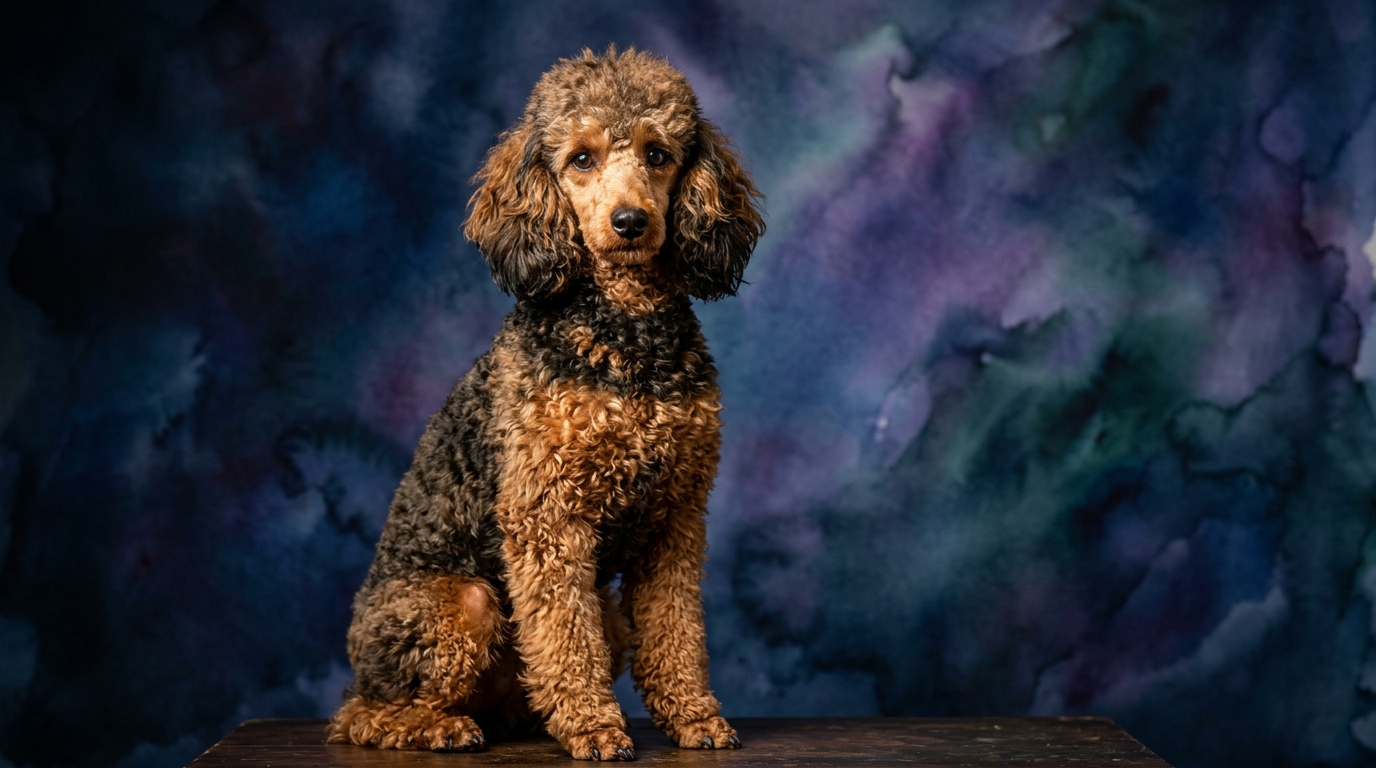
The Standard Poodle, ranking impressively at #2 on Coren's scale, showcases a remarkable cognitive blueprint. Their Problem Solving is rated 5/5, indicating an exceptional capacity to navigate complex situations and devise solutions independently. Training Speed also stands at a perfect 5/5, reflecting their rapid assimilation of new commands and routines.
Social Intelligence for the Standard Poodle is 5/5, meaning they are adept at understanding human cues and social dynamics, fostering deep connections. Their Instinctive Drive, at 4/5, suggests a strong but manageable inherent motivation, while their Memory is a top-tier 5/5, allowing them to recall learned information and experiences with precision.
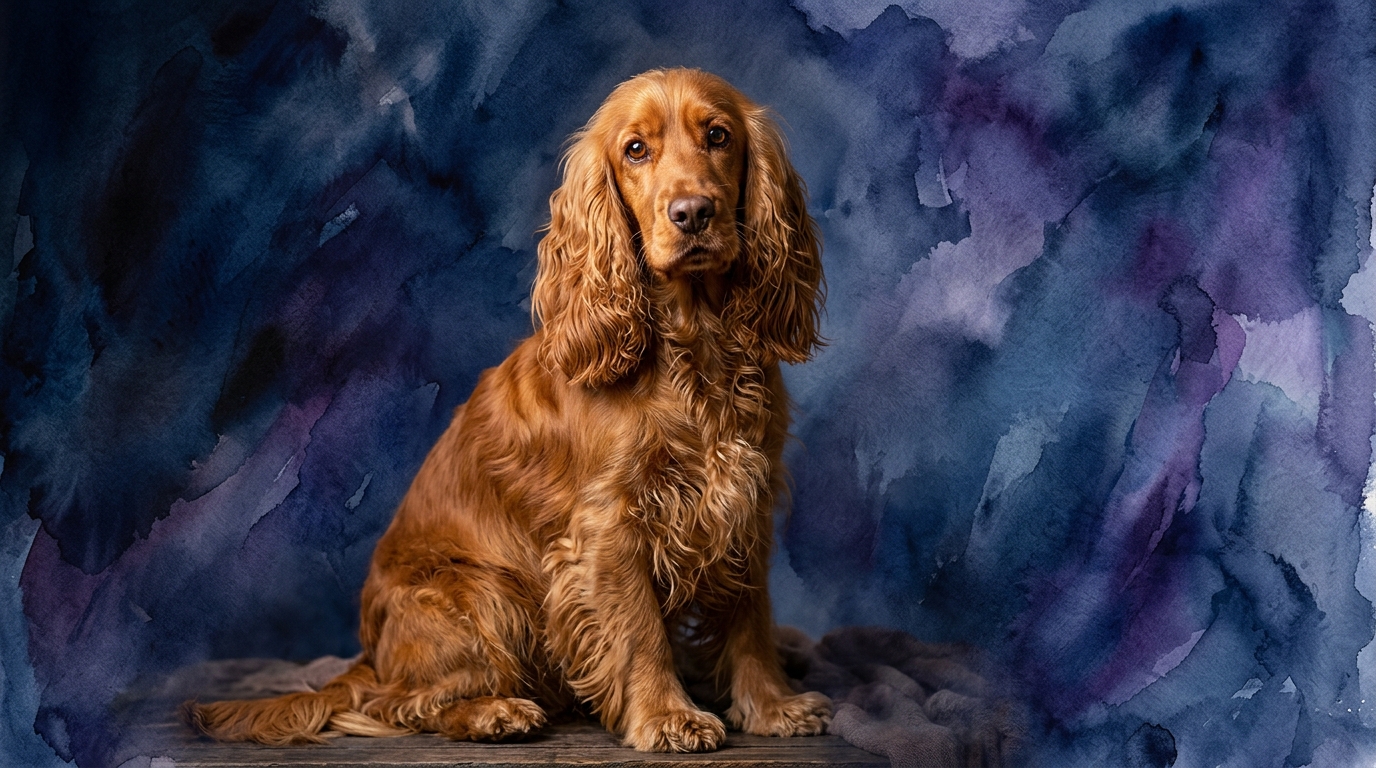
In contrast, the Cocker Spaniel, with a Coren rank of #20, presents a different yet equally engaging cognitive makeup. Their Problem Solving is rated 3/5, indicating a solid ability to tackle challenges, though perhaps with less independent innovation than the Poodle. Training Speed comes in at 4/5, showing a commendable aptitude for learning, albeit at a slightly more deliberate pace.
The Cocker Spaniel matches the Poodle in Social Intelligence at 5/5, demonstrating an excellent capacity for interpersonal bonding and reading human emotions. Their Instinctive Drive is also 4/5, reflecting a strong heritage as a sporting dog with a natural inclination for scent work and retrieving. Their Memory scores 4/5, signifying a good ability to retain information and experiences.
Where the Standard Poodle Excels Cognitively
The Standard Poodle's cognitive edge primarily lies in its superior Problem Solving and perfect Training Speed. A 5/5 in Problem Solving means these dogs often don't just follow commands; they understand the 'why' behind them and can apply learned principles to novel situations. For instance, if a Poodle is taught to open a specific type of latch, they might quickly generalize that skill to a different, similar latch without explicit retraining.
This exceptional problem-solving ability, coupled with a 5/5 Training Speed, means Poodles can grasp complex multi-step commands and intricate routines with remarkable efficiency. Owners often report that Poodles seem to anticipate what's expected of them, sometimes even attempting to 'solve' a new training challenge before a command is fully articulated. Their 5/5 Memory further solidifies this, allowing them to retain vast repertoires of commands and experiences over long periods, making advanced obedience or intricate trick training a highly rewarding endeavor.
Where the Cocker Spaniel Shines Cognitively
While the Cocker Spaniel's Problem Solving and Training Speed scores are slightly lower than the Poodle's, their cognitive strengths are deeply rooted in their Sporting group heritage. Their 4/5 Instinctive Drive, paired with a 5/5 Social Intelligence, makes them exceptionally well-suited for tasks requiring cooperation and a keen sense of purpose. A Cocker Spaniel might not independently figure out a complex puzzle box as quickly as a Poodle, but they are often more driven by the shared activity and the reward of working alongside their human.
The Cocker Spaniel’s 4/5 Training Speed and 4/5 Memory are still very respectable, indicating a dog that learns well and retains information effectively. Their social intelligence truly shines when engaging in activities that tap into their natural instincts, such as scent work or retrieving games. They excel in situations where their natural drive can be harnessed and guided by their handler, demonstrating a focused and enthusiastic approach to learning when the task aligns with their inherent motivations.
Training Ease: Poodle vs. Cocker Spaniel
When considering ease of training, the Standard Poodle generally presents a more straightforward experience for owners seeking rapid skill acquisition. Their perfect 5/5 Training Speed means they pick up new cues and behaviors with minimal repetition. This translates to quicker mastery of basic obedience, faster progression to advanced commands, and a reduced likelihood of needing extensive remedial training for forgotten behaviors. Their high problem-solving capacity also means they can often infer what is being asked of them, even with subtle cues, leading to a fluid training dynamic.
The Cocker Spaniel, with a 4/5 Training Speed, is certainly trainable and eager to please, but might require a few more repetitions or slightly more patience than a Poodle. Their learning style often benefits from consistent, positive reinforcement and clear, concise instructions. While they may not generalize new skills as rapidly as a Poodle, their strong social intelligence and instinctive drive make them highly motivated to engage in training, especially when it involves activities like fetching or scent games that tap into their natural inclinations. Owners might find that while a Poodle learns 'sit' in one session, a Cocker Spaniel might need two or three, but will perform it with equal enthusiasm once mastered.
Ideal Owners: Active vs. Relaxed Lifestyles
The Standard Poodle's cognitive profile, particularly its high problem-solving and memory scores, makes it an excellent match for active owners who enjoy engaging their dogs in mentally stimulating activities. This breed thrives with owners who are keen on advanced obedience, dog sports like agility or rally, or even complex trick training. Their capacity for intricate learning means they need consistent mental challenges to prevent boredom, which can manifest as unwanted behaviors. An owner who enjoys teaching new things and providing intellectual outlets will find the Standard Poodle a supremely rewarding partner.
For owners who appreciate a dog with a robust social nature and a focused, driven approach to activities, the Cocker Spaniel is an outstanding choice. While they also appreciate mental engagement, their fulfillment often comes from working cooperatively with their human, rather than constant independent problem-solving. They are well-suited for owners who enjoy regular walks, interactive play, scent games, or even field work. Their strong social intelligence makes them excellent family companions, adapting well to a relaxed home environment as long as their need for consistent interaction and moderate physical exercise is met. They are happy to curl up on the couch after a good sniff walk or a session of fetch, making them adaptable to both active and moderately relaxed households.
The Verdict
Choose the Standard Poodle if you are an owner eager to delve into advanced training, complex dog sports, or simply enjoy a canine partner who independently figures things out and retains a vast repertoire of learned behaviors.
Opt for the Cocker Spaniel if you seek a highly social, cooperative companion who thrives on shared activities, enjoys regular engagement in instinctive games, and offers a delightful blend of playful energy and affectionate companionship.
🧠 Find Your Pet's IQ Score
Our Pet IQ Lab assessment covers 25+ tests across 5 cognitive dimensions — personalized to your breed.
Take the Full IQ Test →Frequently Asked Questions
Does the Poodle's higher Coren rank mean it's 'better' than a Cocker Spaniel?
Coren's rankings primarily measure 'working and obedience intelligence,' focusing on trainability for commands. While the Poodle excels here, the Cocker Spaniel's strengths in social intelligence and instinctive drive make it exceptional in other domains, like companionship and scent work, which aren't fully captured by that specific metric.
Are Cocker Spaniels difficult to train because their training speed is 4/5?
Not at all. A 4/5 training speed indicates a very capable learner. Cocker Spaniels are eager to please and respond well to consistent, positive reinforcement. They might take a few more repetitions than a Poodle for certain tasks, but their social intelligence and drive ensure they are highly receptive to training, especially when activities align with their natural instincts.
How does 'Instinctive Drive' impact daily life for these breeds?
Both breeds have a 4/5 Instinctive Drive, meaning they possess strong inherent motivations. For the Standard Poodle, this might manifest as a desire to perform or engage in complex tasks. For the Cocker Spaniel, it often means a keen interest in sniffing, retrieving, or following scents, requiring owners to provide appropriate outlets to channel these natural behaviors constructively.