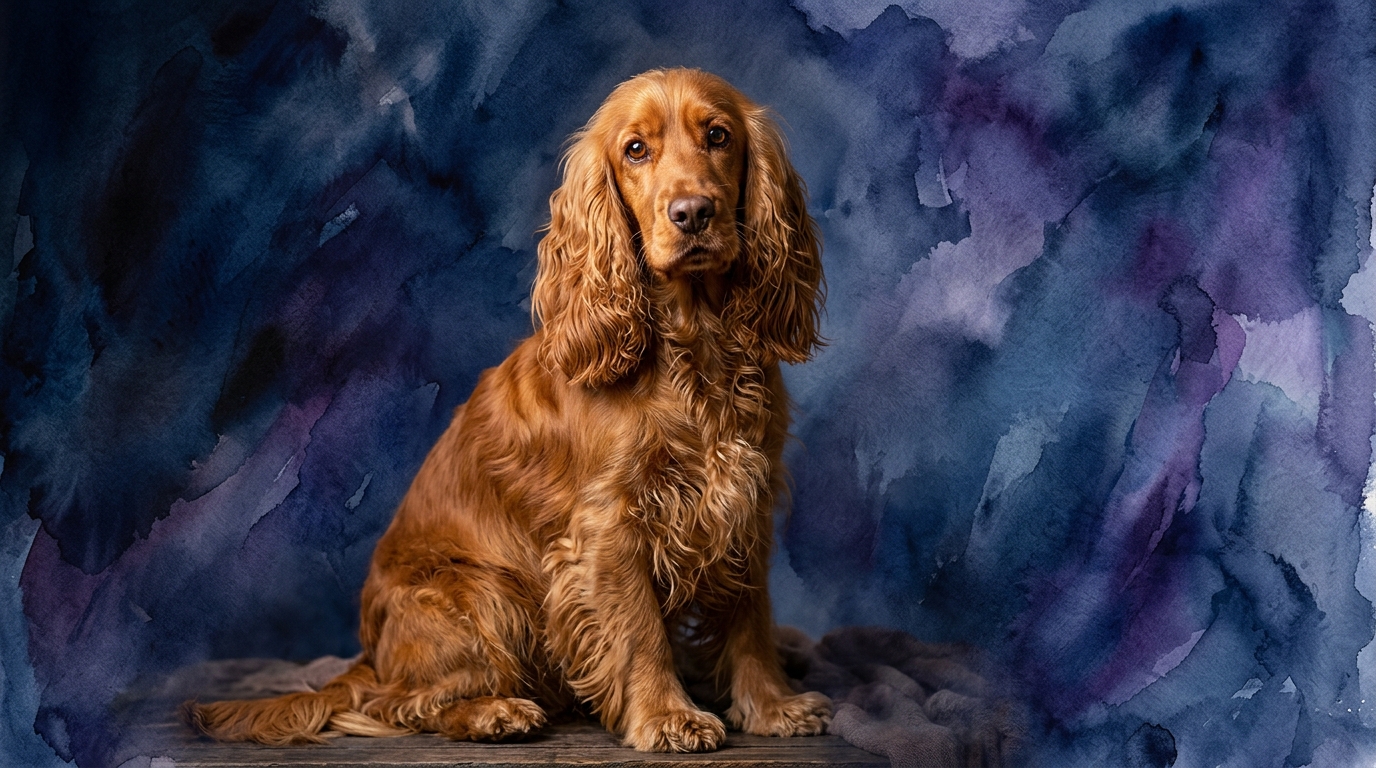
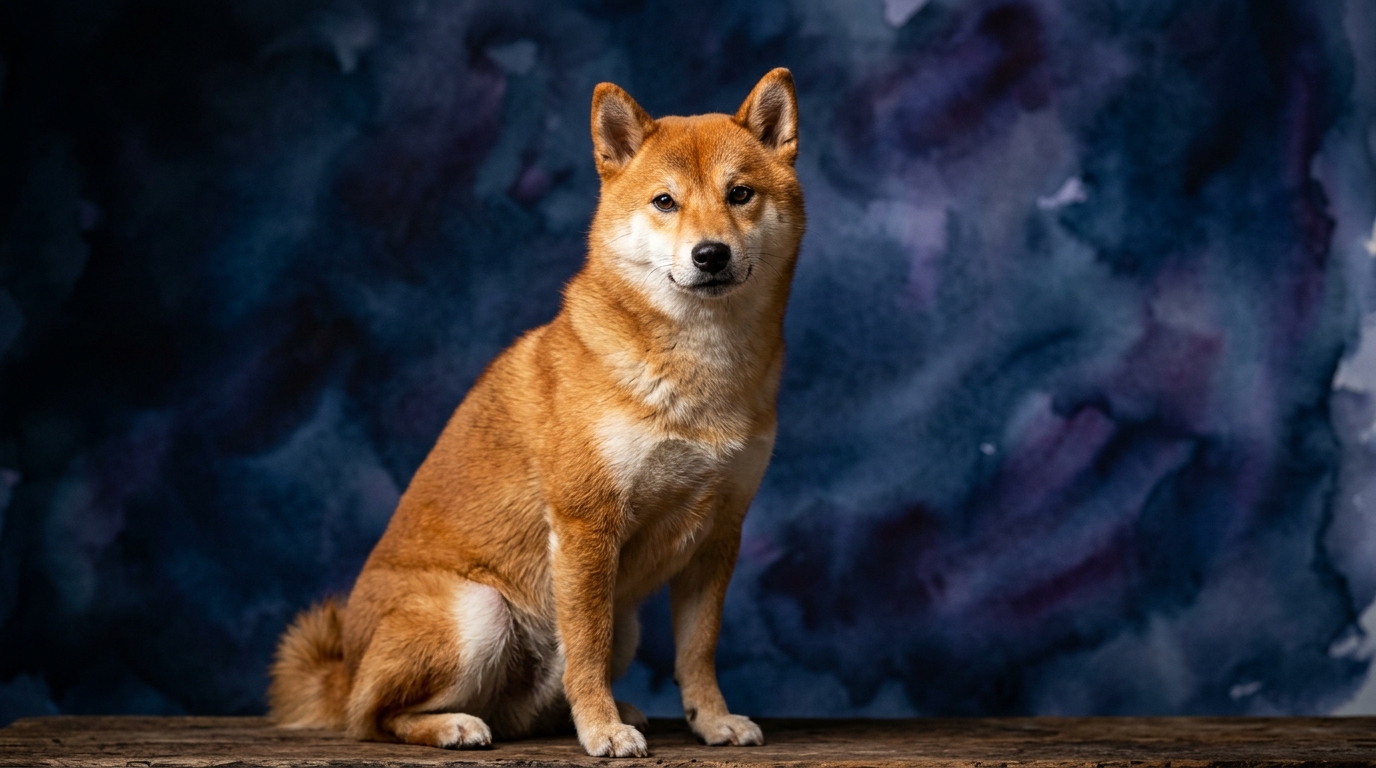
Side-by-Side IQ Profile: Cocker Spaniel vs. Shiba Inu
The Cocker Spaniel, Coren-ranked #20, showcases a cognitive profile geared towards partnership and cooperation. Their Problem Solving is rated 3/5, indicating competence in navigating familiar challenges, though they often prefer collaborative solutions over independent strategizing. Training Speed shines at 4/5, reflecting their quick grasp of commands, driven by a desire to engage with their human.
Their Social Intelligence is a remarkable 5/5, making them exceptionally attuned to human emotions and cues, enabling deep, empathetic connections. An Instinctive Drive of 4/5 speaks to their sporting heritage, manifesting as a keen interest in scent work and active play. Finally, their Memory at 4/5 ensures they retain learned behaviors and routines effectively, remembering past experiences and connections with people and places.
The Shiba Inu, while not Coren-ranked, presents a distinct cognitive makeup centered on self-reliance. Their Problem Solving ability is strong at 4/5, demonstrating a capacity for independent thought and clever solutions, often on their own terms. However, their Training Speed is a more challenging 2/5; while capable, their independent streak means consistent motivation and engaging methods are crucial for compliance.
Social Intelligence for the Shiba Inu stands at 3/5, suggesting they understand social dynamics but often maintain a reserved or selective approach, valuing personal space. Their Instinctive Drive is a powerful 5/5, characteristic of their ancient hunting lineage, fueling strong prey drive and exploratory urges. Memory is rated 4/5, indicating good recall for significant events and patterns, though their independence can sometimes override command compliance without reinforcement.
Where the Cocker Spaniel Wins Cognitively
The Cocker Spaniel's cognitive strengths distinctly lie in areas of social connection and cooperative learning. Their perfect 5/5 in Social Intelligence means they are masters at reading human intent and emotional states, making them intuitive and responsive partners. This manifests as a dog that anticipates needs, offers comfort, and thrives on shared experiences, often seeking eye contact and approval. Their problem-solving, while rated 3/5, is frequently geared towards collaborating with a human to achieve a common goal, rather than independent strategizing. This collaborative mindset makes them highly adaptable to various training scenarios, from basic obedience to more complex tasks, as they actively seek to understand and comply.
Where the Shiba Inu Wins Cognitively
The Shiba Inu excels in independent problem-solving and leveraging strong instinctive drives. Their 4/5 in Problem Solving highlights a self-reliant intellect; they are adept at figuring things out for themselves, whether it's opening a gate, escaping an enclosure, or devising strategies to get what they want. This cognitive strength means they don't always rely on human direction to navigate their environment or achieve objectives, often preferring to tackle challenges solo. Coupled with their perfect 5/5 in Instinctive Drive, characteristic of their primitive hunting lineage, this makes them incredibly resourceful. This drive fuels their curiosity and exploration, leading them to independently assess situations and act on their impulses, often with a cleverness that can surprise even experienced owners.
Which is Easier to Train and Why
When it comes to ease of training, the Cocker Spaniel holds a significant advantage. Their 4/5 Training Speed, combined with their 5/5 Social Intelligence, means they are inherently motivated by positive human interaction and respond eagerly to direction. Their desire to please translates into quick learning, forming associations between commands and actions with relative ease. Real behavioral differences like their consistent eye contact, readiness to follow cues, and enjoyment of shared activities make training a collaborative and rewarding experience. They thrive on consistency and positive reinforcement, internalizing lessons rapidly and reliably.
The Shiba Inu, conversely, presents a more challenging training prospect due to their 2/5 Training Speed and 3/5 Social Intelligence. While undeniably capable of learning, their independence means their primary motivation isn't necessarily human approval. They often weigh the perceived value of a command against their own desires, leading to selective compliance. Training a Shiba requires immense patience, creativity, and a deep understanding of their unique motivations. They are less likely to offer automatic obedience and may require compelling reasons or highly engaging, reward-based methods to perform tasks consistently. Their 'selective hearing' is often a cognitive choice rather than a lack of understanding.
Which Suits Active Owners vs. Relaxed Owners
Both breeds benefit from active owners, though their ideal activities differ. The Cocker Spaniel, with its 4/5 Instinctive Drive from its Sporting Group heritage, thrives on structured activities like retrieving, agility, and long walks that engage their collaborative spirit. They enjoy being integral to family outings and working alongside their owner, making them suitable for owners who enjoy consistent, interactive engagement.
The Shiba Inu, with its powerful 5/5 Instinctive Drive and independent nature, also requires an active owner, but one who can appreciate and channel their exploratory urges. While they might not be as keen on structured obedience in a park, they excel at secure off-leash exploration in safe, contained areas, challenging hikes, or puzzle toys that cater to their independent problem-solving. A truly relaxed owner might struggle with either breed, but a Cocker Spaniel is generally a better fit for an owner seeking a moderately active companion who is content to cuddle after a good walk, given their high social intelligence and eagerness to please. For a Shiba Inu, a relaxed owner would likely face significant challenges due to the breed's strong need for mental stimulation and independent activity, which can manifest as mischievousness if unmet.
The Verdict
Choose a Cocker Spaniel if you desire a highly responsive, socially intuitive companion eager to learn and work alongside you, thriving on shared activities and deep connection. Their collaborative spirit makes them a joy to train and integrate into a family seeking an empathetic canine partner.
Opt for a Shiba Inu if you appreciate an independent, clever, and resourceful canine capable of impressive problem-solving on their own terms, and are prepared for a training journey that respects their unique autonomy and strong instincts. They offer a distinct, often more challenging, yet deeply rewarding partnership for those who value their self-sufficient nature.
🧠 Find Your Pet's IQ Score
Our Pet IQ Lab assessment covers 25+ tests across 5 cognitive dimensions — personalized to your breed.
Take the Full IQ Test →Frequently Asked Questions
Are Cocker Spaniels easier to train than Shiba Inus?
Yes, data from The Cosmic Pet Pet IQ Lab indicates Cocker Spaniels (Training Speed 4/5) are generally easier to train than Shiba Inus (Training Speed 2/5). Cocker Spaniels possess a higher social intelligence and a stronger desire to please, making them more receptive and quicker to grasp commands, while Shibas often require more patience and creative motivation due to their independent nature.
Which breed is better at independent problem-solving?
The Shiba Inu excels in independent problem-solving with a score of 4/5, compared to the Cocker Spaniel's 3/5. Shibas frequently demonstrate cleverness in figuring out situations on their own, often driven by their strong instinctive drives, whereas Cocker Spaniels tend to approach problems more collaboratively with their human partners.
How do their social intelligence scores impact their behavior?
The Cocker Spaniel's perfect 5/5 social intelligence means they are exceptionally attuned to human emotions and social cues, often anticipating needs and seeking close interaction. In contrast, the Shiba Inu's 3/5 social intelligence indicates they understand social dynamics but typically exhibit a more reserved, independent demeanor, choosing interactions on their own terms and valuing personal space more.