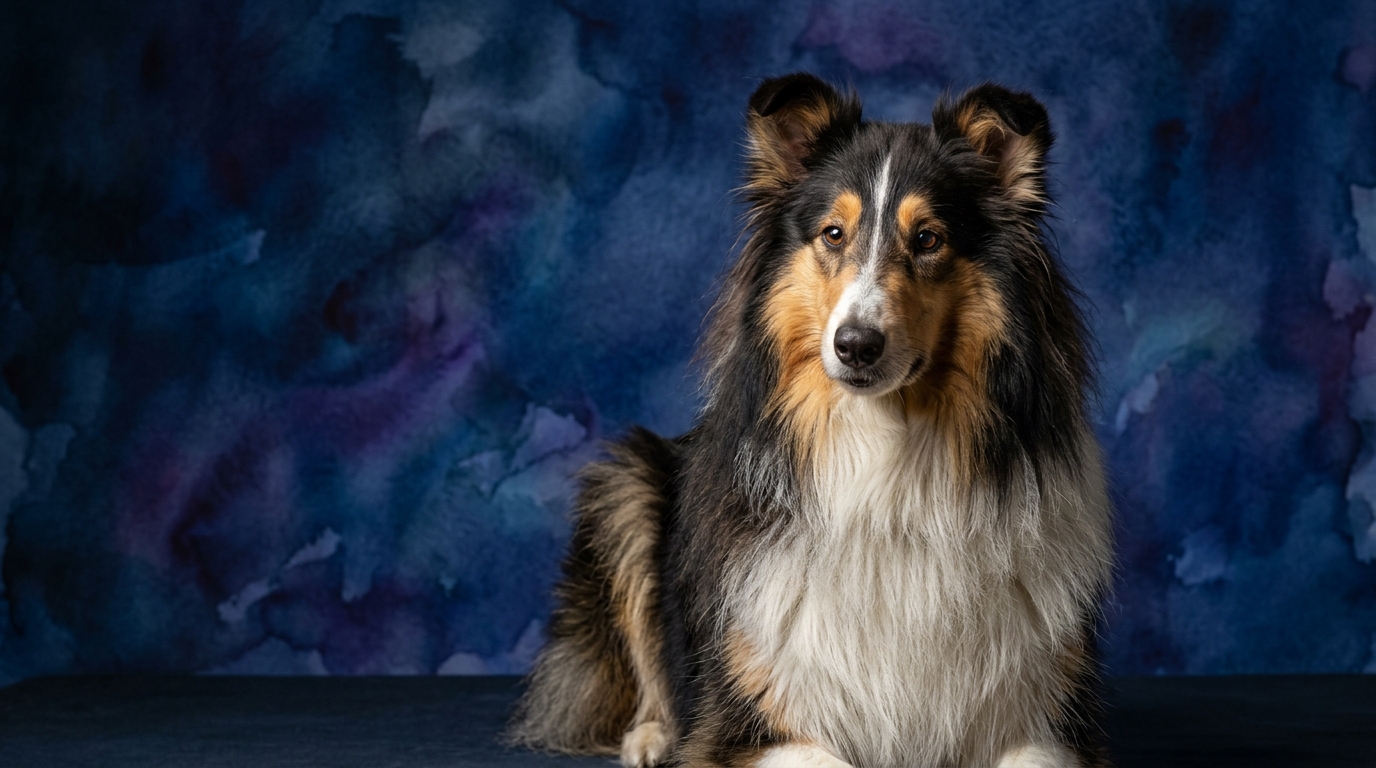
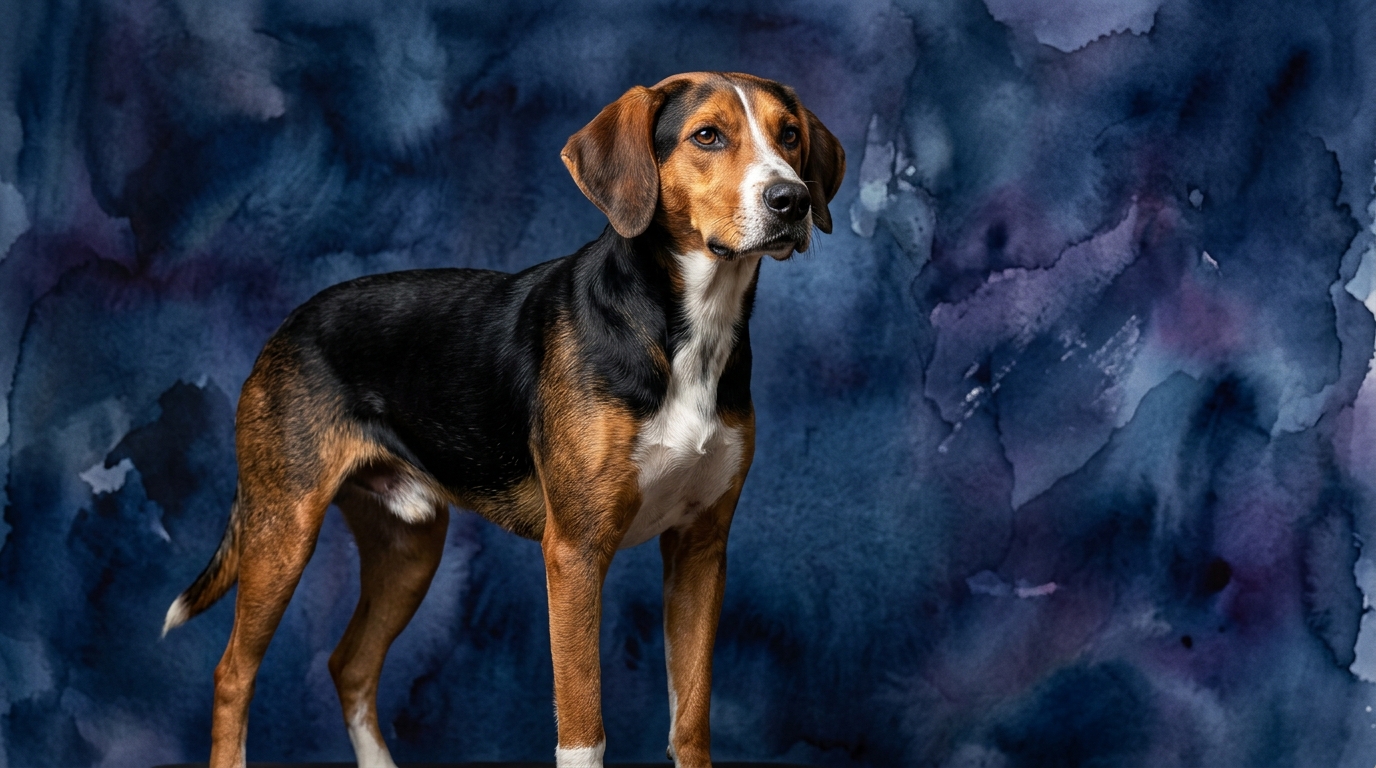
Side-by-Side IQ Profile
The Cosmic Pet Pet IQ Lab provides a comprehensive framework for understanding canine intelligence across five key dimensions. For the Collie (Rough), a Herding group dog with a Coren rank of #16, its profile reveals strong Problem Solving at 4/5, indicating a dog capable of navigating complex tasks and adapting strategies. Its Training Speed is also robust at 4/5, suggesting a quick grasp of new commands. Social Intelligence stands at 3/5, while its Instinctive Drive is 3/5, geared towards its herding heritage. A standout is its Memory, rated an exceptional 5/5, allowing for retention of vast information.
In contrast, the American Foxhound, a Hound group member not ranked by Coren, presents a different cognitive blueprint. Its Problem Solving is 3/5, indicating competence in practical, task-oriented challenges. Training Speed is 3/5, suggesting a steady learning pace. Social Intelligence is 3/5, reflecting interaction but often with a focus on its primary drive. Its Instinctive Drive is also 3/5, heavily centered on scent tracking. The American Foxhound's Memory is 3/5, sufficient for its hunting tasks but not as encompassing as the Collie's. This side-by-side view highlights divergent cognitive priorities, shaped by centuries of selective breeding.
Where Collie (Rough) Wins Cognitively
The Collie (Rough) truly shines in areas demanding intricate mental processing and recall, largely due to its superior Problem Solving (4/5) and unparalleled Memory (5/5). This breed excels at understanding multi-step commands, learning complex sequences, and remembering specific routines over extended periods. For instance, a Collie might be taught to navigate an obstacle course with precise instructions, remembering each turn, jump, and retrieve without constant prompting, even after a long break.
Their cognitive strength lies in processing and retaining a broad spectrum of information, from verbal cues to environmental patterns. Owners often observe their Collies remembering where a toy was left days ago or understanding subtle contextual changes. This cognitive profile makes them adept at canine sports requiring precision and memory, such as advanced obedience, rally, and complex trick training.
Where American Foxhound Wins Cognitively
While the American Foxhound's scores might appear lower in some generalized metrics, its cognitive profile is exquisitely optimized for its ancestral purpose: scent-driven hunting. Its 'wins' are therefore highly specialized and deeply rooted in sensory intelligence and independent persistence. The American Foxhound's Instinctive Drive (3/5), while numerically similar to the Collie's, manifests as an unwavering focus on olfactory information, enabling it to follow a cold trail for miles, ignoring distractions.
This requires a specific type of problem-solving (3/5) – the ability to interpret complex scent puzzles, differentiate odors, and make independent decisions based on subtle environmental cues. Their memory (3/5) is highly effective for remembering scent patterns and terrain relevant to the hunt. A Foxhound's cognitive strength lies in its relentless determination and capacity for sustained, autonomous work, making it unparalleled in endurance-based scent tracking. They demonstrate unique 'situational awareness' driven by their nose, guiding their pursuit with singular focus.
Which is Easier to Train and Why
When considering ease of training, the Collie (Rough) generally presents a more straightforward path for the average owner, a direct reflection of its higher Training Speed (4/5) and exceptional Memory (5/5). Collies are typically eager to please and were bred to work closely with humans, responding to complex cues to manage livestock. This inherent desire to collaborate, combined with their ability to quickly grasp and retain commands, means they often pick up new behaviors with fewer repetitions. Their strong memory ensures that once learned, it's rarely forgotten, making reinforcement easier.
In contrast, the American Foxhound, with a Training Speed of 3/5 and Memory of 3/5, requires a different approach. Their independent nature and overwhelming instinctive drive for scenting can make them less inclined to focus on human-directed tasks, especially with a compelling scent. While capable of learning, their attention may be fleeting, requiring more patience, consistency, and highly motivating rewards. Training a Foxhound means competing with its primal instincts, whereas training a Collie often means channeling its cooperative drives.
Which Suits Active Owners vs Relaxed Owners
Both the Collie (Rough) and the American Foxhound require significant engagement, but the *nature* of that engagement differs, suiting distinct types of active owners. A Collie (Rough), while physically capable, also thrives on mental stimulation and structured activity. Owners who enjoy teaching new tricks, participating in canine sports like agility or obedience, or providing consistent mental challenges will find the Collie a rewarding companion. Their social intelligence (3/5) means they appreciate companionship and thrive in environments where they are part of the family's daily activities, active in a way that often involves collaboration.
For the truly relaxed owner, neither breed is ideal. However, the American Foxhound demands extensive, often off-leash, endurance-based exercise in secure environments where they can explore and follow scents. Their independent nature means they are less concerned with structured games and more driven by the thrill of exploration. Owners who enjoy long hikes or can provide access to large, fenced areas for scent work will appreciate the Foxhound's robust energy, as they prioritize freedom and olfactory adventures.
The Verdict
Choose the Collie (Rough) if you desire a highly trainable, collaborative companion eager to learn complex tasks, thrive on mental engagement, and possess an exceptional memory for routines and commands.
Opt for the American Foxhound if you embrace an independent spirit, value a dog driven by scent and exploration, and can provide extensive opportunities for endurance-based outdoor activity where their specialized cognitive strengths can flourish.
🧠 Find Your Pet's IQ Score
Our Pet IQ Lab assessment covers 25+ tests across 5 cognitive dimensions — personalized to your breed.
Take the Full IQ Test →Frequently Asked Questions
Are Rough Collies good family dogs?
Yes, Rough Collies are generally considered good family dogs, known for their gentle disposition and loyalty. Their social intelligence and eagerness to please make them adaptable companions, especially when properly socialized and given adequate mental stimulation.
Do American Foxhounds bark a lot?
American Foxhounds are known for their vocal nature, often using a distinctive baying bark, especially when on a scent or excited. This trait, developed for hunting, means they can be quite noisy, which is an important consideration for potential owners.
How much exercise do American Foxhounds need?
American Foxhounds require a substantial amount of vigorous exercise daily, ideally an hour or two of running or fast walking. Their endurance and strong prey drive mean they thrive on activities where they can follow scents and explore large, secure areas.