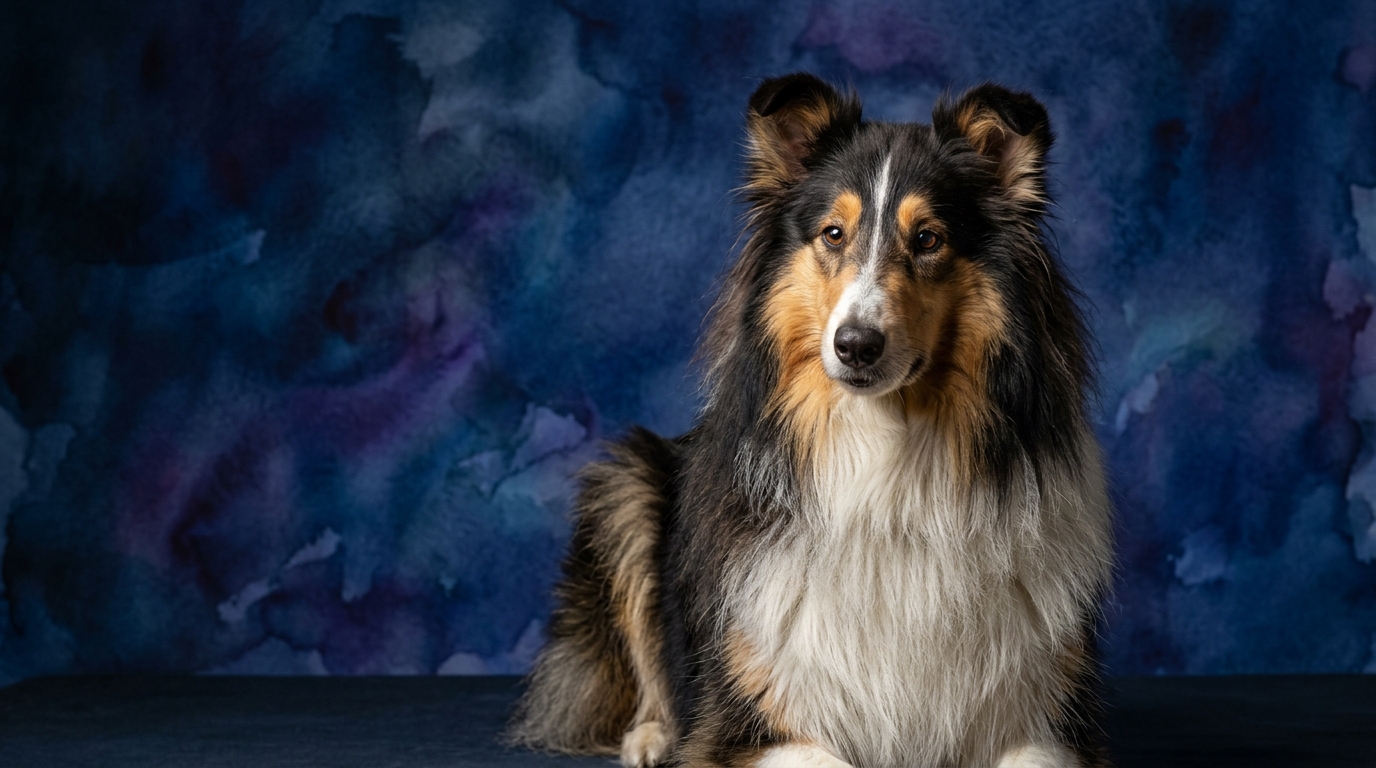
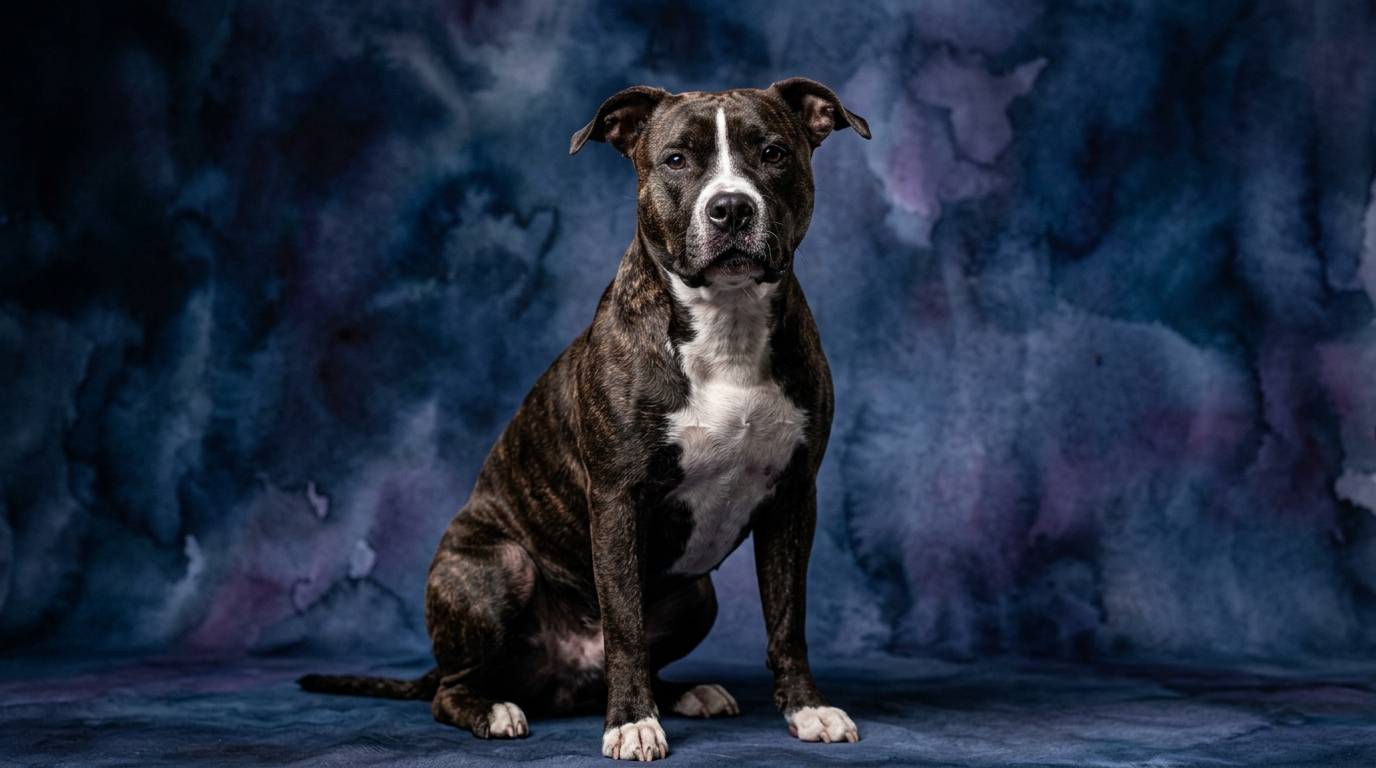
Side-by-Side Cognitive Profiles
The Cosmic Pet Pet IQ Lab employs a multi-dimensional framework to assess canine intelligence, moving beyond simple obedience measures. For the Collie (Rough), we observe a Coren rank of #16, placing them among breeds that demonstrate a keen understanding of new commands with few repetitions and a high success rate. Their cognitive profile includes a Problem Solving score of 4/5, indicating a strong capacity for navigating complex situations and figuring out novel challenges. Training Speed is also rated at 4/5, suggesting they grasp new information and commands with remarkable alacrity. Social Intelligence stands at 3/5, reflecting an adequate ability to interpret human cues and interact appropriately within a family structure. Instinctive Drive, at 3/5, signifies a moderate inherent motivation towards their breed-specific tasks, which for Collies, is primarily herding. Finally, their Memory is exceptional at 5/5, indicating an outstanding ability to retain learned behaviors and routines over extended periods.
In contrast, the American Staffordshire Terrier, with a Coren rank of #48, occupies a respectable but different position in the cognitive hierarchy. Their Problem Solving ability is rated 3/5, suggesting they can work through challenges, though perhaps with more deliberation or trial-and-error than a Collie. Training Speed also sits at 3/5, meaning they are capable learners but may require more consistent repetition and clear instruction to master new commands. Their Social Intelligence matches the Collie's at 3/5, showing a solid capacity for understanding their human companions and fitting into family life. Instinctive Drive is also 3/5, reflecting a moderate but often intensely focused motivation for tasks aligned with their protective or companion roles. Their Memory score is 4/5, indicating a very good capacity for retaining information and routines, making them dependable once a behavior is established.
Where the Collie (Rough) Excels Cognitively
The Collie (Rough)'s cognitive strengths are deeply rooted in its herding lineage, demanding quick thinking, spatial awareness, and the ability to process multiple pieces of information simultaneously. Their Problem Solving score of 4/5 allows them to creatively navigate dynamic environments, such as anticipating the movements of a flock or figuring out how to retrieve a toy from an intricate setup. This isn't just about following commands; it's about making independent decisions to achieve a goal, a critical trait for a working herder.
Furthermore, the Collie's remarkable Memory (5/5) means they not only learn rapidly but also retain those lessons with exceptional longevity. A Collie can recall a complex sequence of commands or a lengthy agility course pattern after long breaks, demonstrating a robust cognitive filing system. Paired with their Training Speed of 4/5, this makes them highly responsive to instruction and capable of mastering an extensive repertoire of behaviors, from advanced obedience to intricate tricks, often requiring fewer repetitions than many other breeds. This superior retention and rapid acquisition make them particularly adept at tasks requiring sequential learning and precise execution.
Where the American Staffordshire Terrier Demonstrates Unique Cognitive Strengths
While the American Staffordshire Terrier's numerical scores in problem-solving and training speed are slightly lower than the Collie's, their cognitive profile reveals distinct strengths tied to their historical purpose as steadfast and robust companions. Their Problem Solving score of 3/5, combined with their instinctive Drive of 3/5, translates into a tenacious approach to challenges. Rather than relying on elegant, quick solutions, an AmStaff might exhibit a persistent, determined effort to overcome an obstacle, demonstrating a mental fortitude that allows them to stick with a task even when it proves difficult or frustrating. This resilience is a valuable cognitive asset, particularly in situations requiring sustained effort.
The AmStaff's Memory, rated at 4/5, is very good, indicating they effectively retain learned behaviors and routines, especially when reinforced consistently. This solid memory contributes to their reliability once trained, making them predictable companions within established boundaries. Their Social Intelligence (3/5), while numerically equal to the Collie's, often manifests as profound loyalty and a keen ability to read the subtle emotional cues of their immediate family. They develop deep bonds and can be remarkably attuned to their owners' moods, demonstrating a specific, rather than generalized, social perceptiveness that is a cornerstone of their companionship.
Trainability: Collie (Rough) vs. American Staffordshire Terrier
When considering ease of training, the Collie (Rough) generally presents a more straightforward experience for many owners, largely due to their superior scores in Training Speed (4/5), Problem Solving (4/5), and Memory (5/5). Their historical role as herding dogs instilled a strong desire to work cooperatively with humans, making them naturally biddable and eager to please. They grasp new commands with minimal repetition and are adept at understanding complex instructions, often anticipating what is expected of them. This mental agility means they can progress rapidly through training levels, from basic obedience to advanced competitive dog sports, often excelling in activities like agility, rally, and trick training where quick learning and precise execution are paramount.
The American Staffordshire Terrier, with scores of 3/5 for Training Speed and Problem Solving, and 4/5 for Memory, requires a more consistent and engaging approach to training. While capable learners and possessing a good memory for established behaviors, they may take more repetitions to solidify new commands. Their inherent tenacity and strong drive, while valuable in some contexts, can sometimes manifest as an independent streak or a tendency to focus intensely on distractions. Effective AmStaff training often leverages their desire for human companionship and their robust physical capabilities, employing positive reinforcement, clear boundaries, and highly motivating rewards to channel their energy and focus. Owners must be prepared for unwavering consistency and patience to build a strong foundation of obedience, rather than expecting the rapid acquisition seen in Collies.
Lifestyle Match: Active vs. Relaxed Owners
For owners with an active lifestyle, both breeds can be suitable, but they cater to different types of activity. The Collie (Rough) thrives with owners who can provide consistent mental engagement and moderate physical exercise. Their desire to work and problem-solve makes them excellent partners for dog sports like obedience, agility, or even simply learning new tricks and puzzle games. While they enjoy a good run, their energy is often more about purpose-driven activity rather than relentless, high-impact exertion. They are adaptable companions who appreciate structured walks, play sessions, and opportunities to use their cognitive skills, making them a fit for active families who enjoy involving their dog in daily activities and mental challenges.
The American Staffordshire Terrier is an ideal match for truly active owners who can provide vigorous daily physical exercise and consistent mental stimulation. Their powerful build and robust energy levels mean they need outlets for their strength and stamina, such as long runs, hiking, intense play sessions, or structured dog sports like weight pulling or dock diving. Without sufficient physical and mental engagement, their instinctive drive and tenacity can lead to boredom and potentially destructive behaviors. For owners seeking a loyal, resilient companion for demanding outdoor adventures and who are committed to consistent training and socialization, the AmStaff can be an exceptional partner. Conversely, for genuinely relaxed owners seeking a low-maintenance companion with minimal exercise requirements, neither breed is an ideal fit, as both possess significant needs for engagement and activity.
The Verdict
Choose the Collie (Rough) if you seek a highly responsive, eager-to-learn companion adept at complex tasks, perfect for owners who enjoy engaging in dog sports or intricate training.
Opt for the American Staffordshire Terrier if you value a loyal, resilient partner capable of sustained effort, and are prepared to provide robust exercise and consistent, firm training.
🧠 Find Your Pet's IQ Score
Our Pet IQ Lab assessment covers 25+ tests across 5 cognitive dimensions — personalized to your breed.
Take the Full IQ Test →Frequently Asked Questions
Do Collies (Rough) shed a lot?
Yes, Rough Collies possess a dense double coat that sheds moderately year-round and heavily during seasonal changes. Regular brushing, at least a few times a week, is essential to manage loose fur and prevent matting and keep their coat healthy.
Are American Staffordshire Terriers good with children?
When properly socialized from a young age and raised in a consistent, loving environment, AmStaffs can be devoted family companions. Their strength and exuberance mean supervision is always necessary, especially with very young children, to ensure respectful and safe interactions.
What kind of mental stimulation do these breeds need?
Rough Collies thrive on activities like obedience, agility, and puzzle toys that engage their problem-solving and memory skills, often enjoying multi-step tasks. American Staffordshire Terriers benefit from structured training, interactive games, and challenging chew toys that channel their drive and persistence, requiring consistent and engaging challenges.