Side-by-Side Cognitive Profiles
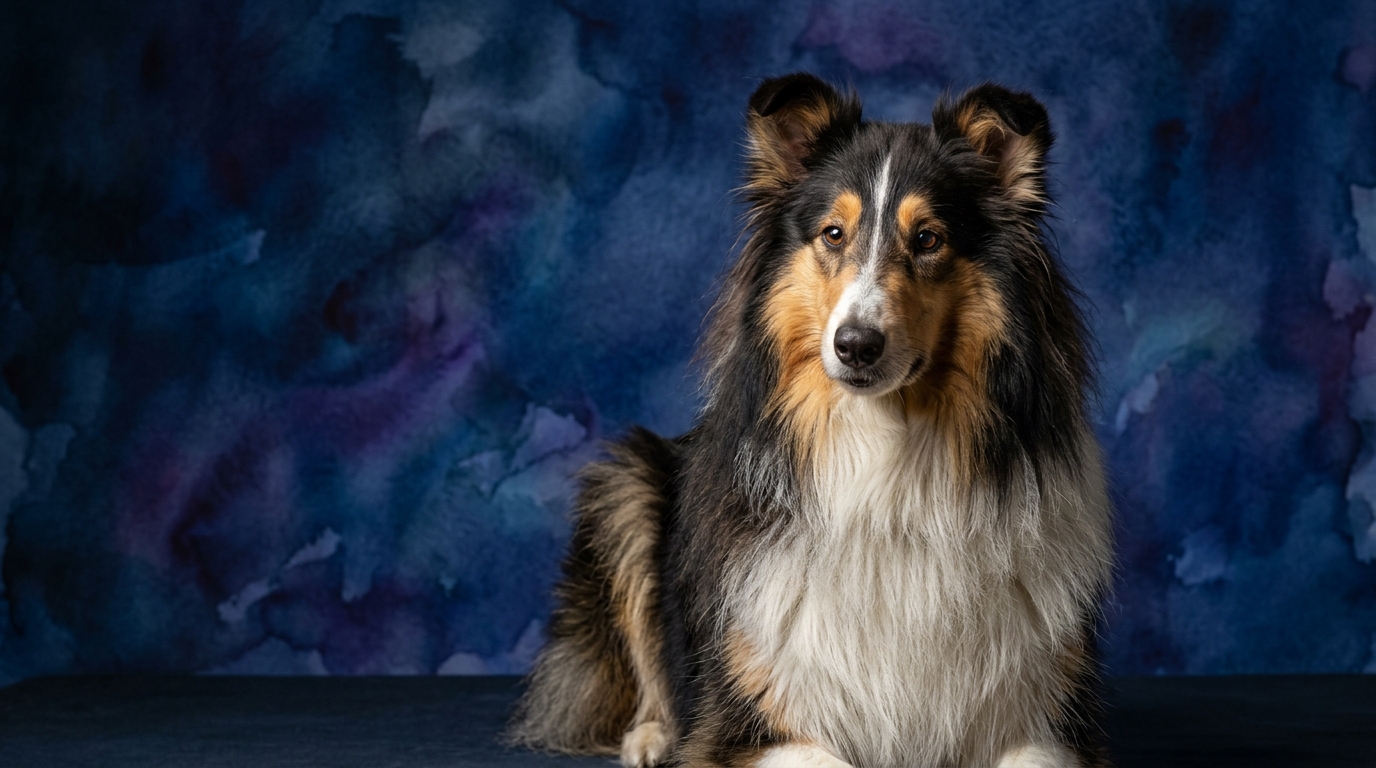
The Collie (Rough), a quintessential herding dog, commands a notable Coren rank of #16, signifying its capacity for understanding new commands quickly and obeying them reliably. Its IQ profile includes a Problem Solving score of 4/5, reflecting an aptitude for navigating complex tasks and adapting to varied situations within its environment. Training Speed is also rated at 4/5, indicating a readiness to learn and a responsiveness to instruction that makes them generally agreeable students. Social Intelligence stands at 3/5, suggesting a moderate ability to interpret human cues and adapt behavior in social contexts, while Instinctive Drive, also 3/5, points to a moderate but present inclination towards its ancestral herding behaviors. A standout feature is its Memory, scoring an impressive 5/5, which underpins its ability to recall commands, routines, and past experiences with remarkable precision.
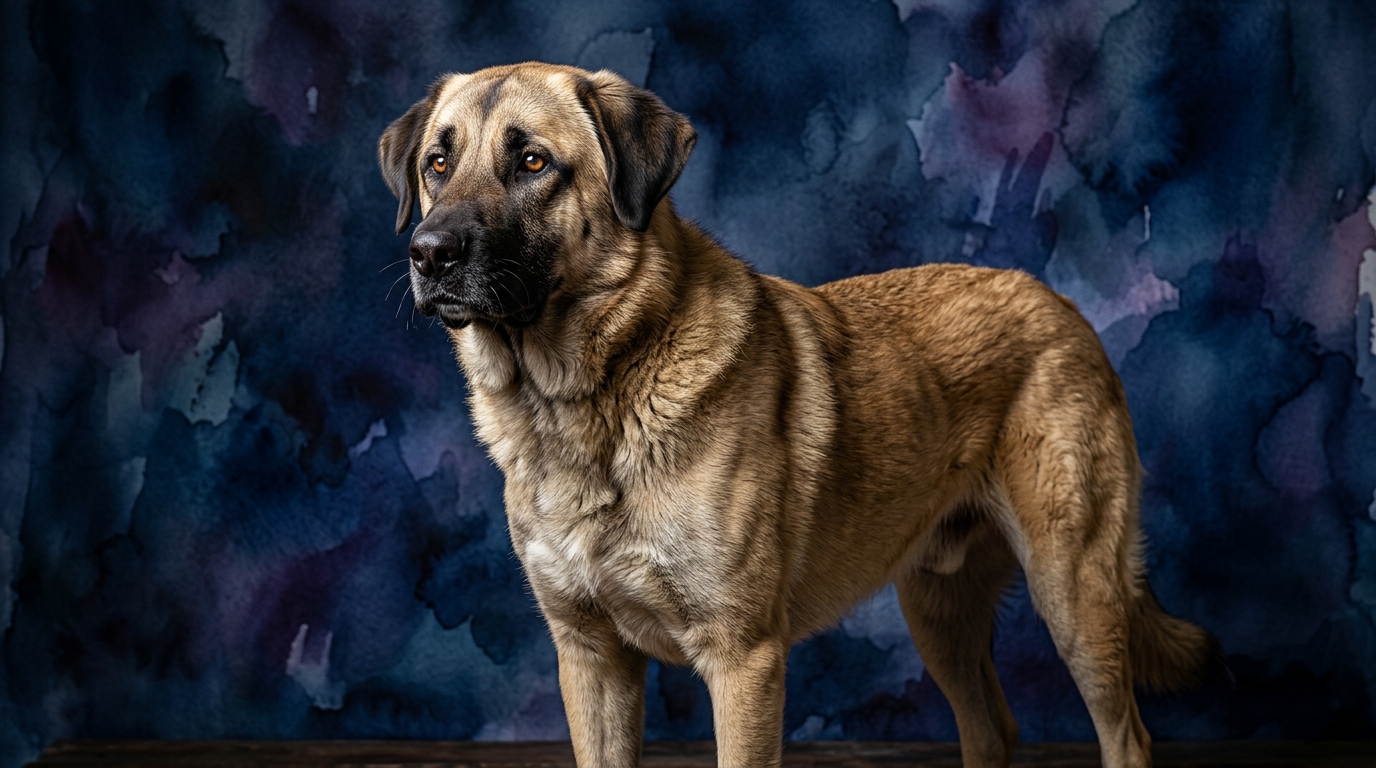
In contrast, the Anatolian Shepherd Dog, a formidable guardian from the Working Group, is not featured on the Coren ranking, reflecting its distinct cognitive priorities. Its IQ profile presents a Problem Solving score of 3/5, indicating a practical, situation-specific approach to challenges, often rooted in its protective duties rather than abstract tasks. Training Speed is rated 3/5, suggesting a capability for learning but often with a more independent streak that requires consistent, patient guidance. Social Intelligence, at 3/5, reflects an ability to understand its immediate family's dynamics but often coupled with a reserved nature towards strangers, a trait essential for its guarding role. Instinctive Drive, also 3/5, is strongly channeled into its innate protective instincts, manifesting as vigilance and territory awareness. Its Memory score of 3/5 suggests competence in recalling important information relevant to its duties, though perhaps not with the same breadth or detail as the Collie.
Where the Collie (Rough) Excels Cognitively
The Collie (Rough) clearly exhibits a cognitive advantage in areas demanding rapid assimilation of information and intricate recall. Its Problem Solving score of 4/5, compared to the Anatolian's 3/5, means a Collie is more likely to quickly devise solutions to novel challenges, whether it's figuring out a new puzzle toy or adapting to changes in a training routine. This breed's superior Training Speed (4/5 versus 3/5) translates directly into a more efficient learning process; they grasp new commands and sequences with fewer repetitions, often eager to please their human companions. The most striking difference lies in Memory, where the Collie scores a perfect 5/5 against the Anatolian's 3/5. This exceptional recall means a Collie can retain a vast repertoire of commands, remember complex multi-step tasks, and recall specific past events or learned behaviors over extended periods, making them incredibly reliable for consistent performance in activities like obedience, agility, or even complex service roles. This robust memory also contributes to their ability to anticipate routines and adapt smoothly to established household rhythms.
Where the Anatolian Shepherd Dog's Cognition Shines
While the Anatolian Shepherd Dog's scores might appear lower in direct comparison, its cognitive strengths are perfectly tailored to its ancient purpose as a livestock guardian, showcasing a different kind of operational intelligence. Its Problem Solving at 3/5, while numerically lower, is geared towards autonomous decision-making in the face of perceived threats to its flock or family. This isn't about solving abstract puzzles but about assessing environmental cues, identifying potential dangers, and responding appropriately without direct human command – a critical aspect of its independent work. The Anatolian's Instinctive Drive, also 3/5, is singularly focused and deeply ingrained, manifesting as unwavering vigilance, territorial defense, and an innate understanding of its protective role. This drive isn't about herding but about deterring predators and intruders through presence and decisive action. Its Social Intelligence, at 3/5, allows it to bond deeply with its chosen family and charges, while maintaining a necessary wariness of outsiders, a nuanced form of social cognition vital for its protective duties. The breed excels in independent judgment, a cognitive trait that allows it to operate effectively in solitary conditions, making critical decisions about safety and security without constant human oversight, a stark contrast to the Collie's more collaborative problem-solving approach.
Trainability: A Tale of Two Temperaments
Based on their respective IQ profiles, the Collie (Rough) is generally easier to train than the Anatolian Shepherd Dog. The Collie’s Training Speed of 4/5, coupled with its excellent Memory (5/5), allows it to form associations between commands and actions rapidly and retain that knowledge over time. They typically exhibit a strong desire to cooperate and please their handlers, making them highly responsive to positive reinforcement and eager participants in training sessions. Their higher Problem Solving score also means they can more readily understand the 'why' behind a command or the sequence of a task. In contrast, the Anatolian Shepherd Dog, with a Training Speed of 3/5 and Memory of 3/5, requires a more patient and nuanced approach. Anatolians are independent thinkers whose primary directive isn't necessarily human appeasement but rather fulfilling their inherent protective duties. This manifests as a strong will and a tendency to evaluate commands against their own perceived importance or utility. They learn, but often at their own pace and when they see the value in the instruction, making consistency, clear communication, and understanding their motivations paramount in their training journey. Their problem-solving is often self-directed towards protection, not necessarily towards following human-initiated tasks for the sake of it, requiring handlers to be adept at convincing them of the relevance of the training.
Matching Canine Cognition to Owner Lifestyles
The choice between a Collie (Rough) and an Anatolian Shepherd Dog significantly depends on an owner's lifestyle and commitment to canine engagement. The Collie (Rough) is an excellent fit for active owners who relish regular mental and physical interaction. Their cognitive profile, with high Problem Solving and Memory, thrives on consistent training, agility, obedience work, and engaging puzzle toys. They require daily exercise beyond simple backyard romps, needing outlets for their herding intelligence through structured activities or long, stimulating walks. Owners who enjoy teaching new tricks, participating in dog sports, or simply engaging in complex play will find the Collie a willing and enthusiastic partner. Conversely, the Anatolian Shepherd Dog, while not 'relaxed' in the sense of being sedentary, suits owners who understand and respect their independent and watchful nature. These dogs require ample space, ideally a securely fenced large yard or property, to patrol and survey. Their activity is often characterized by vigilant observation and periodic bursts of defensive action, rather than sustained, high-intensity exercise in the traditional sense. Owners must be prepared for a dog whose 'activity' involves constant environmental assessment and a profound sense of responsibility, making them more suitable for those with a purposeful, rather than purely recreational, approach to dog ownership, and who can appreciate a companion with a strong, independent streak.
The Verdict
Choose a Collie (Rough) if you seek a highly trainable, eager-to-please companion for advanced obedience, dog sports, or a family that enjoys interactive mental challenges and consistent engagement. Their exceptional memory and quick learning make them ideal for owners who want to teach a broad range of commands and tricks.
Opt for an Anatolian Shepherd Dog if you have ample secure space, understand the demands of a dedicated guardian breed, and appreciate a dog with independent judgment and unwavering protective instincts. This breed suits owners prepared for a watchful, self-reliant companion whose 'work' is often subtle but constant vigilance.
🧠 Find Your Pet's IQ Score
Our Pet IQ Lab assessment covers 25+ tests across 5 cognitive dimensions — personalized to your breed.
Take the Full IQ Test →Frequently Asked Questions
Is the Collie (Rough) truly smarter than the Anatolian Shepherd Dog?
The term 'smarter' is relative to purpose. Based on Coren's ranking and our IQ metrics, the Collie (Rough) excels in human-directed tasks, rapid learning, and memory recall, making it highly adaptable to domestic training and competitive activities. The Anatolian Shepherd Dog possesses a distinct operational intelligence, focused on independent judgment, vigilance, and protective problem-solving crucial for its guarding role, which isn't directly measured by traditional 'obedience' intelligence metrics.
How do their social intelligence scores of 3/5 differ in practice?
For the Collie (Rough), a 3/5 in social intelligence means they are generally adept at reading human cues and enjoy companionship, often seeking interaction and fitting well into family dynamics. For the Anatolian Shepherd Dog, a 3/5 often translates to deep loyalty and bonding with their immediate family and charges, but coupled with a natural wariness and aloofness towards strangers, which is a key component of their protective social strategy.
Can an Anatolian Shepherd Dog be trained for complex tasks like a Collie?
While an Anatolian Shepherd Dog can certainly learn commands, their independent nature and lower Training Speed (3/5 vs. Collie's 4/5) mean they typically require more patience, consistency, and motivation to master complex tasks. Their intelligence is geared towards independent problem-solving in a guarding context, rather than the collaborative, human-directed task performance often seen in herding breeds, making them less inclined towards extensive trick training or competitive obedience.