Side-by-Side IQ Profile: Unpacking the Dimensions
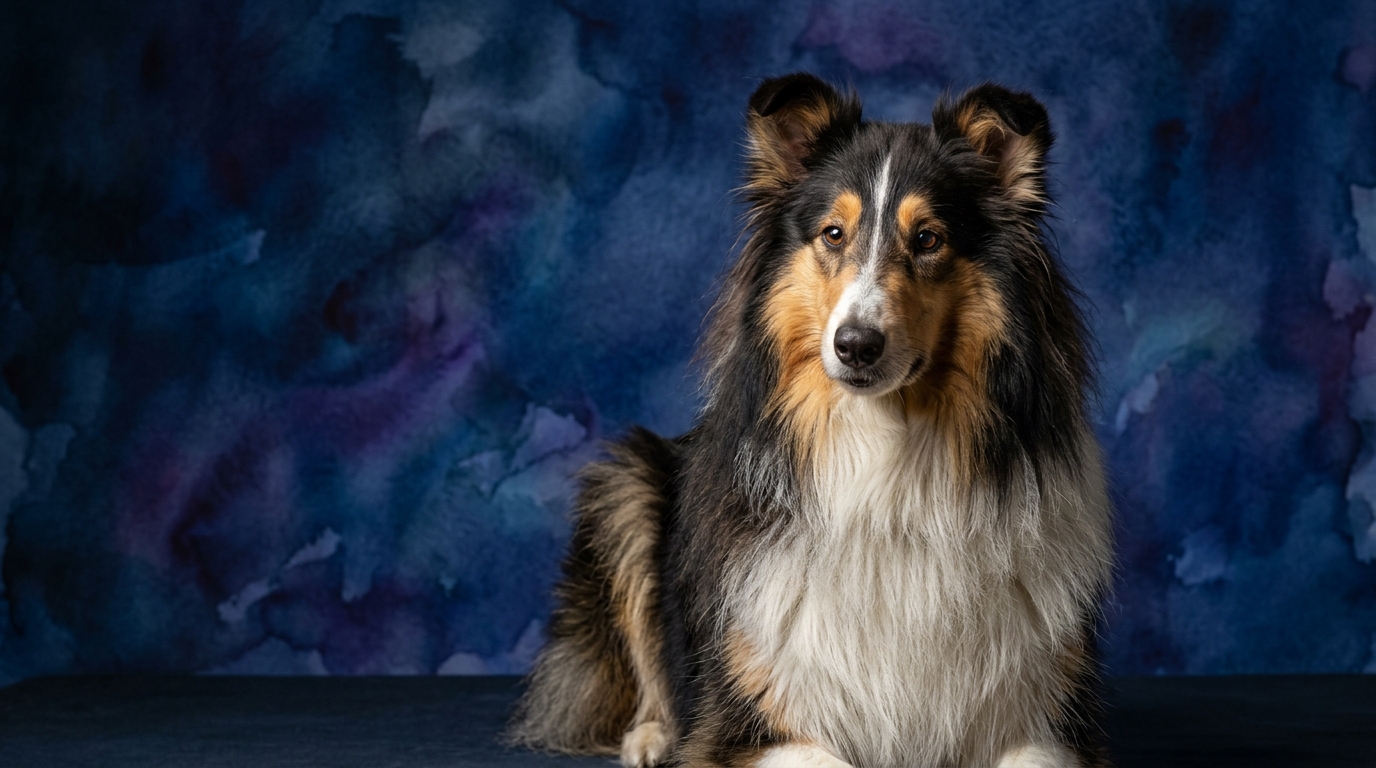
The Cosmic Pet Pet IQ Lab employs a comprehensive framework to assess canine intelligence, dissecting it into five key dimensions. For the Collie (Rough), this profile includes a Problem Solving score of 4/5, a Training Speed of 4/5, Social Intelligence at 3/5, Instinctive Drive also at 3/5, and an impressive Memory score of 5/5. This paints a picture of a highly capable dog with a strong capacity for retention and steady learning.
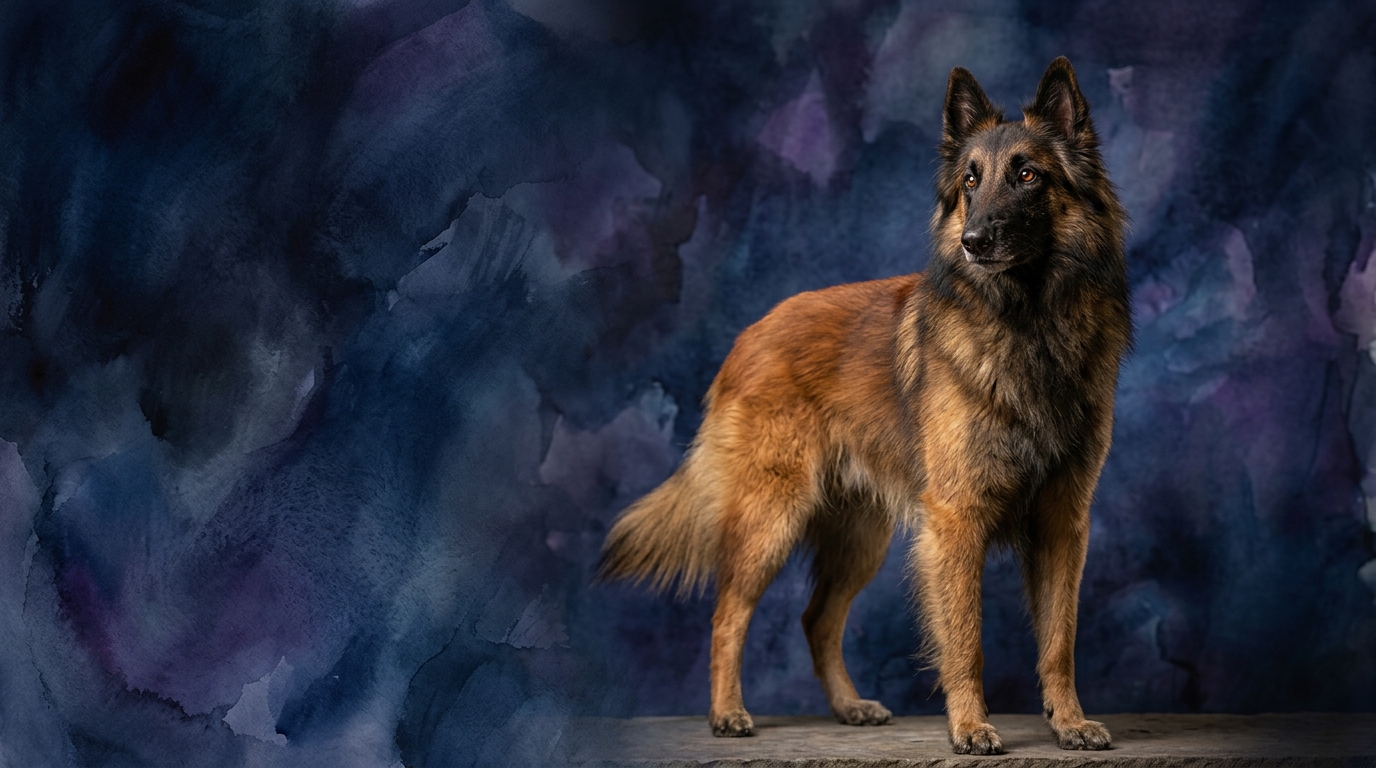
In contrast, the Belgian Tervuren presents a slightly different, yet equally compelling, cognitive blueprint. It boasts a Problem Solving score of 5/5, a Training Speed of 5/5, Social Intelligence at 3/5, Instinctive Drive at 3/5, and a Memory score of 5/5. What immediately stands out are the perfect scores in Problem Solving and Training Speed, suggesting an accelerated learning curve and a profound aptitude for navigating complex situations.
Across both breeds, we observe identical scores in Social Intelligence and Instinctive Drive, indicating a similar baseline for their engagement with humans and their inherent desire to work or perform. Their perfect Memory scores signify that both dogs possess an excellent ability to recall learned behaviors, routines, and experiences over time, making them proficient at retaining vast amounts of information. The primary distinctions lie in how quickly they assimilate new information and their capacity for independent thought in novel scenarios.
Where the Collie (Rough) Excels Cognitively
While the Tervuren edges out in specific cognitive areas, the Collie (Rough) presents a unique blend of attributes that can be particularly advantageous in certain environments. Its Problem Solving score of 4/5, while not 5/5, still indicates a dog that can proficiently analyze and overcome challenges. This means they are capable of learning multi-step tasks and adapting to new situations without the intense, immediate mental demand that a 5/5 problem-solver might continuously present.
The Collie's Training Speed of 4/5 suggests a rapid learning pace, enabling them to pick up new commands and routines with efficiency. This speed, combined with their top-tier Memory (5/5), allows them to build a substantial repertoire of behaviors and reliably execute them. Owners will find that once a task is learned, it is deeply ingrained, requiring minimal refreshers.
Furthermore, the Collie's slightly less intense cognitive profile, compared to the Tervuren's peak problem-solving drive, can translate into a more adaptable companion. Their 3/5 Instinctive Drive, coupled with their 4/5 Problem Solving, means they are eager to engage and learn, but perhaps less prone to developing destructive behaviors out of sheer mental under-stimulation if a day's activities are slightly less rigorous. This makes them exceptionally competent without demanding constant, advanced mental gymnastics, offering a balanced cognitive engagement for many households.
Where the Belgian Tervuren Demonstrates Superiority
The Belgian Tervuren's cognitive strengths are undeniably impressive, particularly its perfect 5/5 scores in both Problem Solving and Training Speed. This combination signifies a dog that not only learns with exceptional rapidity but also possesses an innate ability to independently analyze and resolve complex, novel challenges. They are often observed 'thinking through' situations, demonstrating a remarkable capacity for strategic reasoning.
This superior Problem Solving ability makes the Tervuren highly adept at tasks requiring intricate understanding and adaptability, such as advanced agility courses, complex obedience routines, or even nuanced service dog work. They can quickly generalize learned concepts to new scenarios, often anticipating next steps or finding creative solutions that might elude other breeds. Their capacity to process new information and apply it creatively is a significant cognitive advantage.
Coupled with their 5/5 Training Speed, the Tervuren can master new commands and chains of behaviors almost instantaneously, often after just a few repetitions. This makes them incredibly rewarding for experienced trainers who enjoy pushing the boundaries of canine performance. Their perfect Memory (5/5) ensures that once these complex skills are acquired, they are retained with unwavering accuracy, allowing for consistent, high-level execution in diverse environments. The Tervuren's cognitive horsepower is geared towards sophisticated mental engagement and rapid skill acquisition.
Ease of Training: A Nuanced Comparison
When assessing which breed is 'easier to train,' it’s crucial to look beyond raw speed and consider the overall handler experience. The Belgian Tervuren's Training Speed of 5/5 unequivocally means it will pick up new commands and concepts faster than the Collie (Rough) with its 4/5. Tervurens often grasp new cues in a single session, making them incredibly efficient learners for those seeking quick results in formal training settings.
However, the Tervuren's accelerated learning and high Problem Solving (5/5) also mean they require consistently stimulating and structured training to channel their mental energy effectively. A less experienced or inconsistent handler might find that a Tervuren, bored by repetition or lack of challenge, quickly learns undesirable behaviors or 'trains itself' in ways that are not always convenient. Their quick intellect demands engagement, and without proper direction, this can manifest as clever mischief.
The Collie (Rough), with its 4/5 Training Speed, is still a very quick learner, just requiring a few more repetitions than the Tervuren to solidify a new behavior. This slightly slower, yet still rapid, learning curve can be more forgiving for novice trainers. They are highly responsive and eager to please, making the training process a positive and manageable experience without the intense mental pressure a Tervuren might impose if not constantly challenged. Their 3/5 Instinctive Drive, combined with their training speed, means they are motivated to learn without being overwhelming for a first-time dog owner.
Matching Breeds to Lifestyles: Active vs. Relaxed Owners
Both the Collie (Rough) and the Belgian Tervuren share an Instinctive Drive score of 3/5, indicating they are not sedentary dogs. They both require regular physical activity and mental engagement to thrive. Neither breed is suited for a truly 'relaxed' owner who prefers minimal interaction or exercise for their canine companion. However, the *type* and *intensity* of activity preferred by each breed, influenced by their other cognitive scores, subtly differentiates their ideal owner.
The Belgian Tervuren, with its 5/5 Problem Solving and Training Speed, is a prime candidate for owners who are not just active physically, but also mentally. These dogs excel in structured dog sports like agility, obedience, herding trials, or even protection work, where their cognitive prowess can be fully utilized. They thrive on complex tasks and consistent mental challenges, needing an owner who is committed to providing daily, engaging activities that stimulate their sharp minds. This breed suits highly active individuals or families who enjoy a partner in their athletic and intellectual pursuits.
The Collie (Rough), while still needing activity, might be a better fit for active owners who appreciate a capable and engaging companion without the relentless demand for high-level mental stimulation that a Tervuren might present. Their 4/5 Problem Solving and Training Speed means they enjoy learning new tricks, going on long walks, or participating in less intense dog sports, but they might be more adaptable to varied routines. They are excellent family dogs for active households that enjoy outdoor adventures and consistent, but not necessarily extreme, mental enrichment. They provide a wonderful balance of activity and companionship for owners who are active but perhaps not professional dog sports enthusiasts.
The Verdict: When to Choose Each Breed
Choosing between a Collie (Rough) and a Belgian Tervuren hinges on the specific cognitive demands an owner is prepared to meet and the level of intensity they desire in a companion. Both breeds offer deep loyalty and significant cognitive abilities, but their nuanced differences dictate distinct best-fit scenarios. Your lifestyle, experience, and aspirations for canine partnership will ultimately guide your decision.
The Verdict
Choose the Collie (Rough) if you desire a highly intelligent, trainable, and adaptable companion with excellent memory, capable of learning complex tasks without the constant, intense demand for advanced mental challenges. They are ideal for active families seeking a devoted and responsive partner who is forgiving of slight inconsistencies in training.
Opt for the Belgian Tervuren if you are an experienced, highly active owner eager to engage in advanced dog sports or demanding work, valuing a dog that learns at lightning speed and exhibits exceptional problem-solving abilities. This breed thrives with consistent, high-level mental and physical stimulation, offering an unparalleled partnership for those ready to match its profound intellect.
🧠 Find Your Pet's IQ Score
Our Pet IQ Lab assessment covers 25+ tests across 5 cognitive dimensions — personalized to your breed.
Take the Full IQ Test →Frequently Asked Questions
Are Belgian Tervurens harder to manage than Collies due to their intelligence?
Belgian Tervurens learn faster and can be more independent in their problem-solving, which means they require consistent, structured training and mental engagement to prevent boredom or self-directed behaviors. While not 'harder' in terms of raw learning, their cognitive demands are higher, requiring a more experienced and committed handler to channel their intellect effectively.
Do both breeds make good family pets given their similar social intelligence?
Yes, both breeds have a Social Intelligence score of 3/5, indicating they are generally good with family members and can be well-adjusted companions within a household. Their ability to form strong bonds and interact appropriately within a family setting is solid, though neither is exceptionally outgoing with strangers.
How significant is the difference between a 4/5 and 5/5 in Problem Solving?
A 5/5 in Problem Solving signifies a dog that can quickly and independently devise solutions to novel and complex challenges, often showing strategic thinking. A 4/5 indicates a dog that is still very capable of problem-solving and adapting, but might take slightly longer or require a bit more guidance to figure out new situations compared to a 5/5 scorer.