Side-by-Side IQ Profile: Collie (Rough) vs Border Terrier
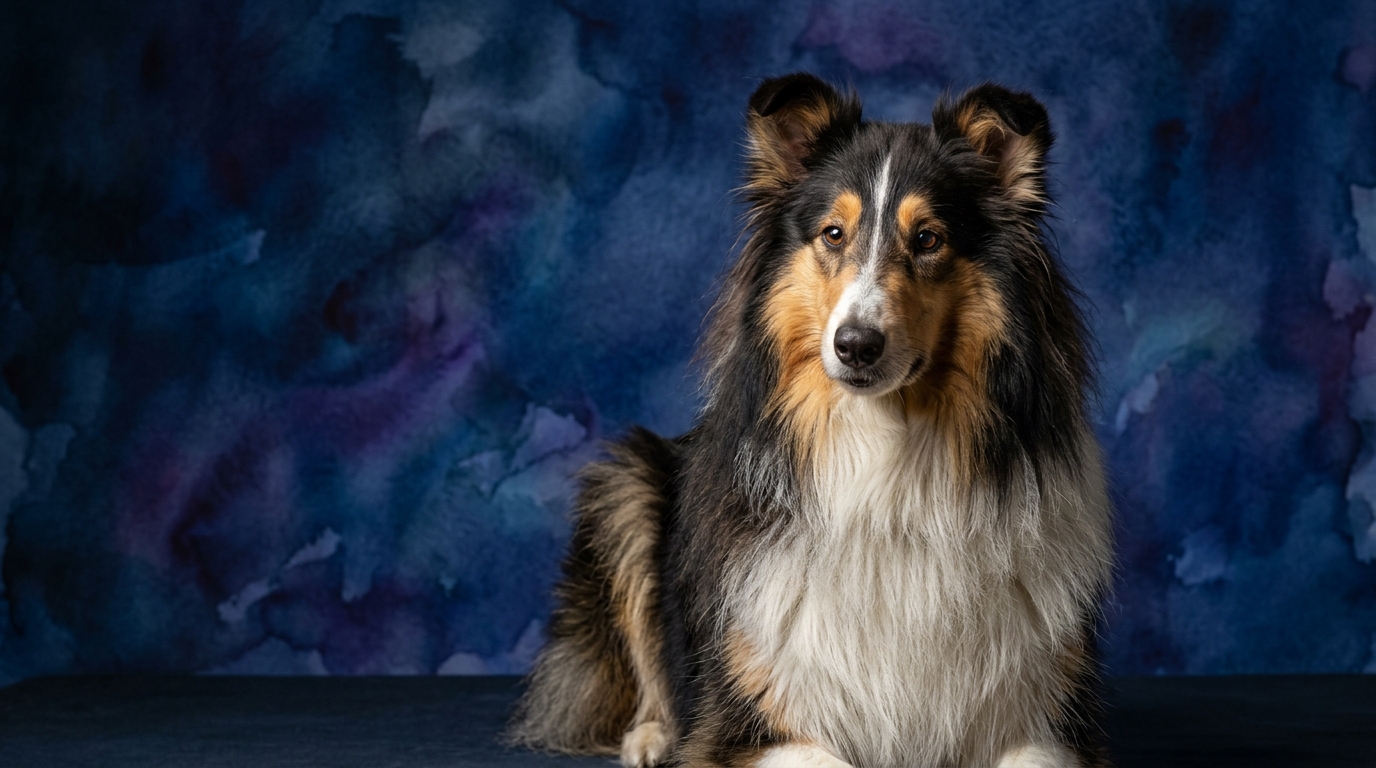
The Collie (Rough), ranking #16 on the Coren scale, presents a cognitive profile built for cooperative work and intricate understanding. Their Problem Solving at 4/5 indicates a strong capacity for navigating complex tasks and understanding multi-step commands, often demonstrating strategic thought in their actions. Training Speed also at 4/5 means they acquire new behaviors and cues with relative swiftness, making them responsive learners eager to engage. Social Intelligence at 3/5 suggests they are attuned to human emotional states and cues, fostering strong bonds, though perhaps not exhibiting the most nuanced social interactions beyond their immediate family. Instinctive Drive, rated 3/5, reflects their herding heritage with an inclination to gather and manage, a drive that is present but generally manageable within a family setting. A standout feature is their Memory at 5/5, indicating an exceptional capacity to retain learned behaviors, routines, and experiences over extended periods, making them highly reliable.
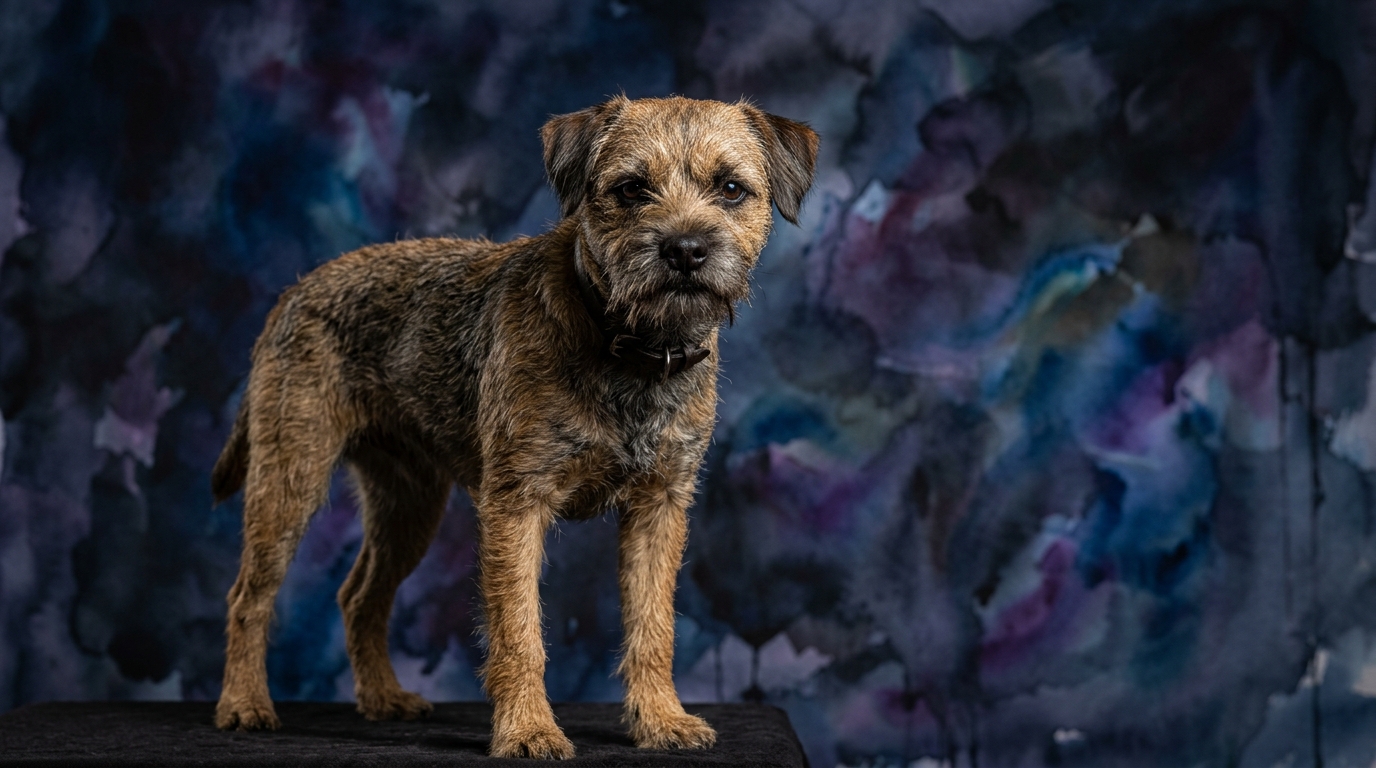
The Border Terrier, with a Coren rank #30, also demonstrates a capable intellect, though its manifestation differs from the Collie. Their Problem Solving at 4/5 speaks to a tenacious and resourceful approach, often finding independent solutions to challenges, particularly those involving access or retrieval. Training Speed, mirroring the Collie at 4/5, means they pick up commands quickly, but their application of these skills is often filtered through an independent spirit. Social Intelligence at 3/5 describes their ability to form deep connections with their human family, being affectionate and responsive, yet they retain a certain self-reliance. Instinctive Drive, also 3/5, is strongly rooted in their historical role as vermin hunters, manifesting as a keen desire to explore, dig, and pursue, requiring consistent redirection. Their Memory at 4/5 is robust, allowing them to recall training and past events effectively, though it doesn't quite reach the exceptional level observed in the Collie.
Where Collie (Rough) Wins Cognitively
The Collie (Rough) demonstrates a distinct cognitive edge primarily in its exceptional memory, rated 5/5 compared to the Border Terrier's 4/5. This superior recall allows Collies to master intricate sequences of commands and extensive vocabularies, making them particularly adept at advanced obedience, competitive canine sports like agility, or even service roles where remembering complex protocols is paramount. Their herding lineage (Coren rank #16) also underpins a sophisticated form of operational intelligence; they excel at understanding spatial relationships and managing dynamic environments, exhibiting a natural aptitude for strategic movement and control. This manifests as an ability to anticipate and respond to subtle cues, not just from a handler but also from their environment, showcasing a cognitive flexibility that allows for precise execution in complex, changing scenarios. They process and retain information about their surroundings and human expectations with remarkable fidelity, making them incredibly reliable in established routines and learned tasks.
Where Border Terrier Wins Cognitively
While the Collie excels in structured recall, the Border Terrier's cognitive strengths shine in areas demanding independent resourcefulness and persistent, practical problem-solving. Both breeds score 4/5 in Problem Solving, but the Border Terrier's application of this skill is often characterized by an inventive, self-directed tenacity rooted in its terrier heritage. They are masters at figuring out how to get to something they want or overcome an obstacle, often employing clever, unconventional methods that don't rely on human direction. This practical intelligence, combined with their 3/5 instinctive drive for exploration and pursuit, makes them exceptionally good at tasks requiring independent investigation, scent work, or navigating challenging terrains. They approach new situations with an inquisitive and determined mindset, less concerned with following explicit commands and more focused on achieving their self-determined goals, demonstrating a profound capacity for autonomous thought and action that allows them to adapt and succeed in unpredictable environments.
Which is Easier to Train and Why
Both the Collie (Rough) and Border Terrier share a Training Speed rating of 4/5, indicating that both breeds learn new commands and behaviors with considerable ease. However, the *ease* of training in practice diverges due to their differing motivations and temperaments. The Collie, with its herding background, typically exhibits a stronger desire to cooperate and please its handler, making it highly receptive to structured training and eager to perform tasks for human approval. Their 5/5 memory further enhances this, allowing them to consistently recall and execute complex sequences of commands, translating into a generally smoother and more predictable training experience for owners who provide clear, consistent direction. In contrast, while the Border Terrier also grasps commands quickly, its inherent terrier independence and strong instinctive drive (3/5) mean it may be more inclined to follow its own agenda, especially if a distraction, like a tempting scent or small critter, captures its attention. Training a Border Terrier often requires more creativity, patience, and unwavering consistency to channel their self-directed problem-solving into desired behaviors, as they are less driven by a need to please and more by their own internal motivations. This means an owner must work harder to make training more engaging and rewarding than external distractions.
Which Suits Active Owners vs. Relaxed Owners
The choice between a Collie (Rough) and a Border Terrier largely depends on the *type* of activity an owner prefers and their overall lifestyle. The Collie, while not requiring constant, high-intensity exercise, thrives with active owners who can provide consistent mental stimulation and moderate physical activity. Their herding intelligence means they excel in structured activities like obedience, rally, or agility, and enjoy long, purposeful walks where they can engage their minds. They are well-suited for families who enjoy incorporating their dog into daily routines and are prepared to engage them in learning new skills. While they can enjoy periods of relaxation indoors, they are not content with a purely sedentary existence and need a job, even if it's just being an attentive family member involved in structured play and training. For the Border Terrier, active owners are almost a necessity, though their activity style differs. Their robust build, tenacity, and strong instinctive drive demand regular, vigorous exercise that allows for exploration, sniffing, and varied physical challenges. They are ideal for adventurers who enjoy hiking, trail running, or engaging in earthdog trials and scent work. While they are affectionate family members, a truly "relaxed" owner who cannot provide outlets for their physical and mental energy may find a Border Terrier's independent spirit and drive expressed in undesirable ways, such as digging or excessive barking. They can relax beautifully indoors, but only after their inherent terrier energy has been adequately spent.
The Verdict
Choose a Collie (Rough) if you seek a highly cooperative, memory-driven companion eager to learn and excel in structured activities like advanced obedience or canine sports, thriving on a strong partnership.
Opt for a Border Terrier if you desire a tenacious, resourceful, and independent companion who excels in self-directed problem-solving and outdoor adventures, provided you can channel their spirited drive.
🧠 Find Your Pet's IQ Score
Our Pet IQ Lab assessment covers 25+ tests across 5 cognitive dimensions — personalized to your breed.
Take the Full IQ Test →Frequently Asked Questions
Are Border Terriers difficult to train due to their independence?
Border Terriers learn quickly with a 4/5 training speed, but their independence means consistent, engaging methods are key. They respond best when training is varied and rewarding, making it more appealing than following their own instincts.
Do Rough Collies need a lot of exercise, given their herding background?
Rough Collies require moderate physical exercise combined with significant mental stimulation. Long, purposeful walks and engaging in structured activities like obedience or puzzle toys are more important than non-stop high-intensity running.
How do their social intelligence scores (3/5) impact their family life?
A 3/5 social intelligence rating indicates both breeds form strong, affectionate bonds with their immediate family, being responsive and loyal. It suggests they might be less adept at navigating complex social interactions with strangers or other animals without guidance, preferring their established social circle.