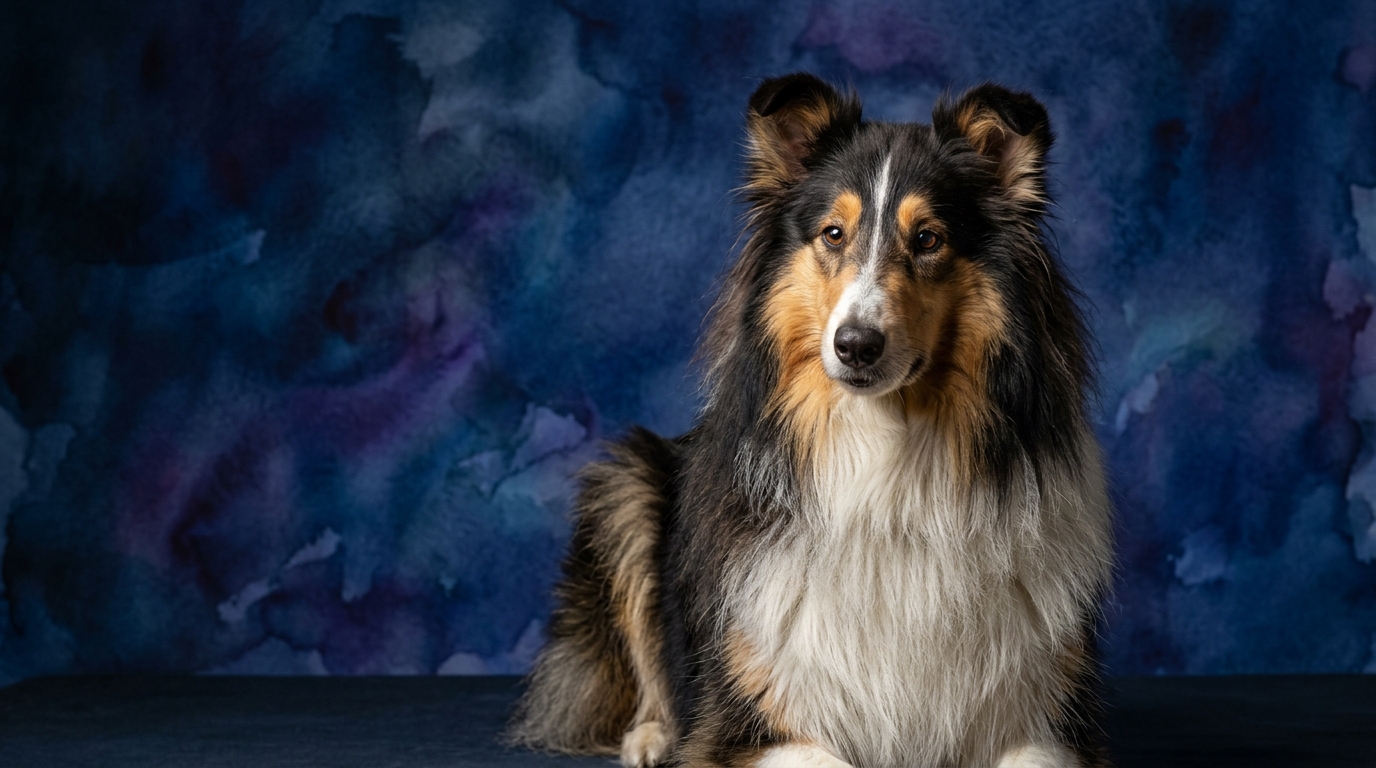
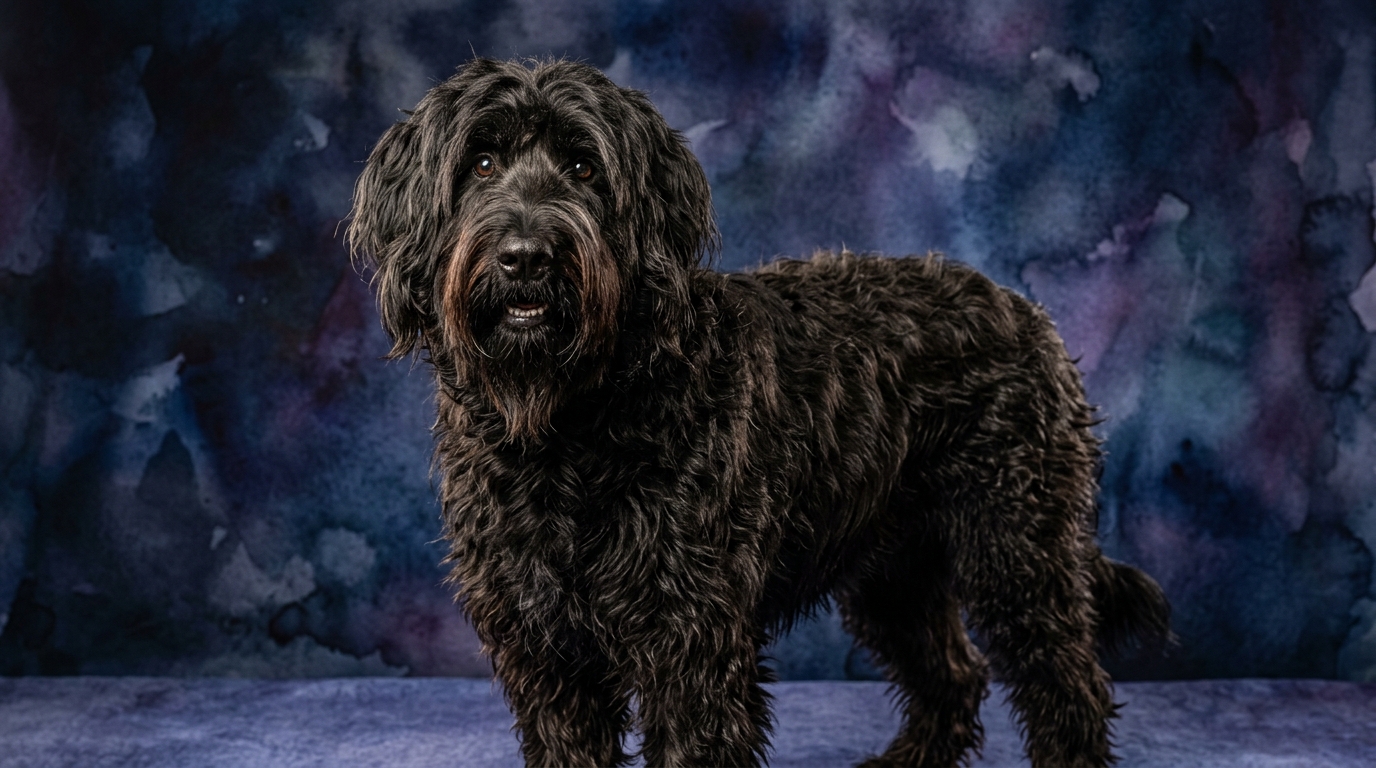
Side-by-Side IQ Profile: Unpacking Cognitive Dimensions
The Cosmic Pet Pet IQ Lab employs five key dimensions to evaluate canine intelligence, offering a granular view beyond simple obedience. For the Collie (Rough), ranked #16 by Coren, and the Briard, at #30, these dimensions illuminate their inherent aptitudes and tendencies.
**Collie (Rough) Cognitive Breakdown:** The Collie (Rough) exhibits a robust Problem Solving score of 4/5, indicating a strong capacity to navigate novel situations and figure out solutions independently. Their Training Speed also stands at 4/5, reflecting a good pace in acquiring new commands. Social Intelligence, rated at 3/5, suggests an adequate understanding of human cues and social dynamics, while their Instinctive Drive, also 3/5, points to a moderate inclination towards their inherent herding behaviors. A standout feature for the Collie is their Memory, earning a perfect 5/5, signifying exceptional retention of learned behaviors and experiences.
**Briard Cognitive Breakdown:** The Briard shares many cognitive scores with the Collie. Its Problem Solving ability is rated 4/5, demonstrating comparable aptitude for critical thinking in new scenarios. Training Speed is also 4/5, indicating a similar capacity for learning commands. Social Intelligence, at 3/5, reflects a moderate level of awareness regarding human communication and social structures. Instinctive Drive, also 3/5, suggests a balanced expression of their herding and protective instincts. The primary distinction lies in their Memory, which is rated 4/5, a strong score but slightly less profound than the Collie's perfect retention.
Where the Collie (Rough) Wins Cognitively
The Collie (Rough)'s distinct cognitive advantage lies primarily in its superior memory and overall efficiency in processing new information. With a Memory score of 5/5, the Collie excels at recalling complex command sequences, remembering specific routines, and retaining training over long periods, making them incredibly reliable once a skill is mastered. This exceptional memory contributes significantly to their higher Coren rank of #16, which implies they grasp new commands in 5-15 repetitions and obey them on the first attempt 85% of the time or better. This rapid acquisition and steadfast retention mean a Collie can build a vast repertoire of behaviors and apply them consistently, making them highly adaptable to varied tasks that require precision and recall, such as advanced obedience or intricate agility courses.
Furthermore, the Collie's combination of strong problem-solving and excellent memory allows them to not just solve a problem, but to remember the solution and apply it efficiently in future similar situations. This makes their learning curve incredibly steep, enabling them to quickly generalize learned concepts. For owners seeking a companion that can learn quickly and retain a wide array of skills with minimal refresher training, the Collie's cognitive profile presents a clear winning edge.
Where the Briard Wins Cognitively
While many of the Briard's raw IQ scores align with the Collie's, its cognitive strengths manifest in a slightly different style, particularly influenced by its historical role as a guardian herder. Despite a 4/5 Training Speed score, the Briard's Coren rank of #30 suggests they understand new commands in 15-25 repetitions and obey 70% of the time or better on the first command. This difference, compared to the Collie's faster acquisition, doesn't imply a lack of capacity but perhaps a cognitive process that prioritizes independent assessment before compliance. This translates into a distinct advantage in situations demanding self-reliance and autonomous decision-making, where a dog needs to evaluate a situation rather than immediately deferring to handler input.
The Briard's 4/5 Problem Solving and 3/5 Instinctive Drive, combined with this independent streak, can make them adept at navigating complex, unsupervised scenarios. For instance, in a true guardian role, a Briard might weigh various factors and choose an appropriate course of action based on its assessment of a threat, rather than waiting for a direct command. This robust, self-sufficient cognitive approach means they can excel in environments where their innate judgment is valued, and where a slightly more deliberate, considered response is preferable to immediate, precise obedience. Their strong protective instincts are often coupled with this independent problem-solving, allowing them to act decisively when their charges are perceived to be in danger.
Which is Easier to Train and Why
When considering ease of training, the Collie (Rough) generally holds an advantage due to its superior memory and faster command acquisition rate. The Collie's 5/5 Memory means that once a concept is taught, it is deeply ingrained, requiring fewer repetitions for mastery and excellent long-term retention. This is further supported by their Coren rank of #16, indicating they typically grasp new commands within 5-15 repetitions and show high reliability in obeying on the first attempt. This makes the training process often feel more fluid and rewarding, as Collies quickly build upon previous lessons and respond consistently to cues.
The Briard, while possessing a 4/5 Training Speed score, still requires more repetitions for command acquisition, typically 15-25, and exhibits a slightly lower first-command obedience rate (Coren rank #30). This doesn't mean the Briard is untrainable; rather, it suggests a need for more patience and consistency from the trainer. A Briard might take a bit longer to internalize a new command, and their independent nature might lead to moments where they pause to assess before complying, especially in novel environments. While both breeds are capable of learning complex tasks, the Collie's cognitive architecture, particularly its memory and rapid processing, makes the journey to proficiency generally smoother and faster for the average owner.
Which Suits Active Owners vs. Relaxed Owners
The choice between a Collie (Rough) and a Briard often hinges on an owner's lifestyle and their preferred level of engagement with their dog's mental and physical needs. The Collie (Rough), with its exceptional memory and quick learning, thrives with owners who enjoy structured activities, consistent training, and opportunities for mental stimulation. They are well-suited for active owners who wish to participate in dog sports like agility, obedience, or herding trials, where their ability to learn complex sequences and respond precisely is a significant asset. While they appreciate regular exercise, their primary need for engagement often leans towards mental challenges and companionship. A Collie can adapt to a moderately active lifestyle, provided their minds are kept busy with training games and interaction, making them suitable for owners who are active but also enjoy periods of relaxed companionship at home.
The Briard, on the other hand, with its robust physical presence and independent cognitive style, often suits more active and experienced owners who appreciate a dog that thinks for itself. Their protective instincts and strong build mean they benefit from consistent physical exercise, such as long hikes, jogging, or challenging outdoor activities that allow them to utilize their stamina and guardian tendencies. While they are trainable, their independent streak means owners must be prepared for a dog that might not always offer immediate, eager compliance, requiring a confident and consistent approach. They are an excellent match for owners who embrace a more hands-on, adventurous lifestyle and are comfortable with a dog that brings a strong personality and requires dedicated management of its protective nature, rather than an always-eager-to-please companion.
The Verdict
Choose the Collie (Rough) if you prioritize rapid learning, exceptional memory for complex commands, and a highly responsive companion for structured activities and close partnership. They excel when their mental capabilities are consistently engaged.
Opt for the Briard if you seek a self-reliant, physically robust companion with a protective instinct, valuing independent decision-making and a more deliberate, thoughtful approach to tasks. They thrive with active owners who appreciate a strong-willed, capable working dog.
🧠 Find Your Pet's IQ Score
Our Pet IQ Lab assessment covers 25+ tests across 5 cognitive dimensions — personalized to your breed.
Take the Full IQ Test →Frequently Asked Questions
Do Collies (Rough) make good family pets?
Yes, Collies (Rough) often make excellent family pets due to their gentle nature, social intelligence, and capacity for forming strong bonds. They are typically patient with children and can integrate well into a family dynamic, especially when their needs for mental engagement and companionship are met.
Are Briards difficult to train due to their independence?
Briards are not inherently difficult to train, but their independent nature and slightly slower command acquisition (Coren rank #30) mean they require a consistent, patient, and confident trainer. They respond well to positive reinforcement and clear boundaries, flourishing with owners who appreciate their thoughtful, self-reliant approach rather than demanding instant obedience.
Which breed is better for first-time dog owners?
For first-time dog owners, the Collie (Rough) is generally a more forgiving choice due to its quicker learning, exceptional memory, and eager-to-please temperament. The Briard's independent streak and strong protective instincts can be more challenging for novice owners who may not be prepared for their specific management needs.