Side-by-Side Cognitive Profiles
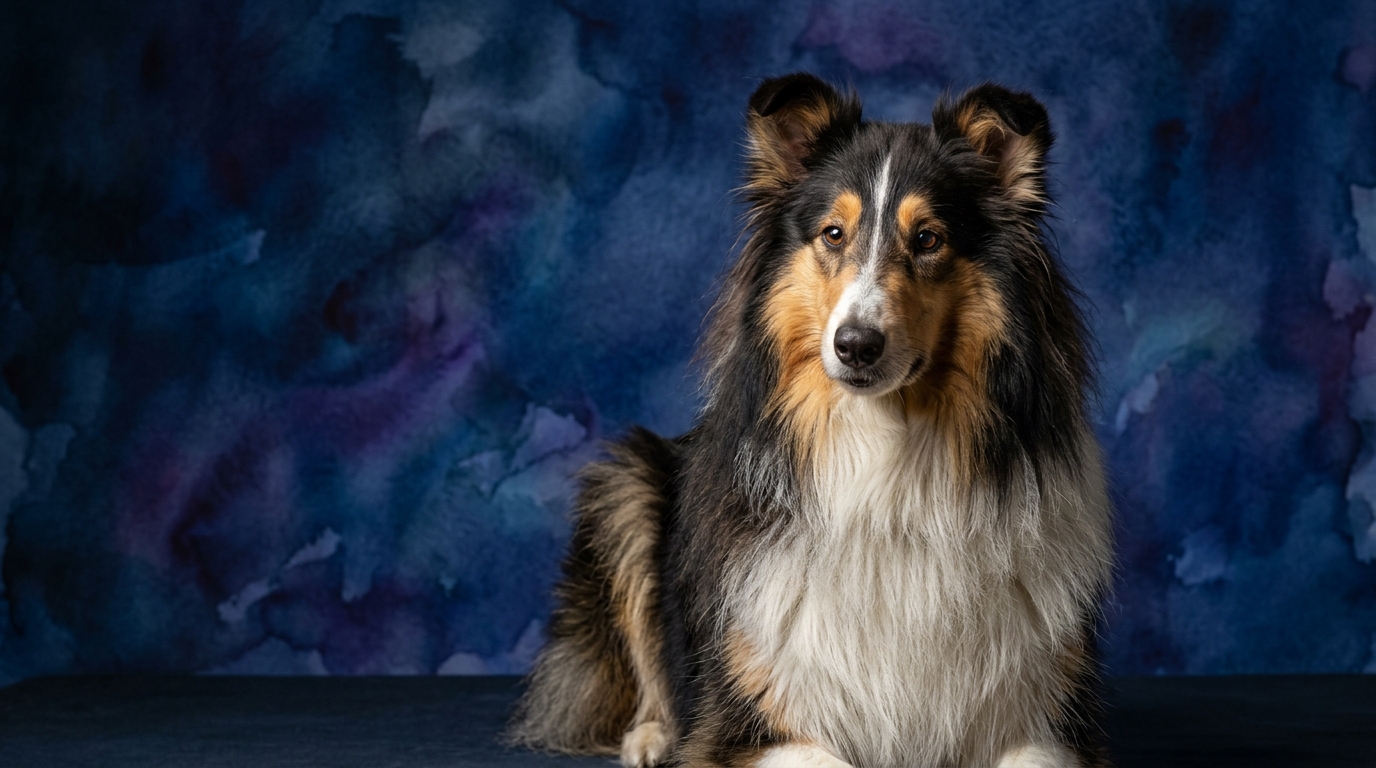
The Collie (Rough) presents a compelling cognitive profile, ranking #16 in Coren's intelligence scale, signifying a strong capacity for learning and understanding. Their Problem Solving is rated 4/5, indicating an ability to independently navigate complex situations, figure out puzzles, or adapt strategies to new challenges, perhaps stemming from their history of managing livestock. Training Speed is also 4/5, reflecting a quick grasp of commands and routines, making them responsive and eager students. Social Intelligence stands at 3/5, suggesting a good understanding of human cues and emotional states, allowing for effective communication and bonding. Instinctive Drive, rated 3/5, points to a moderate but present inclination towards their herding heritage, manifesting as a desire to gather or control. Memory, at an impressive 5/5, highlights their exceptional ability to retain information, commands, and experiences over long periods, making them reliable companions once lessons are learned.
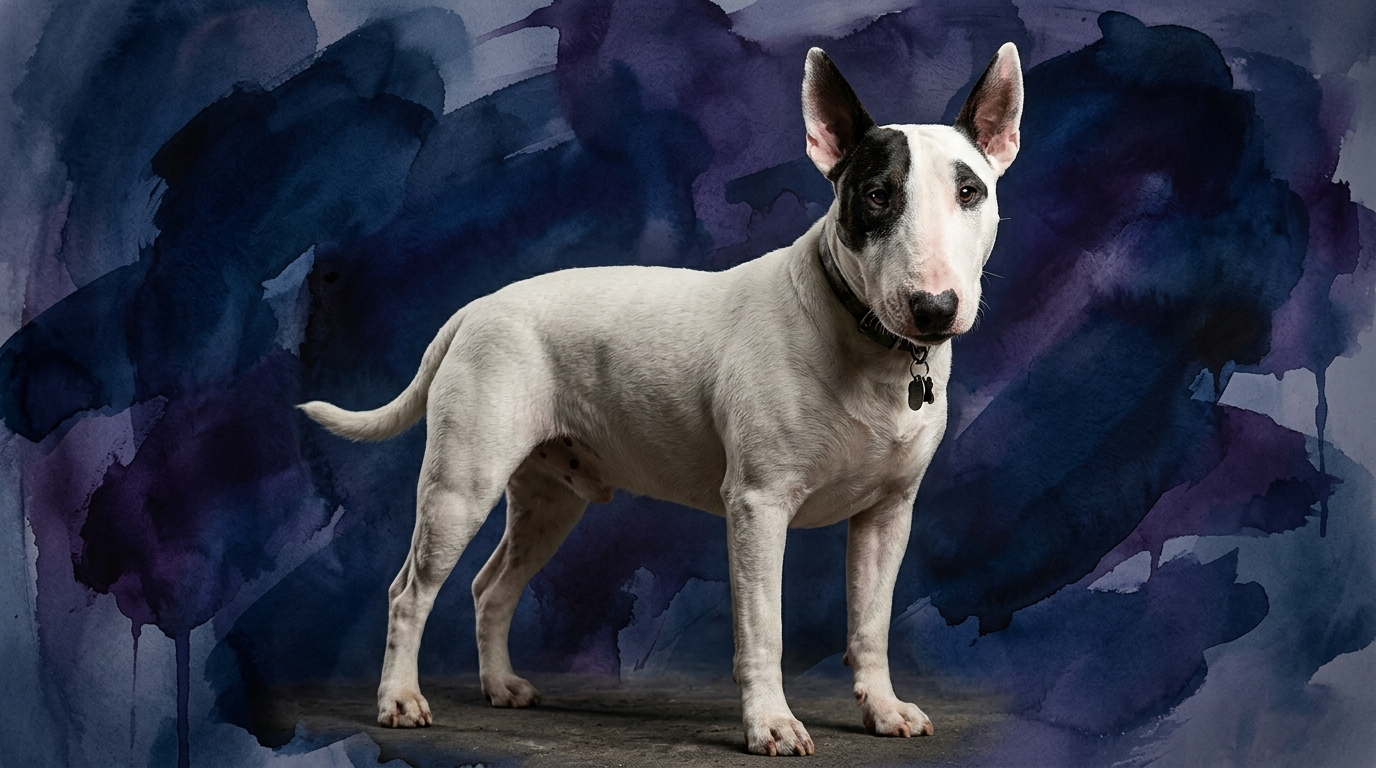
In contrast, the Bull Terrier, with a Coren rank of #66, offers a different set of cognitive strengths. Their Problem Solving is rated 3/5, indicating a solid, practical ability to tackle challenges, though perhaps with less spontaneous innovation than the Collie; they tend to stick to learned methods or persistent effort. Training Speed also sits at 3/5, meaning they can learn effectively, but may require more repetitions and patience compared to breeds with higher scores, often due to their independent nature. Social Intelligence is 3/5, showing a capacity for understanding and interacting with people, though their focus might be more on direct engagement than nuanced emotional interpretation. Instinctive Drive is 3/5, reflecting their terrier heritage of pursuit and determination, which can translate into focused, single-minded behaviors. Memory, at 3/5, suggests a functional recall for learned behaviors and routines, but perhaps not the extensive, detailed retention seen in the Collie.
Where the Collie (Rough) Shines Cognitively
The Collie (Rough) distinctly outperforms the Bull Terrier in several key cognitive areas, particularly in Problem Solving, Training Speed, and Memory. Their 4/5 Problem Solving score means a Collie is more likely to independently figure out how to open a gate, retrieve a dropped toy from an awkward spot, or even anticipate a handler's next move during a task, showcasing a proactive mental agility. This isn't just about following instructions, but about understanding the underlying goal and devising a plan. For instance, a Collie might quickly learn to operate a puzzle feeder with minimal guidance, experimenting with different approaches until successful, while a Bull Terrier might rely more on brute force or consistent repetition of a single, taught action.
The Collie's 4/5 Training Speed is a significant advantage for owners seeking a responsive learner. They tend to pick up new commands and routines with fewer repetitions, often generalizing concepts quickly. This makes them excellent candidates for advanced obedience, agility, or service work where a rapid understanding of complex sequences is crucial. Their exceptional 5/5 Memory further solidifies this, ensuring that once a lesson is learned, it's rarely forgotten, leading to consistent performance even after long breaks. This combination creates a dog that not only learns fast but retains that knowledge reliably, building a deep repertoire of understood commands and behaviors over its lifetime.
Where the Bull Terrier Demonstrates Unique Strengths
While the Bull Terrier's scores might not reach the Collie's peaks, their consistent 3/5 across all five cognitive dimensions speaks to a balanced and robust, rather than flashy, mental fortitude. Their strength lies not in rapid-fire learning or intricate problem-solving, but in their unwavering resolve and tenacity, hallmarks of their terrier lineage. This 3/5 Instinctive Drive, coupled with their Problem Solving and Training Speed, means that once a Bull Terrier understands a task or is motivated by a goal, they approach it with single-minded determination. This can manifest as relentless digging, focused toy retrieval, or persistent effort to achieve a desired outcome, even if it requires repeated attempts.
Their cognitive profile suggests a pragmatic intelligence, one that prioritizes action and persistence over abstract reasoning. A Bull Terrier might not devise the most elegant solution to a problem, but they are likely to keep trying until they succeed, demonstrating a grit that can be incredibly valuable in certain contexts. For owners who appreciate a dog with a strong will and a direct approach, the Bull Terrier's cognitive makeup translates into a loyal companion that, once committed to a task or a person, will see it through with characteristic Bull Terrier zeal. Their 3/5 Social Intelligence also means they form strong, direct bonds, often preferring clear, consistent interactions over more subtle social cues.
Training: Responsiveness vs. Persistence
Training a Collie (Rough) generally proves to be a more straightforward and faster process due to their superior Training Speed (4/5) and Problem Solving (4/5). They are naturally inclined to understand and respond to human directives, often appearing eager to please and quick to grasp new concepts. Their strong memory (5/5) means that once a command is learned, it tends to stick, requiring less refresher training. This inherent responsiveness makes them highly adaptable to various training methodologies and capable of excelling in complex obedience or specialized roles. For example, a Collie can quickly learn a multi-step retrieve, understanding the sequence and purpose with minimal repetition, eager to engage their keen intellect.
The Bull Terrier, with a 3/5 in both Training Speed and Problem Solving, requires a different approach. While capable of learning, their independent terrier spirit means they may not always see the immediate benefit in complying, or they might prefer to solve problems through persistence rather than elegant reasoning. Training often demands more patience, consistency, and motivation tailored to their specific drives, such as using high-value rewards or incorporating play. A Bull Terrier might take longer to grasp a new command and may test boundaries more frequently, but once they commit, their inherent tenacity can make them incredibly reliable. For instance, teaching a Bull Terrier a 'stay' might involve more consistent reinforcement and distraction management, as their focus can be redirected by their strong instinctive drive.
Matching Canine Cognition to Owner Lifestyle
The cognitive profile of the Collie (Rough) makes them an excellent fit for active owners who are keen on engaging their dog in mental challenges and structured activities. Their high Problem Solving and Memory scores mean they thrive on learning new tricks, participating in dog sports like agility or obedience, or even taking on roles that require quick thinking and recall. They need owners who can provide consistent, stimulating training sessions and opportunities for mental engagement to prevent boredom and channel their cognitive energy constructively. A relaxed owner who offers minimal mental stimulation might find a Collie becoming restless or developing undesirable behaviors out of intellectual frustration, as their brains are wired for activity and purpose.
Conversely, the Bull Terrier's balanced cognitive profile and persistent nature lend themselves well to owners who appreciate a dog with a strong personality and are prepared for consistent, firm, but fair training. While they need regular physical exercise to burn off energy, their cognitive needs are often met by clear boundaries, consistent routines, and engaging play that taps into their instinctive drives. Relaxed owners who enjoy a dog's steadfast companionship and are committed to establishing leadership through consistent training will find a Bull Terrier a devoted partner. However, their independent streak and solid instinctive drive mean they are less suited to owners who prefer a dog that is constantly seeking instruction or highly compliant without clear guidance; they need an owner who understands and respects their unique terrier resilience.
The Verdict: When to Choose Each Breed
The Verdict
Choose a Collie (Rough) if you are an active owner seeking a highly trainable, mentally agile companion for dog sports, advanced obedience, or a role requiring strong memory and problem-solving skills. Their quick learning and eagerness to please make them responsive partners.
Opt for a Bull Terrier if you appreciate a tenacious, independent companion with a robust spirit, and you are prepared to offer consistent, firm training and plenty of physical activity. Their unwavering resolve makes them devoted, albeit sometimes headstrong, partners.
🧠 Find Your Pet's IQ Score
Our Pet IQ Lab assessment covers 25+ tests across 5 cognitive dimensions — personalized to your breed.
Take the Full IQ Test →Frequently Asked Questions
Do Rough Collies get bored easily if not mentally stimulated?
Yes, with their high Problem Solving and Memory scores, Rough Collies require consistent mental engagement to prevent boredom. Without sufficient intellectual activity, they may become restless or develop undesirable coping behaviors.
Are Bull Terriers difficult to train due to their independence?
Bull Terriers are not difficult to train but require more patience, consistency, and motivation than some breeds due to their independent nature and strong instinctive drive. Their learning speed is solid, but they respond best to clear expectations and reward-based methods.
Which breed is better for a first-time dog owner?
A Collie (Rough) might be a more forgiving choice for a first-time owner due to their higher training speed and eagerness to please. However, a dedicated first-time owner willing to commit to consistent training and socialization could certainly thrive with a Bull Terrier.