Unpacking Their IQ Profiles: A Side-by-Side Look
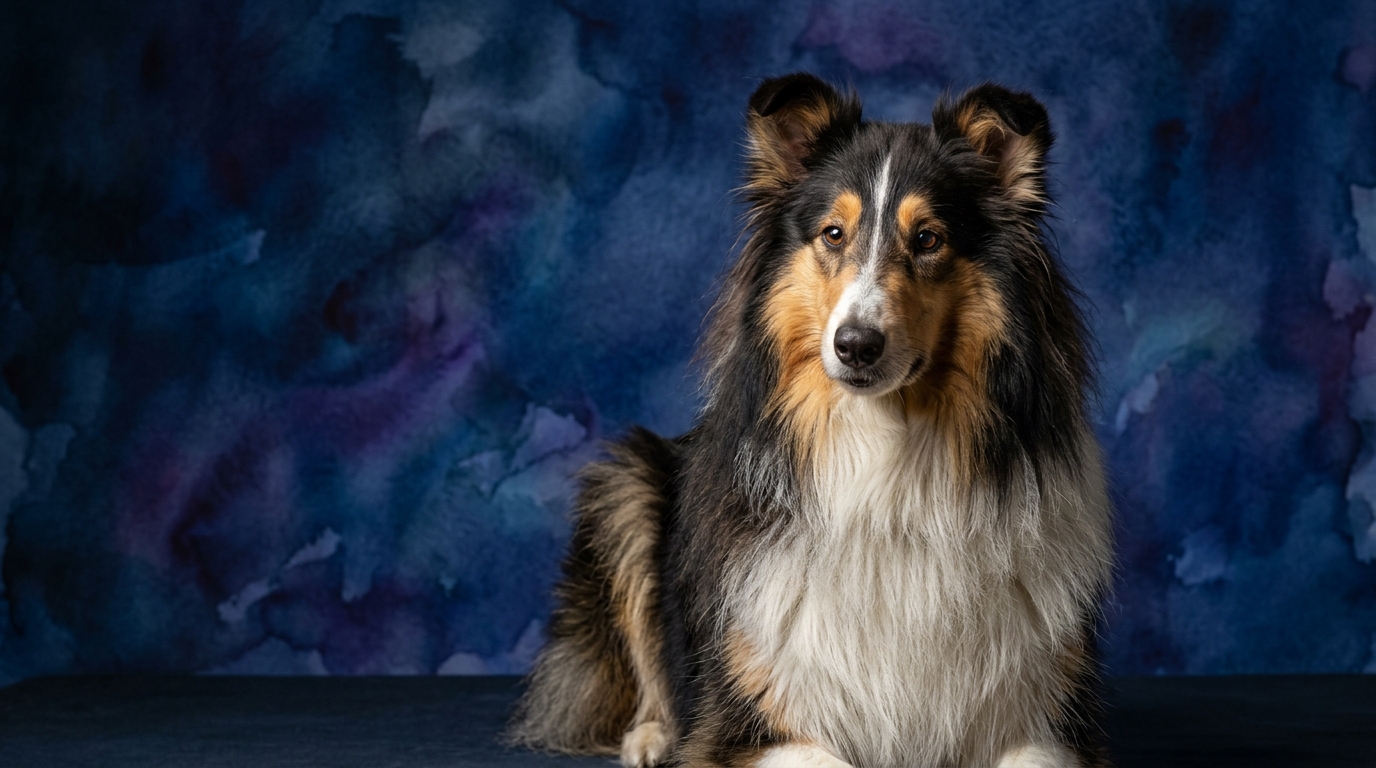
The Cosmic Pet Pet IQ Lab provides a detailed framework for understanding canine intelligence across five critical dimensions. For the Collie (Rough), a breed deeply rooted in herding, its Coren rank of #16 hints at a strong aptitude for obedience and problem-solving, aligning with its role in managing livestock.
The Collie (Rough) excels with a Problem Solving score of 4/5, indicating an adaptive mind capable of navigating complex situations and learning intricate tasks. Its Training Speed, also at 4/5, suggests a quick grasp of new commands and routines, making it a responsive pupil. Social Intelligence stands at 3/5; while perceptive of human cues, they can sometimes exhibit a reserved demeanor with strangers. Their Instinctive Drive, rated 3/5, points to a manageable herding impulse that, when channeled, contributes to their focus and purpose. Critically, their Memory is rated an impressive 5/5, reflecting an exceptional ability to retain learned behaviors and past experiences, a vital trait for intricate herding patterns and long-term command recall.
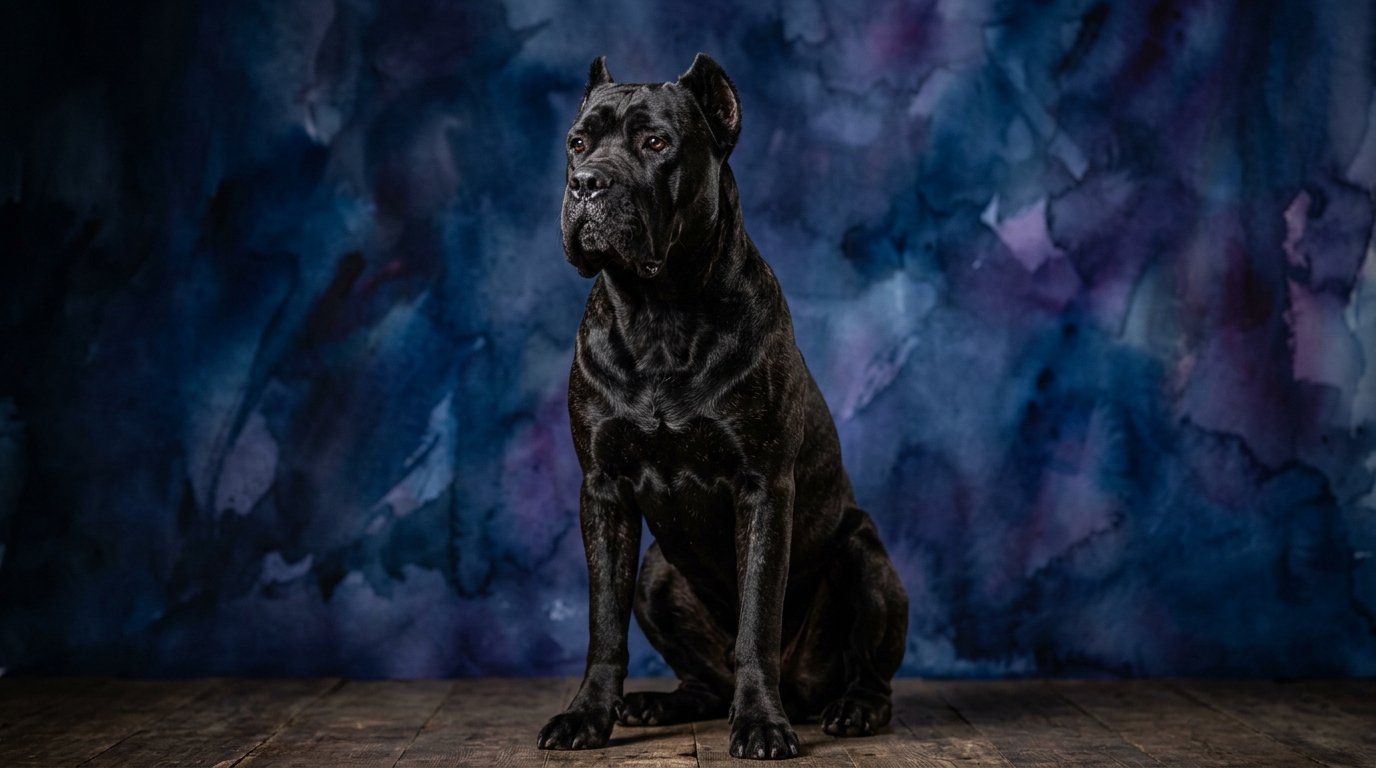
In contrast, the Cane Corso, a robust working breed, is not Coren-ranked, which doesn't diminish its cognitive capabilities but rather suggests a different emphasis in its intellectual makeup. Its intelligence is geared towards protection and discernment, requiring a distinct set of mental attributes.
The Cane Corso scores 3/5 for Problem Solving, indicating it is capable of resolving challenges but might approach them with more deliberation than the quick-thinking Collie. Its Training Speed is also 3/5; while trainable, it may require more consistent repetition to solidify new behaviors. Social Intelligence, at 3/5, speaks to its keen observation of its family and surroundings, often expressing a watchful wariness towards unfamiliar individuals. Its Instinctive Drive, also 3/5, is powerfully geared towards guarding and protection, demanding careful management and socialization to ensure appropriate responses. Finally, its Memory score is 3/5, meaning it retains information and learned tasks reliably, though perhaps not with the immediate recall or complexity retention observed in the Collie (Rough).
Where the Collie (Rough) Shines Cognitively
The Collie (Rough)'s cognitive strengths are deeply intertwined with its heritage as a herding dog, demanding rapid decision-making and intricate pattern recognition. Its superior Memory score of 5/5 is a standout, allowing it to remember complex sequences of commands, the locations of individual sheep, and the nuances of its environment with remarkable precision. This exceptional recall means a Collie can execute multi-step tasks and maintain learned behaviors over long periods, making it a highly reliable partner in activities requiring sustained mental engagement.
Furthermore, the Collie's Problem Solving ability (4/5) and Training Speed (4/5) work in tandem, allowing it to adapt swiftly to new scenarios and grasp new concepts with fewer repetitions. Imagine a herding dog needing to redirect a stray lamb or navigate an unexpected obstacle on the field; this requires not just obedience but the capacity to analyze and devise a solution quickly. This breed processes information efficiently, often anticipating commands or reacting proactively, which is a significant advantage in dynamic environments or competitive dog sports where speed and accuracy are paramount. Their mental agility allows for a broader range of complex trick training and advanced obedience work, where they truly flourish by engaging their nimble minds.
The Cane Corso's Unique Cognitive Strengths
While the Cane Corso's numerical IQ scores might appear lower in some categories compared to the Collie, its cognitive strengths are specifically tailored to its role as a guardian and protector, emphasizing discernment, composure, and a profound understanding of its social unit. Its Social Intelligence, while rated 3/5, manifests differently; a Cane Corso excels at reading intentions and assessing potential threats, not through exuberant engagement, but through calm, focused observation. This breed can distinguish between a friendly visitor and an intruder, often relying on subtle cues that might escape a less perceptive or more overtly social dog.
The Cane Corso's Instinctive Drive (3/5) is channeled into a protective vigilance that requires a deep cognitive understanding of boundaries and hierarchy. Their problem-solving in a guarding context isn't about speed but about measured, appropriate responses. They evaluate situations carefully, deciding when to alert, when to deter, and when to intervene, which demands significant impulse control and judgment. This deliberate problem-solving, though rated 3/5, is crucial for preventing overreactions while ensuring effective deterrence. Their memory, also 3/5, is sufficient for retaining critical information about who belongs and who doesn't, contributing to their consistent protective duties within their established territory and family structure.
Training Dynamics: Which Breed is Easier and Why?
When it comes to ease of training, the Collie (Rough) generally presents a more straightforward path for most owners. Their high Training Speed (4/5) means they pick up commands quickly, and their exceptional Memory (5/5) ensures those lessons stick. Collies are often described as eager to please, responding well to positive reinforcement and thriving on the mental engagement of learning. Their herding background instills a natural attentiveness to their handler and a desire to work cooperatively, making them highly biddable. They are less likely to challenge authority and more inclined to follow direction, which simplifies the early stages of obedience and house-training. Their moderate physical size also makes them easier to manage physically during training sessions.
The Cane Corso, with its moderate Training Speed (3/5) and Memory (3/5), requires a different approach. While capable of learning, they can be more independent thinkers, sometimes requiring more repetition and a firm, consistent training regimen. Their powerful protective instincts mean that early, extensive socialization and clear boundaries are not just beneficial but absolutely essential. Training a Cane Corso involves not only teaching commands but also channeling their formidable strength and drive appropriately. An owner must establish themselves as a confident, consistent leader from day one, as any perceived inconsistency can lead to a dog that relies on its own judgment rather than direction. Their sheer physical power also means that effective leash training and impulse control are paramount for safe public interactions, making the training process more demanding in its commitment and consistency.
Matching Breeds to Lifestyles: Active vs. Relaxed Owners
Neither the Collie (Rough) nor the Cane Corso is truly suited for a completely 'relaxed' or sedentary owner, as both breeds require significant engagement, albeit of different kinds. For active owners, the choice hinges on the nature of that activity. The Collie (Rough) thrives with owners who enjoy mental challenges and structured activities. They are excellent partners for dog sports like agility, obedience, rally, and even herding trials, where their quick thinking, agility, and responsiveness are put to good use. Long walks, interactive puzzle toys, and opportunities to learn new tricks also satisfy their need for mental and physical stimulation. Owners who derive satisfaction from teaching complex behaviors and engaging in collaborative activities will find the Collie an exceptionally rewarding companion.
The Cane Corso also requires an active owner, but one prepared for a different kind of commitment. Their exercise needs are more focused on structured physical activity to maintain their powerful physique and mental calm, such as brisk, consistent walks, strength-building exercises, or securely fenced yard play. Beyond physical exertion, they demand an owner who is 'active' in leadership and consistency, providing clear boundaries, ongoing socialization, and purpose-driven tasks that engage their protective instincts appropriately. A Cane Corso is best suited for an experienced owner who understands the responsibilities of managing a large, powerful guardian breed and is committed to consistent training and daily mental stimulation, ensuring they are well-adjusted and confident members of the family rather than reactive. Truly relaxed owners, those seeking a low-maintenance companion, would likely find both breeds to be more demanding than anticipated.
The Verdict
Choose the Collie (Rough) if you seek a highly responsive, mentally agile companion for dog sports, intricate obedience, or a family dog that thrives on intellectual engagement and gentle, consistent guidance.
Opt for the Cane Corso if you are an experienced owner seeking a steadfast protector, committed to providing consistent, firm training, extensive socialization, and channeling their formidable presence into a loyal, discerning guardian.
🧠 Find Your Pet's IQ Score
Our Pet IQ Lab assessment covers 25+ tests across 5 cognitive dimensions — personalized to your breed.
Take the Full IQ Test →Frequently Asked Questions
Is the Collie (Rough) generally easier for first-time dog owners?
Yes, due to their higher training speed and eagerness to please, Collies are often a more manageable choice for first-time dog owners who are prepared for their mental stimulation needs. Their biddable nature and moderate size make the learning process less challenging than with a powerful guardian breed.
Do Cane Corsos require more socialization than Collies?
Absolutely. Cane Corsos possess strong protective instincts and require extensive, early, and ongoing socialization to ensure they differentiate between normal interactions and actual threats. While Collies benefit from socialization, it is a critical foundation for a well-adjusted Cane Corso to prevent unwarranted wariness or aggression.
Which breed is better for competitive obedience or agility?
The Collie (Rough) typically excels in competitive obedience and agility due to its exceptional memory, rapid training speed, and natural athleticism. Their desire to work closely with their handler and their ability to learn complex sequences give them a distinct advantage in these precision-based dog sports.