Side-by-Side IQ Profile: Herding vs. Guardian Cognition
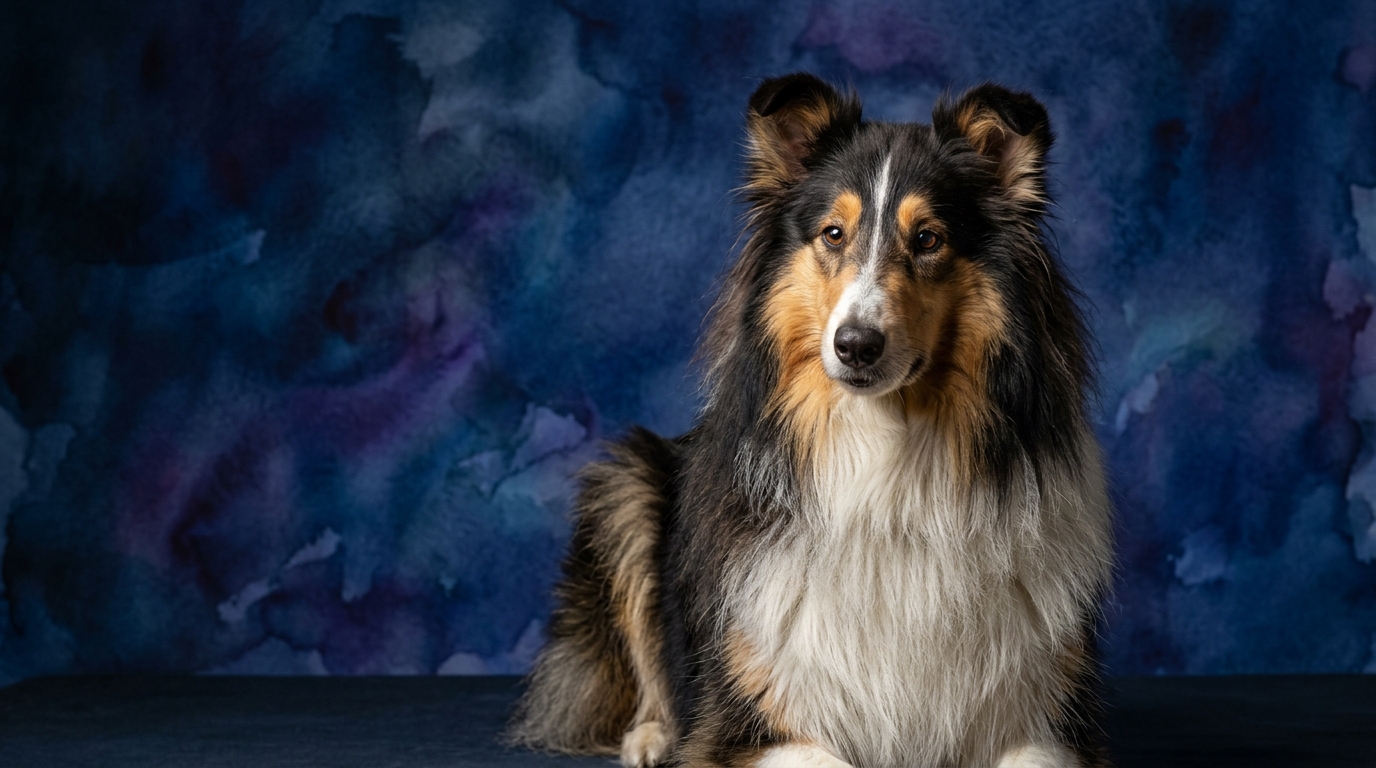
The Collie (Rough), standing at Coren rank #16, presents a cognitive profile finely tuned for its herding heritage. Their Problem Solving score of 4/5 indicates a strong capacity for intricate task resolution, often involving strategic thinking to manage dynamic situations like flock movement, rather than just brute force. A Training Speed of 4/5 reflects their eagerness and aptitude for quickly grasping new commands and complex sequences, making them highly receptive partners in learning. Social Intelligence, rated at 3/5, suggests a balanced awareness of their human companions' moods and intentions, fostering a cooperative bond without being overly sensitive. Their Instinctive Drive, also 3/5, points to a moderate but present herding impulse, which, while manageable, requires appropriate outlets. Finally, a Memory score of 5/5 highlights their exceptional ability to retain learned behaviors, routines, and past experiences with remarkable precision, a crucial trait for remembering complex herding patterns or a wide array of commands over time.
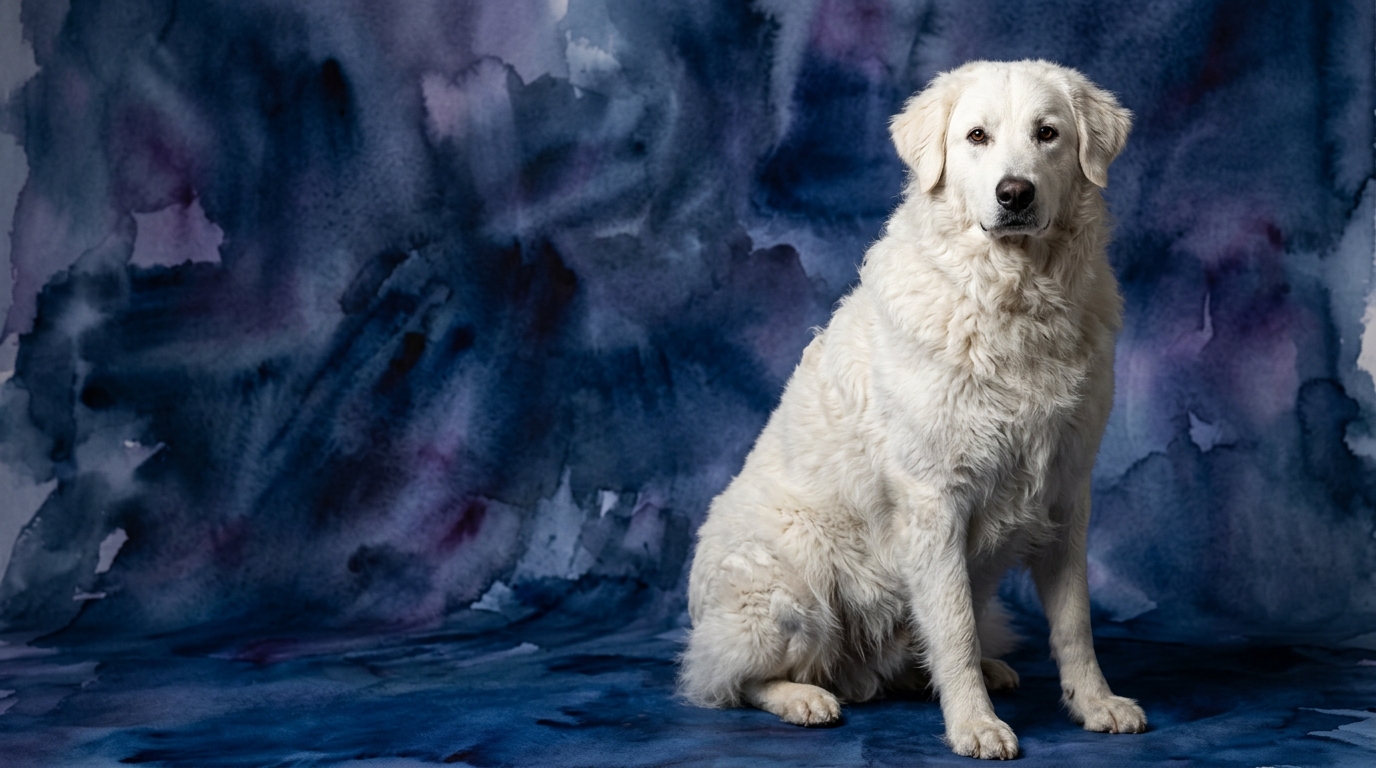
In contrast, the Kuvasz, ranked #42 by Coren, showcases an intelligence sculpted by its role as a livestock guardian, valuing independence over immediate handler response. Their Problem Solving at 3/5 signifies an ability to assess threats and make decisions autonomously, often in the absence of human direction, prioritizing the safety of their charge through direct action rather than intricate maneuvers. A Training Speed of 3/5 suggests they are capable learners, but their independent nature means they might require more consistent motivation and repetition, preferring to weigh commands against their own judgment of a situation. Social Intelligence at 3/5 implies a deep, protective bond with their family unit, though they maintain a reserved demeanor with strangers, assessing new interactions with a keen, watchful eye. Their Instinctive Drive, also 3/5, is strongly rooted in their guarding heritage, manifesting as a profound territoriality and protective impulse that is a fundamental part of their being. Their Memory score of 4/5 indicates a solid capacity for recalling past events and training, ensuring they remember who belongs and who doesn't, and retaining essential protective protocols.
Where the Collie (Rough) Wins Cognitively
The Collie (Rough) exhibits clear cognitive advantages, particularly in areas that foster a highly interactive and responsive partnership. Their superior Problem Solving score of 4/5 means they are quicker to grasp and execute multi-step commands or navigate novel puzzles, often showing a proactive approach to figuring things out rather than simply reacting. This translates into an aptitude for activities like advanced obedience or agility, where anticipating sequences and making quick adjustments are key. Furthermore, their Training Speed of 4/5 allows them to master new skills with fewer repetitions, making training sessions more efficient and engaging for both dog and owner. The Collie's exceptional Memory, rated 5/5, solidifies their lead, enabling them to retain a vast repertoire of commands, remember complex routines, and recall past experiences with striking accuracy, proving invaluable for long-term consistency in behavior and performance.
Where the Kuvasz Wins Cognitively
While the Kuvasz's IQ scores might appear numerically lower in certain aspects compared to the Collie, their cognitive profile represents a triumph of suitability for their specific ancient role: independent livestock guardianship. Their Problem Solving score of 3/5, when combined with their Instinctive Drive of 3/5, allows them to excel in autonomous decision-making in complex, unpredictable situations where human input might be absent or delayed. This isn't about solving an agility course; it's about discerning genuine threats from harmless stimuli and acting decisively to protect their charges, a nuanced form of problem-solving. This independence, while sometimes perceived as stubbornness in training, is a cognitive strength for a guardian, enabling them to patrol, observe, and react on their own initiative. Their social intelligence, also 3/5, while not overtly effusive, translates into unwavering loyalty and a deep understanding of their family unit's safety, forming a profound, protective bond that is a hallmark of the breed.
Which is Easier to Train and Why
When considering ease of training, the Collie (Rough) generally offers a smoother experience due to its higher Training Speed of 4/5 and superior Memory. Their historical role as a herding dog demanded quick comprehension and precise execution of commands, often from a distance, fostering a natural inclination to work cooperatively with a handler. Collies typically relish learning and respond enthusiastically to positive reinforcement, quickly connecting actions with desired outcomes. In contrast, the Kuvasz, with a Training Speed of 3/5, often requires a more patient, consistent, and experienced approach. Their independent Problem Solving (3/5) and strong Instinctive Drive (3/5) for guarding mean they are less inclined to blindly obey and more prone to evaluating commands through the lens of their own judgment or protective instincts. Training a Kuvasz involves building trust and respect, often requiring more repetition and a deeper understanding of canine behavior to motivate them effectively, as their primary motivation isn't always handler appeasement but rather fulfilling their inherent guarding duties.
Which Suits Active Owners vs. Relaxed Owners
For owners seeking an engaged and active partner in various pursuits, the Collie (Rough) is often a more natural fit. Their combination of high Problem Solving and Memory means they thrive on mental stimulation, enjoying activities like obedience trials, agility, rally, or even complex trick training, which satisfy their cognitive needs. While they do require regular exercise to maintain physical well-being, their activity level is generally adaptable, making them suitable for owners who enjoy daily walks, hikes, and interactive play without necessarily needing extreme endurance. The Kuvasz, on the other hand, is not a breed for 'relaxed' owners in the traditional sense, despite their protective nature. Their strong Instinctive Drive (3/5) for guarding requires consistent socialization from a young age and an owner committed to firm, fair, and consistent leadership. While they appreciate space to patrol and observe, their exercise needs are more about purposeful activity and ensuring their mental and physical well-being through secure environments and structured outings, rather than high-intensity sports. Owners must be prepared to manage their independent nature and protective instincts responsibly, making them better suited for experienced individuals who understand the nuances of owning a large guardian breed.
The Verdict
Choose the Collie (Rough) if you seek a responsive, eager-to-please companion for active participation in training, dog sports, or as a highly engaged family member who learns quickly and remembers well.
Opt for the Kuvasz if you are an experienced owner prepared to commit to consistent training and socialization for a loyal, independent guardian with a strong protective instinct, valuing their self-reliant decision-making.
🧠 Find Your Pet's IQ Score
Our Pet IQ Lab assessment covers 25+ tests across 5 cognitive dimensions — personalized to your breed.
Take the Full IQ Test →Frequently Asked Questions
Does the Collie's memory score of 5/5 mean they never forget anything?
While a 5/5 memory score indicates exceptional retention, it doesn't mean perfect recall of every single event. It signifies a superior ability to remember commands, routines, and past experiences with remarkable accuracy over extended periods, making them highly consistent in learned behaviors.
How does the Kuvasz's 3/5 problem-solving score manifest in their daily life?
The Kuvasz's 3/5 problem-solving score often manifests as independent decision-making, particularly in protective scenarios. They are adept at assessing situations and acting without constant human direction to safeguard their territory or family, prioritizing direct action over complex, multi-step solutions.
Can a Kuvasz be trained for competitive obedience despite their lower training speed?
Yes, a Kuvasz can be trained for competitive obedience, but it will likely require more patience, consistency, and a deeper understanding of their independent nature compared to a breed with a higher training speed. Their success hinges on building a strong, respectful bond and motivating them effectively, rather than relying solely on repetition.