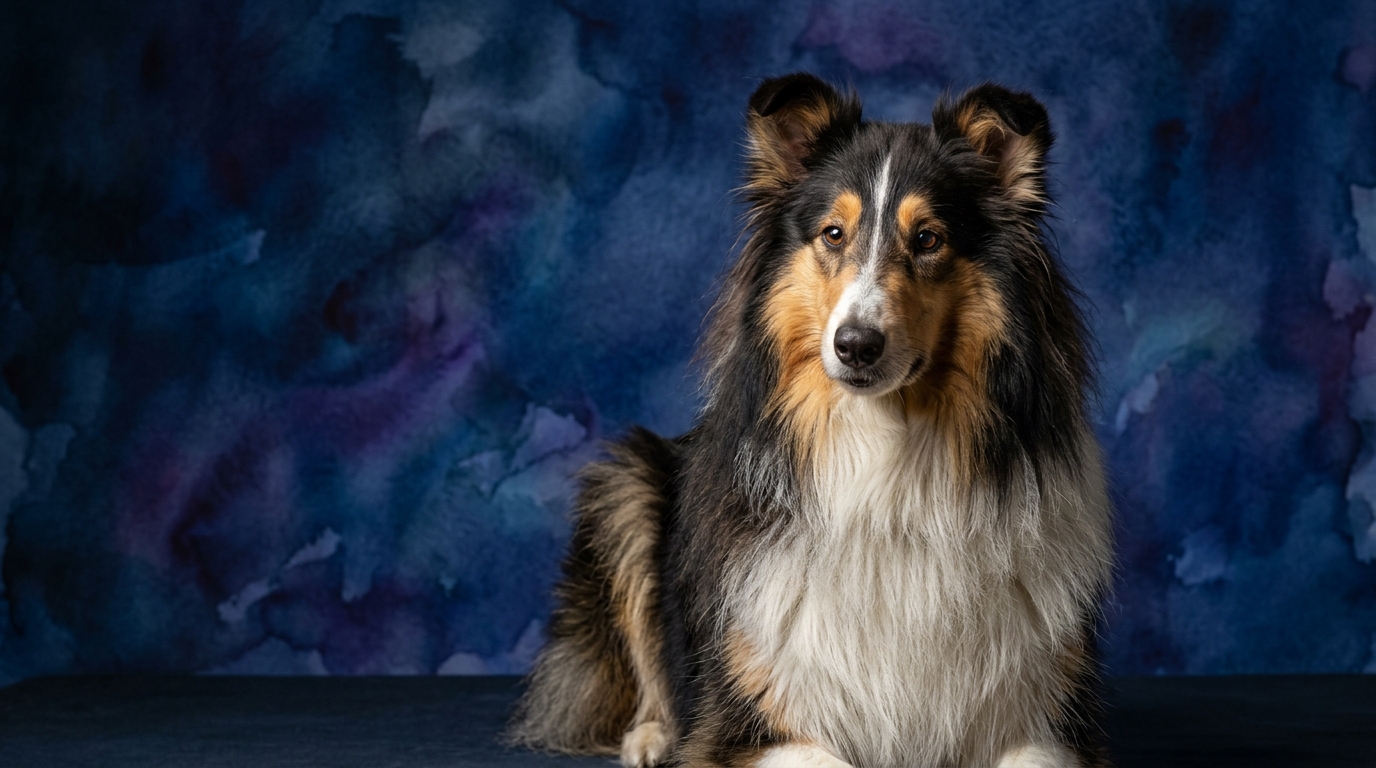
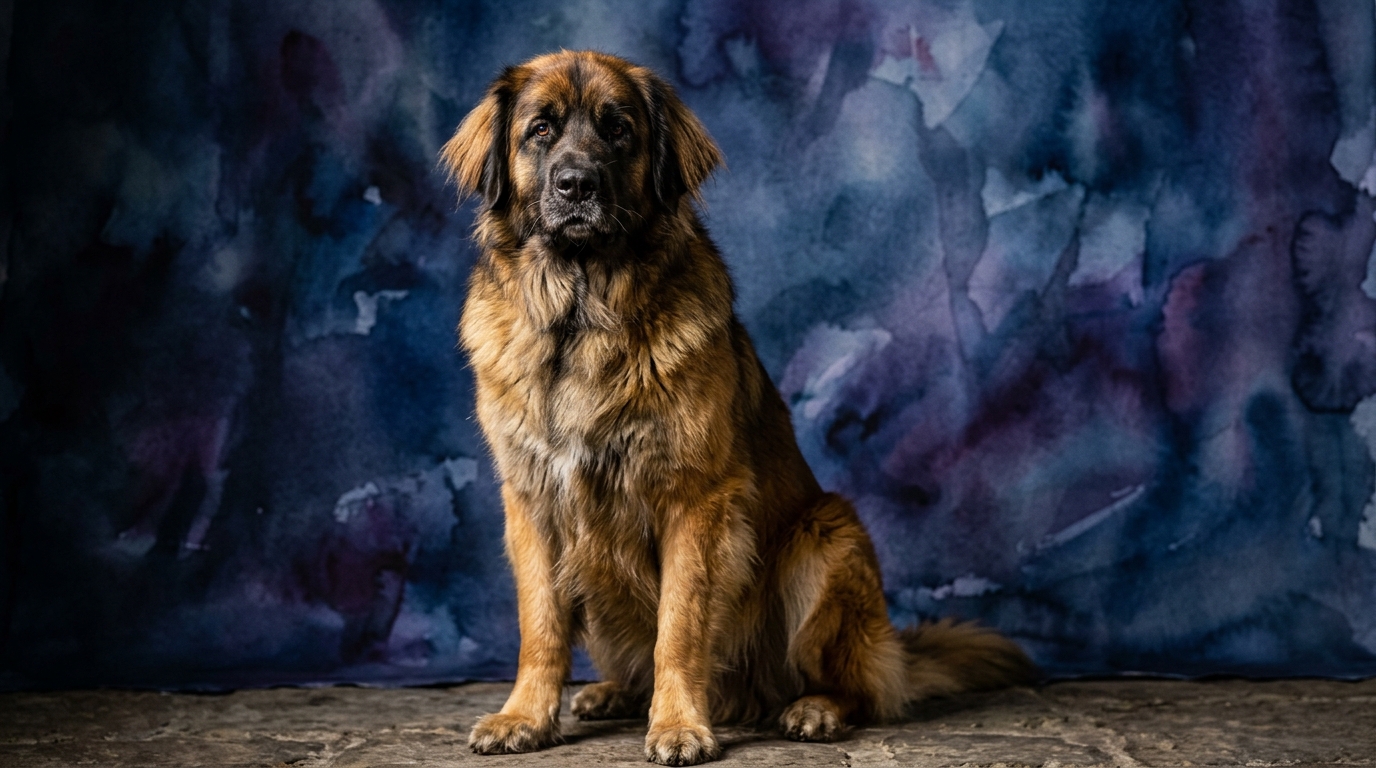
Side-by-Side IQ Profile: Collie (Rough) vs. Leonberger
Our Pet IQ Lab provides a granular look at five key cognitive dimensions, offering a clear framework to understand each breed's unique intellectual strengths. For the Collie (Rough), a breed with a Coren rank of #16, its cognitive profile reflects its heritage as a responsive and agile herder. Its Problem Solving is rated at 4/5, indicating an adeptness at navigating complex situations and demonstrating foresight, a trait crucial for anticipating flock movements. Training Speed also scores 4/5, showcasing a rapid grasp of new commands and routines, essential for intricate herding patterns and competitive obedience. Social Intelligence stands at 3/5, signifying a moderate capacity for interpreting human cues and adapting to social dynamics, capable of forming strong bonds but perhaps less universally attuned than some breeds. The Instinctive Drive is 3/5, representing a moderate herding impulse that manifests as a desire to gather and manage, yet is generally well-controlled. Finally, the Collie (Rough) excels in Memory with a perfect 5/5, demonstrating exceptional recall for commands, routines, and experiences over extended periods.
The Leonberger, a distinguished member of the Working group without a specific Coren rank, presents a cognitive profile characterized by steadiness and a thoughtful approach. Its Problem Solving ability is rated 3/5, suggesting a methodical mindset for challenges, capable of finding solutions but perhaps without the rapid, spontaneous insights of more agile breeds. Training Speed also scores 3/5, indicating a consistent learning pace that requires clear, patient instruction to solidify new behaviors, aligning with its role as a reliable companion rather than a quick-reacting worker. Social Intelligence is 3/5, reflecting a moderate understanding of social cues and a harmonious disposition, typically forming strong attachments within its family unit. The Instinctive Drive is also 3/5, expressing as a moderate working drive often focused on protection or assistance, but without the intense focus of specialized working breeds. In Memory, the Leonberger scores 3/5, retaining information adequately for commands and experiences, though perhaps not with the same immediate recall or long-term precision as breeds with higher scores.
Where the Collie (Rough) Excels Cognitively
The Collie (Rough) distinguishes itself through several cognitive advantages, largely rooted in its heritage as a herding dog requiring quick wits and precise execution. With a Coren rank of #16, it stands among breeds recognized for their working and obedience capabilities, indicating a strong aptitude for understanding and executing human commands. In the realm of problem-solving, the Collie (Rough) scores a 4/5, outperforming the Leonberger's 3/5. This manifests in their ability to anticipate outcomes and devise strategies, whether it's figuring out how to maneuver a gate to reach a desired object or adapting quickly to changes in a herding pattern. Their training speed, rated at 4/5 compared to the Leonberger's 3/5, means they typically absorb new commands and routines with fewer repetitions. This efficiency in learning makes them responsive partners in activities like competitive obedience or advanced trick training, where a rapid grasp of complex sequences is beneficial. Perhaps the most striking difference lies in memory, where the Collie (Rough) earns a perfect 5/5 against the Leonberger's 3/5. This superior recall means a Collie (Rough) can remember a vast repertoire of commands, the names of multiple objects, and intricate routines over extended periods, making them exceptionally reliable in scenarios requiring consistent, long-term retention of learned behaviors.
Where the Leonberger Shows Unique Cognitive Strengths
While the Leonberger's cognitive scores are generally on par with or slightly lower than the Collie (Rough)'s, its strengths lie in the *application* of its intellect, particularly concerning its working group heritage and temperament. The Leonberger's problem-solving at 3/5, while not as rapid, often manifests as a deliberate and thoughtful approach to tasks, reflecting a breed that values consistency and reliability. This steady cognitive style can be an advantage in situations requiring calm perseverance rather than quick, agile responses. Their social intelligence, rated equally at 3/5, often translates into a harmonious and empathetic presence, making them adept at forming deep, stable bonds and sensing the emotional states of their human family members, albeit without the intense drive to control or manage seen in some herding breeds. The Leonberger’s instinctive drive, also 3/5, is geared towards companionship, guardianship, and assistance, tasks that require a different kind of cognitive focus—one centered on watchful presence and unwavering loyalty. This measured cognitive profile contributes to their well-regarded composure and self-assured demeanor, making them consistently dependable companions who are less likely to be overstimulated or reactive compared to breeds bred for rapid, high-intensity work.
Training Dynamics: Which Breed is Easier to Shape?
When considering ease of training, the Collie (Rough) generally holds an advantage due to its higher scores in training speed and memory. With a training speed of 4/5, the Collie (Rough) typically grasps new commands and concepts more quickly than the Leonberger (3/5), requiring fewer repetitions to solidify a behavior. This responsiveness is often coupled with an eagerness to work and please, a remnant of their herding duties where precise execution of signals was paramount. Their exceptional memory (5/5) further streamlines the training process, as once a behavior is learned, it is retained with remarkable consistency over time, reducing the need for frequent refreshers. Real behavioral differences include the Collie (Rough)'s sensitivity to tone and body language, allowing for nuanced communication, and their natural inclination to engage with tasks.
In contrast, the Leonberger, with a training speed of 3/5 and memory of 3/5, requires a more patient and consistent approach. They are capable learners, but they may take longer to process and internalize new information. Their training benefits immensely from positive reinforcement and building a strong, trusting relationship, as their working drive is less about rapid response and more about steady partnership. While not as quick to pick up new tricks, a Leonberger’s training, once established, is often deeply ingrained due to their desire for consistency and their generally calm demeanor. They might be less inclined to perform repetitive tasks purely for the sake of it, requiring trainers to make sessions engaging and meaningful, perhaps linking commands to their natural protective or companion instincts.
Lifestyle Match: Active vs. Relaxed Owners
For owners with an active lifestyle, the Collie (Rough) is often a more suitable companion. Their combination of a 4/5 problem-solving ability, 4/5 training speed, and 5/5 memory means they thrive on consistent mental engagement, such as agility, obedience, or even advanced trick training. Their moderate instinctive drive (3/5) for herding, while not as intense as some working breeds, still necessitates regular outlets for their energy and intellect, preventing boredom and potential destructive behaviors. These dogs enjoy being part of family activities that involve purpose and interaction, from long walks to canine sports, and they flourish when given tasks that engage their sharp minds.
Conversely, the Leonberger, while still appreciating regular exercise, can be a better fit for more relaxed owners who value a steady, calm presence. Their 3/5 scores across most cognitive dimensions suggest a dog that is capable and willing to learn but doesn't possess the same intense demand for constant mental and physical challenges as the Collie (Rough). Their working heritage focuses more on companionship and guardianship, leading to a disposition that is generally content with moderate daily walks and quality time with their family. They are less prone to becoming anxious or destructive if a day is spent quietly at home, making them excellent companions for those who enjoy a predictable routine and a gentle giant by their side, rather than a dog constantly seeking the next task or high-intensity activity.
The Verdict
Choose the Collie (Rough) if you are seeking a highly responsive, quick-learning canine partner eager for consistent mental engagement in activities like competitive obedience, agility, or advanced trick training. Their exceptional memory and rapid problem-solving make them ideal for owners who enjoy intricate training and a dog that thrives on purposeful interaction.
Opt for the Leonberger if you prefer a steady, patient, and calm companion who excels in forming deep, harmonious bonds and is content with a more relaxed daily routine. Their thoughtful demeanor and gentle presence are well-suited for owners who appreciate a dependable, watchful dog without the intense demand for constant high-intensity engagement.
🧠 Find Your Pet's IQ Score
Our Pet IQ Lab assessment covers 25+ tests across 5 cognitive dimensions — personalized to your breed.
Take the Full IQ Test →Frequently Asked Questions
Is the Collie (Rough) truly smarter than the Leonberger?
Based on the Pet IQ Lab's metrics, the Collie (Rough) shows higher scores in problem-solving, training speed, and memory, suggesting a quicker cognitive processing and retention for specific tasks. However, the Leonberger's steady intellect and calm application of its abilities are equally valuable in different contexts, emphasizing different types of intelligence.
How does a Leonberger's 'working' intelligence differ from a Collie's 'herding' intelligence?
A Leonberger's working intelligence often centers on companionship, guarding, and steady presence, requiring patience and a thoughtful approach rather than rapid, agile responses. A Collie's herding intelligence demands quick problem-solving, anticipation, and precise execution of commands to manage livestock, emphasizing speed and adaptability.
Can a Leonberger learn complex commands and tricks?
Yes, a Leonberger is fully capable of learning complex commands and tricks, though they might require more repetitions and a slower, more patient training approach compared to a Collie (Rough). Their steady learning pace ensures that once a behavior is mastered, it is usually retained consistently, making them reliable partners.