Side-by-Side Cognitive Profiles
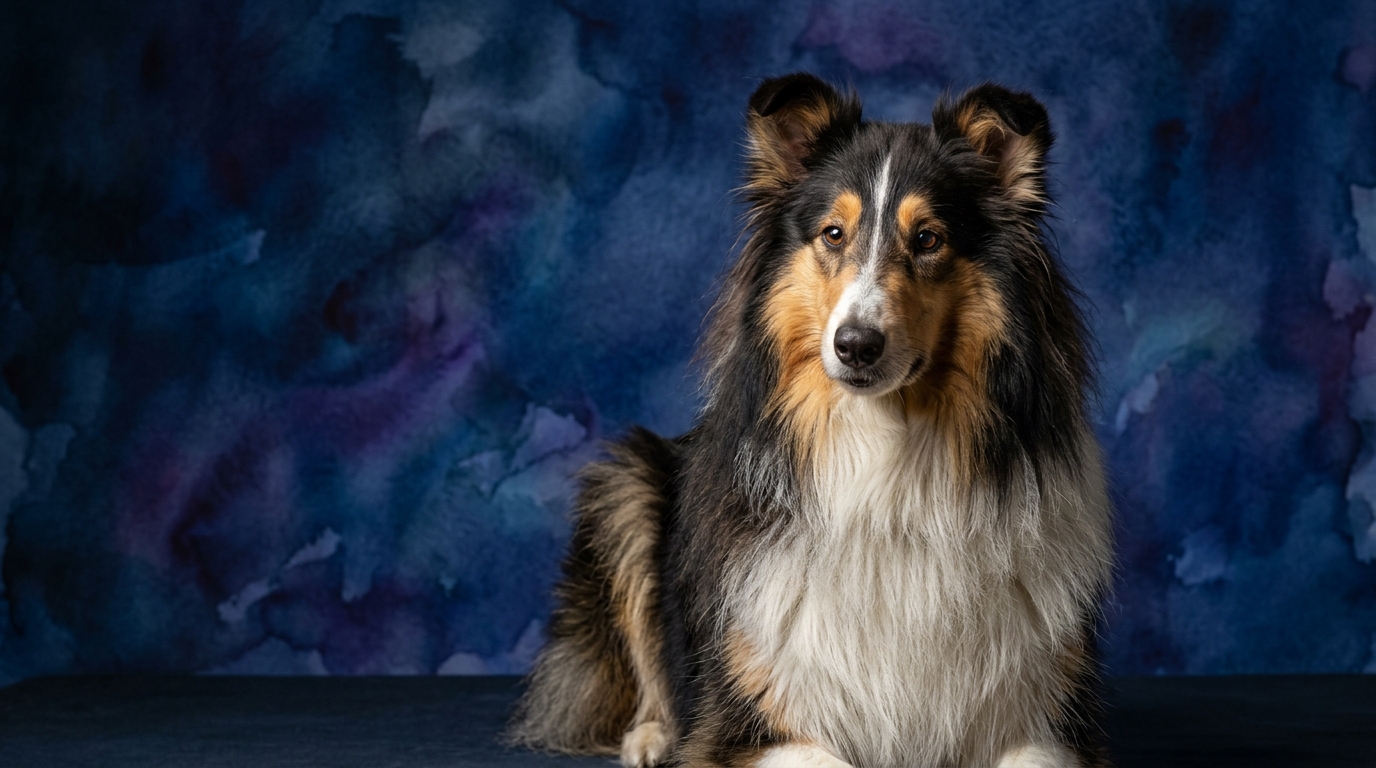
Delving into the Pet IQ Lab data for the Collie (Rough) and Mastiff reveals distinct cognitive strengths shaped by their historical roles. The Collie (Rough), holding a Coren rank of #16, demonstrates a cognitive profile geared towards active engagement and rapid learning. Its Problem Solving is rated 4/5, indicating an aptitude for navigating complex situations and devising solutions independently, a crucial trait for managing livestock. Training Speed also stands at 4/5, reflecting a quick grasp of new commands and an eagerness to follow direction. Social Intelligence is 3/5, suggesting an ability to interpret human cues and form bonds, but perhaps not with the overt sensitivity seen in some companion breeds. Instinctive Drive is 3/5, a moderate level that fuels their herding impulses without being overwhelming. Critically, their Memory is exceptional at 5/5, allowing for recall of intricate routines and past experiences over extended periods.
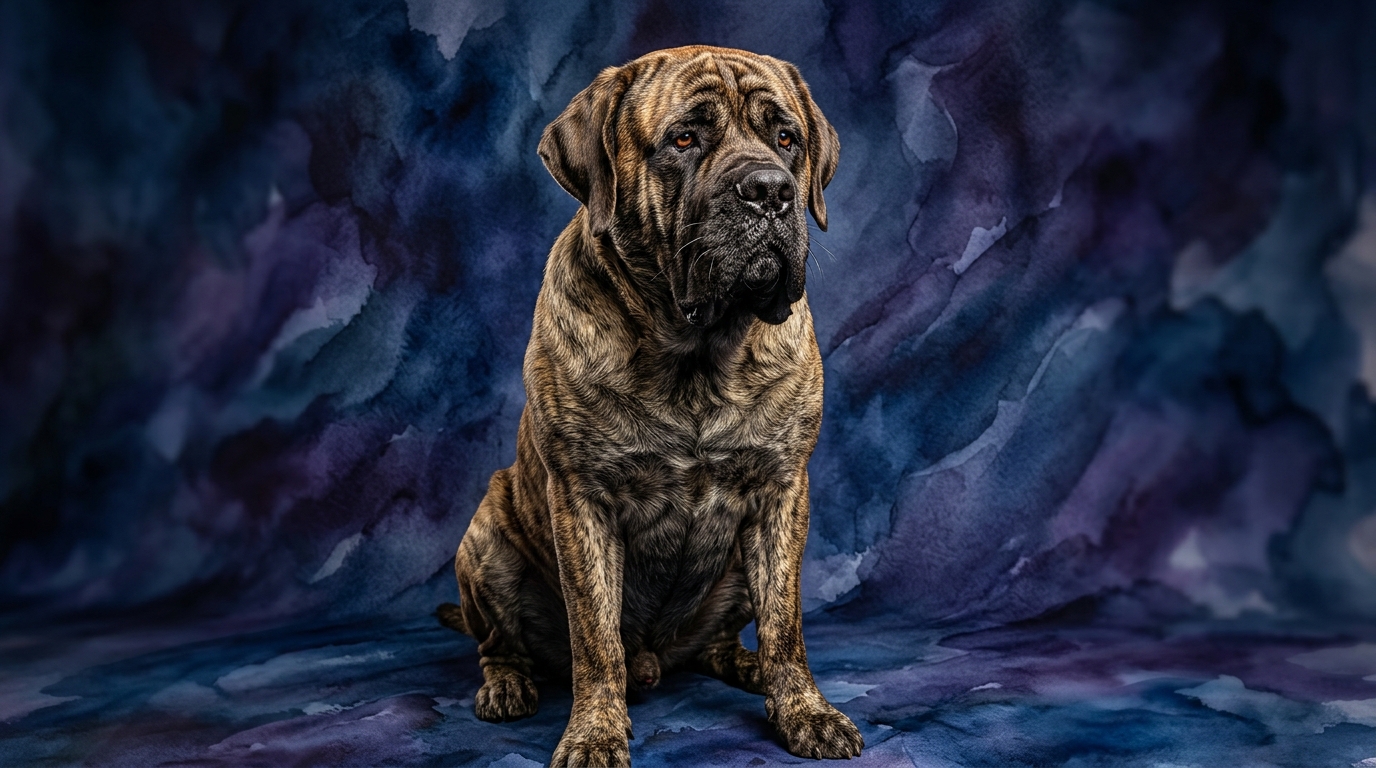
In contrast, the Mastiff, with a Coren rank of #72, presents a cognitive makeup more aligned with patient observation and steadfast guardianship. Its Problem Solving is 3/5, indicating a capacity to resolve issues, though often with a more direct or methodical approach compared to the Collie. Training Speed is 3/5, meaning they learn at a steady pace, requiring consistent reinforcement to internalize commands. Social Intelligence is also 3/5, reflecting their ability to form deep, loyal connections with their family and understand social dynamics, albeit often expressed through calm presence rather than active participation. Their Instinctive Drive is 3/5, primarily channeled into their protective nature and watchful vigilance. Finally, their Memory is 3/5, sufficient for retaining routines, recognizing familiar faces, and remembering key commands, but not necessarily for recalling vast, complex sequences of events.
Where the Collie (Rough) Excels Cognitively
The Collie (Rough) demonstrates clear cognitive advantages, particularly in areas demanding mental agility and intricate recall. Its Problem Solving score of 4/5, coupled with an outstanding Memory of 5/5, creates a powerful synergy for learning and task execution. This breed can swiftly analyze new environments or challenges, formulate effective responses, and then commit those solutions to long-term memory. For instance, a Collie can learn multi-step agility courses, remembering the precise sequence of obstacles, or master complex trick routines requiring a deep lexicon of verbal cues and physical actions. Their herding heritage demands this capacity for strategic thinking and excellent recall, whether it’s remembering specific livestock patterns, anticipating a handler's next move, or adapting to varied terrain while maintaining control of a flock.
Furthermore, the Collie's 4/5 Training Speed means they absorb new information with remarkable efficiency. This translates into fewer repetitions needed to master a command and a greater capacity for generalization, where a learned behavior can be applied across different contexts or with varied cues. Owners often find Collies eager to engage in advanced obedience, competitive dog sports, or even intricate assistance tasks, as their cognitive profile thrives on mental stimulation and the successful execution of challenging directives. This combination of rapid learning and robust recall makes them exceptionally capable partners for owners seeking to explore the full breadth of canine training.
Where the Mastiff Excels Cognitively
While the Mastiff's scores may not reach the higher numerical peaks of the Collie, its cognitive strengths are profound and perfectly tailored to its role as a steadfast guardian and companion. The Mastiff excels in a different kind of cognitive efficiency: one characterized by deliberate processing, unwavering presence, and a deep, calm assessment of its environment. Its Social Intelligence (3/5) and Instinctive Drive (3/5), when combined with its imposing physical presence, manifest as exceptional discernment in social situations. Rather than rapid problem-solving, a Mastiff’s cognitive strength lies in its capacity for patient observation, allowing it to accurately read subtle shifts in its surroundings or the demeanor of strangers, and respond with measured, appropriate protective intent.
Their cognitive profile lends itself to a robust, steady understanding of their social structure and territory. The Mastiff’s Problem Solving (3/5) often involves assessing a perceived threat and choosing a direct, effective deterrent through presence, rather than intricate maneuvering. Their Memory (3/5), while not as vast as the Collie's, is entirely sufficient for recognizing familiar individuals, remembering established routines, and recalling territorial boundaries. This allows them to maintain a focused, reliable presence without being prone to over-analysis or neurotic reactions to minor stimuli. Their cognitive makeup fosters a composed, reliable temperament, making them powerful, yet gentle, guardians who act with thoughtful purpose rather than impulsive reaction.
Which is Easier to Train and Why
The Collie (Rough) generally proves to be the easier breed to train, primarily due to its 4/5 Training Speed and 5/5 Memory. These traits mean Collies grasp new commands quickly, often requiring fewer repetitions to achieve proficiency, and they retain that information over long periods. Their herding background instills a natural inclination to work cooperatively with a human handler and respond to direction, making them receptive students. Behavioral differences include their tendency to anticipate commands, offer solutions to training challenges, and show enthusiasm for varied tasks. They thrive with positive reinforcement, engaging their keen minds with varied exercises, and can excel in advanced obedience or complex trick training, often learning multiple new commands in a single session and responding reliably to cues from a distance.
The Mastiff, on the other hand, requires a more patient and consistent approach to training, reflecting its 3/5 Training Speed and 3/5 Memory. While capable of learning, they absorb information at a slower pace and may need more repetitions to fully internalize commands. Their motivation is often deeply tied to their bond with their owner, rather than an inherent desire for complex task execution. Behavioral differences include a tendency to be perceived as stubborn if owners expect rapid learning, or a need for more frequent refreshers on less frequently used commands. They respond best to calm, firm, and highly consistent training methods, focusing on foundational obedience and positive reinforcement. Given their substantial size, early and consistent training in basic manners is paramount, ensuring they are manageable and well-behaved companions in any situation.
Active Owners vs. Relaxed Owners: A Cognitive Match
For owners with an active lifestyle and a desire for a canine partner deeply engaged in mental and physical activities, the Collie (Rough) presents an ideal match. Their 4/5 Problem Solving, 4/5 Training Speed, and a moderate 3/5 Instinctive Drive mean they flourish when provided with consistent mental challenges and structured activities. Owners who enjoy dog sports like agility, competitive obedience, or even advanced trick training will find the Collie eager to participate and excel. This breed thrives on learning new things, solving puzzles, and engaging in tasks that require both physical coordination and cognitive application. An active owner can fully utilize the Collie’s impressive cognitive capacities, fostering a well-adjusted and stimulated companion.
Conversely, the Mastiff is better suited for owners who appreciate a more relaxed pace and a tranquil home life. Their consistent 3/5 scores across most cognitive dimensions indicate a steady, deliberate temperament that does not demand the same level of constant, high-intensity mental stimulation or rapid-fire problem-solving tasks. While they benefit from training and consistent engagement, their cognitive profile leans towards calm companionship and watchful guardianship. Mastiffs are content with a predictable daily routine, moderate exercise, and ample quiet time alongside their family. They are ideal for owners who value a loyal, steadfast presence and a less demanding cognitive partner, finding contentment in a peaceful home environment rather than constantly seeking out complex mental exercises.
The Verdict
If you desire a canine partner eager for mental engagement, quick to learn complex tasks, and possessing an exceptional memory for intricate routines, the Collie (Rough) is an excellent match. They thrive with owners prepared to invest in advanced training, dog sports, or activities that challenge their problem-solving abilities.
If you seek a calm, patient companion whose cognitive strengths lie in steady observation and unwavering presence, and you appreciate a more deliberate learner who forms deep, steadfast bonds, the Mastiff could be your ideal choice. They are suited for owners who value a loyal guardian and a tranquil home life over high-octane mental exercises.
🧠 Find Your Pet's IQ Score
Our Pet IQ Lab assessment covers 25+ tests across 5 cognitive dimensions — personalized to your breed.
Take the Full IQ Test →Frequently Asked Questions
Are Collies (Rough) good with children?
Collies often develop strong bonds with children and can be gentle family companions. Their 3/5 social intelligence means they are generally receptive to family dynamics, but their herding instincts might lead them to 'herd' very young or boisterous children, which requires gentle guidance.
Do Mastiffs require a lot of exercise?
Mastiffs generally have moderate exercise needs; their 3/5 instinctive drive is not geared towards high endurance. Daily walks and some yard play are usually sufficient, but they are not suited for owners seeking a jogging or intense hiking partner.
Which breed is more adaptable to different living situations?
The Collie (Rough)'s higher problem-solving and training speed often make them more adaptable to varied routines and environments, provided their mental stimulation needs are met. Mastiffs prefer a predictable routine and a calm, stable home environment, making them slightly less adaptable to frequent changes.