Side-by-Side IQ Profile: Unpacking Canine Cognition
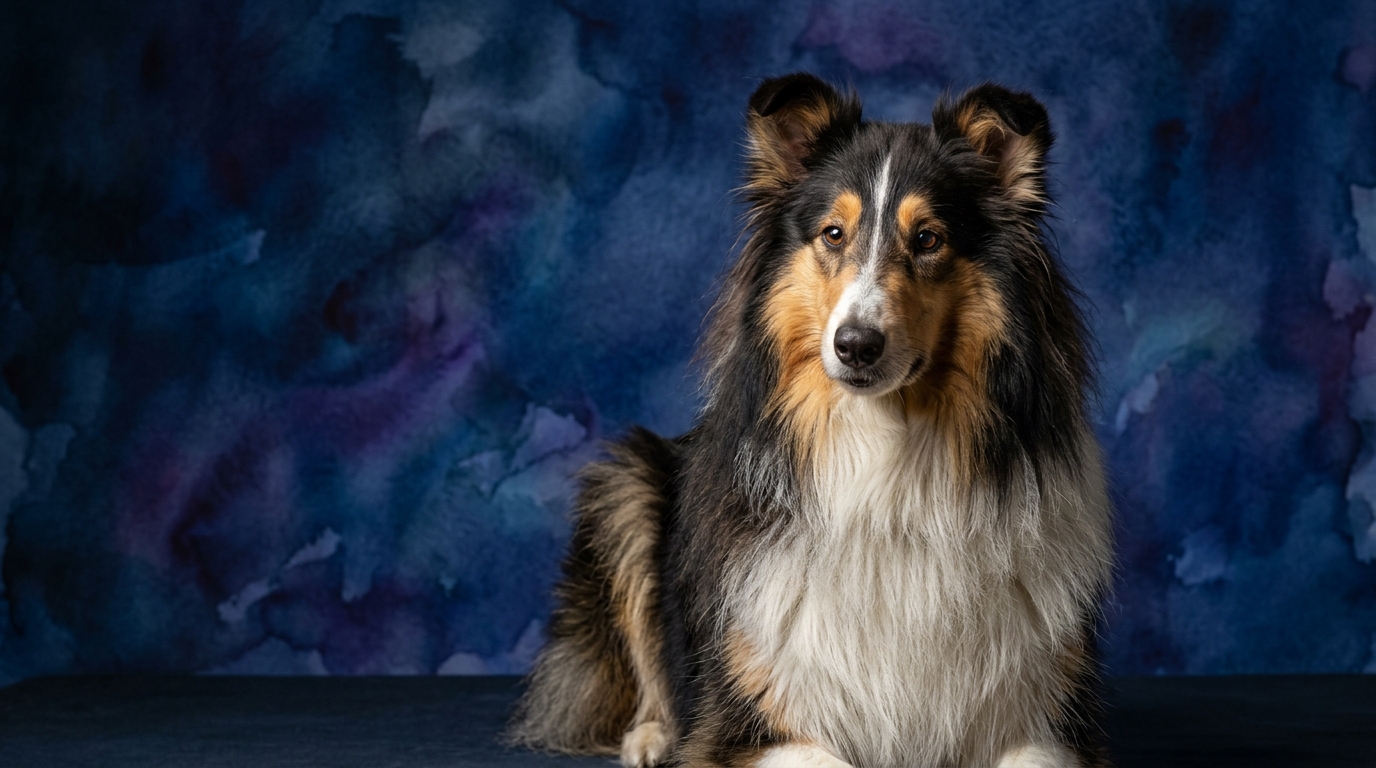
**Collie (Rough)**: This breed showcases a Problem Solving score of 4/5, demonstrating strong capabilities in tasks requiring sequential thinking and spatial awareness, often linked to their herding heritage, like navigating complex environments or finding specific items. Their Training Speed of 4/5 indicates a quick grasp of commands and routines, thriving on consistency and positive reinforcement, though they might occasionally prioritize an ingrained instinct. Social Intelligence stands at 3/5, reflecting their deep bond with family and sensitivity to human emotions, though they can be reserved with strangers and need careful exposure to diverse social settings. An Instinctive Drive of 3/5 manifests as a desire to gather or 'patrol,' channeled effectively into structured activities. Finally, their Memory of 5/5 ensures they retain complex learned behaviors and past experiences with remarkable accuracy, contributing to their reliable performance.
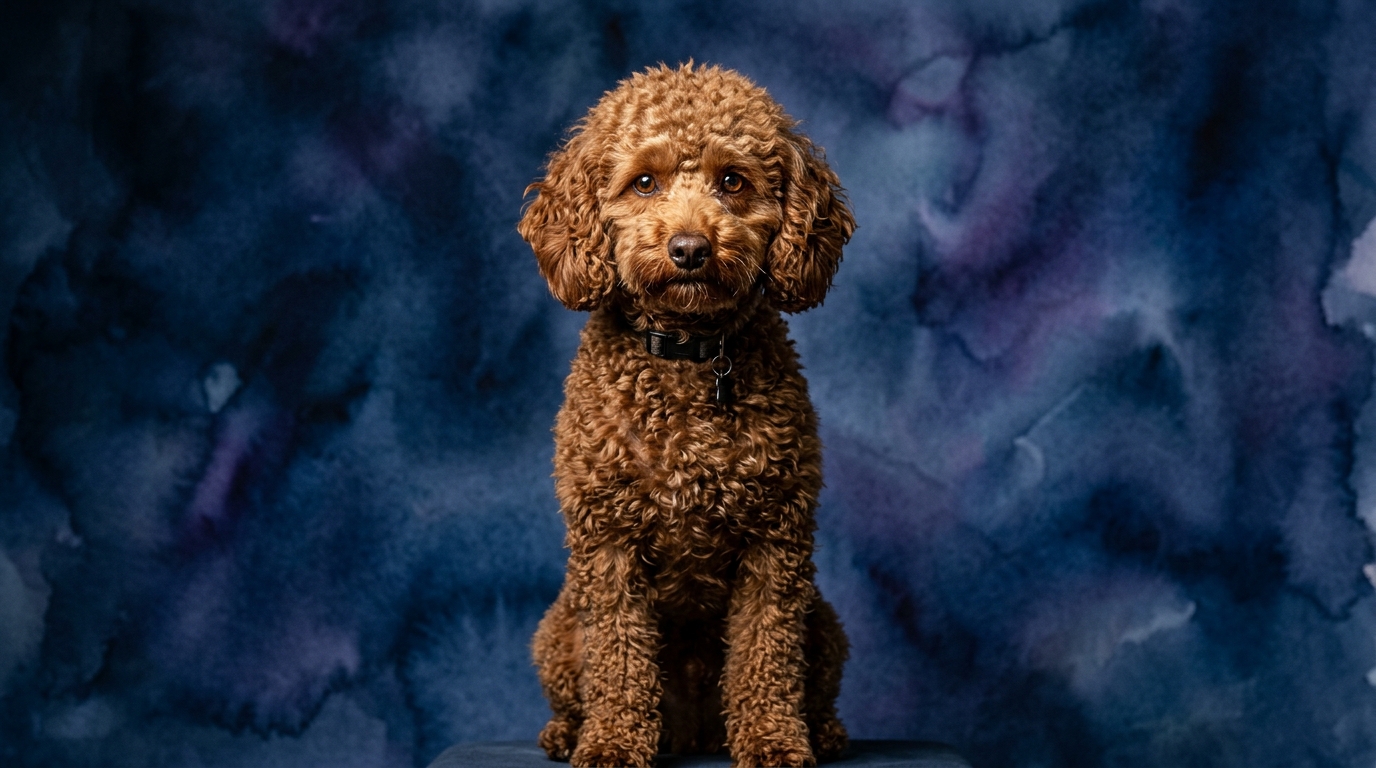
**Miniature Poodle**: Earning a perfect 5/5 in Problem Solving, the Miniature Poodle exhibits exceptional aptitude for novel challenges, from deciphering intricate puzzle toys to quickly adapting to new learning scenarios. Their Training Speed also rates a 5/5, meaning they absorb new commands and multi-step sequences with astonishing rapidity, often requiring minimal repetitions due to their focused attention and eagerness to engage. A Social Intelligence score of 3/5 highlights their attunement to human moods and strong desire for connection, though they can be sensitive and benefit from consistent, positive social experiences to build confidence. Their Instinctive Drive of 3/5, rooted in their water retrieving past, often translates into a keen enthusiasm for play, fetching, and mental engagement, rather than a herding focus. With a Memory score of 5/5, Miniature Poodles demonstrate an outstanding capacity to recall vast amounts of information, from complex trick sequences to established household routines, making them highly consistent performers.
Where the Collie (Rough) Cognitively Excels
The Collie (Rough) demonstrates a specific cognitive strength in tasks requiring a calm, observant approach to managing dynamic situations, a direct reflection of their herding ancestry. While their problem-solving score is slightly lower than the Poodle's, their particular knack lies in understanding and influencing group movement and spatial relationships, which translates to an intuitive grasp of family dynamics and an ability to 'herd' children or other pets gently. Their sustained focus on a task, once engaged, and their excellent memory allow them to perform complex, multi-stage routines with a quiet persistence that can be less frenetic than some higher-drive breeds. This breed’s social intelligence, while not globally high, is profoundly tuned to their immediate family, giving them an almost empathetic understanding of their owner's emotional state, making them exceptionally comforting companions.
Where the Miniature Poodle Cognitively Shines
The Miniature Poodle's cognitive prowess truly shines in its unparalleled adaptability and rapid acquisition of abstract concepts, earning top scores in both problem-solving and training speed. They are masters of quickly deciphering new rules and applying them, making them exceptionally versatile in diverse dog sports like agility, obedience, and even complex trick training. Their ability to generalize learned behaviors to new situations with minimal prompting is remarkable, allowing them to excel in environments where constant novelty is present. This breed’s focused attention during training sessions and an innate drive to engage mentally means they often require fewer repetitions to master a task, making the learning process highly efficient and rewarding for both dog and owner. Their memory of 5/5 means these rapid learnings are not fleeting but become deeply ingrained, ensuring consistent performance.
Which is Easier to Train, and Why?
Based on The Cosmic Pet Pet IQ Lab data, the Miniature Poodle generally presents as the easier breed to train, primarily due to their perfect 5/5 scores in both Problem Solving and Training Speed. They exhibit an eagerness to engage with their handler and a remarkable ability to quickly grasp new concepts, often needing only a few repetitions to solidify a command. This efficiency stems from their focused attention and inherent drive to solve puzzles, which makes them highly responsive to positive reinforcement and clear instructions. They thrive on the mental stimulation training provides, often viewing it as a rewarding game.
The Collie (Rough), with scores of 4/5 in both Problem Solving and Training Speed, is still a very trainable dog, but their training journey might require a slightly different approach. While they learn quickly, their herding instincts can sometimes present as independent thought, meaning they might occasionally choose to follow an instinctual urge over an immediate command, such as attempting to 'gather' children during playtime. This requires a trainer to be patient, consistent, and adept at redirecting their natural drives into appropriate behaviors, rather than merely suppressing them. The Collie's training relies heavily on building a strong, trusting relationship and providing a clear purpose for their learning, leveraging their excellent memory for long-term retention.
Suitability for Active vs. Relaxed Owners
Both the Collie (Rough) and the Miniature Poodle are breeds that thrive with active engagement, making neither truly suited for a "relaxed" owner who prefers minimal interaction or exercise. However, the *type* of activity they require differs. The Collie (Rough), while not a high-octane athlete, needs consistent physical exercise that allows for sustained movement, such as long walks or opportunities to roam in a securely fenced yard. Crucially, they also require mental engagement that taps into their herding intelligence; structured training, puzzle toys, and activities that involve 'problem-solving' like finding hidden objects are vital to prevent boredom and potential behavioral issues. They appreciate a routine and a sense of purpose within the family unit.
The Miniature Poodle, despite its smaller stature, possesses a robust energy level and a profound need for mental stimulation, often more so than physical exertion alone. They excel with owners who are keen to engage in dog sports, trick training, or complex games that challenge their problem-solving abilities. While they enjoy walks and playtime, their primary requirement is intellectual stimulation, making them ideal for owners who enjoy teaching new things and maintaining an active learning environment. A Miniature Poodle can adapt to apartment living if their cognitive needs are met daily through training sessions, puzzle toys, and interactive play, but a bored Poodle can easily become a destructive or excessively vocal one.
The Verdict
Choose Collie (Rough) if: You seek a gentle, observant family companion who will form a deep, empathetic bond and appreciate a structured routine with moderate physical and mental engagement, particularly activities that leverage their natural herding intelligence and excellent memory. They are ideal for families who can provide consistent, patient training and enjoy a dog that watches over their household with a quiet dignity.
Choose Miniature Poodle if: You desire a highly adaptable, exceptionally quick-witted canine partner for dog sports, complex trick training, or a companion who thrives on constant mental challenges and interactive play. They are perfect for owners who enjoy an energetic, focused training partner and can provide ample intellectual stimulation, regardless of living space, to satisfy their remarkable cognitive drive.
🧠 Find Your Pet's IQ Score
Our Pet IQ Lab assessment covers 25+ tests across 5 cognitive dimensions — personalized to your breed.
Take the Full IQ Test →Frequently Asked Questions
Do Collie (Rough) and Miniature Poodles shed a lot?
Collie (Rough) dogs have a thick double coat and are moderate to heavy seasonal shedder, requiring regular grooming. Miniature Poodles, while often considered hypoallergenic, are very low shedder, but their curly coat needs professional grooming every 4-6 weeks to prevent matting.
Are either of these breeds good with children?
The Collie (Rough) is generally known for being very gentle and protective with children, often displaying a patient and watchful nature. Miniature Poodles can also be wonderful with children, especially if raised with them, but their sensitive nature means they thrive best with respectful, gentle interactions and may not tolerate rough play as readily.
What are the key differences in their exercise needs?
The Collie (Rough) requires moderate daily exercise, such as long walks or playtime in a secure yard, combined with mental tasks that engage their herding instincts. The Miniature Poodle also needs regular physical activity, but their cognitive needs are paramount, requiring frequent, engaging mental stimulation through training, puzzle toys, and interactive games to prevent boredom.