Side-by-Side Cognitive Profile
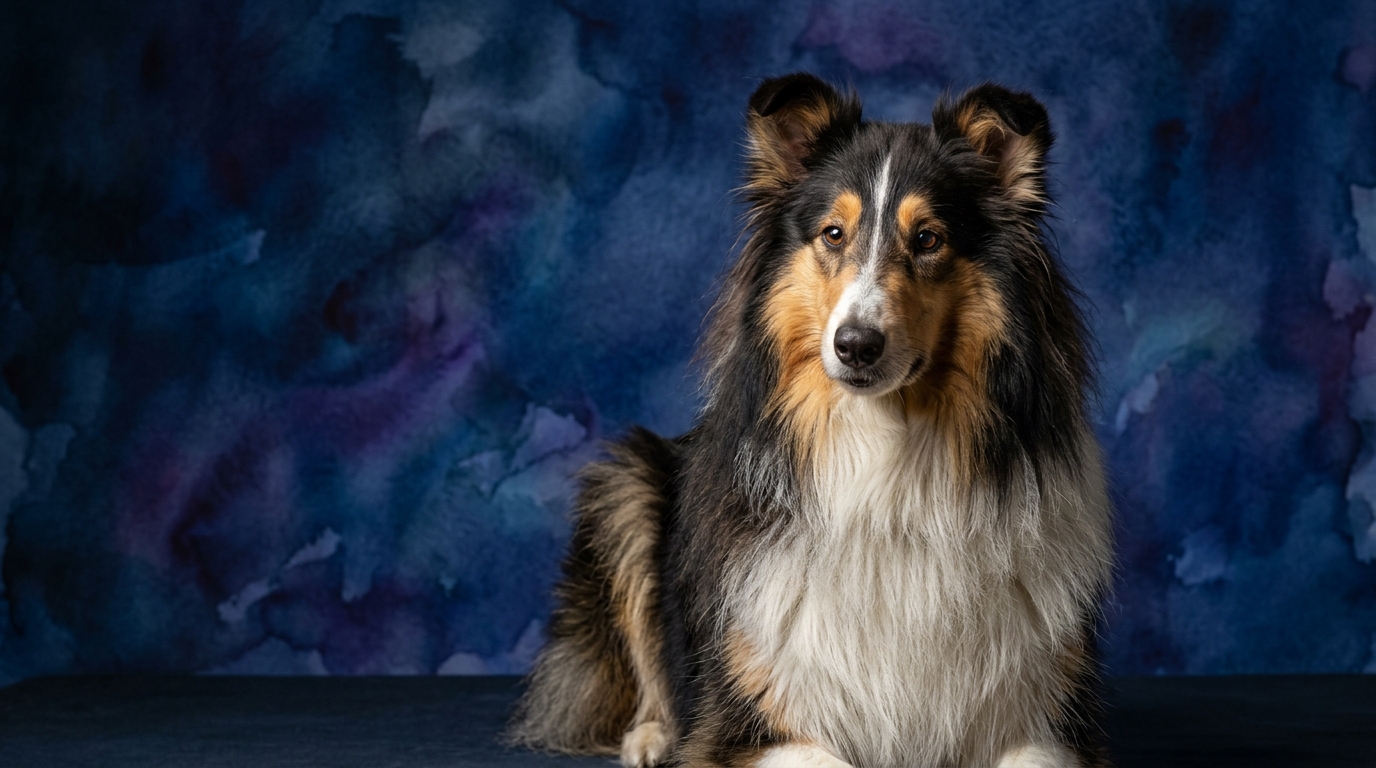
The cognitive dimensions of the Collie (Rough) and Norfolk Terrier reveal distinct strengths shaped by their original purposes. For the Collie (Rough), ranked #16 by Coren for working and obedience intelligence, its problem Solving scores 4/5, indicating a strong capacity for understanding complex tasks and sequences. Its training Speed is also 4/5, reflecting a quick grasp of new commands and a cooperative nature. Social Intelligence stands at 3/5, showing an awareness of human cues and group dynamics without being overly dependent, while Instinctive Drive is 3/5, primarily focused on herding behaviors. The Collie's Memory is truly exceptional at 5/5, allowing it to retain a vast repertoire of learned behaviors and commands over time.
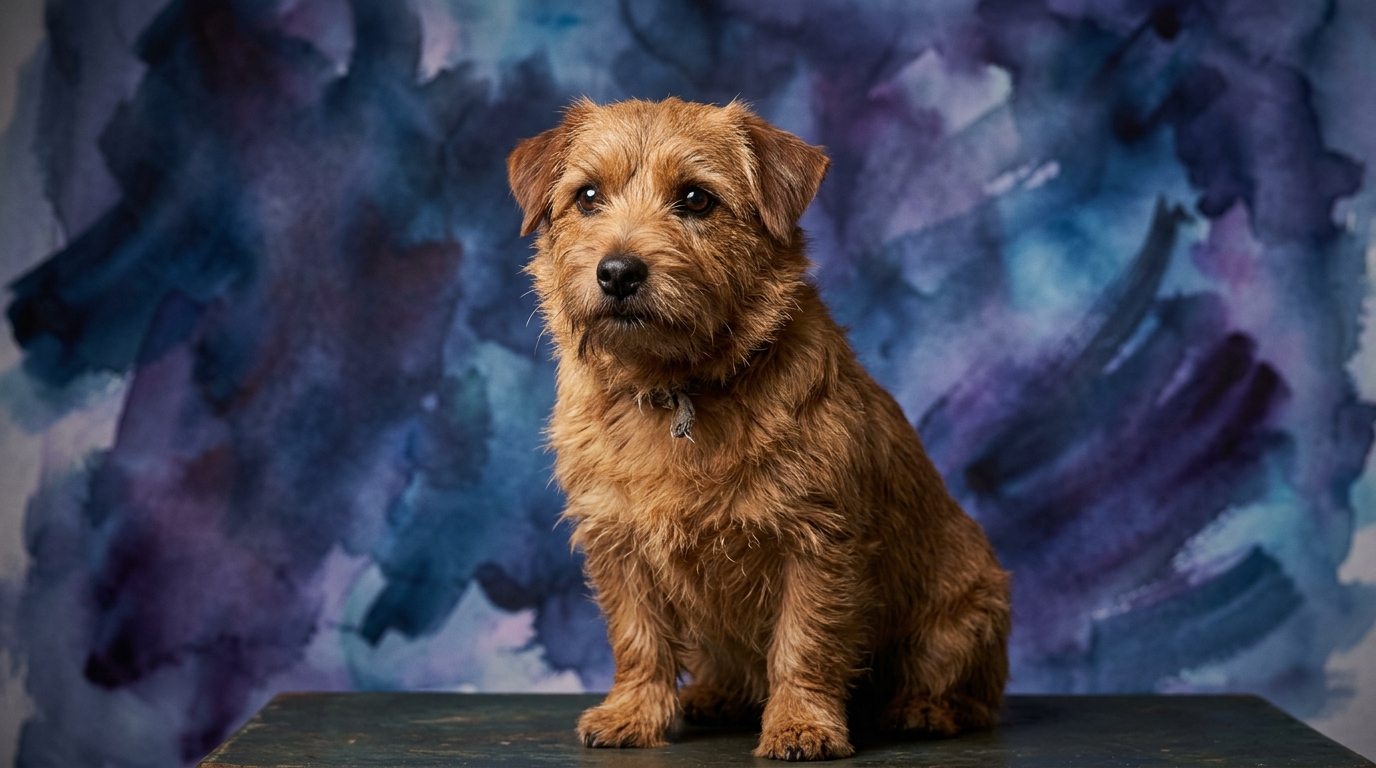
The Norfolk Terrier, while not Coren-ranked, presents a different cognitive landscape. Its problem Solving is 3/5, demonstrating an ability to figure out obstacles through persistence and independent thought, often in pursuit of a goal. Training Speed is 3/5, meaning it learns at a steady pace but can be influenced by its independent streak. Social Intelligence is 3/5, suggesting it engages with its environment and people on its own terms, often with a confident self-assurance. Instinctive Drive is also 3/5, strongly manifesting as a desire to dig, explore, and chase. Its Memory is 3/5, sufficient for core commands and routines, though perhaps not as expansive or detailed as the Collie's.
Where Collie (Rough) Wins Cognitively
The Collie (Rough) displays clear cognitive advantages in several key areas. Its Memory, rated at an outstanding 5/5 compared to the Norfolk's 3/5, allows it to master and recall an extensive array of commands, patterns, and experiences. This capacity is invaluable for tasks requiring precise, multi-step execution or long-term retention of complex routines, making them prime candidates for advanced obedience or service roles. This robust memory also contributes to their consistency in learned behaviors.
Furthermore, the Collie's Problem Solving ability, rated 4/5 against the Norfolk's 3/5, often involves a more structured and generalized approach. They are adept at understanding the 'why' behind a task, not just the 'how,' enabling them to apply learned solutions to new, similar challenges. Their herding background necessitates strategic thinking and anticipation, allowing them to process environmental cues and plan actions effectively.
Finally, the Collie's Training Speed, also 4/5 compared to the Norfolk's 3/5, means they absorb new information with remarkable efficiency. This rapid processing reduces the need for extensive repetition during training, making the learning process smoother and more rewarding for both dog and handler. Their inclination to cooperate and respond to direction further enhances this training efficiency, facilitating a strong working partnership.
Where Norfolk Terrier Wins Cognitively
While the Collie excels in structured cognition, the Norfolk Terrier possesses unique cognitive strengths rooted in its terrier heritage. Its Problem Solving, rated 3/5, shines in situations demanding independent, persistent effort to overcome physical barriers or access hidden objects. Unlike the Collie's often collaborative problem-solving, the Norfolk frequently devises solutions through sheer tenacity and individual initiative, such as figuring out how to bypass a gate or unearth a buried treasure. This self-directed cognitive drive is a hallmark of the breed.
The Norfolk's Instinctive Drive, rated 3/5, while numerically matching the Collie's, manifests as an unwavering, focused pursuit. Once a Norfolk locks onto a scent or a perceived 'task' like digging, its cognitive resources become singularly devoted to that goal. This intense focus allows them to overcome distractions and persist in challenges that might deter a less driven breed. This tenacity, a cognitive trait, is crucial for their original purpose of flushing out vermin.
Moreover, the Norfolk Terrier's Social Intelligence, also 3/5, contributes to a distinct brand of self-reliance. While they are affectionate, their cognitive independence means they are often less prone to anxiety in novel social settings or when left to their own devices. They assess situations with a confident, self-assured demeanor, adapting with less reliance on constant human reassurance. This cognitive resilience allows them to navigate unfamiliar environments with remarkable composure.
Which is Easier to Train and Why
The Collie (Rough) is generally considered the easier breed to train, primarily due to its superior Training Speed (4/5) and exceptional Memory (5/5). Collies process new commands quickly and retain them over the long term, making training sessions highly productive. Their inherent desire to work cooperatively with their human partners, a trait honed through generations of herding, means they are often eager to please and respond well to positive reinforcement. This combination facilitates rapid mastery of basic obedience and allows them to excel in advanced disciplines like competitive obedience or agility, where complex sequences are required.
The Norfolk Terrier, with scores of 3/5 in both Training Speed and Memory, requires a more nuanced approach. While intelligent and capable of learning, their independent terrier spirit means they may prioritize their own impulses, such as investigating a scent, over immediate compliance with a command. Training a Norfolk demands patience, consistency, and engaging methods that appeal to their curiosity and tenacious drive. Short, varied sessions prevent boredom, and strong motivation is key to overcoming their inclination for self-directed activity. Establishing a solid recall, for instance, often requires more dedicated effort to counteract their natural tendency to explore independently.
Which Suits Active Owners vs Relaxed Owners
The Collie (Rough) suits owners who enjoy moderate daily activity and value intellectual engagement with their companion. While not requiring extreme exercise, Collies thrive on consistent daily walks, playtime, and mental stimulation through training or puzzle toys. Their cognitive abilities make them excellent partners for activities like rally, obedience, or even canine freestyle, where their memory and problem-solving skills are utilized. A relaxed owner can certainly enjoy a Collie, provided they commit to fulfilling its need for companionship and regular, engaging mental and physical outlets to prevent boredom-related behaviors. They are adaptable to various living situations as long as these needs are consistently met.
The Norfolk Terrier is best suited for active owners who appreciate a spirited and tenacious companion. Despite their smaller size, Norfolks possess significant energy and an innate drive for exploration and chasing, requiring ample daily exercise. This includes brisk walks, opportunities for off-leash play in secure areas, and outlets for their natural digging instincts. A relaxed owner might find a Norfolk's unmet energy needs manifesting as destructive behaviors, excessive barking, or an inability to settle. Their independent nature also means they thrive with an owner who provides clear structure and consistent boundaries, while understanding and channeling their need for self-directed activity and adventure.
The Verdict
Choose a Collie (Rough) if you seek a highly trainable, devoted companion eager to engage in structured learning and cooperative tasks, appreciating its exceptional memory and problem-solving aptitude.
Choose a Norfolk Terrier if you admire an independent, tenacious spirit that thrives on exploring, persistent problem-solving, and a confident, self-reliant personality, provided you can meet its active and curious demands.
🧠 Find Your Pet's IQ Score
Our Pet IQ Lab assessment covers 25+ tests across 5 cognitive dimensions — personalized to your breed.
Take the Full IQ Test →Frequently Asked Questions
Are Collies good at learning complex commands?
Yes, Collies excel at learning complex commands due to their 4/5 problem-solving ability and 5/5 memory. They can easily string together multiple actions and recall them consistently, making them ideal for advanced training and complex tasks.
Do Norfolk Terriers need a lot of mental stimulation?
Norfolks definitely benefit from mental stimulation to satisfy their instinctive drive and problem-solving instincts (3/5). Puzzle toys, scent games, and varied walks can prevent boredom and channel their natural curiosity constructively, keeping their independent minds engaged.
Which breed is better for a first-time dog owner?
The Collie (Rough) is generally more forgiving for a first-time owner due to its higher training speed and cooperative nature. While Norfolks are charming, their independent streak and tenacious terrier personality may require more experience and consistency in training.