Side-by-Side IQ Profile
The Cosmic Pet Pet IQ Lab provides a unique framework for evaluating canine cognition across five key dimensions: Problem Solving, Training Speed, Social Intelligence, Instinctive Drive, and Memory. This granular analysis moves beyond broad generalizations, allowing us to appreciate the nuanced strengths each breed brings to the table, sculpted by their historical roles and inherent predispositions.
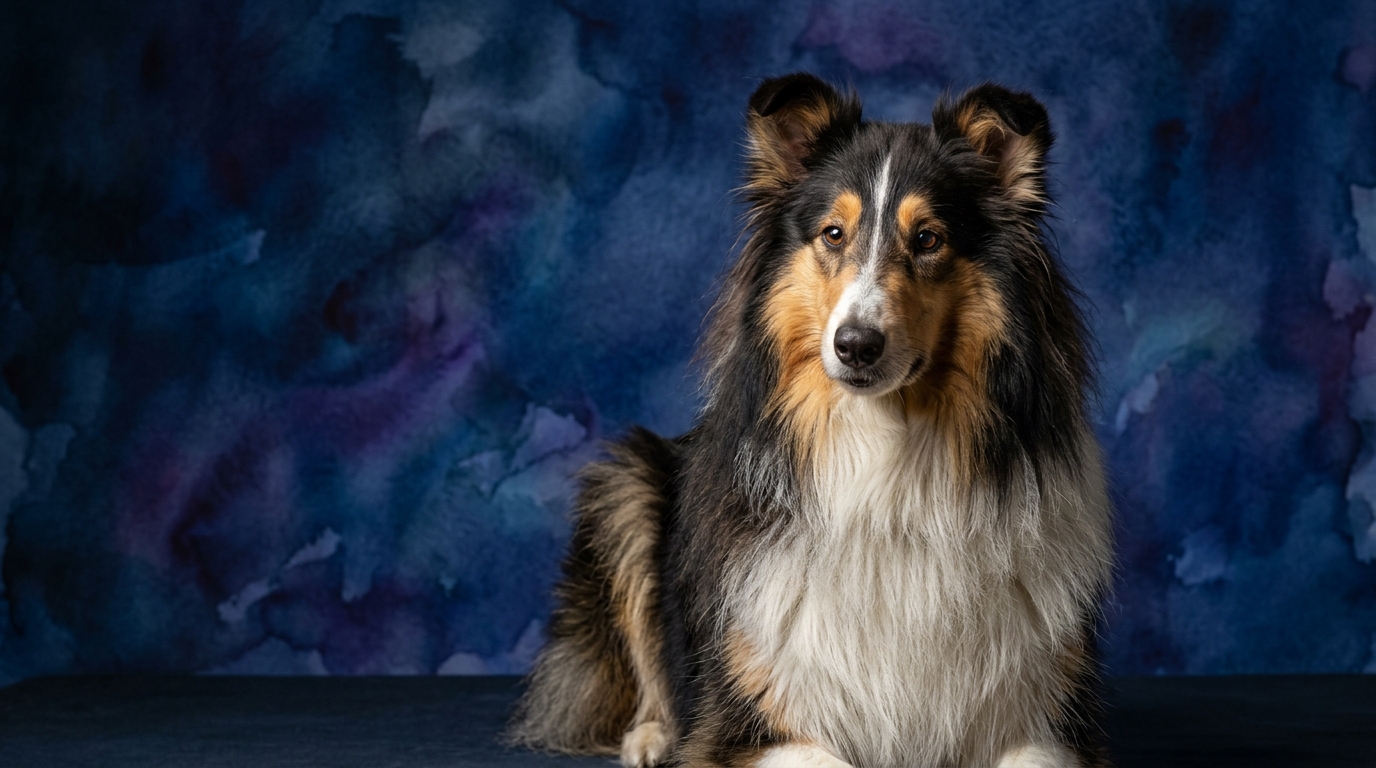
The Collie (Rough), a distinguished member of the Herding group, presents a profile reflecting its working heritage. It scores a commendable 4/5 in Problem Solving, indicating a strong capacity for understanding and navigating complex situations. Its Training Speed is also 4/5, suggesting a quick grasp of new commands and concepts. Social Intelligence sits at 3/5, demonstrating a solid ability to interact and understand cues within its social environment. Instinctive Drive is rated 3/5, pointing to a balanced, manageable level of inherent behavioral urges, while its Memory stands out with an impressive 5/5, signifying an exceptional ability to recall learned information over time.
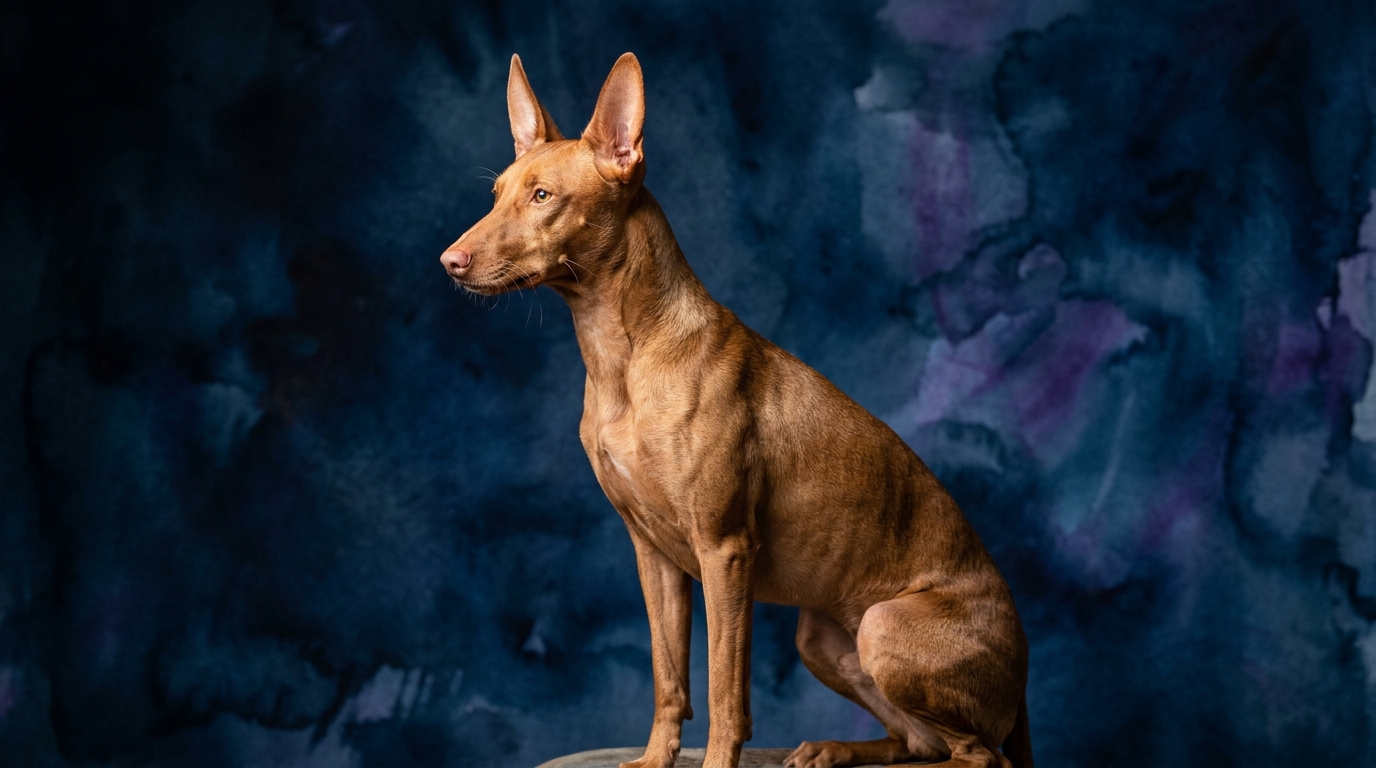
In contrast, the Pharaoh Hound, an elegant representative of the Hound group, displays a profile more aligned with its ancestral role as an independent hunter. It scores 3/5 across the board for Problem Solving, Training Speed, Social Intelligence, Instinctive Drive, and Memory. These consistent scores suggest a dog with a functional, practical intelligence geared towards its specific tasks, rather than a broad, human-centric obedience focus. Its cognitive strengths are likely optimized for autonomous action in pursuit, rather than collaborative, complex problem-solving or extensive rote memorization of human commands.
Where the Collie (Rough) Excels Cognitively
The Collie (Rough) exhibits clear cognitive advantages, particularly in areas valued for partnership and structured work. Its superior Problem Solving score of 4/5 signifies a dog that can more readily analyze and find solutions within a human-defined context. This manifests in their capacity to understand multi-step commands, navigate obstacle courses, or even figure out how to manipulate latches or retrieve specific items on cue. Their herding background honed their ability to make strategic decisions to control livestock, translating into a general aptitude for tasks requiring foresight and sequential thinking.
The Collie's standout feature is its Memory, scoring a perfect 5/5. This exceptional recall ability makes them adept at remembering a vast repertoire of commands, routines, and even the individual characteristics of people and other animals. This isn't just about remembering a 'sit' command; it extends to recalling complex sequences in agility, remembering the layout of an extensive property, or even remembering specific household objects. Coupled with their 4/5 Training Speed, this means Collies typically grasp new concepts quickly and retain that information for extended periods, making their learning curve efficient and their learned behaviors durable. They are dogs that thrive on consistent feedback and structured learning, building a robust mental library of experiences and instructions.
Furthermore, their 4/5 Training Speed, paired with their problem-solving acumen, allows them to generalize learned behaviors to new situations with greater ease. A Collie might learn to 'stay' in one location and quickly apply that understanding to a different, novel environment, demonstrating a deeper cognitive grasp of the concept rather than mere rote repetition. This cognitive flexibility and strong memory are foundational to their success in various canine disciplines, from competitive obedience to therapy work, where consistent, reliable performance based on learned knowledge is paramount.
Where the Pharaoh Hound Shows Unique Strengths
While the Pharaoh Hound's scores might appear lower across the board at 3/5, it's crucial to understand that their cognitive strengths are tailored to a different evolutionary purpose: independent hunting. Their Problem Solving, though rated 3/5, is acutely focused on environmental challenges related to prey detection and pursuit. This translates to an exceptional ability to observe and interpret subtle movements, scents, and sounds in their surroundings, making rapid, autonomous decisions in the field without requiring human intervention.
Their Instinctive Drive, also 3/5, is a powerful engine for this type of problem-solving. This isn't a drive to please a human, but an intrinsic motivation to chase and capture. This drive fuels their capacity for quick, decisive action, enabling them to navigate complex terrain and outmaneuver prey. They excel at tasks requiring bursts of focused energy and independent judgment, such as lure coursing, where their natural aptitude for spotting and pursuing is fully engaged. Their memory, at 3/5, is likely optimized for recalling successful hunting grounds, prey patterns, or escape routes, rather than a wide array of human commands.
The Pharaoh Hound's social intelligence, while also 3/5, might manifest as a keen awareness of their immediate pack dynamics or the nuances of communication with other canines, rather than a strong drive for complex human-dog social interaction in a collaborative sense. They possess a quiet dignity and an observational intelligence, often processing their environment and making decisions based on their own sensory input and assessment. This independent cognitive style means they are not necessarily 'less smart,' but rather 'differently smart,' with an intelligence finely tuned for self-sufficiency and instinctual action in an open environment.
Training Dynamics: A Tale of Two Approaches
The training experience with a Collie (Rough) versus a Pharaoh Hound reveals significant differences rooted in their cognitive profiles. The Collie's 4/5 Training Speed and 5/5 Memory make them exceptionally responsive and retain commands with remarkable consistency. Their herding lineage means they are accustomed to working in partnership with humans, often displaying a strong desire to understand and comply. They generally thrive on positive reinforcement and structured, repetitive learning, quickly associating actions with rewards. For instance, a Collie can often master a multi-step agility sequence after a relatively small number of repetitions, performing it with precision and enthusiasm, demonstrating their cognitive grasp and recall.
The Pharaoh Hound, with its 3/5 Training Speed and 3/5 Memory, coupled with its strong instinctive drive, presents a different training challenge. They can learn, but their independent nature and powerful sight hound instincts mean training requires more patience, creativity, and an understanding of their intrinsic motivations. A Pharaoh Hound might grasp a command like 'stay,' but if a squirrel darts across their line of sight, their innate prey drive can instantly override their learned behavior, making their recall less reliable in open, stimulating environments. Their attention is often more captivated by movement and scent than by human directives, requiring owners to make training highly engaging and often utilizing their natural drive, such as through lure-based activities.
Effective training for a Pharaoh Hound often involves shorter, more frequent sessions and a deep commitment to consistency, especially in proofing commands against distractions. While a Collie might be seen performing complex obedience routines in a busy park with unwavering focus, a Pharaoh Hound might require a highly secure, distraction-free environment to reliably execute commands initially. Their 'social intelligence' at 3/5, while matching the Collie, is often less about a drive to please and more about understanding the immediate social context, meaning motivation needs to stem from something they value, rather than purely from human approval.
Lifestyle Compatibility: Active Pursuits vs. Companionable Calm
For owners seeking a highly engaged and collaborative canine partner, the Collie (Rough) is an exceptional fit. Their high problem-solving capacity and memory mean they thrive on having a 'job' that engages their mind, whether it's formal obedience, agility, herding trials, or even complex trick training. They require consistent mental stimulation and activity, making them ideal for active owners who enjoy structured outdoor pursuits or regular training sessions. Their social intelligence allows them to form deep bonds and be very responsive family members, often seeking out interaction and participation in household activities. A Collie will often be observed watching its family, anticipating needs or seeking opportunities to engage.
The Pharaoh Hound, on the other hand, suits owners who appreciate a more independent spirit and can accommodate their distinct activity needs. While they possess a strong instinctive drive for chasing and running, they are not necessarily dogs that need constant human direction or a 'job' in the traditional sense. They need secure opportunities for vigorous physical exercise, such as lure coursing or running in a safely fenced area, to satisfy their powerful prey drive. Once their exercise needs are met, they are often surprisingly calm and dignified indoors, making them suitable for owners who enjoy a relaxed home environment but are committed to providing specific outlets for their breed's unique energy. Owners must be vigilant about secure containment due to their sight-driven pursuit instinct, which can override recall in open spaces.
The Verdict
For those seeking a highly trainable, attentive companion eager to engage in complex tasks and structured learning, the Collie (Rough) is an exceptional choice, offering deep partnership and a remarkable memory for commands and routines.
If an owner values a more independent spirit, appreciates a dog with an ancient hunting drive, and can provide ample opportunities for instinctual expression and secure exercise, the Pharaoh Hound's unique cognitive profile will be a rewarding match.
🧠 Find Your Pet's IQ Score
Our Pet IQ Lab assessment covers 25+ tests across 5 cognitive dimensions — personalized to your breed.
Take the Full IQ Test →Frequently Asked Questions
Are Pharaoh Hounds difficult to train?
Pharaoh Hounds are not inherently difficult, but they are different. Their independent nature and strong sight hound instincts mean training requires more patience, consistency, and an understanding of their motivations. They may learn commands, but their execution can be influenced by environmental distractions, particularly visual ones, requiring owners to be diligent in proofing behaviors.
Do Collies need a lot of mental stimulation?
Absolutely. With their high problem-solving and memory scores, Collies thrive on mental challenges and structured activities. Without sufficient engagement, they can become bored or develop undesirable behaviors, as their active minds need a constructive outlet through training, puzzle toys, or 'jobs' around the home.
How do their social intelligence scores of 3/5 differ?
While both score 3/5, the manifestation can vary based on their historical roles. The Collie's social intelligence often revolves around understanding human cues for cooperation and task execution, making them attentive partners. The Pharaoh Hound's might be more about nuanced environmental awareness or subtle interactions within their immediate social circle, rather than a strong drive for constant collaborative engagement with humans.