
Side-by-Side IQ Profile: Collie (Rough) vs. Russian Toy
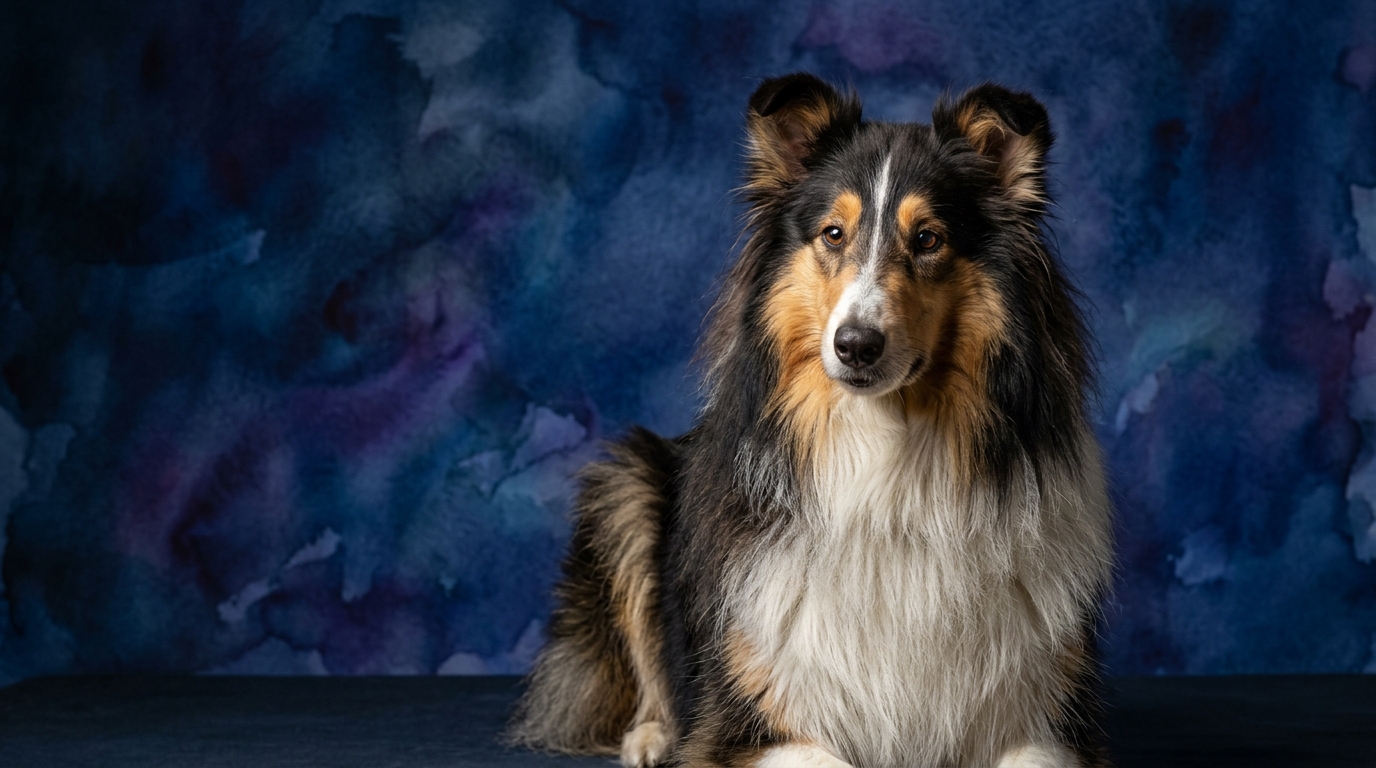
The Cosmic Pet Pet IQ Lab evaluates canine intelligence across five key dimensions, providing a nuanced understanding of each breed's cognitive strengths. For the Collie (Rough), a dog rooted in herding traditions, we see a profile optimized for complex tasks and extensive learning. Their Problem Solving is rated 4/5, indicating a strong capacity for independent thought in navigating varied scenarios, from livestock management to intricate obedience routines. Training Speed also sits at 4/5, reflecting their eagerness and ability to grasp new commands and sequences with efficiency, a crucial trait for a dog expected to respond promptly in a working environment. Social Intelligence is marked at 3/5, suggesting they read human cues effectively within their family unit but may display a more reserved demeanor with strangers. Their Instinctive Drive, at 3/5, points to a moderate but present inclination towards herding behaviors, which can manifest as a desire to gather family members or patrol their domain. Memory is a standout at 5/5, highlighting their exceptional ability to retain vast amounts of information, from complex command chains to past experiences.
In contrast, the Russian Toy, a breed developed primarily for companionship, presents a cognitive profile tailored for close interaction and adaptability within a domestic setting. Their Problem Solving scores 3/5, indicating an aptitude for navigating their immediate environment and figuring out how to achieve desired outcomes, such as gaining attention or accessing a favorite toy, though perhaps less geared towards multi-stage abstract challenges. Training Speed is rated 3/5; they are capable learners, readily absorbing basic commands and routines, but may require more consistent repetition and motivation compared to a working breed. Social Intelligence also stands at 3/5, often manifesting as a deep attunement to their primary human's moods and intentions, fostering a strong emotional bond, though they can be quite discerning with outsiders. Their Instinctive Drive, like the Collie, is 3/5, but this drive is typically channeled into seeking proximity, interaction, and sometimes a spirited chase of small, moving objects rather than herding. Memory, at 3/5, allows them to recall routines, preferred people, and past positive or negative experiences, but perhaps without the extensive capacity for intricate sequences seen in breeds developed for complex tasks.
Where the Collie (Rough) Excels Cognitively
The Collie (Rough) clearly demonstrates superior cognitive capabilities in areas demanding complex mental engagement and retention. Their exceptional Memory score of 5/5 is a significant advantage, allowing them to master and flawlessly execute extensive sequences of commands, crucial for advanced obedience, agility, or herding trials. This robust memory also contributes to their Problem Solving (4/5) and Training Speed (4/5), as they can quickly recall past solutions and apply learned concepts to novel situations. Unlike many breeds, Rough Collies often generalize their learning, understanding the underlying principles of a task rather than just memorizing specific actions, which makes them incredibly versatile.
Furthermore, the Collie’s capacity for sustained focus, deeply ingrained from generations of working alongside shepherds, means they can concentrate on intricate tasks for extended periods. This mental stamina, combined with their problem-solving acumen, allows them to excel in activities requiring independent decision-making within a structured framework. Their cognitive profile positions them as highly capable partners for owners who enjoy engaging in mentally stimulating activities and appreciate a dog that can anticipate and adapt to changing circumstances.
Where the Russian Toy's Cognitive Strengths Shine
While the Russian Toy's scores might appear lower than the Collie's in some dimensions, their cognitive profile is perfectly attuned to their role as a devoted companion, showcasing strengths that are distinct and valuable. Their Social Intelligence, rated 3/5, is often intensely focused on their primary human, enabling them to read subtle cues and emotional states with remarkable precision. This translates into an unparalleled ability to offer comfort or solicit attention exactly when needed, fostering a profoundly empathetic bond. Their problem-solving (3/5) is often directed towards navigating the social dynamics of their household or cleverly manipulating their environment to achieve desired outcomes, such as finding the comfiest lap or securing a favored treat.
The Russian Toy's Instinctive Drive (3/5), rather than being task-oriented, is beautifully channeled into a desire for close companionship and interactive play. This makes them highly responsive to games involving their owner, displaying a focused engagement during fetch or hide-and-seek. Their Memory (3/5), while not as extensive as a Collie's, is more than sufficient for remembering beloved routines, the location of favorite toys, and the people who offer the best cuddles. These specific applications of their cognitive abilities make them exceptionally well-suited for a life centered around intimate human-animal connection and joyful, low-impact interaction.
Training Ease: Collie (Rough) vs. Russian Toy
When it comes to ease of training, the Collie (Rough) generally presents a more straightforward experience for owners due to their higher scores in Training Speed (4/5) and Memory (5/5). They possess an innate desire to understand and comply with human direction, a legacy of their herding ancestry where quick, accurate responses were essential for survival. This means they often pick up new commands with fewer repetitions and retain them for longer periods. Owners of Rough Collies find that positive reinforcement methods, clear communication, and consistent training yield rapid and lasting results, making them excellent candidates for advanced obedience, rally, and other performance sports.
The Russian Toy, with a Training Speed of 3/5 and Memory of 3/5, can certainly be trained effectively, but they often require a different approach. Their learning process may necessitate more patience, consistency, and a greater emphasis on making training sessions highly engaging and rewarding. They respond exceptionally well to positive reinforcement, especially when high-value treats or beloved toys are involved, and thrive on short, fun sessions that prevent boredom. While they may not learn as rapidly or retain complex sequences with the same ease as a Collie, their strong desire for owner interaction means they are motivated to please. Owners should be mindful of their small size and companion nature, ensuring training is always positive and never intimidating, to build confidence and prevent potential behavioral challenges sometimes associated with small breeds.
Matching Breeds to Lifestyles: Active vs. Relaxed Owners
The cognitive profiles of these two breeds offer clear guidance for owners considering their activity levels and lifestyle preferences. The Collie (Rough), with its Problem Solving (4/5) and exceptional Memory (5/5), coupled with a moderate Instinctive Drive (3/5) and a history of outdoor work, thrives with active owners. They require significant mental stimulation in addition to physical exercise. Daily long walks, engaging playtime, and participation in dog sports like agility, obedience, or even herding provide the necessary outlets for their intelligent minds and active bodies. Owners who enjoy outdoor adventures, structured training, and a dog that can participate in various activities will find the Rough Collie an incredibly rewarding partner.
Conversely, the Russian Toy, with its balanced 3/5 scores across most cognitive dimensions, is an ideal fit for more relaxed owners or those living in smaller spaces. While they enjoy playful interaction and short walks, their overall exercise needs are moderate. Their cognitive strengths are perfectly suited for a companion lifestyle that prioritizes indoor games, cuddle sessions, and being a constant, comforting presence. Owners who prefer a devoted, portable companion that adapts well to apartment living, enjoys lap time, and thrives on close human interaction will find the Russian Toy a delightful and manageable addition to their home. They are content with being part of daily household routines and do not demand the extensive physical or mental exertion of a working breed.
The Verdict: When to Choose Each Breed
The Verdict
Choose a Collie (Rough) if you seek a highly trainable, versatile companion for complex tasks, outdoor activities, and a dog that excels in remembering extensive routines and engaging in mental challenges.
Opt for a Russian Toy if you desire a devoted, adaptable companion who thrives on close interaction, moderate activity, and fits seamlessly into a relaxed, indoor-centric lifestyle.
🧠 Find Your Pet's IQ Score
Our Pet IQ Lab assessment covers 25+ tests across 5 cognitive dimensions — personalized to your breed.
Take the Full IQ Test →Frequently Asked Questions
Are Russian Toys difficult to train?
Russian Toys are not inherently difficult to train, but they do require consistent, positive reinforcement and engaging sessions. Their Training Speed and Memory (both 3/5) suggest they may need more repetition than some working breeds, but their desire to please their owner is a strong motivator.
Do Rough Collies need a lot of exercise?
Rough Collies have moderate to high exercise needs, benefiting from daily long walks or runs, and significant mental stimulation. Their background as herding dogs means they thrive on purpose-driven activities and engaging their problem-solving abilities.
How do their social skills differ?
Both breeds score 3/5 in Social Intelligence, but their manifestation differs. Rough Collies are generally good with family but can be reserved with strangers. Russian Toys are often intensely bonded and attuned to their primary human, potentially showing more wariness towards unfamiliar people or situations.