Side-by-Side Cognitive Profiles
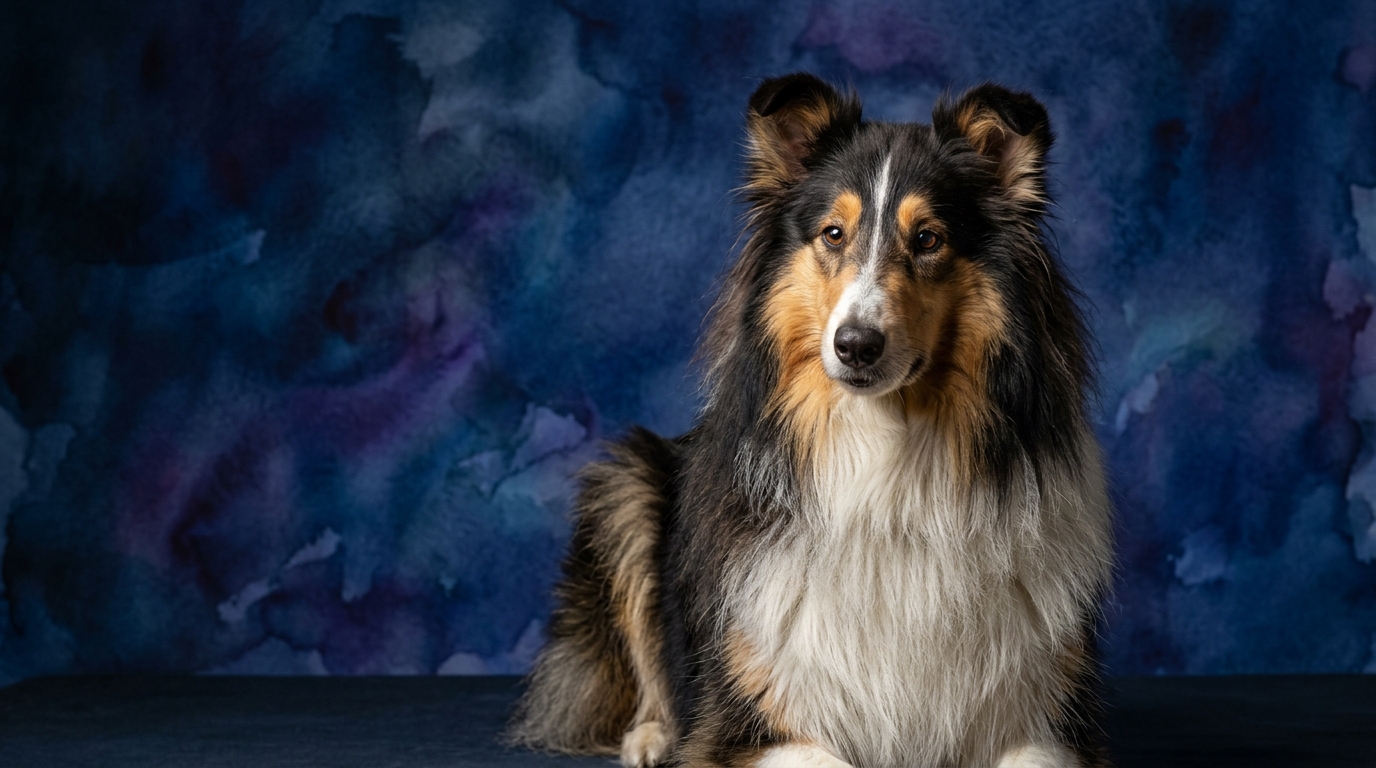
The Cosmic Pet Pet IQ Lab employs a five-dimensional framework to assess canine intelligence, revealing nuanced differences between breeds. For the Collie (Rough), a Coren-ranked breed at #16, their profile leans heavily into cooperation and retention. They score 4/5 in Problem Solving, indicating a capacity for understanding and resolving complex tasks, particularly those involving sequential steps or abstract concepts related to their herding heritage. Their Training Speed is also 4/5, reflecting an eagerness to learn and a quick grasp of new commands and routines, often driven by a desire to please their human companions. Social Intelligence stands at 3/5; while affectionate and responsive to their family, they can exhibit a reserved demeanor with strangers, processing social cues with a watchful eye. Instinctive Drive is 3/5, manifesting primarily as a manageable herding impulse, rather than an overwhelming prey drive. Crucially, their Memory is exceptional at 5/5, allowing them to retain a vast repertoire of commands, experiences, and learned behaviors over long periods.
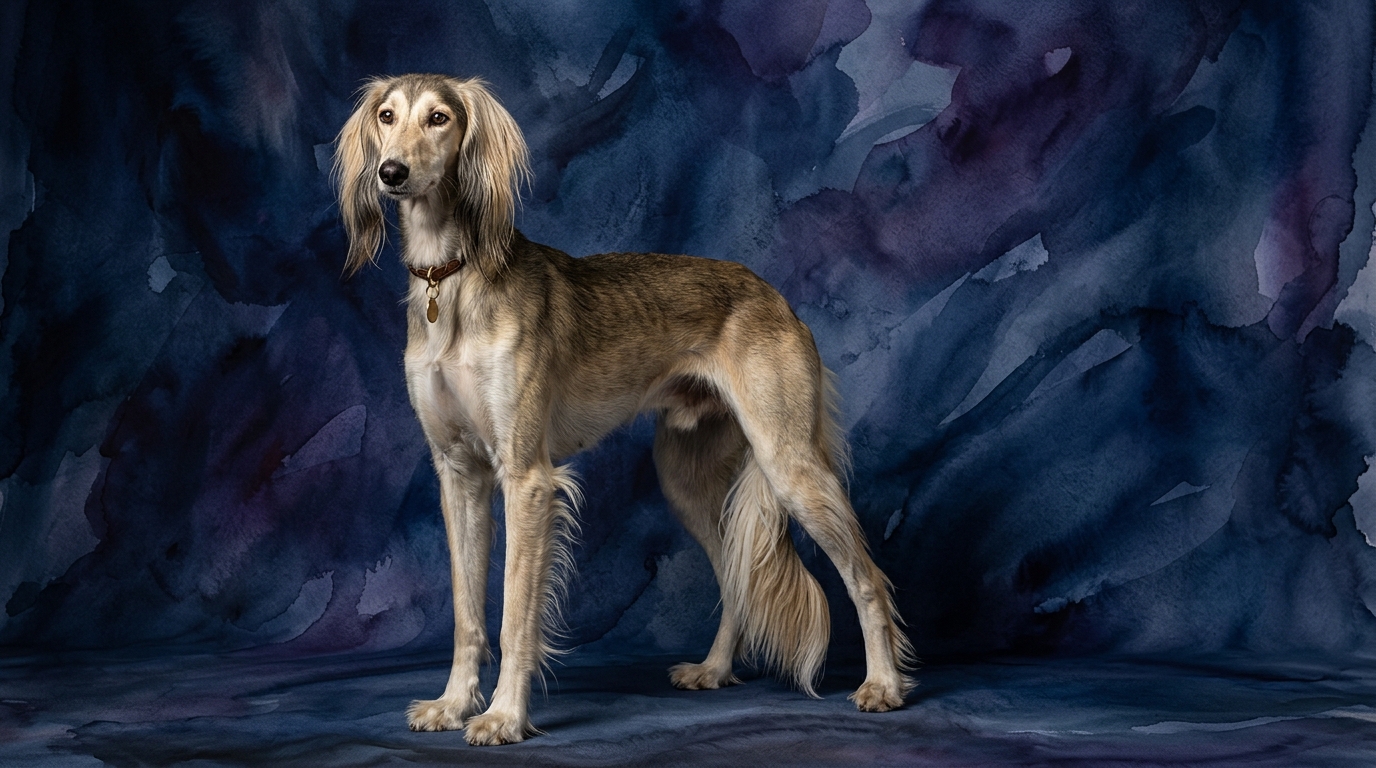
In contrast, the Saluki, a sighthound not featured in Coren's ranking, presents a cognitive profile shaped by its ancient role as a hunter. Their Problem Solving rates at 3/5, meaning they can navigate challenges, but often through independent thought and strategy rather than direct human instruction. Training Speed is also 3/5; Salukis learn, but their independent spirit means they may require more patience, motivation tailored to their instincts, and less repetition than some breeds. Social Intelligence matches the Collie at 3/5, as they form deep bonds with their families but are typically aloof or reserved with unfamiliar individuals, preferring a quiet dignity. Instinctive Drive is a prominent 3/5, driven by a powerful prey drive and an urge to chase, which is fundamental to their cognitive wiring. Their Memory is 3/5, indicating they retain information, but perhaps less focused on human-centric commands and more on environmental cues relevant to their hunting prowess and navigating their surroundings.
Where the Collie (Rough) Shines Cognitively
The Collie (Rough) demonstrates clear cognitive strengths rooted in its herding lineage, particularly in areas requiring consistent engagement with a human partner. Their 5/5 Memory score means they excel at recalling an extensive range of commands, intricate routines, and specific learned behaviors, making them adept at advanced obedience, agility, and even complex service roles. This robust memory, combined with their 4/5 Problem Solving, allows them to master multi-step tasks and adapt previously learned solutions to new, similar challenges with notable efficiency. For instance, a Collie might quickly learn a sequence of hand signals and verbal cues for a multi-obstacle course and then readily apply that understanding to a modified version of the course. Their capacity for sustained, focused attention on human instruction, a hallmark of their Herding group classification, allows for a depth of training that some more independent breeds may not readily embrace.
Where the Saluki Excels Cognitively
The Saluki's cognitive strengths, while different from the Collie's, are equally profound and finely tuned to their historical purpose. Their 3/5 Problem Solving, though lower than the Collie's in human-directed contexts, manifests as a remarkable capacity for independent, self-directed strategy, particularly when their strong 3/5 Instinctive Drive is engaged. A Saluki might independently figure out how to circumvent an obstacle to reach a perceived 'prey' or navigate a complex outdoor environment with impressive spatial reasoning, relying on sight and intuition rather than human guidance. Their memory, while rated 3/5, is particularly acute for environmental details, scent trails, and the visual patterns of movement, which are crucial for a sighthound. This means they might remember the fastest route across a field or the precise location where they last spotted a squirrel with exceptional clarity, even if they don't recall a specific verbal command with the same precision as a Collie. Their cognitive prowess lies in observation, swift decision-making in pursuit, and an innate understanding of their physical surroundings.
Training Dynamics: Collie vs. Saluki
When it comes to training, the Collie (Rough) generally offers a more cooperative and straightforward experience due to its higher Training Speed (4/5) and superior Memory (5/5). Their herding background has ingrained a natural inclination to work closely with humans, making them responsive to commands and eager to engage in structured learning. They tend to find satisfaction in performing tasks correctly and receiving positive affirmation, making positive reinforcement highly effective. A Collie will often repeat a desired behavior quickly after a few repetitions, retaining the lesson for future sessions. Their biddability means they are often a suitable choice for novice owners looking to delve into obedience or dog sports, as they readily form a working partnership.
The Saluki, with its 3/5 Training Speed and 3/5 Memory, presents a different training journey. Their independent nature, a hallmark of sighthounds, means they are less inherently motivated by human approval and more by their own instincts, particularly the chase. While they are capable of learning, training a Saluki often requires significant patience, creativity, and a deep understanding of their motivations. Repetitive drills can be met with disinterest; instead, training methods that incorporate games, lure work, or activities that tap into their prey drive tend to be more successful. For instance, teaching a recall might involve a long line and a high-value chase reward, rather than relying solely on verbal praise. Their memory, while functional, might not prioritize human commands as highly as a Collie's, meaning consistent, engaging reinforcement is key to long-term retention of obedience cues.
Lifestyle Match: Active vs. Relaxed Owners
For owners seeking a highly engaged and active companion, the Collie (Rough) often proves to be an excellent match. Their cognitive profile, with strong problem-solving and memory, means they thrive on structured activities, consistent mental stimulation, and a sense of purpose. They are well-suited for owners who enjoy daily walks, dog sports like agility or obedience, and even engaging in therapy work or other cooperative roles. A Collie benefits greatly from having a 'job,' whether it's learning new tricks, participating in family activities, or simply being a vigilant companion. Their need for regular mental and physical engagement means they are not content to be mere couch potatoes; they require an owner prepared to invest time in their development and well-being. Their social intelligence, while reserved with strangers, makes them devoted family members who enjoy being at the heart of household activities.
The Saluki, despite its powerful physique and incredible speed, can actually suit owners who appreciate a more relaxed indoor companion, provided their specific exercise needs are met. While they require intense bursts of physical activity—sprinting in a secure, large area is paramount to satisfy their sighthound instincts and prevent boredom—they are often quite calm and dignified indoors. Their independent nature means they are less demanding of constant human interaction for mental stimulation, preferring to observe or nap once their exercise requirements have been fulfilled. Owners who enjoy long, leashed walks or access to safe, enclosed spaces for off-leash running will appreciate the Saluki. They are not typically suited for highly structured, repetitive training regimes, preferring instead an owner who respects their quiet independence and provides outlets for their natural drives in a less regimented manner. This balance of intense activity and calm repose makes them a unique choice for those who understand their particular blend of needs.
The Verdict
Choose a Collie (Rough) if you seek a highly cooperative companion eager for structured learning, consistent engagement, and a strong partnership in activities like obedience or advanced training. Their exceptional memory and problem-solving skills flourish in an environment where they have a 'job' and regular mental stimulation.
Opt for a Saluki if you appreciate an independent spirit, value bursts of intense physical activity followed by calm companionship, and are prepared for training that respects their sighthound instincts and less overtly biddable nature. They thrive with owners who understand their need for freedom to run and their less human-centric motivations.
🧠 Find Your Pet's IQ Score
Our Pet IQ Lab assessment covers 25+ tests across 5 cognitive dimensions — personalized to your breed.
Take the Full IQ Test →Frequently Asked Questions
How does the Collie's herding background influence its intelligence profile?
The Collie's herding background significantly shapes its intelligence, fostering a strong aptitude for problem-solving in dynamic situations and an exceptional memory for complex patterns and commands. This heritage cultivates their biddability and responsiveness to human direction, crucial for coordinating livestock movements. Their cognitive strengths are geared towards cooperative work and understanding intricate instructions.
What kind of mental stimulation does a Saluki need, given its independent nature?
A Saluki benefits from mental stimulation that aligns with its sighthound instincts and independent problem-solving. Activities like lure coursing, scent work that engages their keen senses, or puzzle toys that they can solve on their own terms are ideal. Less emphasis on repetitive obedience and more on self-directed exploration and chase-oriented games will keep them engaged and content.
Are Salukis difficult to train for basic obedience?
Salukis can present a different challenge for basic obedience compared to more biddable breeds, primarily due to their independent nature and lower intrinsic motivation for human approval. They are not inherently 'difficult' but require patience, positive reinforcement, and training methods that tap into their natural drives and intelligence. Consistency and making training fun and rewarding are key to success.