Side-by-Side Cognitive Profiles
The Pet IQ Lab provides a unique lens through which to examine the cognitive landscape of different dog breeds, moving beyond general perceptions to specific strengths. Our framework assesses five key dimensions: Problem Solving, Training Speed, Social Intelligence, Instinctive Drive, and Memory. Let's place the Collie (Rough), a member of the Herding group, alongside the Silky Terrier, a spirited Toy breed, to observe their distinct cognitive blueprints.
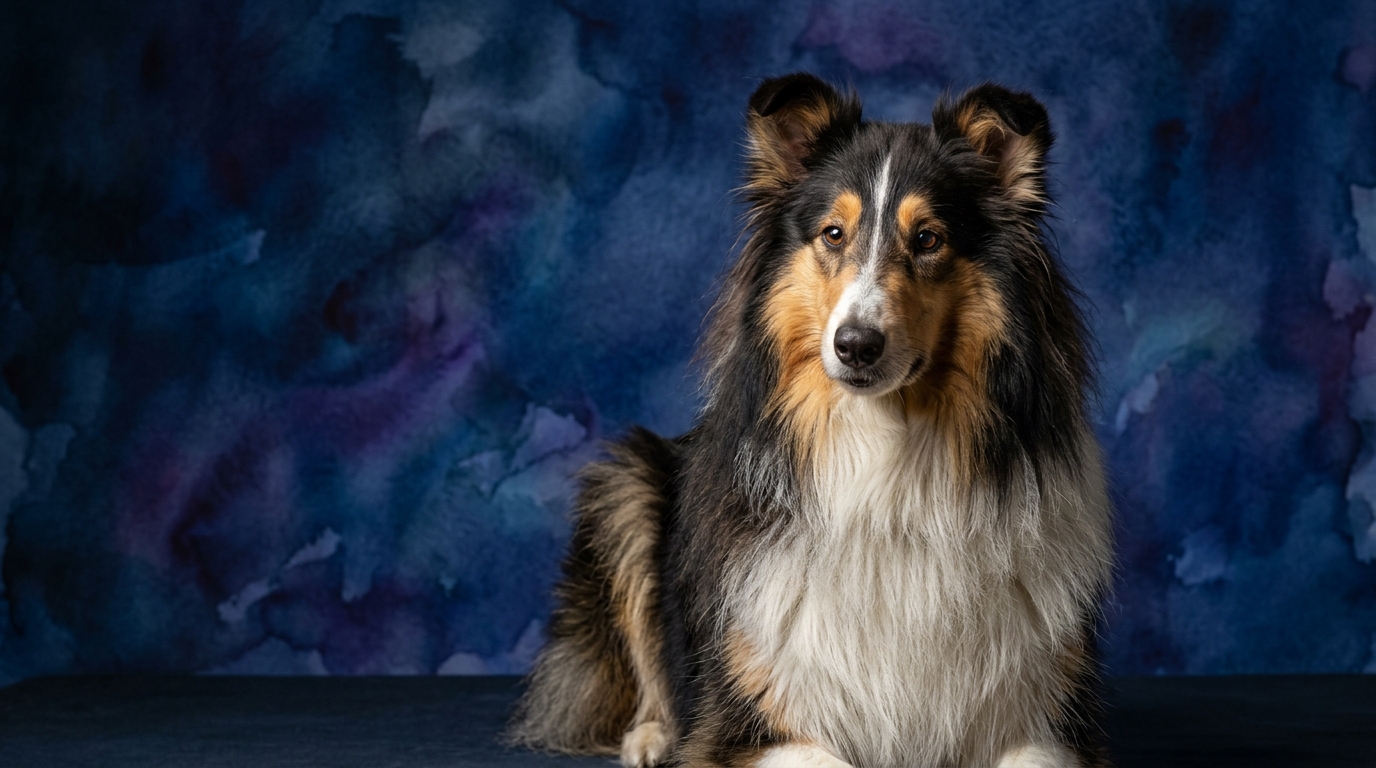
The Collie (Rough), ranked #16 by Coren for working and obedience intelligence, showcases a compelling cognitive profile. Its Problem Solving score of 4/5 indicates a capacity for complex thought, allowing it to navigate multi-step challenges and adapt to new situations with considerable ease. This breed's Training Speed, also at 4/5, means it grasps new commands and routines with efficiency, often requiring fewer repetitions than many other breeds. Social Intelligence stands at 3/5, suggesting a good understanding of human cues and pack dynamics, though perhaps not the nuanced emotional processing seen in some companion breeds. Its Instinctive Drive, at 3/5, reflects its heritage in herding, manifesting as a desire for purpose and controlled activity rather than relentless pursuit. Finally, the Collie's Memory is exceptional, scoring a perfect 5/5, allowing it to retain learned behaviors, routines, and even the identities of familiar individuals over extended periods.
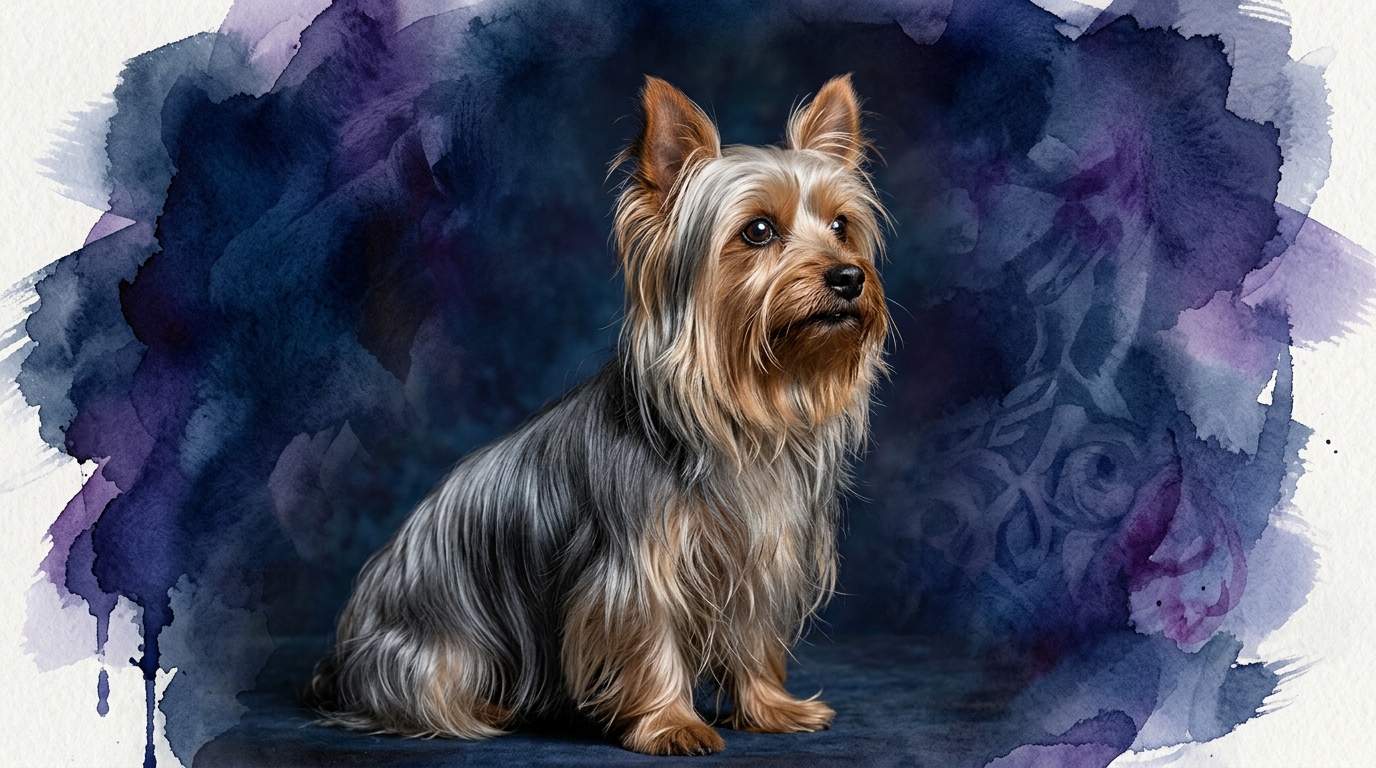
In contrast, the Silky Terrier, while not appearing on Coren's rankings, presents a cognitive profile that reflects its terrier roots and companion role. Its Problem Solving ability is rated at 3/5, indicating a respectable capacity to figure out immediate solutions, often through persistence and trial-and-error, particularly when motivated by curiosity or reward. Training Speed for the Silky Terrier is also 3/5, meaning it can learn new tasks, but may require more consistent, engaging, and patient instruction to solidify commands. Social Intelligence matches the Collie at 3/5, highlighting its ability to form strong bonds with its human family and interpret basic social cues, often expressing its personality through interaction. Instinctive Drive, also 3/5, speaks to its terrier heritage—a tenacious spirit, a keen sense of awareness, and a drive to explore or 'hunt' for small vermin, even if only in play. The Silky Terrier's Memory score of 3/5 suggests it retains information adequately, remembering familiar routines and commands, but perhaps not with the long-term, intricate recall observed in breeds bred for complex, sustained tasks.
Where the Collie (Rough) Cognitively Excels
The Collie (Rough) truly shines in areas demanding structured thought and retention. Its 4/5 Problem Solving score means it's adept at understanding sequences and cause-and-effect, making it a natural at navigating agility courses or learning complex household routines, like fetching specific items on command. This isn't just about simple obedience; it's about anticipating next steps and adjusting its approach. For instance, a Collie might quickly learn to open a specific type of gate or figure out how to retrieve a toy from an unusual hiding spot after only a few attempts, demonstrating an impressive ability to generalize solutions.
The Collie's 5/5 Memory is perhaps its most profound cognitive advantage. This exceptional recall allows it to master an extensive vocabulary of commands and remember them consistently, even after long breaks. Owners often report Collies remembering people they haven't seen in years or recalling specific training routines from their puppyhood. This robust memory also underpins its remarkable consistency in performance tasks, making it a reliable partner in competitive obedience or as a service animal. Paired with its 4/5 Training Speed, which allows for rapid assimilation of new information, the Collie becomes an incredibly receptive student, making advanced training a deeply rewarding experience for both dog and owner. Its cognitive architecture is built for absorbing, retaining, and applying information with remarkable precision.
Where the Silky Terrier Cognitively Stands Out
While the Silky Terrier's scores might appear numerically lower than the Collie's in some areas, its cognitive strengths are perfectly suited to its role as a spirited companion. Its 3/5 Problem Solving, for example, often manifests as a tenacious, creative approach to challenges. A Silky might not logically deduce a complex solution as quickly as a Collie, but it will persistently try various methods to achieve its goal, whether it's getting to a favorite toy under the couch or figuring out how to get attention from its human. This isn't a lack of intelligence, but a different style of problem-solving—one rooted in determined exploration and a 'never give up' attitude.
The Silky Terrier's 3/5 Instinctive Drive, though moderate, is a significant part of its charm and cognitive makeup. This drive manifests as a keen awareness of its surroundings, a lively curiosity, and an enthusiasm for interactive play that mimics its ancestral hunting behaviors. They may excel at games involving 'chasing' or 'finding,' utilizing their senses to track down hidden treats or toys. This drive, combined with its 3/5 Social Intelligence, means that while it may not interpret subtle human emotions with the depth of some breeds, it forms incredibly strong, affectionate bonds and thrives on engaging, playful interaction within its family unit. Its cognitive wins are often found in its spirited engagement with its environment and its unwavering dedication to its chosen people, making every interaction vibrant and full of character.
Training Ease: Collie (Rough) vs. Silky Terrier
When it comes to ease of training, the Collie (Rough) generally offers a smoother experience. Its 4/5 Training Speed means Collies typically pick up new commands and concepts quickly, often understanding what's expected after just a few repetitions. Their strong 5/5 Memory ensures that once a command is learned, it's retained for the long haul, reducing the need for constant refreshers. This combination makes them highly responsive to consistent, positive reinforcement training methods. Their herding background instilled a desire to work closely with humans and respond to guidance, translating into a natural inclination to learn complex sequences and adapt to changing instructions, making them excellent candidates for advanced obedience, agility, or even service work.
The Silky Terrier, with its 3/5 Training Speed and 3/5 Memory, presents a different training dynamic. While perfectly capable of learning, they often require more patience, creativity, and consistency from their trainers. Their terrier tenacity means they can sometimes have their own ideas about what's important, and distractions in the environment might capture their attention more readily. Training sessions need to be kept engaging, short, and fun to maintain their focus. Silky Terriers respond best to positive reinforcement, often thriving when training is framed as a game. While they may not learn as rapidly or retain information with the same effortless recall as a Collie, their eagerness to please their family and their spirited nature can make training a rewarding journey for dedicated owners who understand their independent streak.
Suitability for Active vs. Relaxed Owners
For owners with an active lifestyle and a desire for a canine partner in various pursuits, the Collie (Rough) is an excellent match. Their cognitive profile, especially their high Problem Solving and Memory scores, means they thrive on mental stimulation as much as physical exercise. They are not content with just a daily walk; they need a 'job' or engaging activities that challenge their minds, such as advanced obedience, agility, herding trials, or even learning complex tricks. Owners who enjoy long hikes, interactive games, or structured training sessions will find the Collie a willing and capable companion, eager to participate and learn. Their moderate Instinctive Drive (3/5) ensures they have energy for these activities without being overly restless or hyperactive, making them a balanced choice for an active, engaged household.
The Silky Terrier, while energetic and playful, can adapt to a slightly more relaxed owner, though they still require regular engagement. Their energy is often bursty; they love a good romp and a brisk walk, but are equally content to snuggle on the couch. Their 3/5 Instinctive Drive means they enjoy chasing and playing, but their smaller size makes it easier to meet their physical exercise needs within a typical home and yard. Owners who appreciate a spirited companion for daily walks and interactive play, but who don't necessarily engage in competitive dog sports, will find a Silky Terrier a delightful fit. They are excellent companions for apartment living or homes with smaller yards, as long as they receive consistent attention, mental enrichment through toys, and opportunities for social interaction. Their charm lies in their ability to be both an energetic playmate and an affectionate lapdog, making them suitable for a wide range of family dynamics.
The Verdict
Choose the Collie (Rough) if you seek a highly trainable, thoughtful companion capable of complex tasks and consistent routines, thriving on mental and physical engagement.
Opt for the Silky Terrier if you desire a spirited, tenacious, and affectionate companion for engaging play and a flexible routine, valuing charm and independent personality.
🧠 Find Your Pet's IQ Score
Our Pet IQ Lab assessment covers 25+ tests across 5 cognitive dimensions — personalized to your breed.
Take the Full IQ Test →Frequently Asked Questions
Are Collie (Rough) good family dogs?
Yes, Collies are generally gentle, patient, and protective, making them wonderful family companions. They are particularly good with children, often displaying a natural herding instinct to keep them 'safe' and accounted for, but require mental engagement to prevent boredom.
Do Silky Terriers bark a lot?
Silky Terriers can be vocal, often using their bark to alert their owners to new sounds or visitors, a trait stemming from their instinctive drive as watchdogs. Consistent training and early socialization can help manage excessive barking, teaching them when it's appropriate to vocalize.
What kind of mental exercise do these breeds need?
Collies thrive on puzzle toys, advanced obedience training, agility, or even learning complex scent work, leveraging their high memory and problem-solving. Silky Terriers enjoy interactive games, short and engaging training sessions, and scent-based activities that tap into their curious and tenacious nature.