Side-by-Side IQ Profile: Unpacking Cognitive Traits
The Cosmic Pet IQ Lab's granular analysis offers a comprehensive look at five key cognitive dimensions for our feline friends. For both the Cornish Rex and the Devon Rex, we observe intriguing commonalities alongside a subtle yet significant divergence.
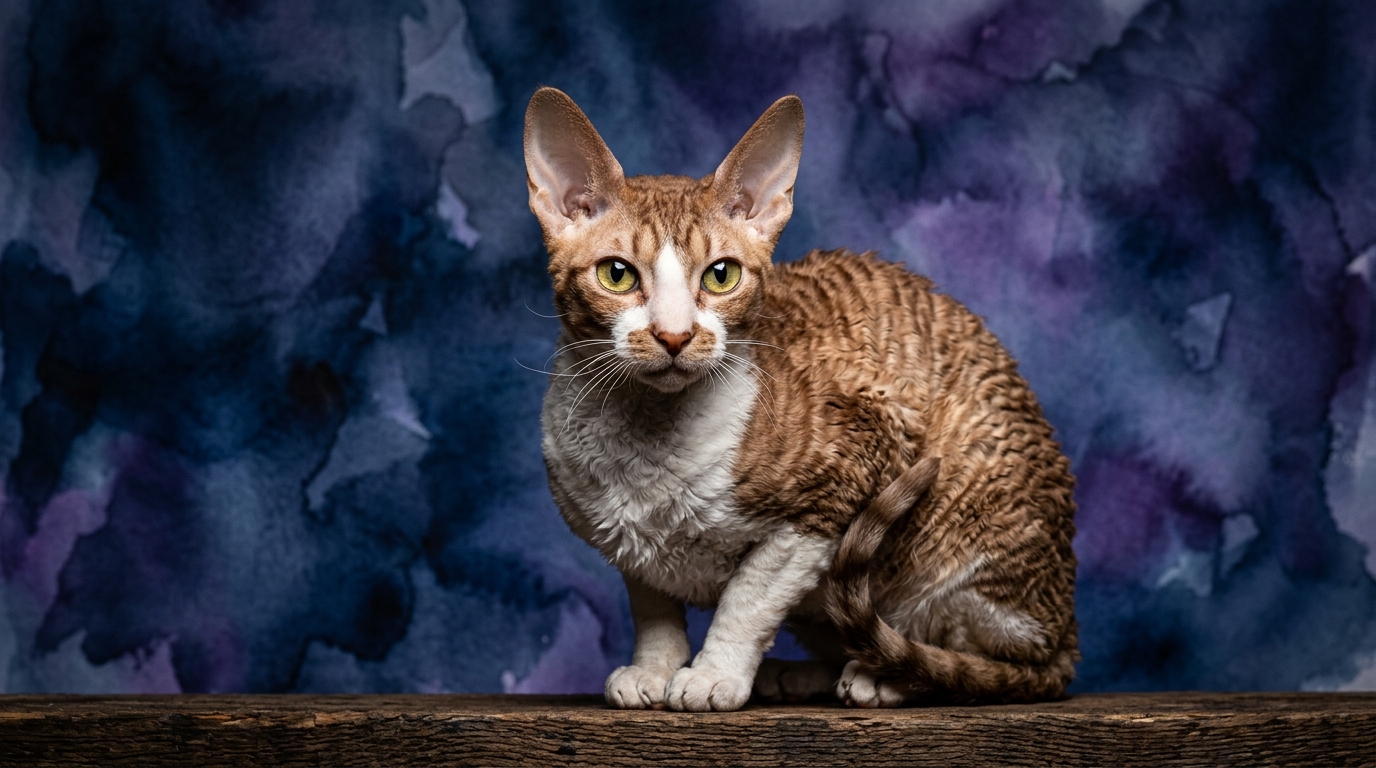
Let's first examine the Cornish Rex. Its Problem Solving score sits at a robust 4 out of 5, indicating a cat adept at navigating complex environments, figuring out how to access treats in puzzle toys, or even masterfully opening cabinets. This breed's Training Speed is an exceptional 5 out of 5, suggesting they grasp new commands and routines with remarkable swiftness, making them highly responsive to consistent instruction. Their Social Intelligence registers at 4 out of 5, signifying a strong capacity for bonding with human family members and understanding their cues, though perhaps with a slightly more discerning approach than some other breeds. An Instinctive Drive of 3 out of 5 points to a moderate prey drive and exploratory curiosity, sufficient to keep them engaged without being overwhelmingly high-strung. Finally, their Memory is rated at 4 out of 5, enabling them to recall learned behaviors, routines, and the locations of favored people or objects over extended periods.
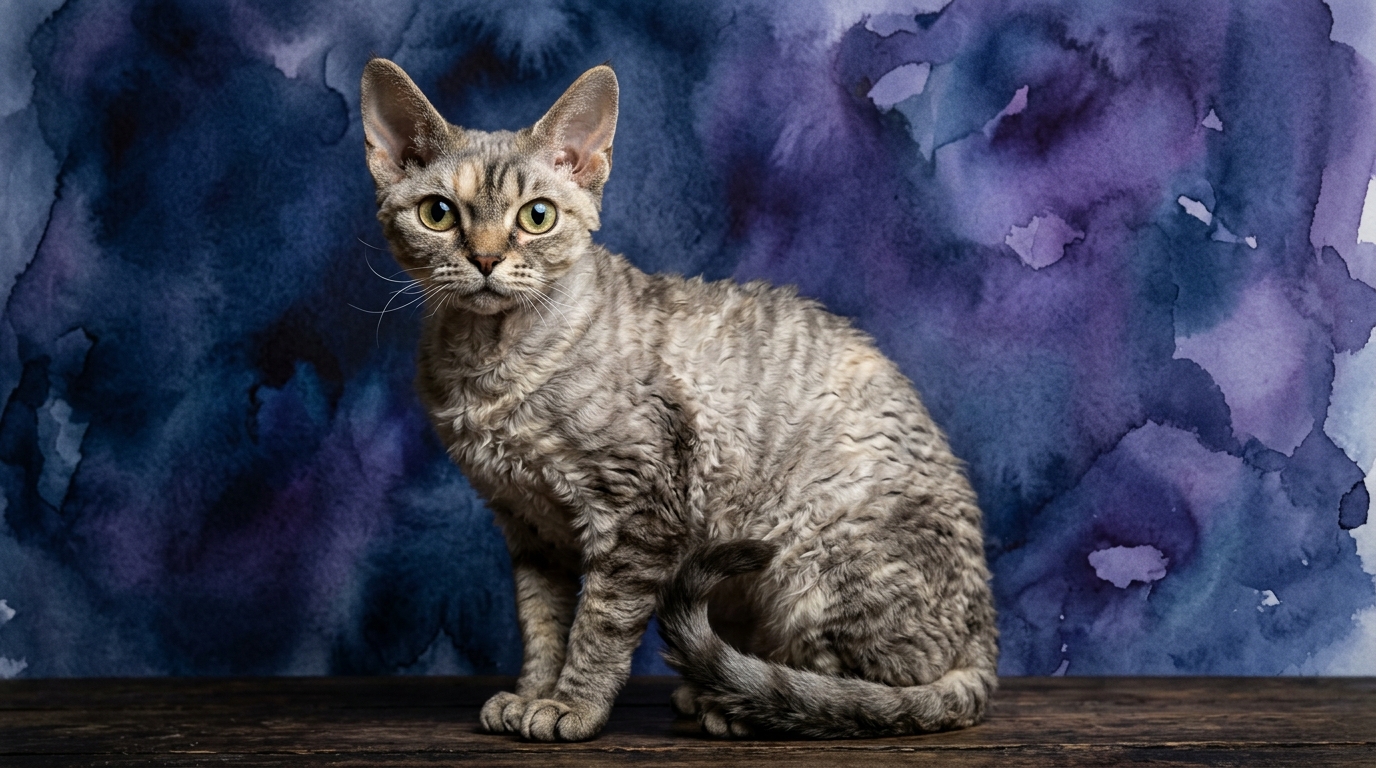
Now, turning our attention to the Devon Rex, we find many parallel strengths. The Devon Rex also earns a 4 out of 5 for Problem Solving, demonstrating a similar aptitude for overcoming intellectual challenges and deciphering their surroundings. Matching the Cornish Rex, their Training Speed is an impressive 5 out of 5, showcasing an equivalent ability to quickly pick up new tricks, respond to name calls, or even learn to walk on a leash. Their Instinctive Drive is also a 3 out of 5, reflecting a balanced level of natural hunting instincts and a desire to explore. And like their Cornish cousins, Devon Rex cats exhibit a strong Memory at 4 out of 5, capable of retaining complex information and experiences. The standout difference, and the key to understanding the Devon Rex's unique cognitive footprint, lies in its Social Intelligence, which scores a perfect 5 out of 5. This elevated score suggests an even more profound, almost dog-like, attachment to their human companions, a heightened awareness of human emotions, and a deep-seated desire for interactive engagement.
Where the Cornish Rex Excels Cognitively
While numerically the Cornish Rex shares many cognitive strengths with the Devon Rex, its distinct profile creates unique “wins” that cater to specific owner preferences. With a Problem Solving score of 4/5, a Training Speed of 5/5, and Memory at 4/5, the Cornish Rex is an exceptionally capable and quick learner. Its Social Intelligence of 4/5, while not a perfect 5, means it maintains a robust capacity for connection and responsiveness without necessarily demanding constant, intense interaction.
This specific combination suggests a cat that is highly receptive to training and enjoys engaging with puzzles, yet might display a slightly more independent streak or a preference for initiating interactions on its own terms. This can be a cognitive advantage for an owner who appreciates a brilliant learner that values its own space, offering affection and participation on its own schedule rather than seeking perpetual engagement. The Cornish Rex thrives when given intellectual stimulation and consistent training, internalizing lessons rapidly and remembering them, even if its primary motivation isn't solely to please.
Where the Devon Rex Shines Cognitively
The Devon Rex's clear cognitive advantage shines brightest in its Social Intelligence, earning a perfect 5 out of 5 compared to the Cornish Rex's 4/5. This isn't merely a subtle difference; it signifies a profound inclination towards human companionship and interaction. A Devon Rex with a 5/5 Social Intelligence is exceptionally attuned to the emotional states of its human family, often seeking to be physically close, participate in household activities, and even mimic human behaviors.
This high score translates into a cat that not only understands complex social cues but actively seeks to engage with them, thriving on mutual communication and shared experiences. This win means the Devon Rex often develops incredibly deep, interactive bonds, responding with enthusiasm to human overtures and frequently initiating cuddles, games, or conversations. For owners who crave a feline companion that acts as a true, participating member of the family, often described as a “velcro cat,” the Devon Rex's superior social cognitive abilities are an undeniable advantage.
Training Aptitude: Speed vs. Social Drive
Both the Cornish Rex and the Devon Rex boast an impressive Training Speed of 5 out of 5, indicating they are both exceptionally fast learners. However, the nuance in their Social Intelligence scores subtly influences the nature of their trainability. A Cornish Rex, with its 4/5 Social Intelligence, is highly capable of learning commands, tricks, or routines with remarkable speed, thanks to its quick grasp and strong memory (4/5). They often respond well to positive reinforcement, quickly associating actions with rewards.
The Devon Rex, with its perfect 5/5 Social Intelligence, approaches training with an added layer of eagerness and a pronounced desire for interaction. While both breeds learn with equal speed, the Devon Rex's motivation might be more intertwined with the joy of shared activity and pleasing its human. This high social drive can make a Devon Rex appear “easier” to train in the sense that they might be more proactively engaged, offering behaviors more readily in anticipation of not just a treat, but also the positive attention and bond reinforced during the session. Owners might find the Devon Rex more “biddable” or enthusiastic about participating in training games, making the process feel effortlessly collaborative due to their innate social responsiveness.
Choosing Your Companion: Active vs. Relaxed Lifestyles
When considering these breeds for family life, their cognitive profiles, particularly their Social Intelligence and Instinctive Drive, offer valuable guidance for active versus relaxed households. Both breeds have an Instinctive Drive of 3/5, suggesting they possess a moderate energy level that enjoys play and exploration without being excessively demanding. This means neither is a purely sedentary “lap cat,” though they certainly appreciate a warm spot.
For active owners, the Devon Rex often presents itself as the more natural fit. Its 5/5 Social Intelligence means it thrives on constant engagement and interaction, actively participating in family life, following owners from room to room, and often initiating play sessions or cuddles. An active owner who enjoys interactive games, walks on a leash, or teaching complex tricks will find the Devon Rex's keen social responsiveness and quick Training Speed (5/5) highly rewarding. They are more likely to seek out and thrive on the dynamic energy of a bustling household, making them an excellent companion for those who desire a truly interactive feline friend.
For relaxed owners, the Cornish Rex might be the slightly better match. While still highly social with a 4/5 Social Intelligence and capable of rapid learning (Training Speed 5/5), its slightly lower social score compared to the Devon Rex might translate to a cat that is deeply affectionate and involved but perhaps less intensely demanding of constant attention. A relaxed owner who appreciates a cat that can entertain itself for periods, or one that prefers to curl up beside them rather than always being on them, might find the Cornish Rex's balance of independence and companionship ideal. They will still engage enthusiastically in play and training when invited, but may be more content to observe or relax independently for longer stretches, making them suitable for a quieter, more predictable home environment.
The Verdict
Choose the Cornish Rex if you appreciate a brilliant, fast-learning cat capable of forming strong bonds, yet one that might also appreciate its own quiet moments and initiate affection on its own discerning terms.
Opt for the Devon Rex if you desire an intensely social, emotionally intuitive companion who thrives on being the constant, active center of family interaction and engagement, often behaving more like a canine in its devotion.
🧠 Find Your Pet's IQ Score
Our Pet IQ Lab assessment covers 25+ tests across 5 cognitive dimensions — personalized to your breed.
Take the Full IQ Test →Frequently Asked Questions
Are Cornish Rex or Devon Rex cats prone to specific behavioral issues based on their IQ scores?
While both breeds exhibit high cognitive scores that generally lead to adaptability, their moderate Instinctive Drive (3/5) means they benefit from regular enrichment and play to prevent boredom. The Devon Rex's exceptionally high Social Intelligence (5/5) means it can become anxious if left alone for extended periods without sufficient social interaction, potentially leading to attention-seeking behaviors.
Do these breeds get along well with other pets, considering their Social Intelligence scores?
Both breeds, with their good to excellent Social Intelligence scores (Cornish Rex 4/5, Devon Rex 5/5), generally adapt well to other pets, particularly if introduced properly. The Devon Rex's higher social drive might make it more inclined to actively seek out interaction and companionship with other animals, often integrating seamlessly into a multi-pet household and even forming strong bonds with dogs.
How do their memory scores influence daily life and training consistency?
Both breeds possess a strong Memory (4/5), which significantly enhances their ability to recall training commands, household routines, and the locations of favored items or people. This means that once a behavior is learned, it tends to be retained, making consistent training efforts very rewarding and contributing to a well-adjusted pet that understands its environment and expectations.