Side-by-Side Cognitive Profiles
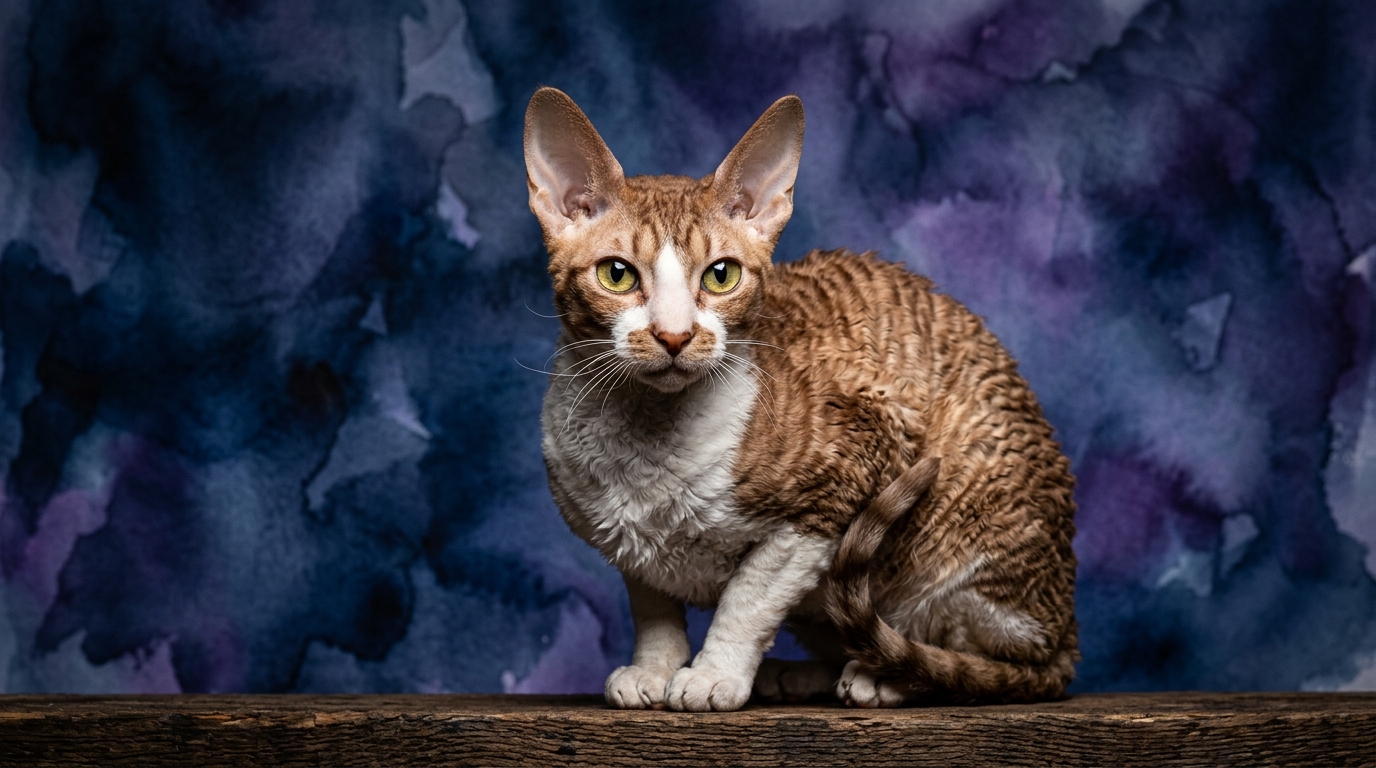
The Cornish Rex, a breed celebrated for its distinctive wavy coat and slender build, presents a fascinating cognitive profile. Its Problem Solving is rated at 4/5, indicating a strong capacity to navigate complex situations and creatively overcome obstacles to achieve desired outcomes. The breed truly shines in Training Speed, earning a perfect 5/5, suggesting an exceptional ability to grasp new commands and routines with minimal repetition. Social Intelligence stands at 4/5, reflecting a keen awareness of human emotions and social cues, fostering deep, interactive bonds. Its Instinctive Drive is a moderate 3/5, meaning while natural predatory behaviors exist, they are often channeled into playful, less intense pursuits. Finally, Memory is a robust 4/5, enabling the Cornish Rex to recall learned behaviors, routines, and the location of favored items with impressive accuracy over time.
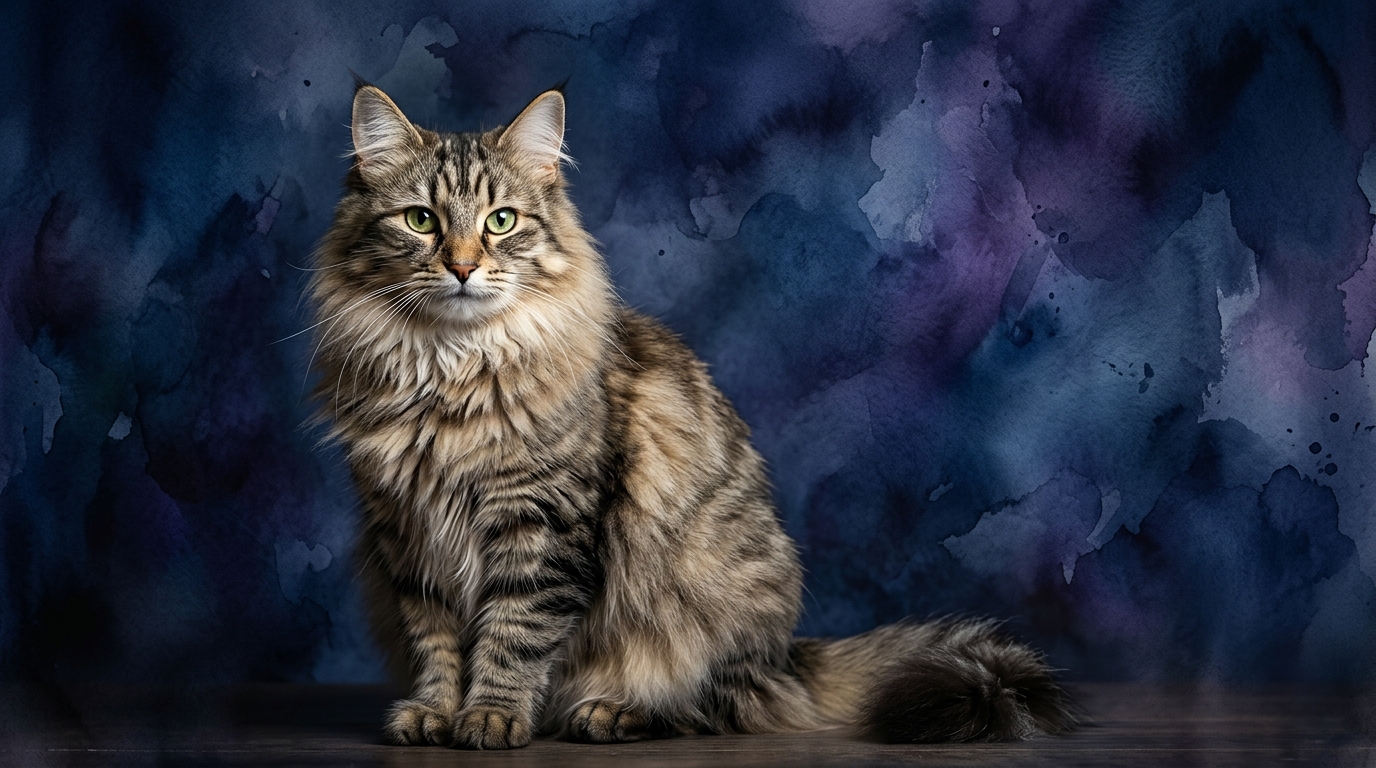
In contrast, the majestic Norwegian Forest Cat, known for its rugged beauty and semi-wild ancestry, offers a different intellectual emphasis. Its Problem Solving also scores 4/5, demonstrating significant ingenuity, particularly when it comes to environmental challenges like scaling heights or figuring out access points. However, its Training Speed is a solid but more deliberate 3/5, meaning it learns new behaviors steadily but may require more consistent reinforcement than its faster-learning counterpart. Social Intelligence for the Norwegian Forest Cat is 3/5; while affectionate, they often engage on their own terms, appreciating companionship but maintaining a degree of independent observation. Where this breed truly excels is its Instinctive Drive, scoring a perfect 5/5, reflecting a powerful innate urge for hunting, climbing, and extensive exploration. Its Memory mirrors the Cornish Rex at 4/5, allowing for strong retention of environmental details, social interactions, and learned experiences.
Where the Cornish Rex Excels Cognitively
The Cornish Rex distinctly outpaces the Norwegian Forest Cat in two key cognitive dimensions: Training Speed and Social Intelligence. With a 5/5 score in Training Speed, the Cornish Rex exhibits an unparalleled aptitude for rapid learning, quickly absorbing new commands, tricks, and routines. This makes them exceptionally responsive to positive reinforcement and eager participants in structured activities like agility courses or complex trick training. Their ability to form strong associations between actions and rewards is remarkably swift, allowing owners to introduce a wide repertoire of behaviors efficiently.
Furthermore, the Cornish Rex’s 4/5 Social Intelligence score indicates a profound understanding of human social dynamics. They are highly attuned to their owners' moods, intentions, and even subtle body language, often responding with empathy and seeking interactive engagement. This heightened social awareness contributes to their reputation as highly communicative and emotionally responsive companions. Their comparatively lower Instinctive Drive (3/5) means their focus is less often diverted by primal urges, allowing for more sustained attention during human-led activities and fostering a deeply integrated presence within the family unit, often anticipating their human's next move or desire for interaction.
Where the Norwegian Forest Cat Shows Unique Cognitive Strengths
The Norwegian Forest Cat's primary cognitive advantage lies in its exceptional Instinctive Drive, rated at a powerful 5/5. This isn't merely a behavioral trait but a cognitive cornerstone, fueling their problem-solving abilities and environmental mastery. Their strong drive means they are perpetually motivated to explore, climb, and engage in mock hunting scenarios, constantly applying their problem-solving skills to navigate and dominate their physical surroundings. This manifests as a natural ingenuity in figuring out how to reach high perches, manipulate objects, or 'hunt' hidden toys, demonstrating a practical application of their intelligence geared towards self-sufficiency and environmental competence.
While their Problem Solving score is equal to the Cornish Rex at 4/5, the context of its application often differs. For the Norwegian Forest Cat, problem-solving is frequently directed towards physical challenges – how to scale a tall cat tree, how to access a coveted window perch, or how to outsmart a puzzle feeder designed to simulate prey. Their robust memory (4/5) supports this by allowing them to recall successful strategies and preferred pathways, making them highly effective navigators of their indoor and outdoor territories. This breed's intelligence is deeply rooted in its ancestral need for independent survival and mastery of its domain, making them incredibly resourceful and observant of their environment.
Training Dynamics: Cornish Rex vs. Norwegian Forest Cat
When it comes to ease of training, the Cornish Rex holds a clear advantage, primarily due to its outstanding Training Speed (5/5) and high Social Intelligence (4/5). These cats are often described as 'dog-like' in their eagerness to learn and participate in interactive training sessions. They quickly form associations between commands, actions, and rewards, making them highly receptive to clicker training, leash walking, and even complex tricks. Their social nature means they genuinely enjoy the one-on-one engagement that training provides, viewing it as a bonding activity rather than a chore. Their lower Instinctive Drive (3/5) also means they are less prone to distraction by environmental stimuli during focused training, allowing for more consistent progress.
The Norwegian Forest Cat, while certainly trainable, requires a different approach and more patience, reflected in its 3/5 Training Speed. Their Social Intelligence (3/5) suggests they are more independent, and their powerful Instinctive Drive (5/5) means they are often more motivated by activities that tap into their natural inclinations. Training a 'Wegie' is most effective when it aligns with their exploratory or predatory drives. For example, using puzzle feeders, teaching them to 'hunt' for treats, or rewarding them for climbing specific structures can be highly successful. They learn steadily, but their motivation often stems from personal satisfaction or a desire to master their environment, rather than an inherent eagerness to please. Owners will find success by making training an extension of their cat's natural curiosity and physical prowess.
Matching Feline Intellect to Owner Lifestyles
For active owners seeking a dynamic and highly interactive feline companion, the Cornish Rex is an exceptional match. Their superior Training Speed and Social Intelligence mean they thrive on consistent mental stimulation, enjoying interactive play sessions, learning new tricks, and even participating in feline agility. They are likely to initiate play and seek out human interaction, becoming deeply involved in daily family activities. Owners who are present, enjoy teaching, and appreciate a cat that 'talks' back and responds to subtle cues will find the Cornish Rex's cognitive profile perfectly complements their active, engaging lifestyle. This breed requires an owner who can consistently provide intellectual outlets and social engagement to prevent boredom and ensure their cognitive needs are met.
Conversely, the Norwegian Forest Cat's cognitive strengths make it well-suited for owners who appreciate a more independent yet affectionate presence, particularly those who can provide a rich, stimulating physical environment. Their high Instinctive Drive and strong problem-solving abilities thrive when given opportunities for climbing, exploring, and simulated hunting. While they enjoy companionship, their social engagement is often on their own terms, making them a good fit for owners who are content with a cat that may observe more than actively participate in every human activity. Owners who can provide sturdy cat trees, safe outdoor access (if appropriate), and plenty of space for exploration will find the Norwegian Forest Cat's cognitive profile aligns with a lifestyle that values self-sufficiency and a cat's mastery of its personal domain, offering a robust presence without constant demands for attention.
The Verdict
Choose the Cornish Rex if you desire a highly interactive companion eager to learn new behaviors and participate actively in family life, thriving on consistent mental engagement and social interaction.
Opt for the Norwegian Forest Cat if you appreciate a more independent yet affectionate feline with a strong exploratory drive, content to master its environment and engage in self-directed play, while still enjoying your presence.
🧠 Find Your Pet's IQ Score
Our Pet IQ Lab assessment covers 25+ tests across 5 cognitive dimensions — personalized to your breed.
Take the Full IQ Test →Frequently Asked Questions
Are Cornish Rex cats good for apartment living due to their intelligence?
Yes, their high social intelligence and rapid training speed make them highly adaptable to indoor environments, provided they receive sufficient mental stimulation through interactive play and puzzle toys. Their lower instinctive drive means they have less inherent urge for extensive outdoor exploration, making apartment life quite suitable.
How does the Norwegian Forest Cat's strong instinctive drive manifest in daily life?
This manifests as a deep desire to climb, explore high places, and engage in 'hunting' behaviors, even within a home setting. Owners should provide sturdy cat trees, elevated perches, and interactive toys that simulate prey to satisfy these innate needs, preventing boredom and channeling their natural cognitive predispositions.
Can both breeds learn tricks, and what's the key difference in teaching them?
Both breeds can certainly learn tricks, but the Cornish Rex typically picks them up much faster due to its 5/5 training speed and social eagerness, often enjoying the process itself as a form of interaction. The Norwegian Forest Cat, with a 3/5 training speed, can learn but might require more patience, repetition, and motivation linked to their natural curiosity or desire for a tangible reward.