
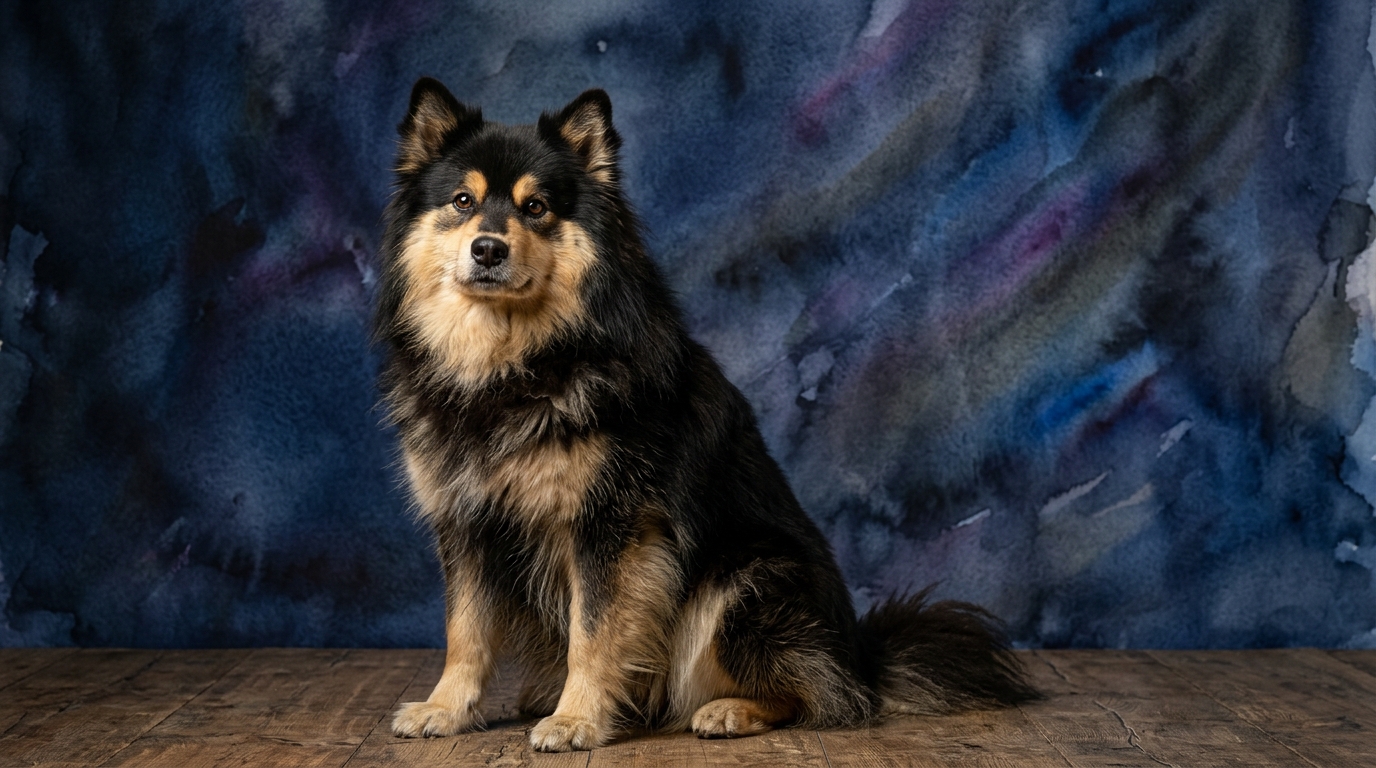
Side-by-Side IQ Profile: Dachshund vs. Finnish Lapphund
The Cosmic Pet Pet IQ Lab employs a five-dimensional framework to assess canine intelligence, moving beyond simple obedience to encompass a broader spectrum of cognitive abilities. This allows for a nuanced understanding of how different breeds interact with their environment and learn.
For the Dachshund, we observe a Problem Solving score of 4/5, indicating a strong capacity for independent thought and creative solutions, particularly when motivated by their primary drive. Their Training Speed is noted at 2/5, suggesting a need for patience and varied methods to maintain engagement, while Social Intelligence sits at 3/5, reflecting an ability to understand human cues but often filtered through their own strong will. Instinctive Drive is a robust 5/5, a clear nod to their badger-hunting heritage, and Memory is rated 3/5, sufficient for retaining important lessons and routines but not necessarily exceptional.
The Finnish Lapphund presents a slightly different cognitive picture. Their Problem Solving is rated 3/5, indicating competence in navigating challenges but perhaps with less independent flair than the Dachshund. Training Speed scores 3/5, suggesting a more moderate pace of learning new commands than the Dachshund, yet often more consistent. Social Intelligence, also at 3/5, manifests as a strong bond with their human companions and an ability to work cooperatively. Instinctive Drive is 3/5, reflecting their herding instincts, which are present but not as singularly focused as a Dachshund's prey drive. Their Memory also scores 3/5, enabling them to recall complex patterns and learned behaviors effectively.
Where the Dachshund Excels Cognitively
The Dachshund's cognitive strengths are deeply intertwined with its original purpose: independently tracking and dispatching burrowing prey. Their Problem Solving score of 4/5 is evident in their determined approach to obstacles, whether it's figuring out how to get to a dropped treat under a sofa or navigating a complex scent trail. This isn't about pleasing a handler, but about achieving a personal objective.
Furthermore, their Instinctive Drive, a perfect 5/5, is a dominant cognitive feature. This manifests as an unyielding focus once a scent or perceived quarry is engaged. This isn't simply a physical urge; it's a cognitive program that prioritizes persistence and independent action, often requiring a strong mental override from an owner to redirect. Their memory, at 3/5, serves this drive well, allowing them to remember where they last smelled an interesting scent or the pathways to their favorite digging spots.
Where the Finnish Lapphund Excels Cognitively
The Finnish Lapphund's cognitive profile highlights strengths geared towards cooperative work and environmental adaptability. While their Problem Solving is 3/5, it's often applied within a social context, such as figuring out how to move a herd or navigate varied terrain while staying connected to their human partner. This isn't about individual tenacity but effective group dynamics.
Their Training Speed of 3/5, though not the highest, is a notable advantage over the Dachshund. This moderate speed, combined with their 3/5 Social Intelligence, means they are often more receptive to learning new commands and cues from their owners, valuing the interaction and understanding the purpose of the training. Their Instinctive Drive of 3/5 is focused on herding, which requires a blend of control, observation, and responsiveness, rather than a singular, relentless pursuit. This balanced drive makes them highly adaptable companions in diverse settings, capable of learning a wide array of tasks beyond their primary historical role.
Which is Easier to Train and Why
When considering ease of training, the Finnish Lapphund generally presents a more straightforward experience than the Dachshund. The Finnish Lapphund's Training Speed of 3/5, coupled with its 3/5 Social Intelligence, means it tends to be more attuned to human instruction and more motivated by positive reinforcement and partnership. While they retain an independent streak characteristic of herding breeds, they are often eager to please and understand the 'why' behind commands, making them responsive students in obedience and activity sports.
The Dachshund, with a Training Speed of 2/5 and a potent Instinctive Drive of 5/5, can be a more challenging student. Their independent nature and strong will mean they frequently prioritize their own olfactory investigations or perceived tasks over human directives. This isn't a lack of ability, but a difference in motivation; a Dachshund might understand a command perfectly but choose not to execute it if something more interesting, or instinct-driven, presents itself. Training requires immense patience, creativity, and a deep understanding of their terrier-like tenacity, often involving making training feel like their idea or a game of scent work to engage their primary drive.
Which Suits Active vs. Relaxed Owners
For owners seeking a companion for varied outdoor activities and consistent engagement, the Finnish Lapphund is often a more suitable choice. Their moderate Instinctive Drive (3/5) and adaptability make them excellent partners for hiking, canine sports like agility or rally, and even urban exploration, provided they receive sufficient mental and physical stimulation. They thrive on having a 'job' and being an active part of the family, making them ideal for individuals or families who embrace an active lifestyle and can provide consistent training and companionship.
The Dachshund, while certainly not a couch potato, suits owners who appreciate a dog with a strong, independent personality and are prepared to channel their specific drives. Their high Instinctive Drive (5/5) means they excel in activities like earthdog trials or scent work, which engage their natural abilities. They are well-suited for owners who enjoy a more relaxed daily routine but are willing to dedicate specific time to mental enrichment that taps into the Dachshund's natural tenacity and problem-solving skills, perhaps through puzzle toys or short, engaging training sessions focused on their interests. They can adapt to less physically demanding lives, but their minds still require focused engagement.
The Verdict: When to Choose Each
Ultimately, the choice between a Dachshund and a Finnish Lapphund hinges on an owner's lifestyle, training philosophy, and appreciation for distinct canine cognitive profiles. Both breeds offer unique companionship, but their historical roles have shaped very different approaches to the world.
The Dachshund is an excellent choice for owners who admire a dog's independent spirit and tenacious problem-solving, are prepared for a dog with a strong will and specific drives, and enjoy channeling those instincts into engaging activities like scent work. The Finnish Lapphund is ideal for owners seeking a responsive, cooperative companion for a diverse range of activities, who can provide consistent guidance and appreciate a dog that thrives on partnership and mental stimulation in a family setting.
The Verdict
Choose a Dachshund if you appreciate a dog with a strong, independent will and enjoy channeling their tenacious problem-solving and powerful instinctive drive into specific, engaging activities like scent games or earthdog sports.
Opt for a Finnish Lapphund if you seek a responsive, adaptable companion for an active lifestyle, are committed to consistent training, and value a dog that thrives on cooperative tasks and strong family bonds.
🧠 Find Your Pet's IQ Score
Our Pet IQ Lab assessment covers 25+ tests across 5 cognitive dimensions — personalized to your breed.
Take the Full IQ Test →Frequently Asked Questions
Are Dachshunds difficult to train?
Dachshunds can present unique training challenges due to their lower training speed (2/5) and high instinctive drive (5/5). They are intelligent but often prioritize their own interests, requiring patient, consistent, and highly motivating training methods that often incorporate their natural scenting abilities.
Do Finnish Lapphunds bark a lot?
Finnish Lapphunds, as herding dogs, can be vocal to alert their families or express themselves, reflecting their historical role in communicating with reindeer. While not excessive, potential owners should be prepared for a dog that uses its voice, a trait tied to their social intelligence and historical function.
Which breed is better for first-time dog owners?
The Finnish Lapphund, with its moderate training speed and social intelligence, is generally more amenable to a first-time owner who is committed to consistent training and socialization. The Dachshund's strong independent streak and high instinctive drive might be more challenging for someone new to dog ownership, requiring a deeper understanding of breed-specific motivations.