Side-by-Side Cognitive Profile: Dachshund vs. Italian Greyhound
At The Cosmic Pet Pet IQ Lab, we evaluate canine intelligence across five key dimensions, offering a nuanced perspective beyond traditional rankings. The Dachshund, a hound breed with a Coren ranking of #49, and the Italian Greyhound, a toy breed not Coren-ranked, present distinct cognitive landscapes.
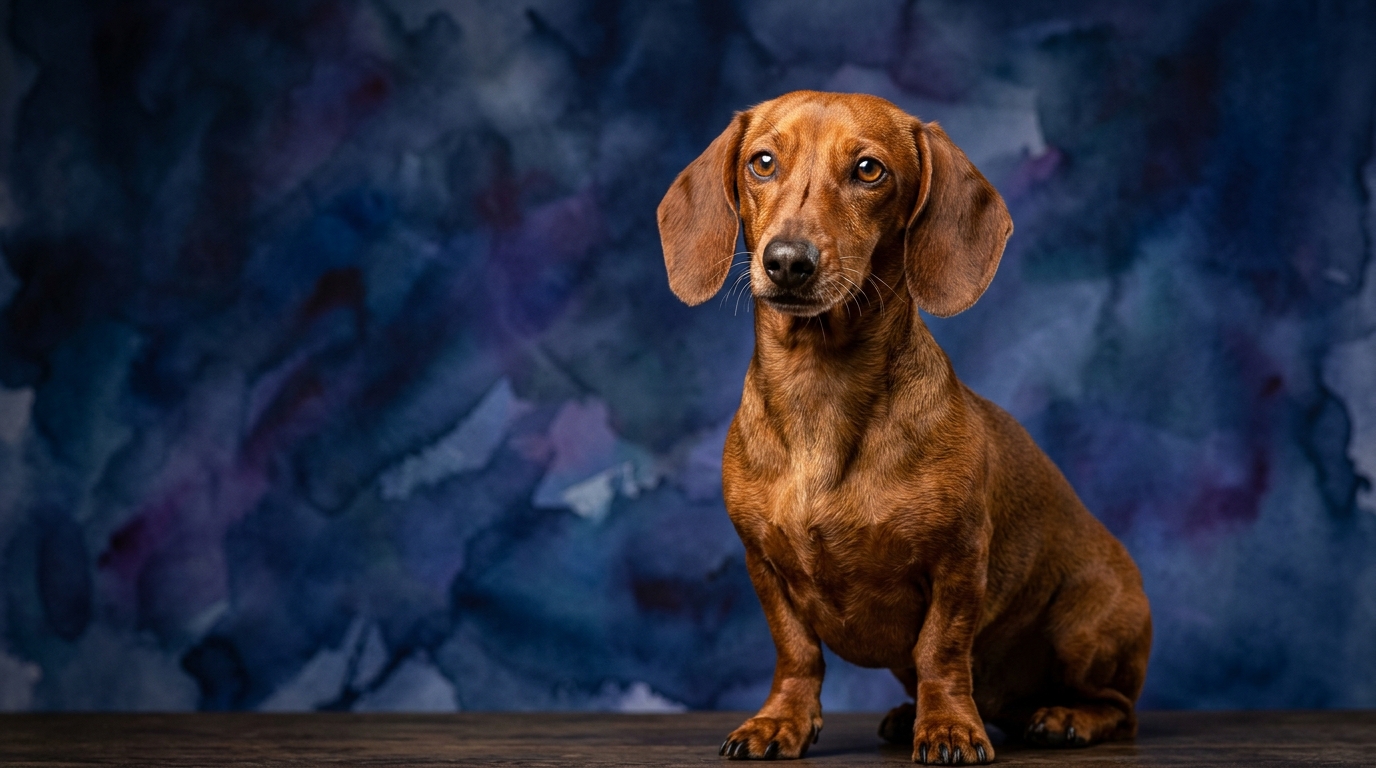
The Dachshund's IQ breakdown reveals: Problem Solving 4/5, Training Speed 2/5, Social Intelligence 3/5, Instinctive Drive 5/5, and Memory 3/5. Bred to independently track and flush prey from burrows, their exceptional problem-solving score reflects a capacity for complex decision-making and navigation in challenging environments. They often devise novel solutions to reach a goal, even if it diverges from human expectations. Their supreme instinctive drive fuels a persistent curiosity and a tendency to follow their nose, embodying a powerful, intrinsic motivation. However, this independence means their training speed is lower, as their strong drives can often override compliance. Their social intelligence is moderate, forming deep bonds within their family but showing reservation with strangers. Memory is also moderate, remembering routines and people, though sometimes overshadowed by immediate instincts.
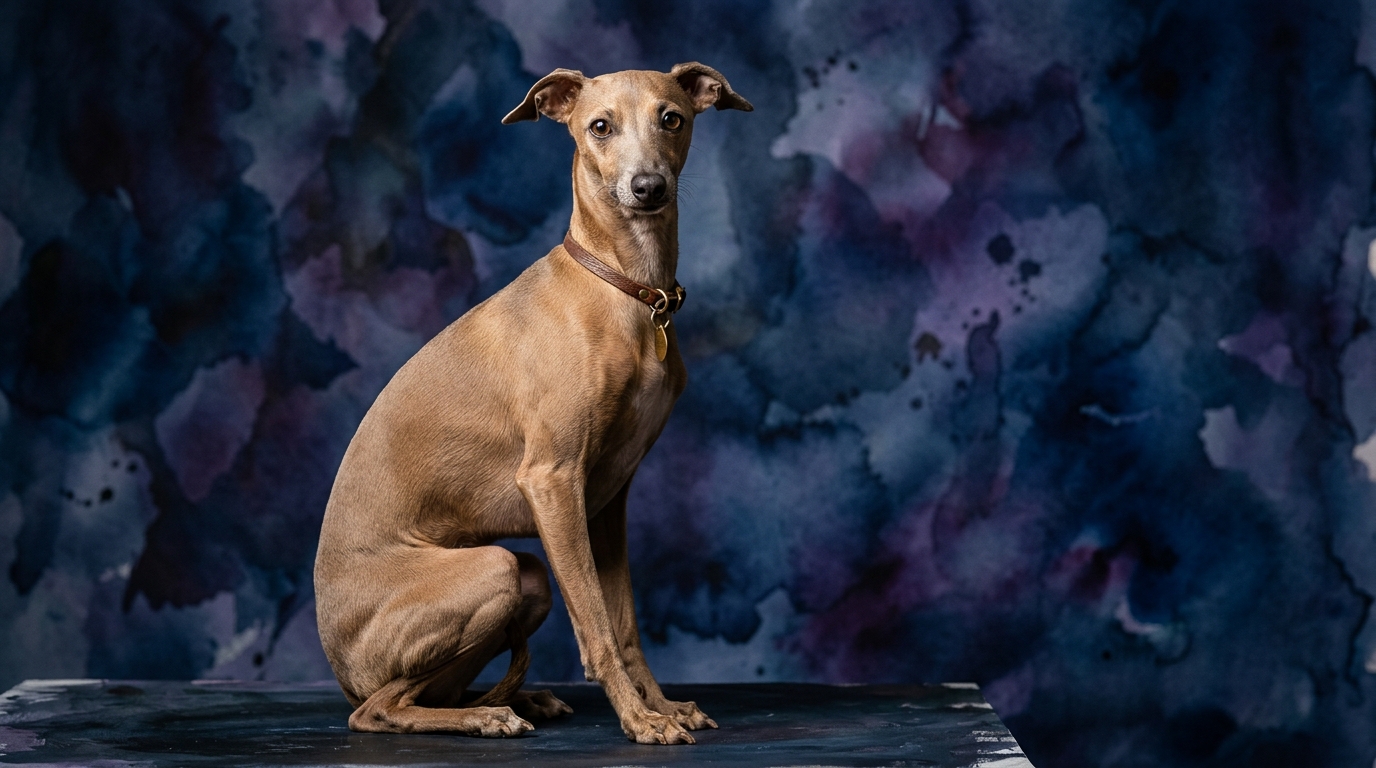
The Italian Greyhound's IQ profile shows: Problem Solving 3/5, Training Speed 3/5, Social Intelligence 3/5, Instinctive Drive 3/5, and Memory 3/5. As sighthounds, their problem-solving often involves spatial awareness and quick reactions to visual stimuli, allowing them to navigate spaces efficiently, though with less complex persistence than a burrow-hunting breed. Their training speed is moderate; they are sensitive and eager to please, which can aid learning, but their short attention spans and sighthound nature necessitate patient, positive reinforcement. Social intelligence is moderate, characterized by deep affection for their family but potential shyness with unfamiliar individuals. Their instinctive drive is also moderate, manifesting as a strong prey drive for fast-moving objects, fueling bursts of speed and chasing activated by visual triggers. Memory is moderate, supporting their ability to learn household rules and bond with their family, but they may not retain complex command sequences with the same tenacity as some working breeds.
Where the Dachshund Excels Cognitively
The Dachshund's cognitive strengths primarily lie in their formidable Problem Solving (4/5) and unparalleled Instinctive Drive (5/5). Their tenacity in figuring out complex challenges, especially when motivated by a specific goal like retrieving a hidden treat or maneuvering under furniture, showcases a remarkable ingenuity. They don't just react; they actively strategize to overcome obstacles, demonstrating a deep understanding of cause and effect within their immediate environment.
Furthermore, their exceptional instinctive drive translates into an incredible focus and determination when tracking a scent. This isn't merely a physical act; it's a profound cognitive engagement where they process olfactory information with astonishing precision and persistence. They expertly filter out myriad distractions to follow a specific trail, a specialized form of sensory processing that represents a distinct cognitive advantage. This deep, instinct-driven mental processing allows them to navigate and interpret the world through an olfactory lens that is largely beyond human comprehension, making them master detectives of the scent world.
Where the Italian Greyhound Shines Cognitively
The Italian Greyhound's cognitive advantages are rooted in their relative Training Speed (3/5 compared to the Dachshund's 2/5) and their keen social sensitivity. While not demonstrating the same independent problem-solving tenacity as a Dachshund, their mental agility allows them to adapt quickly to new situations and human cues, especially when motivated by affection or comfort. They possess a nuanced understanding of their human companions' moods and intentions, often adjusting their behavior accordingly, which fosters a harmonious domestic life.
Their sighthound heritage also endows them with superior spatial awareness and rapid visual processing. They can quickly assess an environment for potential hazards or opportunities for a sprint, a different kind of problem-solving than the Dachshund's scent-driven approach. This visual intelligence allows for swift reactions and graceful navigation. Their sensitivity means they often pick up on subtle emotional shifts in their owners, allowing for a more harmonious domestic life if their needs are met, making them highly attuned and responsive companions.
Training Dynamics: Which Breed is Easier and Why?
When it comes to training, the cognitive profiles of these two breeds predict distinct experiences. The Dachshund, with a Training Speed of 2/5, generally presents a more challenging training journey. Their high Instinctive Drive (5/5) and independent Problem Solving (4/5) mean they often operate with their own agenda. They are not unintelligent; rather, they are self-directed, understanding commands but often choosing to prioritize their instincts, such as following a compelling scent. This means consistent, patient training is essential, often requiring owners to make training feel like a game that taps into their prey drive rather than a strict command-and-obey scenario. For example, house-training can be a hurdle due to their focus on scent marking and an independent streak that might lead them to discreetly relieve themselves indoors. Recall can be notoriously challenging when a captivating scent trail is present, as their internal motivation overshadows external commands.
The Italian Greyhound, with a moderate Training Speed of 3/5, is typically more amenable to training. Their desire to please their owners, combined with a less stubborn nature, makes them more responsive to positive reinforcement methods. They are sensitive dogs who thrive on gentle guidance and praise. However, their short attention span and sighthound tendency to bolt after visual stimuli mean training sessions need to be kept brief, engaging, and consistent. While generally more responsive than a Dachshund, house-training can still present challenges due to their delicate constitution and preference for warmth, making them reluctant to venture outside in inclement weather. Leash training and recall are crucial due to their incredible speed and prey drive, requiring a strong foundation to prevent them from chasing perceived prey, but they are generally less likely to deliberately ignore a known command than a Dachshund.
Matching Breeds to Lifestyles: Active vs. Relaxed Owners
The cognitive and instinctive makeup of these breeds significantly impacts their suitability for different owner lifestyles. The Dachshund, despite its small stature, genuinely suits active owners who enjoy engaging with their dog's keen senses and formidable problem-solving abilities. Their Instinctive Drive (5/5) means they are not content to merely be lapdogs; they need consistent mental stimulation to prevent boredom-driven behaviors like digging or excessive barking. Owners who appreciate long 'sniff-walks' where the dog leads with its nose, participate in earthdog trials, or utilize puzzle toys that challenge their tenacious minds will find a fulfilling partnership. They thrive with owners who understand and provide an outlet for their inherent hunting instincts, embracing their independent spirit.
The Italian Greyhound, with a moderate Instinctive Drive (3/5), is an excellent companion for owners who appreciate a balance of spirited activity and significant periods of relaxation. They require opportunities for short, intense bursts of running in a securely fenced area to satisfy their sighthound instincts, but are equally content to spend hours cuddling on the couch, often seeking close physical contact. Their moderate drive means they don't demand constant 'work' or mental challenges but do need regular, safe exercise to maintain their physical and mental well-being. They are ideal for relaxed owners who enjoy quiet evenings but can also provide a vigorous sprint or two during the day. Their sensitive nature also means they thrive in calm, predictable home environments, making them wonderful, low-key companions for a serene household.
The Verdict
Choose the Dachshund if you admire a dog with formidable independent problem-solving skills and a relentless, instinct-driven spirit, and you are prepared for a charmingly stubborn yet deeply rewarding training journey.
Opt for the Italian Greyhound if you seek a sensitive, affectionate companion who learns quickly with positive reinforcement and enjoys a harmonious balance of spirited play and cozy relaxation.
🧠 Find Your Pet's IQ Score
Our Pet IQ Lab assessment covers 25+ tests across 5 cognitive dimensions — personalized to your breed.
Take the Full IQ Test →Frequently Asked Questions
Are Dachshunds truly stubborn, or is it a misunderstanding of their intelligence?
Dachshund 'stubbornness' is often a manifestation of their high instinctive drive and superior problem-solving. They are not unintelligent; rather, they are self-directed and prone to prioritizing their own objectives, like following a scent, over human commands. This requires training methods that tap into their innate drives rather than simply expecting compliance.
Do Italian Greyhounds have a high prey drive despite being toy breeds?
Yes, Italian Greyhounds retain a distinct sighthound prey drive, albeit typically less intense than larger sighthounds. They are visually oriented and can bolt after small, fast-moving objects, necessitating secure leashes and fenced areas. This drive is a natural part of their heritage and contributes to their bursts of energetic play.
How does Coren ranking relate to the IQ scores provided?
Coren's ranking primarily assesses 'working and obedience intelligence,' focusing on how quickly a dog learns and obeys commands. Our Pet IQ Lab scores offer a broader, multi-dimensional view of intelligence, including problem-solving, social acumen, and instinctive drives, which might explain why an unranked breed can still score well in specific cognitive areas.