
Side-by-Side IQ Profile
**Dachshund (Hound, Coren rank #49)**: Their **Problem Solving (4/5)** reflects a remarkable ability to navigate complex environments, overcoming obstacles to pursue a scent or burrow. They are resourceful and tenacious in achieving goals. **Training Speed (2/5)** is slower due to their independent nature and intense focus on scent, often prioritizing instinct over human instruction. **Social Intelligence (3/5)** is moderate; they form strong family bonds but can be reserved with strangers. Their **Instinctive Drive (5/5)** is exceptionally high, manifesting as relentless scent following, digging, and strong prey drive, rooted in their badger-hunting heritage. **Memory (3/5)** is functional for navigating familiar territories and recalling relevant scents, though perhaps less for complex learned sequences.
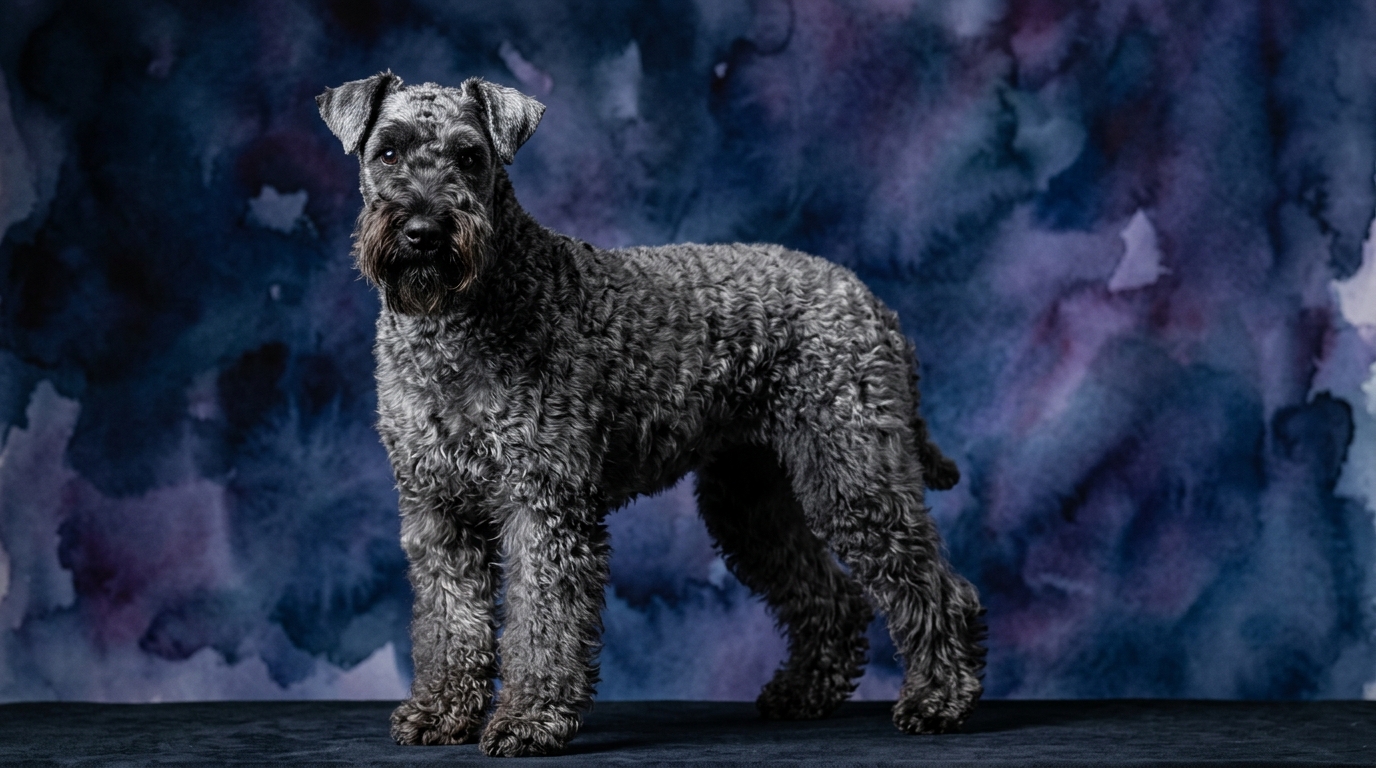
**Kerry Blue Terrier (Terrier, Not Coren-ranked)**: This breed demonstrates **Problem Solving (3/5)** with practical intelligence for everyday challenges and puzzles. Their **Training Speed (3/5)** is moderate, generally receptive to commands with engaging methods, showing typical terrier wit and willingness to work. **Social Intelligence (3/5)** is also moderate; they are loyal to family but can be cautious with unfamiliar people or animals, requiring careful socialization. Their **Instinctive Drive (3/5)** is balanced, present for chasing and exploring but more manageable than the Dachshund's fixation, reflecting their all-around farm dog history. **Memory (3/5)** is reliable for recalling learned commands, routines, and household rules, contributing to their adaptability.
Where Dachshund Wins Cognitively
The Dachshund's cognitive strengths are particularly evident in two areas. Firstly, their **problem-solving capabilities (4/5)**, superior to the Kerry Blue's 3/5, are remarkable when focused on their primary objectives. A Dachshund can meticulously trace a scent trail through convoluted paths, digging under fences or maneuvering around obstacles with single-minded determination. This isn't abstract problem-solving but applying ingenuity to achieve a tangible, instinct-driven goal, underscored by their Coren rank of #49. Secondly, the Dachshund's **instinctive drive (5/5)** is unparalleled in this comparison. This intense, unwavering focus allows them to perform tasks requiring extreme persistence, such as tracking game over long distances. This relentless internal motivation, while sometimes challenging, represents a peak of specialized cognitive function, enabling excellence in tasks demanding unwavering dedication to their innate purpose.
Where Kerry Blue Terrier Wins Cognitively
While the Dachshund excels in specialized problem-solving, the Kerry Blue Terrier offers a more balanced and adaptable cognitive profile. The most apparent win for the Kerry Blue is in **training speed (3/5 vs. Dachshund's 2/5)**. This indicates a greater willingness and capacity to absorb and respond to human commands, making them generally more amenable to structured learning. Their terrier wit often translates into an eagerness to engage in training as a form of interaction. This moderate training speed also implies a more generalist approach to problem-solving (3/5), where intelligence is applied broadly across different types of challenges rather than being acutely specialized. While social intelligence and memory scores are identical (3/5), the Kerry Blue's more balanced instinctive drive (3/5 vs Dachshund's 5/5) means these cognitive functions are often more readily available for human-directed interaction, with memory consistently applied to recalling rules within a domestic setting.
Which is Easier to Train and Why
Based on their training speed scores, the **Kerry Blue Terrier (3/5)** is generally easier to train than the **Dachshund (2/5)**. This difference stems from their intrinsic motivations and historical roles. Dachshunds were bred as independent hunters, pursuing prey underground without human direction. This fostered a cognitive profile where their intense instinctive drive (5/5) and problem-solving skills (4/5) are largely self-directed, making them appear stubborn or unresponsive when a compelling scent or digging opportunity arises. Their focus on the task at paw can easily override human commands. In contrast, Kerry Blue Terriers, as multi-purpose farm dogs, required more direct cooperation with humans. This background instilled a more balanced instinctive drive (3/5) and a greater propensity for engagement in human-led activities, making them more amenable to learning and responding to commands. While they can still exhibit terrier will, their inclination is more towards partnership in training, leading to a faster and often less frustrating learning curve.
Which Suits Active Owners vs Relaxed Owners
The distinction between these breeds isn't simply "active vs. relaxed" but rather the *nature* of activity required. **Dachshunds**, despite their size, demand a specific kind of "active" owner. Their extreme instinctive drive (5/5) necessitates consistent outlets for their urge to sniff, track, and potentially dig. A truly relaxed owner expecting minimal mental stimulation will likely find themselves with a bored, potentially destructive companion. Owners who enjoy scent work, puzzle toys, and managing a persistent, independent spirit will find a good match, understanding that indoor relaxation is earned after their drives are met. **Kerry Blue Terriers** suit genuinely active owners who enjoy dynamic engagement. Their balanced instinctive drive (3/5) and moderate training speed (3/5) mean they thrive on regular, vigorous exercise, structured play, and consistent training. A relaxed owner who prefers minimal interaction might find a Kerry Blue becomes restless. They need an owner prepared for consistent activity and engagement, enjoying a cooperative partner in their adventures.
The Verdict
Choose a Dachshund if you appreciate a dog with an intense, specialized problem-solving ability and unparalleled instinctive drive, are patient with training, and can provide specific outlets for their scenting and burrowing instincts.
Choose a Kerry Blue Terrier if you seek a more generally adaptable, engaging partner with a moderate training speed, who thrives on consistent physical and mental activity, and whose intelligence is readily applied to cooperative tasks.
🧠 Find Your Pet's IQ Score
Our Pet IQ Lab assessment covers 25+ tests across 5 cognitive dimensions — personalized to your breed.
Take the Full IQ Test →Frequently Asked Questions
Do Dachshunds struggle with obedience training due to their low training speed score?
While their training speed of 2/5 indicates they learn commands slower than some breeds, it doesn't mean they can't be obedient. Their independent nature and strong prey drive require patient, consistent, and highly motivating training methods, often leveraging their love for scent work to make learning engaging.
Is the Kerry Blue Terrier a good choice for first-time dog owners given its intelligence profile?
The Kerry Blue Terrier's balanced IQ, including a moderate training speed (3/5) and instinctive drive (3/5), makes them a more manageable choice than some other terriers, but they still require consistent training and socialization. A first-time owner committed to providing structure, exercise, and mental stimulation can succeed with a Kerry Blue.
How does the Dachshund's high instinctive drive impact their daily behavior?
A Dachshund's 5/5 instinctive drive manifests as a powerful urge to explore scents, dig, and chase. This means they require secure yards, careful supervision on walks to prevent them from following a scent trail, and ample mental enrichment through puzzle toys or scent games to prevent boredom and destructive behaviors.