
Side-by-Side Cognitive Profiles
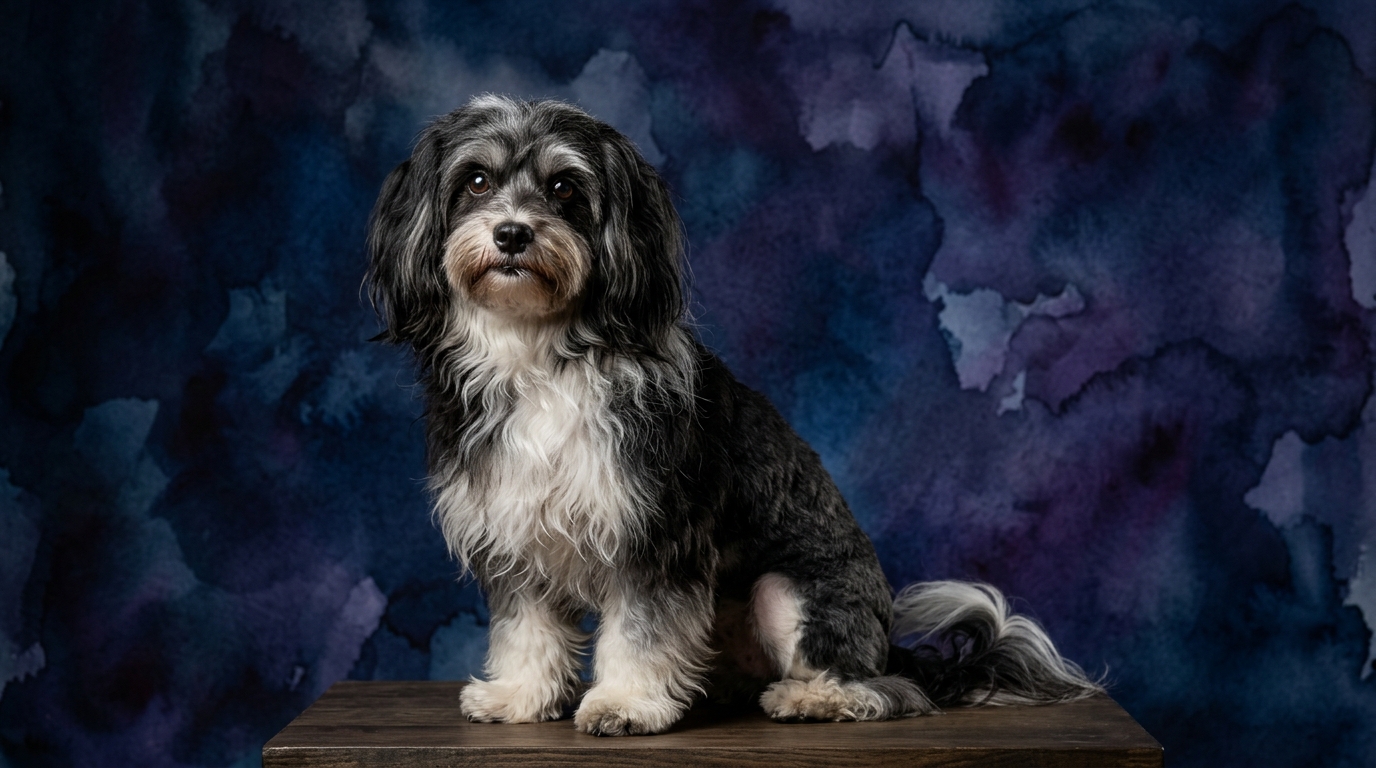
To truly understand the intellectual nuances of the Dachshund and the Löwchen, The Cosmic Pet Pet IQ Lab employs a five-dimensional cognitive framework, allowing us to appreciate the specific ways each breed processes information. **Dachshund Cognitive Dimensions:** **Problem Solving (4/5):** This breed exhibits remarkable capacity for figuring things out, particularly when driven by a goal, demonstrating persistent and ingenious approaches to challenges. **Training Speed (2/5):** Their independent nature and strong will mean they may not be the quickest to adopt new commands, easily distracted by instinctual appeals and requiring consistent methodology. **Social Intelligence (3/5):** Dachshunds form deep bonds with family, displaying keen awareness of owners' moods, though they can be discerning with strangers and act as vigilant watchdogs. **Instinctive Drive (5/5):** This is a supreme force, rooted in their badger-hunting ancestry; their compulsion to dig, follow scents, and pursue perceived "prey" guides much of their world interaction. **Memory (3/5):** They possess functional memory for familiar people, places, and routines, recalling experiences that shape future responses, rather than abstract concepts. **Löwchen Cognitive Dimensions:** **Problem Solving (3/5):** The Löwchen demonstrates a solid ability to learn and solve practical problems, such as household puzzles, engaging thoughtfully without the intense persistence of a Dachshund. **Training Speed (3/5):** Generally eager to please, they are responsive and cooperative learners, making training a fluid and rewarding experience with quicker grasp of new commands. **Social Intelligence (3/5):** Typically affable, Löwchens enjoy interacting with a wide range of people, adapting well to various social settings and thriving on being part of the family unit. **Instinctive Drive (3/5):** Possessing a more moderate instinctive drive, their general canine urges for play and exploration are balanced, often redirected towards social interaction and companionship. **Memory (3/5):** Löwchens exhibit reliable memory for commands, house rules, and individuals, recalling routines and anticipating events, contributing to their adaptability in family life.
Where the Dachshund Excels Cognitively
The Dachshund's cognitive strengths are profoundly shaped by its historical role as a tenacious hunter. Their superior Problem Solving (4/5) is often a direct byproduct of their potent Instinctive Drive (5/5). A Dachshund will meticulously strategize and persist to achieve a goal, whether burrowing under a fence or manipulating a toy. This isn't brute force, but a calculated application of mental resources, often outwitting expectations. Their acute sensory perception, especially their highly developed olfactory system, is another cognitive advantage. They process complex scent data to create intricate mental maps, excelling in activities like scent work where odor processing is paramount. The depth of their specialized instincts provides a unique cognitive lens, making them masters of their ancestral craft.
Where the Löwchen Excels Cognitively
The Löwchen's cognitive advantages often lie in their adaptability and balanced nature, highlighted by their more favorable Training Speed (3/5 compared to the Dachshund's 2/5). This reflects a cognitive flexibility and willingness to engage with human instruction. Löwchens tend to be more focused on handlers during learning, less distracted, allowing for efficient information processing and retention of new commands. Their moderate Instinctive Drive (3/5) is also a cognitive benefit in a domestic setting, meaning mental energy isn't overwhelmingly channeled into a single pursuit. This allows for broader cognitive bandwidth to focus on social learning, diverse play, and understanding complex human-dog communication. Their emotional attunement facilitates smoother interactions and a deeper understanding of family dynamics.
Which is Easier to Train and Why
When considering ease of training, the Löwchen generally presents a more straightforward experience than the Dachshund. The Löwchen's score of 3/5 in Training Speed, coupled with their inherent eagerness to please, means they are typically more receptive to learning new commands and routines. They often thrive on positive reinforcement and enjoy the collaborative process of training, making them cooperative pupils. Their behavioral tendency is to focus on their human companions, seeking approval and guidance, which streamlines the learning process. In contrast, the Dachshund's 2/5 Training Speed is a testament to their independent spirit and powerful instinctive drives. A Dachshund might understand a command perfectly but choose to prioritize a captivating scent trail or the urge to dig over immediate obedience. Their strong-willed nature means training requires exceptional patience, consistency, and the ability to make learning more rewarding than their self-directed pursuits. For example, while a Löwchen might quickly learn a "stay" command in a park, a Dachshund's innate drive to explore or chase a perceived critter could easily override such instruction without extensive, highly motivating practice.
Which Suits Active Owners vs. Relaxed Owners
The choice between a Dachshund and a Löwchen also depends significantly on an owner's lifestyle and activity level. For active owners who enjoy engaging with a dog's natural instincts and providing structured outlets for their energy, the Dachshund can be a rewarding companion. Despite their small size, their intense Instinctive Drive (5/5) and Problem Solving (4/5) mean they thrive on activities like scent work, earth dog trials, or long, exploratory walks where they can investigate every intriguing smell. Owners who appreciate a dog with a robust, independent spirit and are prepared to channel that tenacity into mentally stimulating tasks will find a Dachshund fulfilling. Conversely, Löwchens generally suit both moderately active and more relaxed owners due to their balanced nature. Their moderate Instinctive Drive (3/5) means they enjoy regular walks and playtime, but they are equally content to cuddle on the couch and be a calm presence. Their adaptability and focus on social interaction make them excellent companions for individuals or families seeking a dog that integrates smoothly into various routines without demanding highly specialized outlets for intense drives.
The Verdict
Opt for a Dachshund if you appreciate a dog with an independent, tenacious spirit and a deep connection to ancient hunting instincts, and are prepared to channel their strong problem-solving and instinctive drives into consistent training and mentally stimulating activities like scent work.
Select a Löwchen if you seek an adaptable, eager-to-please companion who thrives on social interaction and a balanced, cooperative nature, desiring a dog that integrates smoothly into various lifestyles and is generally responsive to training.
🧠 Find Your Pet's IQ Score
Our Pet IQ Lab assessment covers 25+ tests across 5 cognitive dimensions — personalized to your breed.
Take the Full IQ Test →Frequently Asked Questions
Are Dachshunds stubborn or just independent?
Dachshunds are often perceived as stubborn due to their strong independent streak and high instinctive drive (5/5). They possess their own agenda, particularly when a compelling scent or digging opportunity arises, which can make them seem resistant to commands rather than lacking understanding. Consistent, highly motivating training is key to working with their self-directed nature.
Do Löwchens need a lot of exercise?
Löwchens have a moderate instinctive drive (3/5) and are generally adaptable, meaning they enjoy daily walks and playtime but do not typically require extensive, high-intensity exercise. They are content with a balance of physical activity and quality time with their family, making them suitable for various activity levels.
Which breed is generally better with children?
Both breeds score 3/5 in social intelligence, but their expression differs. Löwchens, with their affable nature and eagerness to please, often adapt well to family life and can be very patient companions for respectful children. Dachshunds, while loyal to their family, can be less tolerant of rough handling or unexpected surprises, requiring careful supervision with younger children.