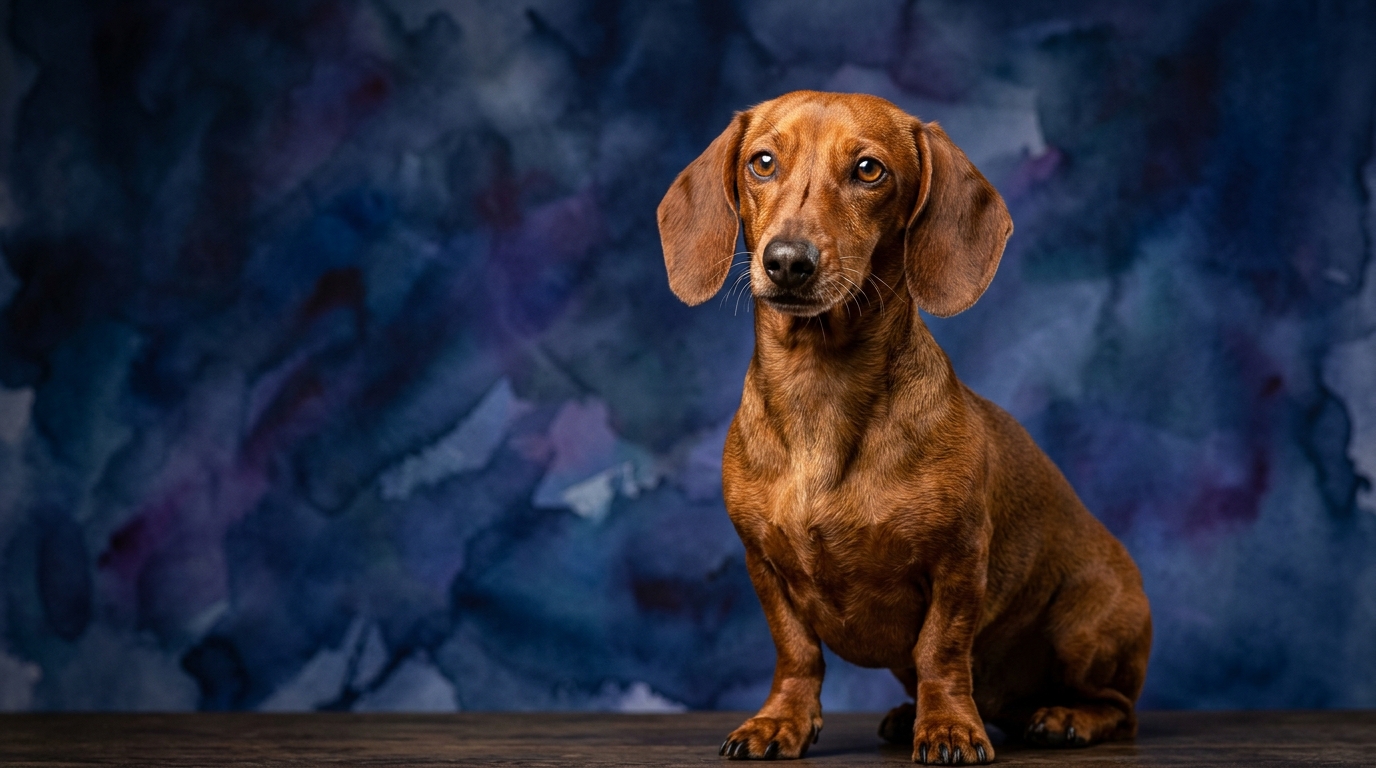
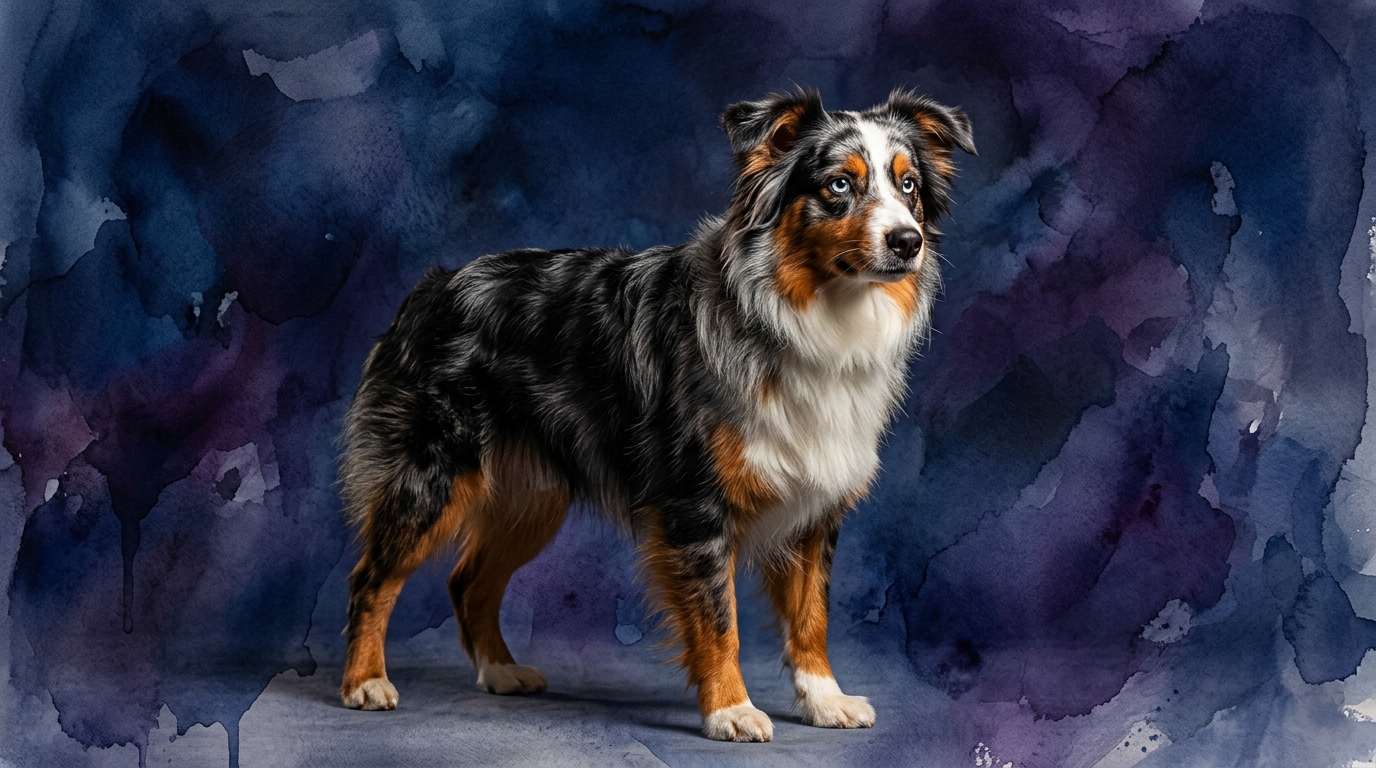
Side-by-Side Cognitive Profile: Dachshund vs. Miniature American Shepherd
At The Cosmic Pet Pet IQ Lab, we evaluate canine intelligence across five key dimensions to provide a nuanced understanding of each breed's mental landscape. For the Dachshund, a hound breed Coren-ranked #49, its profile paints a picture of cunning independence: Problem Solving 4/5, Training Speed 2/5, Social Intelligence 3/5, Instinctive Drive 5/5, and Memory 3/5. This suggests a dog highly adept at figuring things out on its own, driven by powerful instincts, but with a selective approach to formal instruction.
In contrast, the Miniature American Shepherd, a herding breed not yet Coren-ranked, presents a more balanced and cooperative cognitive blueprint: Problem Solving 3/5, Training Speed 3/5, Social Intelligence 3/5, Instinctive Drive 3/5, and Memory 3/5. This breed’s scores indicate a capable problem-solver and a willing student, generally well-adjusted socially, with a moderate drive that can be readily channeled into productive tasks. These distinct profiles offer a compelling comparison for potential owners.
Where the Dachshund Excels Cognitively
The Dachshund truly shines in its Problem Solving ability, earning a robust 4/5. This isn't about abstract reasoning, but rather a remarkable, persistent, and often creative ingenuity in achieving their immediate goals. Their original purpose of hunting badgers meant they had to independently navigate complex underground tunnels, demonstrating a profound capacity for strategic thinking to overcome obstacles and pursue prey. This translates into a dog that can cleverly outmaneuver child gates, open cabinets, or track a scent across varied terrains with impressive determination, showcasing a unique 'badger logic' that is both admirable and, at times, challenging for owners.
Furthermore, the Dachshund’s Instinctive Drive is exceptionally high at 5/5. This intense drive is a powerful cognitive engine, fueling their tenacity, their focus on scent, and their independent decision-making when motivated by a perceived 'hunt.' While this can lead to stubbornness in training, it also makes them exceptional at scent work, earth dog trials, and other activities that tap into their primal urges. This deep-seated instinctual intelligence means they are masters of their domain, capable of sustained effort when their inherent drives are engaged.
Where the Miniature American Shepherd Shows Cognitive Strength
The Miniature American Shepherd demonstrates a notable cognitive advantage in Training Speed, scoring 3/5 compared to the Dachshund's 2/5. This indicates a breed that is generally more eager to please and responsive to human guidance, allowing them to grasp new commands and routines with greater ease and consistency. Their herding background instilled a desire to work collaboratively with their handlers, making them attentive students who thrive on structured learning and positive reinforcement. This responsiveness makes them well-suited for a wide array of activities, from competitive obedience to agility sports, where precision and prompt execution are paramount.
Beyond individual scores, the Miniature American Shepherd’s strength lies in its balanced cognitive profile, with consistent 3/5 ratings across most dimensions. This equilibrium signifies an adaptable and versatile mind. Unlike breeds with extreme peaks in one area that might lead to behavioral challenges, the Miniature American Shepherd's cognitive balance allows them to transition smoothly between different tasks and environments. Their moderate instinctive drive (3/5) is readily channeled into constructive activities, rather than solely independent pursuits, making them capable companions who can engage in diverse roles without the pronounced independent streaks often seen in breeds with higher, more specialized drives.
Trainability: A Tale of Two Temperaments
When considering ease of training, the Miniature American Shepherd generally holds an edge. Their Training Speed of 3/5 reflects a natural inclination towards cooperation and a desire to please their human partners. They respond well to consistent, positive reinforcement and typically pick up new commands and cues at a reasonable pace. Their moderate instinctive drive (3/5) is more easily directed and harnessed, allowing owners to channel their energy into constructive learning experiences such as obedience, agility, or even trick training, where their focus and responsiveness are significant assets.
In contrast, the Dachshund, with a Training Speed of 2/5, presents a more significant training challenge. Their formidable problem-solving skills (4/5) are often applied to their own agenda, and their dominant instinctive drive (5/5) means that a compelling scent or the thrill of a dig can easily override any learned command. Training a Dachshund demands immense patience, creativity, and a deep understanding of their independent, hound-driven nature. Owners must work to make desired behaviors more intrinsically rewarding than the strong pull of their instincts, often requiring a more nuanced and less direct approach to instruction.
Lifestyle Match: Active Engagement vs. Relaxed Companionship
For active owners seeking a canine partner for adventures and structured activities, the Miniature American Shepherd is an excellent fit. Their herding lineage means they possess both the physical stamina and mental acumen to thrive on significant exercise and engagement. They excel in activities like long hikes, agility courses, flyball, and obedience trials, where their balanced cognitive profile and eagerness to train make them enthusiastic participants. Owners who can provide consistent, stimulating activities that tap into their working intelligence and moderate instinctive drive will find a highly content and cooperative companion.
The Dachshund, while certainly possessing bursts of energy and requiring daily walks, can often be a better match for more relaxed owners, provided their unique cognitive and instinctual needs are met. Their strong problem-solving skills and high instinctive drive mean they require mental engagement through puzzle toys, scent games, and short training sessions, but their physical exercise requirements are generally lower than a high-drive herding breed. They are content with a warm lap and a cozy spot after a good sniff-walk, making them adaptable to apartment living, though owners must be prepared for their independent streak and potential for vocalization or digging if not appropriately stimulated.
The Verdict: When to Choose Each Breed
The Verdict
Opt for a Dachshund if you appreciate a clever, independent spirit with a strong personality and are prepared to engage their formidable problem-solving skills and instinctive drives with patience and humor. They are perfect for owners who value a loyal, tenacious companion and can provide consistent, creative training to channel their unique cognitive strengths.
Select a Miniature American Shepherd if you seek an eager, versatile partner for an active lifestyle, thriving on collaborative training and mental engagement in dog sports or structured activities. They suit owners who enjoy a responsive, balanced canine companion ready for adventure and consistent interaction.
🧠 Find Your Pet's IQ Score
Our Pet IQ Lab assessment covers 25+ tests across 5 cognitive dimensions — personalized to your breed.
Take the Full IQ Test →Frequently Asked Questions
Is a Dachshund's problem-solving ability always a good thing?
While their 4/5 problem-solving score means they are clever and resourceful, it can also manifest as ingenuity in getting into mischief. Owners often find Dachshunds excel at escaping crates or finding ways to counter-surf, requiring careful management and consistent boundaries. This intelligence requires channeling into appropriate outlets.
How does the Miniature American Shepherd's herding instinct affect daily life?
The Mini American Shepherd's moderate herding drive (3/5) means they might try to 'herd' family members, especially children, by nudging or circling them. This instinct can be managed with training and by providing appropriate outlets like herding games or puzzle toys, ensuring it doesn't become overwhelming in a home environment.
Does Coren ranking tell the whole story about a breed's intelligence?
Coren ranking primarily assesses obedience and working intelligence, specifically how quickly a dog learns and obeys known commands. It doesn't fully capture other cognitive dimensions like problem-solving, social intelligence, or instinctive drive, which are crucial for understanding a breed's overall mental makeup and suitability for different lifestyles.